Delta Cancels 219 Flights Amid Pilot Staffing Meltdown

Co-Founder & CEOAviation News Editor delivering trusted coverage across the global aviation industry.

Delta Air Lines canceled 219 flights as pilot open trip acceptance plummeted from 37% to 2%, leading to widespread passenger disruption.
Key Takeaways
- •Pilot open trip acceptance at Delta fell from 37% to just 2% year-over-year.
- •The airline canceled 219 flights on May 2, impacting 7% of its daily schedule.
- •A scheduling system, 23.M.7, was used 10-15 times more than intended to fill gaps.
- •A frustrated passenger used a gate PA system to call for assistance amid the chaos.
A significant wave of Delta flight cancellations roiled the carrier's network over the weekend, culminating in a frustrated passenger using a gate Public Address (PA) system to seek assistance. The operational meltdown stems from a severe Delta pilot staffing shortage, with internal documents revealing that the airline’s crew scheduling has been crippled by a dramatic drop in pilots volunteering for extra trips and over-reliance on a flawed scheduling system known as Delta 23.M.7 scheduling.
The disruption peaked on Saturday, May 2, 2026, when Delta Air Lines canceled 219 flights, which accounted for 7% of its total daily schedule, according to data from FlightAware. The core of the problem, outlined in an April 2026 internal memo from Ryan Gumm, Delta's Senior Vice President of Flight Operations, is a collapse in pilot availability. The acceptance rate for open trips by pilots has fallen from 37% last year to just 2% this year. This has forced the airline to lean heavily on its '23.M.7' pilot staffing system, which Gumm noted was being used 10 to 15 times more than its intended frequency and was "never intended for consistent daily operations."
Systemic Failures and Management Response
The crisis highlights a growing industry trend where the unintended consequences of new pilot union contracts clash with legacy scheduling technology. During Delta’s Q1 2026 earnings call, CEO Ed Bastian acknowledged the issues, stating, "Teams are taking targeted actions to improve resilience and recovery, as well as addressing challenges that have resulted from contractual changes to our Pilot Working Agreement." The statement, available via Delta's investor relations portal, points to a disconnect between the new labor agreement and the airline's ability to staff its network flexibly.
The Air Line Pilots Association (ALPA), the union representing Delta pilots, has countered the narrative that pilots are refusing to work. According to the union, the root cause is the airline's dependence on an inefficient scheduling system and a failure to maintain adequate staffing buffers to handle Irregular Operations (IRROPS). This perspective is supported by analysts who note that high turnover in airline scheduling departments has slowed recovery times across the industry following routine weather or technical disruptions.
Regulatory and Historical Context
These operational challenges are compounded by strict federal regulations. The Federal Aviation Administration (FAA) mandates flight and duty time limitations under 14 CFR Part 117, which dictates how many hours pilots can work. During IRROPS, these rules can lead to crews timing out, further straining a fragile scheduling system. For passengers, controllable cancellations like those caused by crew shortages fall under the purview of the U.S. Department of Transportation (DOT) and its Aviation Consumer Protection Regulations, which govern airline responsibilities for refunds and accommodations.
The situation at Delta draws parallels to other recent industry meltdowns. The Southwest Airlines holiday meltdown of December 2022, which resulted in a $140 million DOT fine, was similarly caused by outdated crew scheduling technology that failed during a winter storm. Likewise, Delta's own CrowdStrike IT outage in July 2024 exposed vulnerabilities in its crew tracking systems, leading to a prolonged recovery and a DOT investigation. Both precedents underscore the critical importance of robust, modern scheduling infrastructure.
Technical Analysis
The May 2026 cancellations are not an isolated incident but a symptom of a deeper systemic issue. The dramatic drop in open trip acceptance from 37% to 2% is a direct consequence of a new Pilot Working Agreement that has altered the economic incentives for taking on extra flying. Delta's legacy scheduling system, 23.M.7, lacks the sophistication to dynamically manage crew assignments under this new labor paradigm, especially during IRROPS. This mirrors the core failure of Southwest's system in 2022, suggesting a persistent industry-wide underinvestment in the IT infrastructure required to support complex, modern labor contracts. The high reliance on a stop-gap system, as confirmed by the Gumm memo, indicates that the airline's operational planning has not kept pace with its labor agreements, creating a brittle network vulnerable to routine disruptions.
What Comes Next
The immediate test for Delta's operational stability will be the Summer 2026 travel peak, which runs from June through August. With demand expected to be high, any repeat of these scheduling failures could lead to significant financial and reputational damage. Stakeholders, including the ALPA Delta Pilot Group, will be closely watching for improvements. Management is expected to provide a detailed update on its recovery strategy and the financial impact of the disruptions during its Q2 2026 earnings call, which is confirmed for July 2026.
Why This Matters
This event highlights the fragile balance between new pilot contracts, legacy technology, and operational reliability at major airlines. For the industry, it serves as a critical warning that lucrative labor agreements must be backed by commensurate investment in modern scheduling and crew management systems. For passengers, it signals a period of potential volatility where staffing-related disruptions may become more common, even outside of major weather events.
Frequently Asked Questions
- Why did Delta cancel so many flights in May 2026?
- Delta canceled 219 flights on May 2, 2026, due to a severe pilot staffing shortage. Pilot acceptance for extra trips dropped from 37% to 2% year-over-year, and an inefficient scheduling system, '23.M.7', was unable to cope with the crew shortages.
- What is the Delta 23.M.7 scheduling system?
- The 23.M.7 is a pilot staffing system at Delta intended for limited, specific use. According to an internal company memo, it was overused by 10 to 15 times its intended frequency during the May 2026 operational meltdown to fill crew gaps, highlighting systemic scheduling issues.
- What caused the drop in Delta pilots picking up extra trips?
- The sharp decline in pilots volunteering for open trips is linked to recent changes in the Pilot Working Agreement negotiated with the Air Line Pilots Association. Delta's CEO acknowledged these contractual changes have created challenges in maintaining operational resilience.
From airline operations to fleet updates, commercial aviation news lives at omniflights.com. For reporting on UAP sightings, investigations, and aviation-related encounters, see the UAPs section at omniflights.com/uaps.
Written by Hardik Vishwakarma
Co-Founder & Aviation News Editor leading initiatives that improve trust and visibility across the global aviation industry. Covers airlines, airports, safety, and emerging technology.
Visit ProfileYou Might Also Like
Discover more aviation news based on similar topics

Flydubai Upgrading 21 Boeing 737 MAX 8s to Flat Bed Seats
Flydubai is retrofitting 21 Boeing 737 MAX 8 aircraft with lie-flat business class seats to standardize its premium product by late 2027.
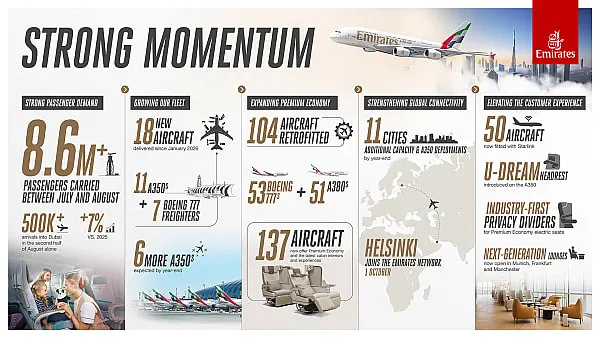
Emirates Winter Booking Momentum Grows Amid Fleet Expansion
Emirates carried 8.6 million passengers this summer and enters winter with strong demand as it accelerates fleet retrofits and network growth.
Air Arabia Consortium Gains AOC for New Dammam Budget Airline
A Saudi GACA-led consortium including Air Arabia has secured an AOC to launch a new budget airline based at Dammam's King Fahd International Airport.
Turkish Airlines Exits Luanda as Angola Hub Struggles
Turkish Airlines dropped its Luanda route as Angola's new airport struggles to attract traffic, handling only 756,028 passengers in 2025.
Red Sea Airlines Leases Two 737 MAX 8s for 2027 Expansion
Red Sea Airlines signed a lease for two Boeing 737 MAX 8 aircraft from SMBC Aviation Capital, arriving in 2027 to support its 14-aircraft fleet goal.
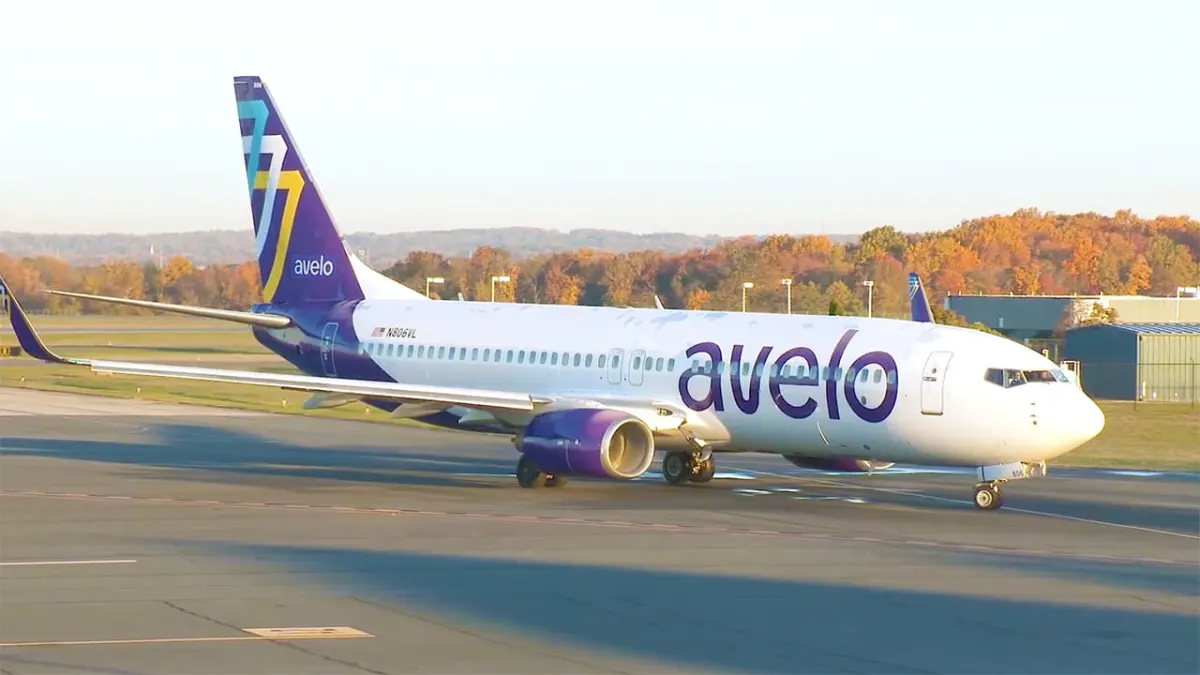
Avelo CEO Warns Airfares May Rise on Jet Fuel Price Spikes
Avelo Airlines CEO Andrew Levy warns that rising fuel costs may force fare increases as global jet fuel prices reach $171.01 per barrel.