Delta A350 Turbulence Injures Four Crew Members on Sydney Descent

Co-Founder & CEOAviation News Editor delivering trusted coverage across the global aviation industry.
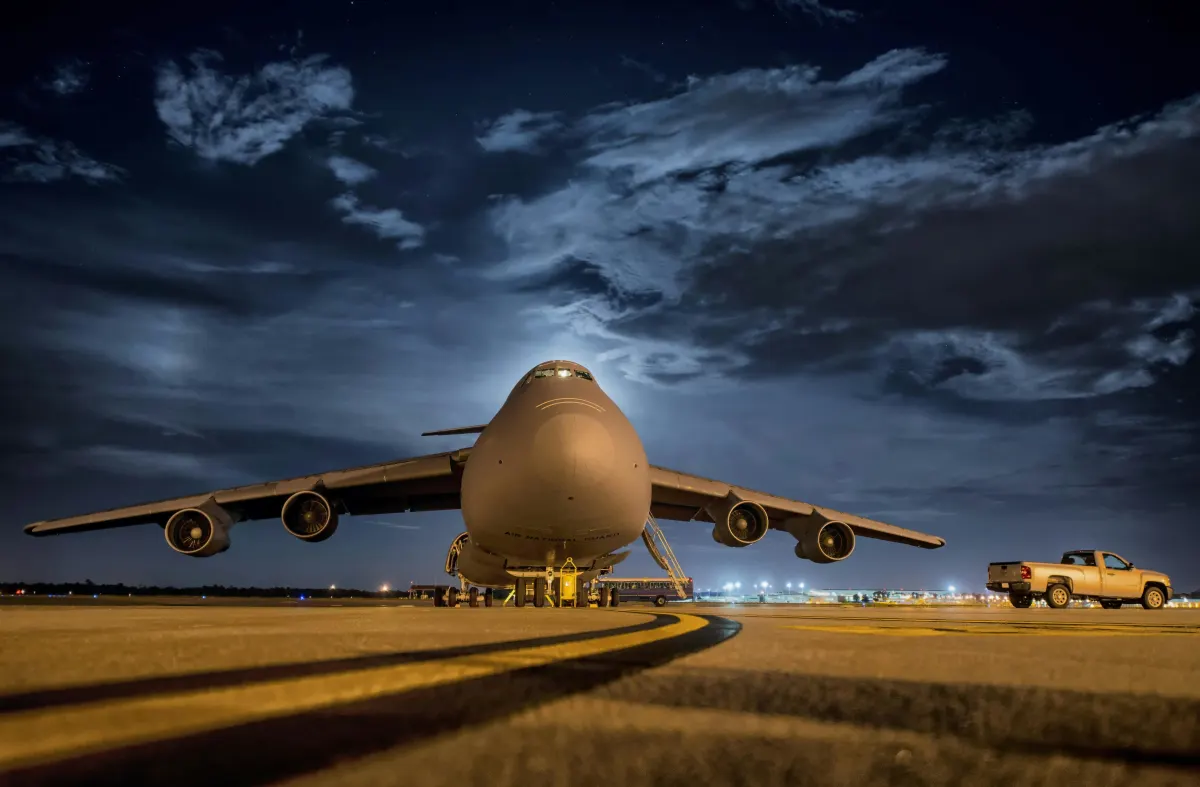
Delta Air Lines Flight 41 experienced severe turbulence on descent into Sydney, injuring four flight attendants and prompting a mandatory safety review.
Key Takeaways
- •Injured four flight attendants during severe turbulence on a Sydney-bound A350.
- •Triggered mandatory incident reports to CASA, the ATSB, and the FAA.
- •Reinforces trend of increasing clear-air turbulence events linked to climate change.
- •Pressures airlines to review cabin service protocols during descent phases.
Four flight attendants were injured after Delta Air Lines Flight 41 encountered a brief period of severe turbulence during its descent into Sydney. The incident, which occurred on March 20, 2026, involved an Airbus A350-900 and resulted in the hospitalization of three crew members. No passengers were harmed.
The event highlights the persistent and growing risk of unforecasted turbulence, particularly for cabin crew who may be unsecured while performing duties during critical phases of flight. It has triggered mandatory safety reporting procedures with both Australian and U.S. aviation regulators and places renewed focus on cabin safety protocols in the context of increasingly volatile atmospheric conditions.
Incident Details
Delta Air Lines Flight 41 was operating from Los Angeles International Airport (LAX) to Sydney Kingsford Smith Airport (SYD) with 245 passengers and 15 crew members on board. According to flight tracking data, the aircraft landed safely at SYD at 6:40 am local time. The turbulence encounter occurred during the final descent phase of the transpacific flight.
Upon arrival, paramedics from the NSW Ambulance Service met the aircraft. Lisa Frow, NSW Ambulance Station Manager at the airport, confirmed that paramedics assessed the injured crew members for "musculoskeletal and lower back concerns." Following the assessment, three of the four injured flight attendants were transported to Royal Prince Alfred Hospital for further evaluation. Delta Air Lines confirmed that the injuries were minor.
In a statement, a Delta spokesperson emphasized the airline's commitment to safety. "Nothing is more important than the safety of our people and our customers, and our priority is taking care of the impacted crew members," the airline stated. The incident will be formally documented in a report to the U.S. Federal Aviation Administration (FAA) and Australian authorities.
Stakeholder and Regulatory Impact
The primary impact is on the Delta Air Lines flight attendants, who sustained direct physical injuries. For the airline's operations, the event necessitates compliance with mandatory incident reporting rules set by the FAA and Australia's Civil Aviation Safety Authority (CASA). It may also lead to short-term crew scheduling adjustments on the LAX-SYD route.
From a regulatory perspective, the Australian Transport Safety Bureau (ATSB), which investigates transport accidents, may review flight data to determine if operational factors or unforecasted weather contributed to the occupational injuries. This type of event falls under regulations governing workplace safety and mandatory incident reporting.
Broader Context: Turbulence and Cabin Safety
This incident is not an isolated event but part of a concerning trend. Scientific studies, including research from the University of Reading, indicate that climate change is altering jet streams, which could cause the frequency of severe clear-air turbulence (CAT) to increase by up to 150% in certain regions. These events occur without visual warning, posing a significant risk to unsecured occupants.
The aviation industry has been on high alert following several recent high-profile turbulence encounters. In May 2024, Singapore Airlines Flight 321 experienced extreme turbulence that resulted in one fatality and over 100 injuries, forcing an emergency landing. That event prompted the airline to immediately suspend hot beverage and meal service whenever the seatbelt sign is illuminated. Similarly, an Air Canada flight to Sydney was diverted to Honolulu in 2019 after severe turbulence injured 37 people.
Technical Analysis
This development reinforces the growing consensus that current cabin safety protocols may be insufficient to mitigate the risks posed by increasingly frequent and severe clear-air turbulence. The incident on Flight 41, occurring during descent, underscores a particularly vulnerable phase of flight when cabin crew are often active preparing the cabin for landing. Unlike the Singapore Airlines SQ321 event, which occurred at cruising altitude, this incident will likely focus regulatory and airline reviews on procedures specific to approach and landing. The data suggests a need for airlines to adopt more conservative policies, potentially mandating that crew are seated and secured earlier in the descent profile, even if it impacts final service routines. This event accelerates the trajectory established by prior incidents, shifting the focus from a reactive response to a proactive mitigation of what is now a recognized occupational hazard.
What Comes Next
Following the incident, a specific regulatory timeline is now in effect. Delta Air Lines is required to submit a mandatory incident report to both CASA and the FAA, a process that is typically completed within 72 hours of the event. Based on this initial report, the ATSB is expected to determine whether a full investigation is warranted and may release a preliminary report as early as April 2026.
Why This Matters
This incident serves as a critical reminder of the tangible impact of atmospheric changes on aviation safety and operations. For airlines and regulators, it reinforces the urgency of developing better turbulence detection technologies and adapting cabin safety protocols to protect both crew and passengers. It highlights the growing occupational risks for flight attendants and may accelerate industry-wide changes to service procedures during the final phases of flight.
Access up-to-date commercial aviation news and airline industry developments via omniflights.com. Discover how innovation is shaping aviation through aircraft systems, avionics, and digital tools at omniflights.com/technology.

Written by Hardik Vishwakarma
Co-Founder & Aviation News Editor leading initiatives that improve trust and visibility across the global aviation industry. Covers airlines, airports, safety, and emerging technology.
Visit ProfileYou Might Also Like
Discover more aviation news based on similar topics

Flydubai FZ1073: Co-pilot Used Axe in Hijacking Attempt
A co-pilot on Flydubai Flight FZ1073 attacked the captain with a crash axe, triggering an attempted hijacking investigation by the UAE authorities.

FlyDubai FZ1073 Co-Pilot Had Prior Extremism Concerns
FlyDubai flight FZ1073 co-pilot Hamam Al-Hammami, who attacked his captain with an ax, was previously barred from Oman Air for extremist views.

Flydubai FZ1073: Pilot Attempted Terrorist Act, UAE Says
Flydubai flight FZ1073 was targeted in an attempted terrorist act by co-pilot Hamam al-Hammami, who was subdued by the captain during the flight.
Flydubai FZ1073 Cockpit Attack: Inside the Terror Attempt
Flydubai flight FZ1073 diverted to Tabuk after co-pilot Hamam al-Hammami attacked Captain Smit Machchhar in a confirmed terrorist act.
21 Air 767 Crash: NTSB Report Details Fatal MIA Overrun
The NTSB preliminary report on the 21 Air 767 crash at Miami International Airport confirms five ground fatalities following a late, high-speed landing.
Flydubai FZ1073 Hijacker Flagged as Security Risk by Oman
A Flydubai co-pilot accused of attempting to crash flight FZ1073 had been previously barred from flying in Oman due to extremist concerns.