Delta A330 Returns to São Paulo After Engine Fire on Takeoff

Co-Founder & CEOAviation News Editor delivering trusted coverage across the global aviation industry.
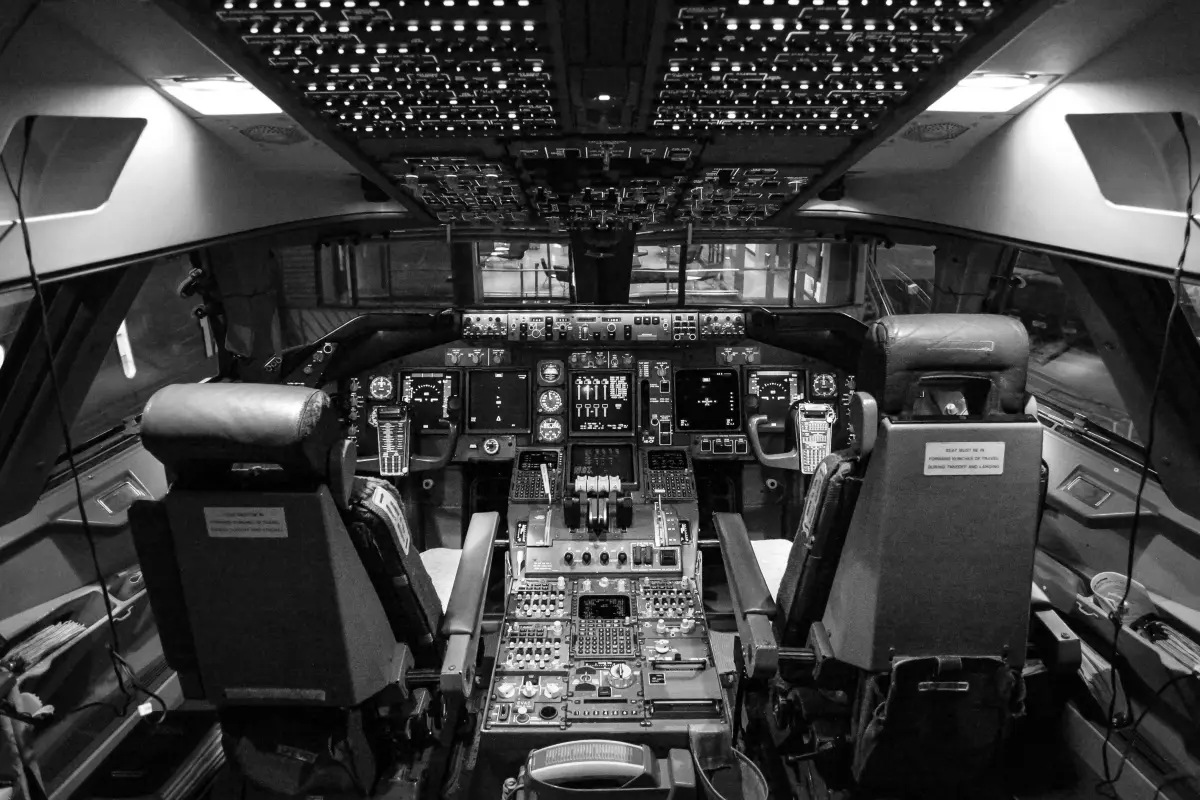
A Delta A330 bound for Atlanta made an emergency return to São Paulo after its left engine failed and caught fire, grounding 272 passengers.
Key Takeaways
- •Returned safely to São Paulo after an uncontained failure and fire in its left engine.
- •Affected 272 passengers and 14 crew, causing 28 cancellations and 14 diversions at GRU.
- •Triggers a formal investigation by Brazil's CENIPA into the Pratt & Whitney PW4000 engine.
- •Echoes the 2021 United Flight 328 failure, which also involved a PW4000 series engine.
A Delta Air Lines flight bound for Atlanta returned to São Paulo/Guarulhos International Airport (GRU) on March 29, 2026, after experiencing an uncontained failure and fire in its left engine shortly after takeoff. The aircraft, an Airbus A330-300 operating as Flight 104, landed safely with 272 passengers and 14 crew members on board. The incident has triggered an investigation by Brazilian authorities and places renewed focus on the reliability of engines powering aging widebody fleets.
The event caused significant operational disruption at GRU, South America's busiest airport. According to GRU Airport Operations, the temporary runway closure and emergency response led to 28 flight cancellations and 14 diversions. The flight crew declared an emergency after the Pratt & Whitney PW4168A engine failed during the initial climb. Data from Flightradar24 ADS-B tracking shows the aircraft halted its ascent at approximately 4,500 feet before turning back for a safe overweight landing. Aircraft Rescue and Firefighting (ARFF) crews met the aircraft on the runway to extinguish the fire.
Investigation and Potential Causes
Brazil's Centro de Investigação e Prevenção de Acidentes Aeronáuticos (CENIPA) is leading the investigation, consistent with International Civil Aviation Organization Annex 13 protocols. The U.S. Federal Aviation Administration and engine manufacturer Pratt & Whitney are providing technical support. Investigators will analyze the engine to determine the root cause, with initial possibilities including mechanical fatigue, a bird strike, or the ingestion of Foreign Object Debris (FOD). An alternative perspective, noted by local aviation media, suggests a bird strike is a strong possibility, as another aircraft crew reportedly sighted birds in the vicinity minutes before the incident.
The aircraft involved is a 19-year-old Airbus A330-300, registration N813NW, delivered in 2006. The incident highlights a broader industry trend of heightened scrutiny on the maintenance and reliability of older engines. According to industry data, Delta operates 31 A330-300s with an average age of 17.2 years, many powered by the Pratt & Whitney 4000 (PW4000) series engines. Compounding this scrutiny, the GRU engine failure occurred just 48 hours after another Delta aircraft, a Boeing 737-900, diverted to Richmond, VA, following an engine issue.
Historical Precedent: United Flight 328
The circumstances of the Delta Flight 104 failure draw parallels to a high-profile incident in February 2021. In that event, United Airlines Flight 328, a Boeing 777, suffered an uncontained failure of its PW4000-112 engine over Denver, Colorado, scattering debris over populated areas. That incident resulted in the temporary grounding of the aircraft type and led to mandated, intensified inspections of the engine's fan blades. The outcome of the UA328 investigation—which focused on metal fatigue—provides a potential framework for the regulatory response CENIPA and the FAA may consider for the A330's PW4000 variant if a similar mechanical cause is identified.
Technical Analysis
This event, especially when viewed alongside the recent United 328 precedent, signals a critical juncture for operators of aircraft equipped with mature PW4000 series engines. The pattern suggests that regulatory bodies may be moving toward a lower tolerance for in-service failures on older powerplants, potentially accelerating inspection mandates that increase maintenance costs and decrease aircraft availability. For stakeholders like Delta Air Lines, it poses a direct challenge to operational reliability and maintenance planning for its legacy widebody fleet. For Pratt & Whitney, it represents a significant reputational risk and could trigger costly, fleet-wide service directives if a design or material defect is found to be a contributing factor. The incident reinforces a structural shift where the economic benefits of extending the life of older aircraft are increasingly weighed against the operational and safety risks of aging engine technology.
What Comes Next
Delta Air Lines confirmed it is working to reaccommodate all affected passengers. In a statement, a spokesperson said, "The safety of our customers and crew is our highest priority. We apologize to our customers for this delay in their travels." The damaged aircraft, N813NW, remains on the ground at GRU pending the completion of the on-site investigation and engine replacement.
Looking ahead, CENIPA is expected to release its preliminary report on the incident by May 2026. Based on those initial findings, the FAA could issue an Airworthiness Directive (AD) for the PW4000 engine variant used on the A330, with industry sources suggesting a potential directive in Q3 2026, although no timeline has been officially confirmed. The flight path and return can be reviewed on services like FlightAware.
Why This Matters
This incident transcends a single flight emergency; it serves as a critical data point in the ongoing industry assessment of aging aircraft systems. The investigation's outcome could have significant financial and operational consequences for airlines flying older A330s and for Pratt & Whitney, potentially leading to mandated inspections or modifications across a global fleet. For the aviation industry, it reinforces the delicate balance between extending the economic life of reliable aircraft and managing the heightened risks associated with mature engine technology.
omniflights.com is your source for accurate commercial aviation news and global aviation updates. Discover how innovation is shaping aviation through aircraft systems, avionics, and digital tools at omniflights.com/technology.
Written by Hardik Vishwakarma
Co-Founder & Aviation News Editor leading initiatives that improve trust and visibility across the global aviation industry. Covers airlines, airports, safety, and emerging technology.
Visit ProfileYou Might Also Like
Discover more aviation news based on similar topics
Flydubai FZ1073 Hijacker Flagged as Security Risk by Oman
A Flydubai co-pilot accused of attempting to crash flight FZ1073 had been previously barred from flying in Oman due to extremist concerns.
FAA Clears Boeing 737 MAX Software Issue, Resumes MAX 10
The FAA cleared a Boeing 737 MAX software issue after a safety review, allowing the 737 MAX 10 certification process to resume immediately.
Flydubai Flight 1073 Hijacking Attempt Over Jordan
A Flydubai Flight 1073 co-pilot attacked the captain mid-flight on September 30, 2026, forcing passengers to intervene and stabilize the aircraft.

Families Demand DCA Midair Collision Safety Reforms
Families of 67 victims from the 2025 DCA midair collision are pressing Congress for mandatory ADS-B In technology to prevent future aviation tragedies.
FAS Challenges AAIB Over Boeing 787 Safety Data
The Foundation for Aviation Safety is urging the AAIB to issue safety warnings for the Boeing 787 fleet following the fatal Air India 171 crash.
NTSB Safety Recommendations Lag Amid 6 Monthly Near-Misses
Approximately 6 near-miss incidents occur monthly at U.S. airports as 270 NTSB safety recommendations remain unaddressed by federal regulators.