Delta A321neo Lands at JFK After Reported Tire Issue

Co-Founder & CEOAviation News Editor delivering trusted coverage across the global aviation industry.
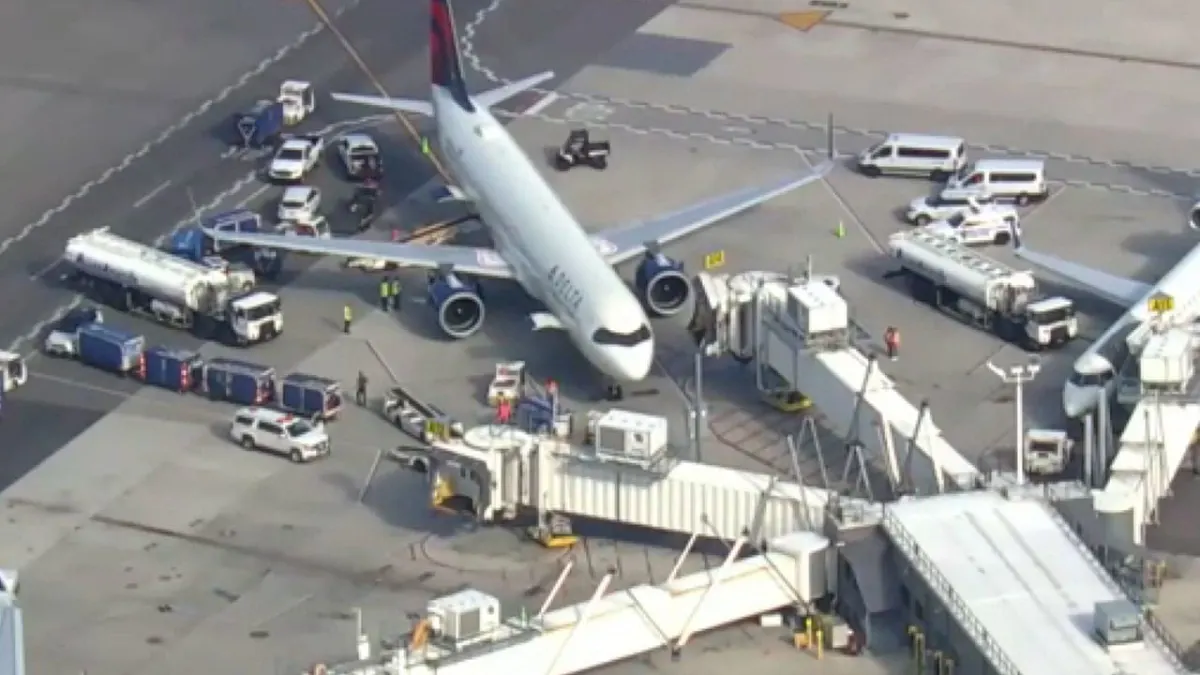
Delta Flight 1966 landed safely at JFK with 170 passengers after a minor nose gear tire issue triggered a large, precautionary emergency response.
Key Takeaways
- •Delta Flight 1966 landed safely at JFK with 170 passengers.
- •FDNY deployed 141 personnel in a precautionary standby response.
- •Delta confirmed the incident was minor nose gear tread wear.
- •FAA and Delta will conduct a routine safety review by Q3 2026.
A Delta Air Lines flight arriving at New York’s John F. Kennedy International Airport (JFK) on June 16, 2026, initiated a significant emergency response after reporting a potential landing gear malfunction. Delta Flight 1966, operated by an Airbus A321neo (A321 New Engine Option), was arriving from San Juan with 170 passengers and 6 crew members on board when the flight crew reported a suspected tire issue to air traffic control.
The Emergency Response
The report of potential landing gear trouble triggered a mandatory "standby second alarm" under the Airport Emergency Plan (AEP) Protocols established by the Port Authority of New York and New Jersey and the Federal Aviation Administration (FAA). The Fire Department of the City of New York (FDNY) deployed 141 personnel and 46 units to the runway. The aircraft landed safely at approximately 5:06 PM, and the flight crew taxied the aircraft to the gate without further incident. There were no injuries reported among the 170 passengers or 6 crew members.
Differing Perspectives on Operational Risk
Following the landing, Delta Air Lines clarified that the issue was limited to minor tread wear on one nose gear tire, rather than the reported flat tires. The airline characterized the massive FDNY deployment as "much more precautionary than necessary." This highlights a recurring tension in aviation safety: while airlines often emphasize operational efficiency, municipal fire departments maintain that they must treat any landing gear anomaly as a potential precursor to a catastrophic runway excursion, such as the 2016 FedEx Flight 910 incident in Fort Lauderdale where a gear collapse resulted in a fire.
Maintenance and Regulatory Oversight
Delta TechOps personnel performed an immediate post-flight inspection of the A321neo nose gear. Maintenance teams were tasked with assessing the tire assembly and performing a replacement to meet safety standards. The incident falls under the purview of FAA Advisory Circular 20-97B, which outlines the specific maintenance and inspection requirements for aircraft tire inflation, tread wear, and damage tolerances. As of early 2026, Delta operates 87 active A321neo aircraft, with an additional 102 units on firm order.
Technical Comparison: A321neo vs A320neo Landing Gear
| Metric | Airbus A321neo | Airbus A320neo |
|---|---|---|
| Nose Gear Tire Size | 30x8.8R15 (16 Ply) | 30x8.8R15 (16 Ply) |
| Main Gear Tire Size | 1270x455R22 (30-32 Ply) | 46x17R20 (30 Ply) |
| Typical Main Gear Pressure | ~228 psi | ~200 psi |
Analyzing the Response Protocol
This event underscores the limitations of real-time telemetry in aviation. Despite the advanced sensors onboard modern narrow-body aircraft, ground responders often lack granular data during the critical approach phase. Consequently, emergency services rely on initial pilot reports, which can be ambiguous. Historically, as seen in the 2008 Learjet 60 accident in Columbia, South Carolina, failure to account for tire integrity can lead to fatal runway excursions. This precedent reinforces why the FDNY and other airport emergency services adhere to strict, automated, and often high-scale deployment protocols regardless of the final outcome.
Pending Safety Review
In the coming months, the incident will undergo a routine review as part of the standard FAA and airline safety assessment process. This review is expected to conclude by Q3 2026. The data collected from this event, including the technical assessment of the tire tread, will be logged in the NTSB Investigations Database for historical reference. For further technical specifications regarding the A321neo fleet, Delta's official fleet overview provides additional configuration data. Maintenance standards and operational practices are governed by FAA Advisory Circulars, which remain the primary reference for safety compliance in these instances.
Why This Matters for Airport Operations
For JFK ground operations, the incident required the coordination of runway staging during the busy late-afternoon window, impacting ground traffic flow. While the deployment of 141 personnel represents a significant short-term resource shift for the FDNY, the incident serves as a reminder of the rigid safety architecture required to manage the risks inherent in commercial aviation. For passengers, the event highlights the layers of redundancy—from flight crew reporting to ground emergency staging—that ensure safety even when minor mechanical issues arise.
Frequently Asked Questions
- What caused the emergency response for Delta Flight 1966 at JFK?
- The flight crew reported a potential nose gear tire issue, which triggered a mandatory standby second alarm under airport emergency protocols. Delta Air Lines later clarified that the issue was limited to minor tread wear rather than a blowout.
- How many personnel did the FDNY deploy to the airport for this incident?
- The Fire Department of the City of New York deployed 141 personnel across 46 units to the airport as part of their standard precautionary standby procedure.
Visit omniflights.com for the latest commercial aviation news and airline industry updates. For airline finances, mergers, and industry strategy, visit the Business category at omniflights.com/business.
Written by Hardik Vishwakarma
Co-Founder & Aviation News Editor leading initiatives that improve trust and visibility across the global aviation industry. Covers airlines, airports, safety, and emerging technology.
Visit ProfileYou Might Also Like
Discover more aviation news based on similar topics

Families Demand DCA Midair Collision Safety Reforms
Families of 67 victims from the 2025 DCA midair collision are pressing Congress for mandatory ADS-B In technology to prevent future aviation tragedies.
FAS Challenges AAIB Over Boeing 787 Safety Data
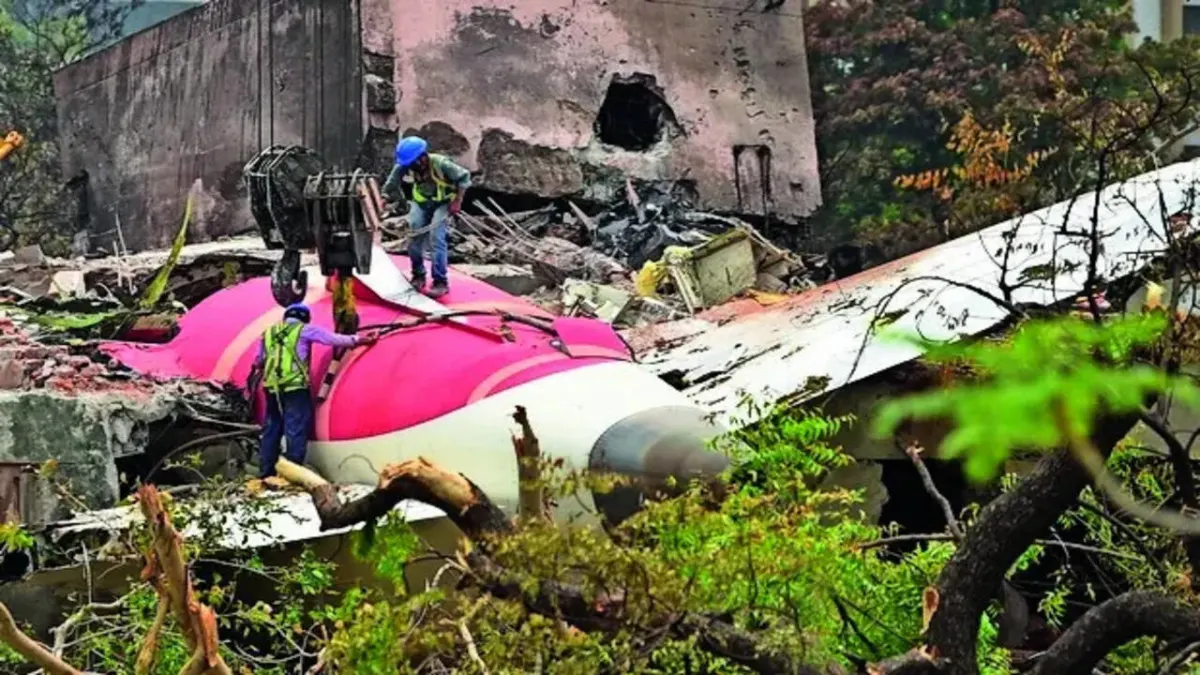
The Foundation for Aviation Safety is urging the AAIB to issue safety warnings for the Boeing 787 fleet following the fatal Air India 171 crash.
NTSB Safety Recommendations Lag Amid 6 Monthly Near-Misses
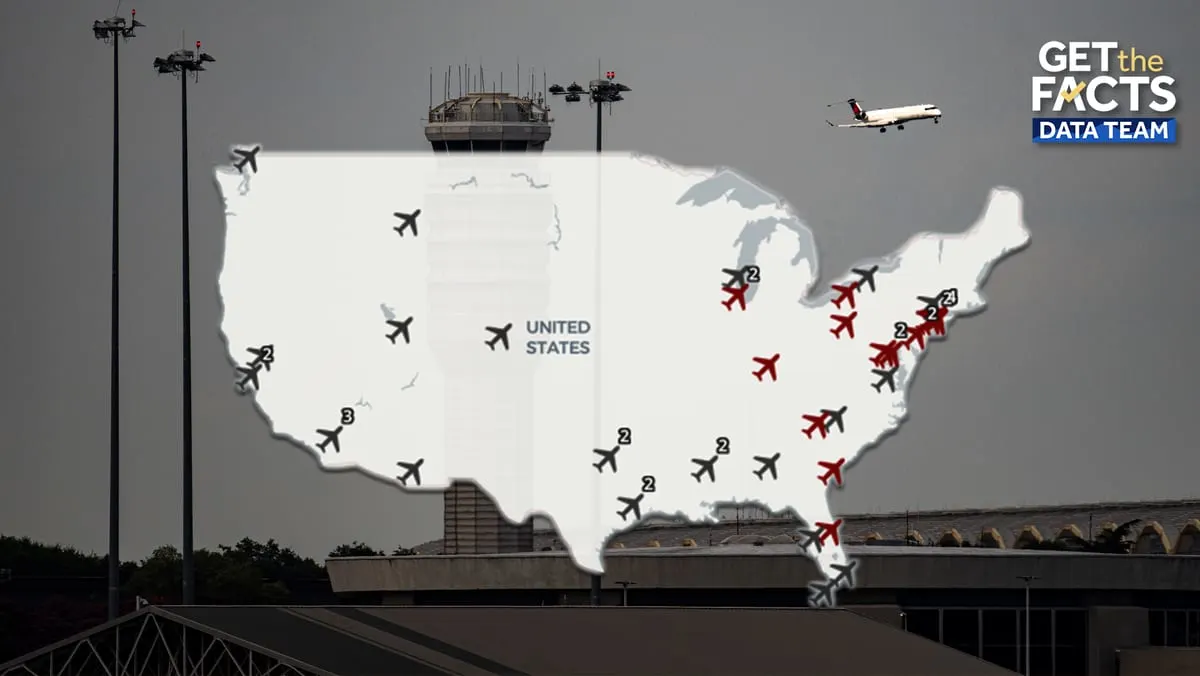
Approximately 6 near-miss incidents occur monthly at U.S. airports as 270 NTSB safety recommendations remain unaddressed by federal regulators.
NTSB Rejects FAA Safety Responses After 67-Fatality Crash
The NTSB labeled 11 FAA responses to 2025 DCA mid-air collision recommendations as unacceptable, citing the lack of a mandatory ADS-B In requirement.
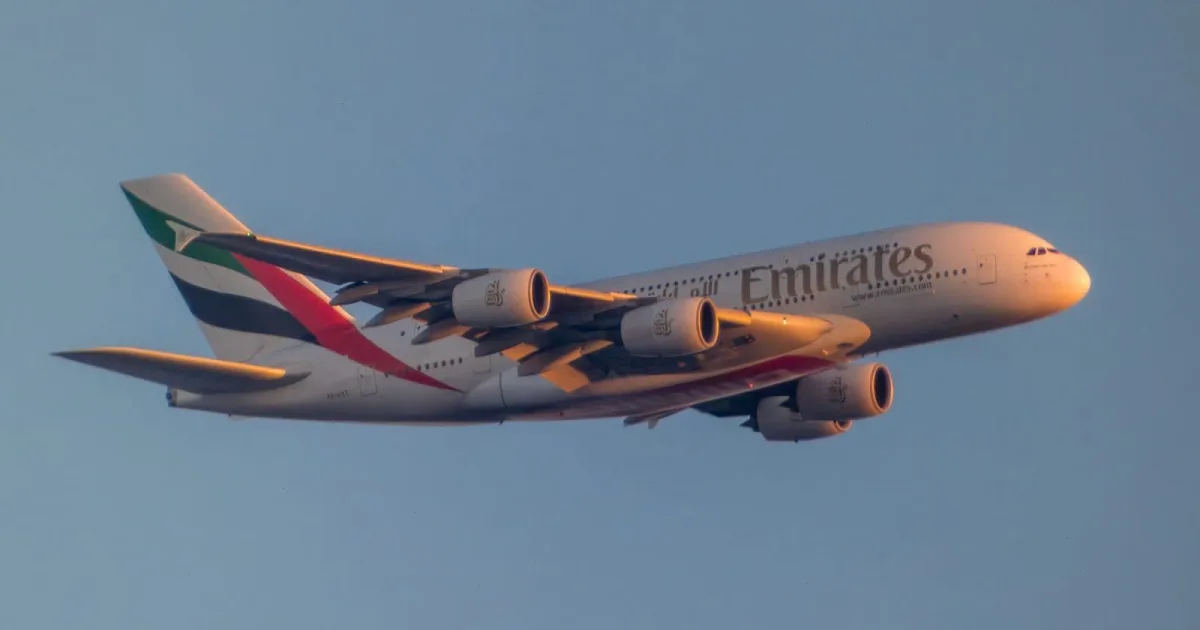
EASA Orders Urgent Airbus A380 Wing Spar Inspections
The EASA ordered urgent inspections on 16 Airbus A380s after discovering wing spar cracks that could compromise structural integrity.
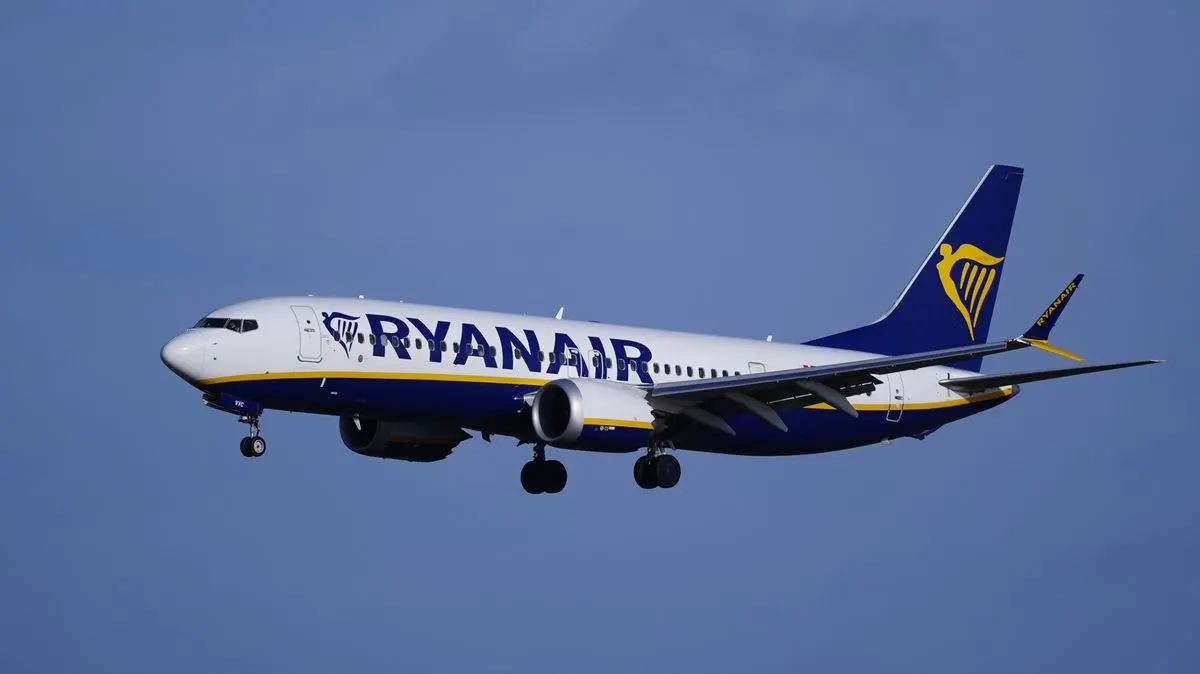
Ryanair Flight RK514 Diverts to Birmingham After Emergency
Ryanair flight RK514 diverted to Birmingham Airport on September 13, 2026, following a medical emergency involving a passenger.