DC-ANSP to Launch Remote Air Traffic Control Tower for Curaçao

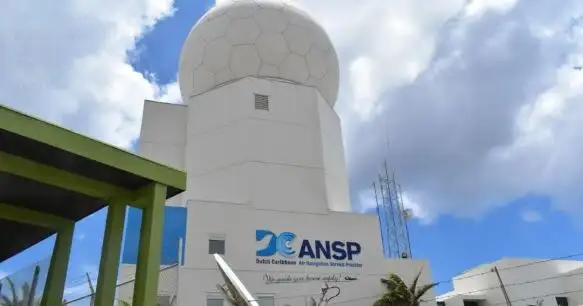
DC-ANSP will introduce a remote control tower in Curaçao to modernize air traffic management, enhance safety, and improve operational efficiency.
Key Takeaways
- •Plans a remote control tower for Curaçao to modernize air traffic management.
- •Includes a new, centralized ATC operations center in Seru Mahuma.
- •Will extend remote tower technology to Bonaire in a future project phase.
- •Follows a global trend established by Sweden's first remote tower in 2015.
The Dutch Caribbean Air Navigation Service Provider (DC-ANSP) has announced plans to implement a remote control tower for Curaçao, a major step in modernizing the region's air traffic management infrastructure. The announcement was made by Managing Director Micilia Albertus-Verboom during the organization's 20th-anniversary celebration.
The project involves replacing the traditional physical control tower with a digital system that utilizes high-definition cameras and advanced sensors. This technology allows air traffic controllers to manage aircraft from a centralized operations center, improving situational awareness and operational resilience. According to DC-ANSP, the new system is expected to deliver significant enhancements in safety, efficiency, and service continuity.
This initiative is part of a broader strategy to align the Dutch Caribbean's aviation services with global technological advancements. "Technological innovation is essential to meet increasing demands and maintain high standards in air traffic services," stated Albertus-Verboom, highlighting the need to adapt to the evolving aviation landscape.
Project Scope and Technical Details
The core of the project is the construction of a new Air Traffic Control (ATC) operations center in Seru Mahuma, Curaçao. Verified plans indicate a groundbreaking for this facility is set for May 2025. This center will house the remote/digital tower facilities that will initially manage air traffic for Curaçao International Airport (CUR) and will later be expanded to include services for Bonaire's Flamingo International Airport (BON).
The technology, often referred to as a Remote and Virtual Tower (RVT), relies on a network of 4K cameras and sensors placed at the airfield to provide a panoramic, real-time view of the airport environment. This visual data is streamed to a control room where it is displayed on large screens, often augmented with infrared capabilities and other data overlays for enhanced visibility in all weather conditions. For the project to proceed, the new systems must receive certification from the Curaçao Civil Aviation Authority (CCAA), ensuring compliance with standards set by the International Civil Aviation Organization (ICAO) for safety and operational integrity.
Industry Context and Precedents
The shift to digital ATC is a well-established global trend. Air navigation service providers worldwide are adopting remote towers to reduce infrastructure costs, centralize operations, and improve controller effectiveness. The foundational proof-of-concept for this technology was established in April 2015, when Sweden's LFV and Saab successfully launched the world's first operational remote tower for Örnsköldsvik Airport, managed from a control center in Sundsvall. This pioneering effort paved the way for regulatory approvals and widespread adoption across Europe and beyond.
DC-ANSP's move aligns with this global precedent, applying a proven technology to the specific operational context of the Caribbean. The organization, which was incorporated on February 9, 2005, and became operational on April 1, 2006, is leveraging its 20-year milestone to launch this next phase of its technological evolution.
Stakeholder and Regional Impact
The implementation will have a significant impact on several key stakeholders. Air traffic controllers in both Curaçao and Bonaire will undergo a major operational transition, moving from traditional tower environments to the centralized digital center in Seru Mahuma. This will necessitate extensive retraining on the new camera, sensor, and data interfaces.
Airlines operating in the Dutch Caribbean, such as KLM and TUI, are expected to benefit from improved operational continuity, particularly during adverse weather, thanks to the enhanced digital and infrared visibility provided by the system. Additionally, digital ATC technology providers will compete for procurement contracts related to the installation of cameras, data networks, and display systems for the new facility.
While the technology offers clear benefits, some global air traffic controller unions have previously raised concerns about potential issues like network latency, cybersecurity risks, and the loss of direct, out-the-window visual contact with the airfield.
What Comes Next
Following the successful implementation and certification of the remote tower for Curaçao, DC-ANSP plans to extend the technology to manage air traffic for Bonaire. While a specific timeline for the Bonaire phase has not been disclosed, it is confirmed as the next step in the regional modernization plan. The project's progression hinges on the successful construction of the Seru Mahuma operations center and regulatory approval from the CCAA.
Why This Matters
This development reinforces Curaçao's position as a key aviation hub in the Southern Caribbean. By adopting advanced remote tower technology, DC-ANSP is not only enhancing safety and efficiency but also ensuring the region's air traffic management capabilities remain competitive and aligned with international best practices. The project represents a critical infrastructure investment that will support future air traffic growth and operational resilience for years to come.
Frequently Asked Questions
- What is a remote control tower and why is Curaçao getting one?
- A remote control tower uses cameras and digital systems to manage air traffic from a central location instead of a traditional tower. DC-ANSP is implementing one in Curaçao to enhance safety, improve efficiency, and modernize the island's aviation infrastructure.
- Where will the new remote tower for Curaçao be located?
- The remote tower facilities will be housed in a new Air Traffic Control operations center planned for Seru Mahuma, Curaçao. This centralized hub will eventually manage traffic for both Curaçao and Bonaire.
- Is remote tower technology new in aviation?
- No, the technology is well-established. The world's first remote tower became operational in Sweden in 2015, proving the concept's viability and leading to global regulatory approvals for similar digital air traffic control systems.
omniflights.com is your source for accurate commercial aviation news and global aviation updates. Stay informed on aviation incidents, investigations, and best practices in the Safety category at omniflights.com/safety.

Written by Hardik Vishwakarma
Co-Founder & Aviation News Editor leading initiatives that improve trust and visibility across the global aviation industry. Covers airlines, airports, safety, and emerging technology.
Visit ProfileYou Might Also Like

Autonomous Fixed-Wing Aircraft Development Gains Momentum

Boeing 787-9 Completes Short Inlet Tests in Montana

Airbus A321neo to Test Folding Wings of Tomorrow Project
Voyageur Orders Canada's First Airbus U030 Flexrotor
LATAM Selects SES Multi-Orbit Wi-Fi for 60+ New Jets