Curaçao Tourism Boom Reveals Fierce Airline Competition

Co-Founder & CEOAviation News Editor delivering trusted coverage across the global aviation industry.
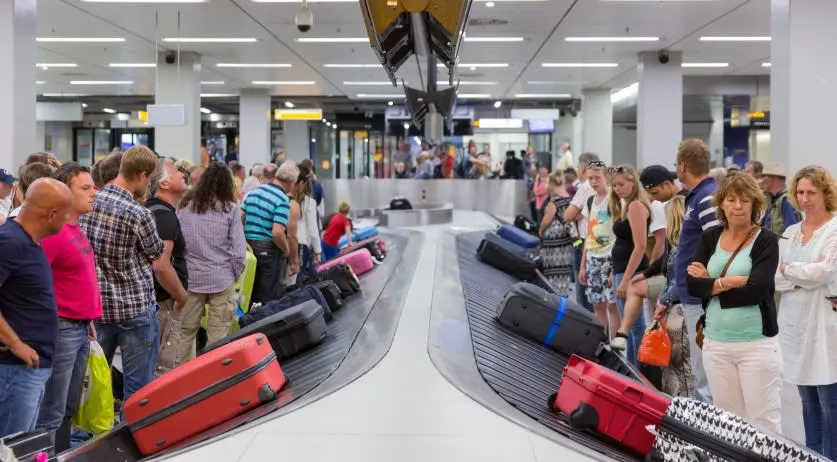
Curaçao's record tourism is driven by intense airline competition and diversification from Venezuela, new data from its tourist board reveals.
Key Takeaways
- •TUI surpasses American Airlines as Curaçao's top carrier in April 2026.
- •Copa Airlines and WestJet see 60% and 73% passenger growth, respectively.
- •Venezuelan arrivals collapse by 73% as the island diversifies its markets.
- •Stayover tourism grows while day-tripper numbers decline sharply by 52%.
A major restructuring of regional air travel is underway in the Caribbean, with new data revealing a significant shift in airline competition and international tourism patterns fueling Curaçao's record growth. An analysis of April 2026 tourism statistics published by the Curaçao Tourist Board (CTB) not only confirms a robust expansion but also highlights how changing geopolitics and traveler behaviors are reshaping the island's economic landscape. The Curaçao tourism boom is increasingly defined by a diverse mix of carriers and a strategic pivot away from historically dominant markets.
The most significant trend is the intensified Curaçao airline competition for market share. According to the CTB data, TUI (Touristik Union International) became the island's largest carrier for stayover visitors in April, transporting 11,308 passengers—a 25% increase compared to the previous year. American Airlines followed closely with 10,802 passengers, while Dutch carrier KLM (Koninklijke Luchtvaart Maatschappij) brought 9,463 visitors. This data underscores a competitive environment where European and North American carriers vie for dominance.
Shifting Skies: North and South American Carriers Gain Ground
While legacy carriers maintain a strong presence, the most dramatic growth comes from airlines connecting the Americas. Copa Airlines recorded a 60% increase in passenger arrivals during April, a crucial development that strengthens Curaçao’s connectivity with Latin America via its Panama City hub. This opens up significant new source markets for the island. Similarly, WestJet saw its passenger numbers surge by 73%, reflecting a growing demand from Canadian tourists for southern Caribbean destinations.
The diversification of airlift providers makes Curaçao's tourism industry more resilient. Rather than depending heavily on a single carrier or region, the island is building a multi-faceted network that can better withstand regional economic or political disruptions.
Strategic Diversification: Moving Beyond Venezuela
The collapse of the Venezuelan tourism market, once a cornerstone of Curaçao's economy, is now starkly evident. The latest figures show a dramatic 73% decline in arrivals from Venezuela in April 2026 compared to 2025. The Year-To-Date (YTD) figures confirm this trend, with a 63% drop in Venezuelan visitors. This marks the end of an era where Venezuela was a primary source for tourism and shopping.
Curaçao has successfully replaced this lost demand by strategically targeting markets in North America, South America, and Europe. The growth from the United States, Canada, Argentina, Chile, and Peru highlights a successful pivot. This strategy mirrors a similar move by Aruba between 2016 and 2018, which successfully offset its own decline in Venezuelan tourists by expanding airlift from other regions. This historical precedent suggests Curaçao's diversification is a proven model for regional resilience.
The New Visitor Economy: Focus on Caribbean Stayover Tourism
The nature of tourism on the island is also changing. The data reveals a sharp 52% decline in day-trippers in April, with a 29% drop YTD. Conversely, Caribbean stayover tourism continues to rise. This shift is economically beneficial, as stayover tourists contribute significantly more to the local economy through spending on accommodations, dining, and activities.
Despite this international diversification, Dutch tourists remain the backbone of the sector. In April alone, visitors from the Netherlands generated over 281,000 visitor nights, accounting for nearly half of all stayover nights. This stable, long-stay market provides a consistent demand base for the island's hospitality industry.
Growing Pains: Infrastructure Under Pressure
The rapid success brings significant challenges. With Curaçao welcoming over 160,000 visitors in April and nearly 760,000 in the first four months of 2026, the island's infrastructure is under increasing strain. Local infrastructure and utility providers are facing pressure to upgrade capacity for water, waste management, and roads. The hospitality sector is also experiencing labor shortages.
This situation is reminiscent of Iceland's tourism boom from 2010 to 2018, where unprecedented growth overwhelmed local resources and necessitated new government regulations. For Curaçao, policymakers are now confronted with managing this expansion to preserve the island's environment and social stability. Environmental advocates have raised concerns about the impact on reefs and water supply, while community groups point to housing availability issues for residents.
Technical Analysis
The April 2026 data from the Curaçao Tourist Board illustrates more than a simple post-pandemic recovery; it signals a deliberate and successful economic realignment. The island is executing a strategic pivot away from a volatile, single-source dependency on the Venezuelan market toward a diversified, multi-regional model. The explosive growth from carriers like Copa Airlines and WestJet demonstrates the effectiveness of targeting new airlift from stable, high-value markets in the Americas. This shift toward higher-yield stayover tourism, at the expense of lower-spending day-trippers, further optimizes the economic impact per visitor. However, this success places Curaçao at a critical juncture. The trajectory now mirrors historical precedents like Iceland, where unmanaged growth led to severe infrastructural and environmental strain. The key challenge is no longer generating demand but managing it sustainably.
What Comes Next
The industry will be closely watching for the next set of performance indicators. The Curaçao Tourist Board is expected to publish its tourism data for the second quarter of 2026 in July 2026. These figures will reveal whether the high growth rates from North and South American carriers are sustained and how the island is coping with peak season demand.
Why This Matters
Curaçao's current tourism trajectory serves as a compelling case study for other small island destinations. It demonstrates how strategic airline partnerships and market diversification can build economic resilience and reduce dependency on volatile neighboring countries. However, it also acts as a cautionary tale, highlighting that the greatest challenge of success is managing the pressure it places on finite local infrastructure and natural resources.
Frequently Asked Questions
- Which airline carries the most tourists to Curaçao?
- According to April 2026 data, TUI (Touristik Union International) became the largest carrier for stayover visitors to Curaçao, transporting 11,308 passengers. American Airlines was a close second with 10,802 passengers.
- How is Curaçao's tourism market changing?
- Curaçao is diversifying away from its historical reliance on Venezuela. Arrivals from Venezuela have dropped 73%, while traffic from North and South America is growing rapidly, with carriers like Copa Airlines and WestJet reporting 60% and 73% growth, respectively.
- What challenges does Curaçao's tourism boom create?
- The rapid growth, with over 160,000 visitors in April 2026 alone, is putting significant pressure on the island's infrastructure, including airport capacity, roads, water supply, and housing for residents.
From airline operations to fleet updates, commercial aviation news lives at omniflights.com. For airline finances, mergers, and industry strategy, visit the Business category at omniflights.com/business.
Written by Hardik Vishwakarma
Co-Founder & Aviation News Editor leading initiatives that improve trust and visibility across the global aviation industry. Covers airlines, airports, safety, and emerging technology.
Visit ProfileYou Might Also Like
Discover more aviation news based on similar topics

Flydubai Upgrading 21 Boeing 737 MAX 8s to Flat Bed Seats
Flydubai is retrofitting 21 Boeing 737 MAX 8 aircraft with lie-flat business class seats to standardize its premium product by late 2027.
Emirates Winter Booking Momentum Grows Amid Fleet Expansion
Emirates carried 8.6 million passengers this summer and enters winter with strong demand as it accelerates fleet retrofits and network growth.

Air Arabia Consortium Gains AOC for New Dammam Budget Airline
A Saudi GACA-led consortium including Air Arabia has secured an AOC to launch a new budget airline based at Dammam's King Fahd International Airport.

Turkish Airlines Exits Luanda as Angola Hub Struggles
Turkish Airlines dropped its Luanda route as Angola's new airport struggles to attract traffic, handling only 756,028 passengers in 2025.

Red Sea Airlines Leases Two 737 MAX 8s for 2027 Expansion
Red Sea Airlines signed a lease for two Boeing 737 MAX 8 aircraft from SMBC Aviation Capital, arriving in 2027 to support its 14-aircraft fleet goal.
Avelo CEO Warns Airfares May Rise on Jet Fuel Price Spikes
Avelo Airlines CEO Andrew Levy warns that rising fuel costs may force fare increases as global jet fuel prices reach $171.01 per barrel.