Coast Guard Challenges FAA DCA Airspace Safety Rules

Co-Founder & CEOAviation News Editor delivering trusted coverage across the global aviation industry.
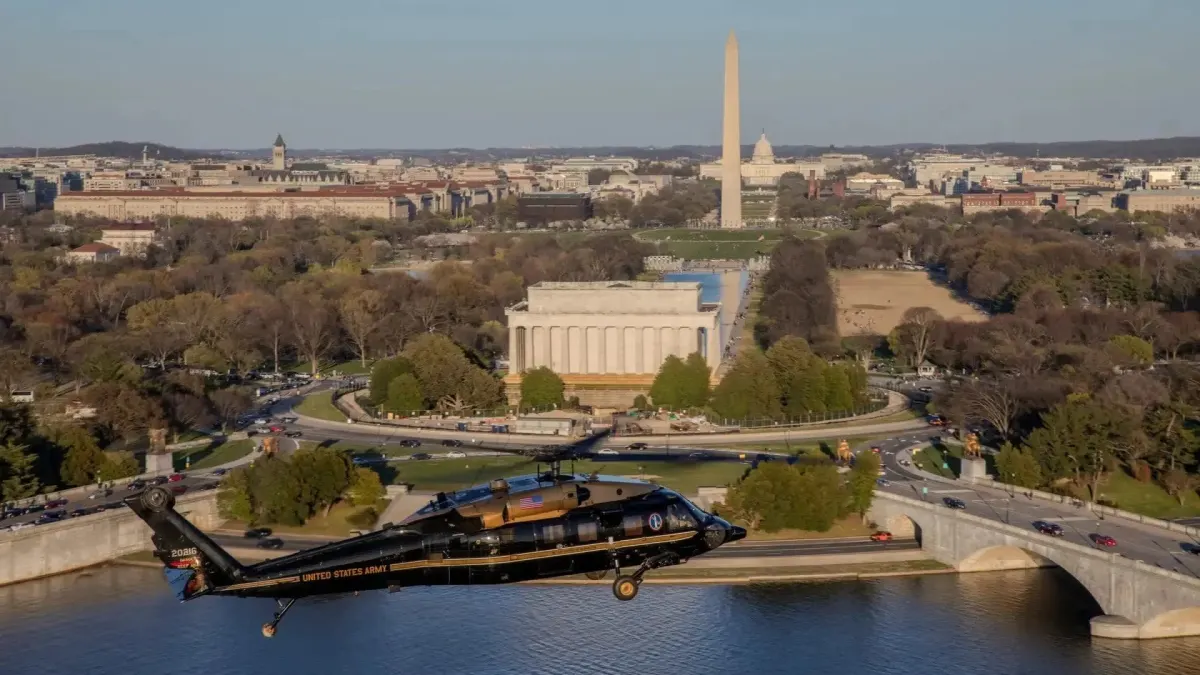
The U.S. Coast Guard reports that FAA changes to DCA airspace, following a 2025 midair collision, have inadvertently increased helicopter collision risks.
Key Takeaways
- •USCG claims new DCA airspace rules increase helicopter collision risks.
- •FAA rules follow a January 2025 collision that killed 67 people.
- •New corridors concentrate rotorcraft, complicating visual separation maneuvers.
- •FAA is reviewing mixed-traffic risks in eight other major U.S. cities.
Interagency Conflict Over Airspace Design
The U.S. Coast Guard (USCG) has publicly challenged the efficacy of recent Washington DCA airspace changes, arguing that new federal regulations intended to enhance safety have created unintended hazards for rotorcraft operators. During a June 2026 meeting of the Transportation Research Board (TRB), pilots from the Coast Guard’s National Capital Region air defense unit contended that the Federal Aviation Administration (FAA) mandates have merely displaced risk rather than mitigating it.
The current regulatory environment stems from the Flight Restrictions in the Vicinity of Ronald Reagan Washington National Airport (DCA), an interim final rule published on January 23, 2026. This regulation permanently restricts non-essential helicopter operations along the Potomac River corridor to prevent conflicts with fixed-wing commercial traffic. These measures were enacted following the DCA25MA108.aspx - NTSB investigation into a January 29, 2025, midair collision between an American Airlines regional jet and a U.S. Army Black Hawk helicopter, which resulted in 67 fatalities.
Operational Impacts and Safety Concerns
While the FAA maintains that the new rules significantly improve safety by separating heavy commercial airliners from light rotorcraft, Coast Guard representatives argue the policy forces all helicopter traffic into narrower, congested corridors. Commander Nate Rhodes, who leads the Coast Guard helicopter unit based at Ronald Reagan Washington National Airport (DCA), stated that the concentration of aircraft makes maintaining visual separation between rotorcraft increasingly difficult. According to the USCG, these FAA helicopter safety rules exacerbate the danger of helicopter-on-helicopter collisions and increase the potential for Controlled Flight Into Terrain (CFIT) as pilots navigate new, low-altitude transition routes.
The Potomac River flight restrictions disproportionately affect both military and civilian operators, including medical, news, and tour helicopters. These operators are now forced to utilize alternative paths, such as the Broad Creek Transition, which stakeholders claim is already reaching capacity. For commercial airlines, however, the directive has successfully reduced the frequency of close-proximity encounters between departing or arriving airliners and rotorcraft on Runways 15/33 and 4/22.
Historical Precedents and Regulatory Trends
The debate highlights a recurring challenge in aviation safety: the difficulty of deconflicting mixed-traffic environments in densely populated terminal areas. Historically, the 2009 Hudson River Midair Collision serves as the most prominent precedent for this issue. Following that disaster, the FAA implemented strict altitude-based stratification and mandatory reporting points for VFR (Visual Flight Rules) corridors. While the Hudson River model successfully managed fixed-wing and helicopter traffic, the current situation near DCA suggests that replicating such rigid corridor structures in constrained urban airspace may lead to unintended bottlenecks.
The Path Toward Airspace Optimization
As the FAA continues its broader assessment of eight other major U.S. cities—including Boston, Chicago, Los Angeles, and New York—the agency faces mounting pressure to demonstrate that its risk mitigation strategies are comprehensive. The current impasse between the FAA and the Coast Guard indicates that future regulatory milestones will require a more nuanced approach to mixed-traffic deconfliction. The FAA is expected to continue monitoring the effectiveness of the current Potomac River restrictions throughout the remainder of 2026. Any potential revisions to the interim final rule will likely depend on incident reporting data collected from the current, more constrained flight paths. Whether the FAA will move toward implementing radar-based separation for all rotorcraft in these corridors remains a primary point of discussion for safety regulators and aviation industry stakeholders.
Frequently Asked Questions
- Why did the FAA implement new flight restrictions near DCA?
- The FAA implemented the restrictions following a fatal January 2025 midair collision between a commercial airliner and a U.S. Army helicopter, which resulted in 67 fatalities.
- What is the primary concern of the U.S. Coast Guard regarding the new airspace rules?
- Coast Guard pilots argue that the new, narrower corridors concentrate helicopter traffic, which makes visual separation more difficult and increases the risk of helicopter-on-helicopter collisions and controlled flight into terrain.
omniflights.com is your source for accurate commercial aviation news and global aviation updates. For reporting on UAP sightings, investigations, and aviation-related encounters, see the UAPs section at omniflights.com/uaps.
Written by Hardik Vishwakarma
Co-Founder & Aviation News Editor leading initiatives that improve trust and visibility across the global aviation industry. Covers airlines, airports, safety, and emerging technology.
Visit ProfileYou Might Also Like
Discover more aviation news based on similar topics

Families Demand DCA Midair Collision Safety Reforms
Families of 67 victims from the 2025 DCA midair collision are pressing Congress for mandatory ADS-B In technology to prevent future aviation tragedies.

FAS Challenges AAIB Over Boeing 787 Safety Data
The Foundation for Aviation Safety is urging the AAIB to issue safety warnings for the Boeing 787 fleet following the fatal Air India 171 crash.
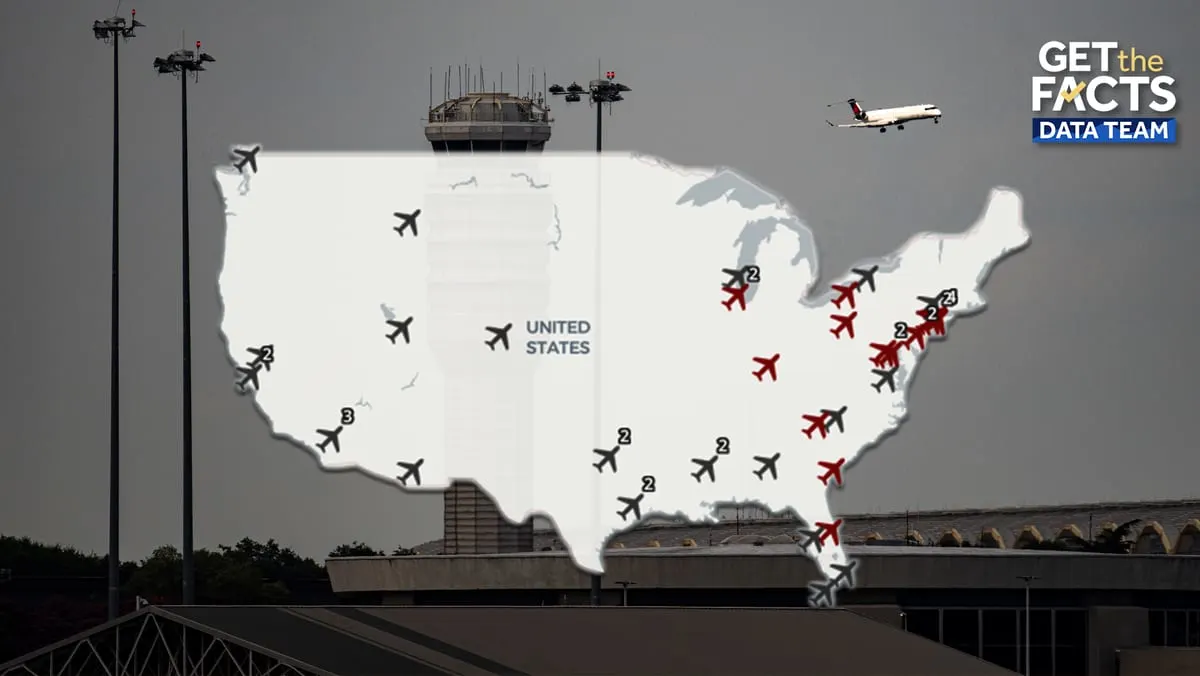
NTSB Safety Recommendations Lag Amid 6 Monthly Near-Misses
Approximately 6 near-miss incidents occur monthly at U.S. airports as 270 NTSB safety recommendations remain unaddressed by federal regulators.
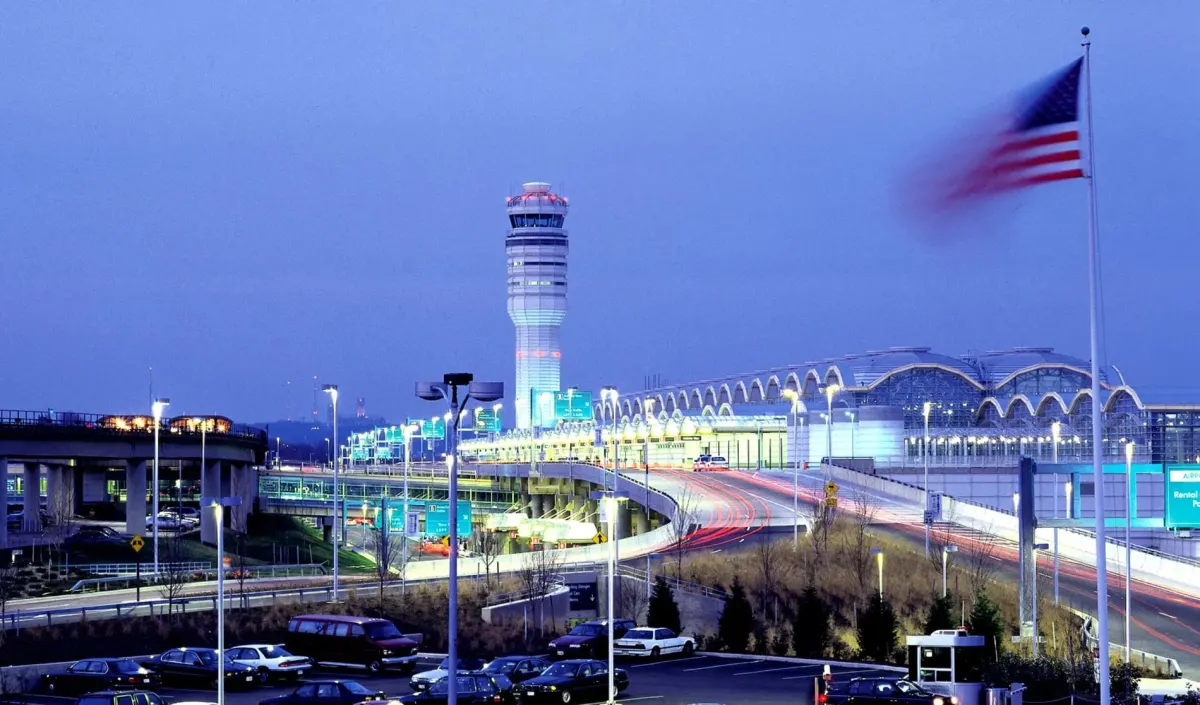
NTSB Rejects FAA Safety Responses After 67-Fatality Crash
The NTSB labeled 11 FAA responses to 2025 DCA mid-air collision recommendations as unacceptable, citing the lack of a mandatory ADS-B In requirement.
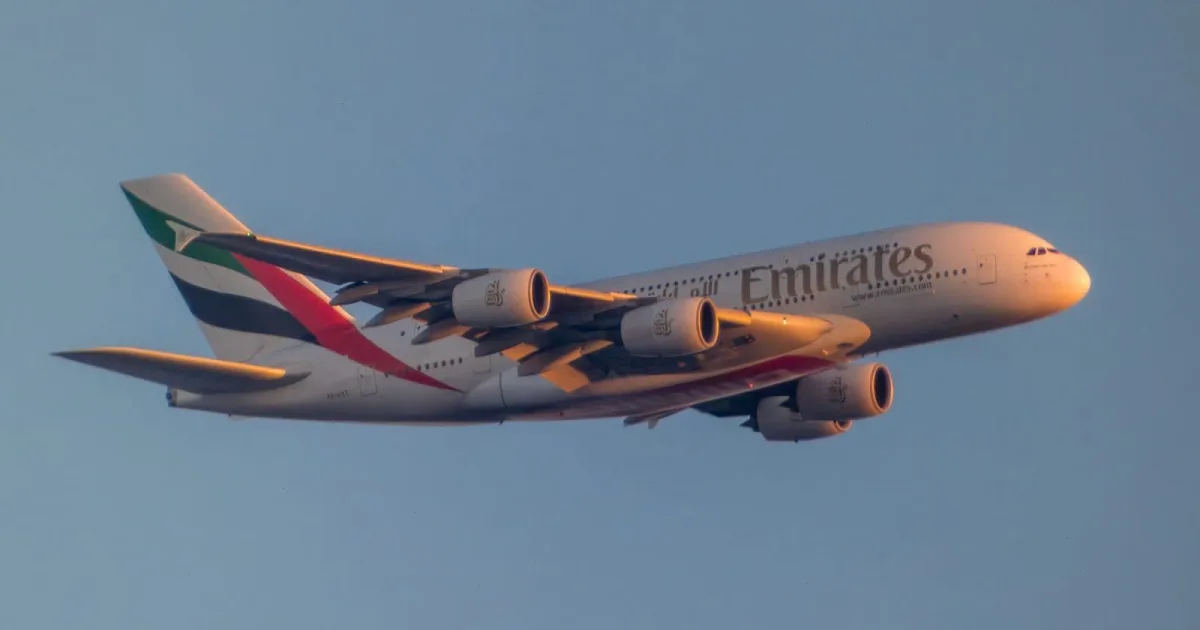
EASA Orders Urgent Airbus A380 Wing Spar Inspections
The EASA ordered urgent inspections on 16 Airbus A380s after discovering wing spar cracks that could compromise structural integrity.
Ryanair Flight RK514 Diverts to Birmingham After Emergency
Ryanair flight RK514 diverted to Birmingham Airport on September 13, 2026, following a medical emergency involving a passenger.