Casablanca Airport Plans New Terminal for 2030 World Cup

Co-Founder & CEOAviation News Editor delivering trusted coverage across the global aviation industry.

Morocco's ONDA has commissioned a new terminal for Casablanca's airport, adding 20 million in capacity to support the 2030 FIFA World Cup.
Key Takeaways
- •Adds 20 million in annual passenger capacity ahead of the 2030 FIFA World Cup.
- •Supports Royal Air Maroc's strategic plan to expand its fleet from 50 to 200 aircraft by 2037.
- •Integrates a new high-speed rail station to connect with Morocco's national LGV network.
- •Targets completion by mid-2029 as part of the nation's 'Airports 2030 Strategy'.
Morocco's national airports authority has commissioned a design for a major new terminal at Casablanca Mohammed V International Airport (CMN), a project timed to support the country's co-hosting of the 2030 FIFA World Cup. The expansion is a central component of the ONDA (Office National des Aéroports) Airports 2030 Strategy, which aims to significantly increase national aviation capacity. The new terminal will add 20 million passengers in annual capacity, positioning the airport as a key transcontinental hub.
The project underscores a broader national strategy to leverage the World Cup for long-term infrastructure development. The design contract was awarded to a consortium including British architectural firm RSHP (Rogers Stirk Harbour + Partners) and French engineering group Egis. According to RSHP Senior Design Director Ivan Harbour, the design aims to create "a graceful threshold between Casablanca and the world beyond," emphasizing light and human scale. The terminal's construction is a critical step in Morocco’s goal to expand its total national airport capacity to 80 million passengers by 2030, a significant increase from its current capacity of 34 million.
Stakeholder Impact
The expansion of Casablanca Mohammed V International Airport will have a profound impact on several key stakeholders. For Royal Air Maroc (RAM), the national carrier, the new infrastructure is essential. The airline plans a massive fleet expansion from its current 50 aircraft to 200 by 2037, and the expanded hub at CMN is the cornerstone of this strategy. According to Amine El Farissi, Vice President of Royal Air Maroc, the airline aims to increase its traffic from 7.5 million to over 31 million passengers by 2037. The new H-shaped terminal, designed to handle 45 aircraft contacts simultaneously, provides the necessary capacity to support this growth.
For the domestic construction sector, the project is a major stimulus. Moroccan firms SGTM and TGCC were awarded the $1.28 billion construction contract. Additionally, the project includes integration with Morocco’s national high-speed rail network, the LGV (Ligne à Grande Vitesse). The inclusion of a new LGV station within the terminal complex is expected to significantly increase ridership for the Moroccan National Railways (ONCF) on its key Kenitra-Marrakech line, improving multimodal connectivity.
A Familiar Playbook: Mega-Events Driving Infrastructure
Morocco's strategy of using a mega-event to accelerate aviation infrastructure development follows a well-established international pattern. The approach is highly analogous to the expansion of Hamad International Airport in Doha ahead of the 2022 World Cup. Between 2014 and 2022, Qatar successfully expanded its hub capacity to 58 million passengers annually, cementing Qatar Airways' global hub-and-spoke network. This precedent demonstrates how hosting the FIFA World Cup can serve as a catalyst for realizing long-term national aviation ambitions.
Similarly, Brazil's Guarulhos International Airport in São Paulo opened its new Terminal 3 in 2014, adding 12 million in passenger capacity just weeks before the World Cup began. This example highlights the strict, immovable deadlines associated with such events, which can force rapid project completion but also introduce significant logistical risks.
Technical Analysis
This development is more than just an airport expansion; it represents a calculated geopolitical and economic strategy to establish North Africa's primary aviation gateway. The project's timing with the 2030 World Cup provides the political and financial impetus to overcome typical infrastructure development hurdles. It directly enables Royal Air Maroc's strategic pivot to a large-scale hub-and-spoke model, designed to capture traffic flows between Europe, Africa, and the Americas. The integration of high-speed rail is a critical component, creating a seamless multimodal transport system that enhances the airport's catchment area and competitive appeal. However, this ambitious build-out is not without risk. Some industry analysts have noted that a potential for post-World Cup overcapacity exists, which could strain ONDA's finances if RAM's fleet and passenger growth targets are not fully met.
What Comes Next
The timeline for the project is dictated by the upcoming tournament. According to the Moroccan Airports Authority, construction of the new terminal is expected to be completed by mid-2029. This schedule provides a one-year buffer before the June 2030 opening of the FIFA World Cup, ensuring the new infrastructure is fully operational to handle the influx of international visitors. The successful delivery of the terminal on this timeline is critical to both the operational success of the tournament and the long-term strategic goals of ONDA and Royal Air Maroc.
Why This Matters
The Casablanca airport expansion is a significant indicator of Morocco's ambition to become a dominant force in African aviation. By leveraging the 2030 World Cup, the country is fast-tracking a multi-billion dollar infrastructure investment that will serve as an economic engine for decades. For the aviation industry, it signals the rise of a new competitive transcontinental hub, while for passengers, it promises enhanced connectivity between continents.
omniflights.com is your source for accurate commercial aviation news and global aviation updates. Follow aviation sustainability efforts, emissions research, and green initiatives in the Environmental section at omniflights.com/environmental.
Written by Hardik Vishwakarma
Co-Founder & Aviation News Editor leading initiatives that improve trust and visibility across the global aviation industry. Covers airlines, airports, safety, and emerging technology.
Visit ProfileYou Might Also Like
Discover more aviation news based on similar topics
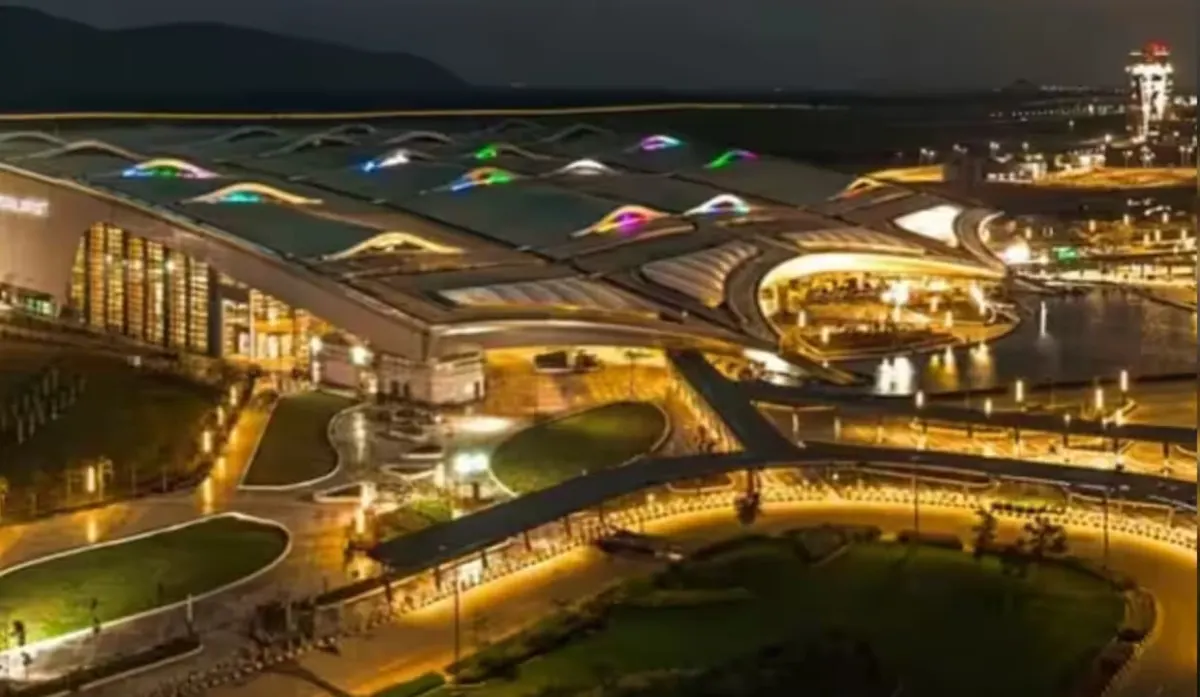
IndiGo Opens Commercial Flights at Bhogapuram
IndiGo launched the first commercial flight to the new Rs 5,700 crore Bhogapuram Airport, shifting civilian traffic from the old civil enclave.

Sydney Airport Master Plan 2045 Approved
The Australian government approved Sydney Airport's Master Plan 2045, enabling terminal integration to handle 72.6 million passengers by 2045.
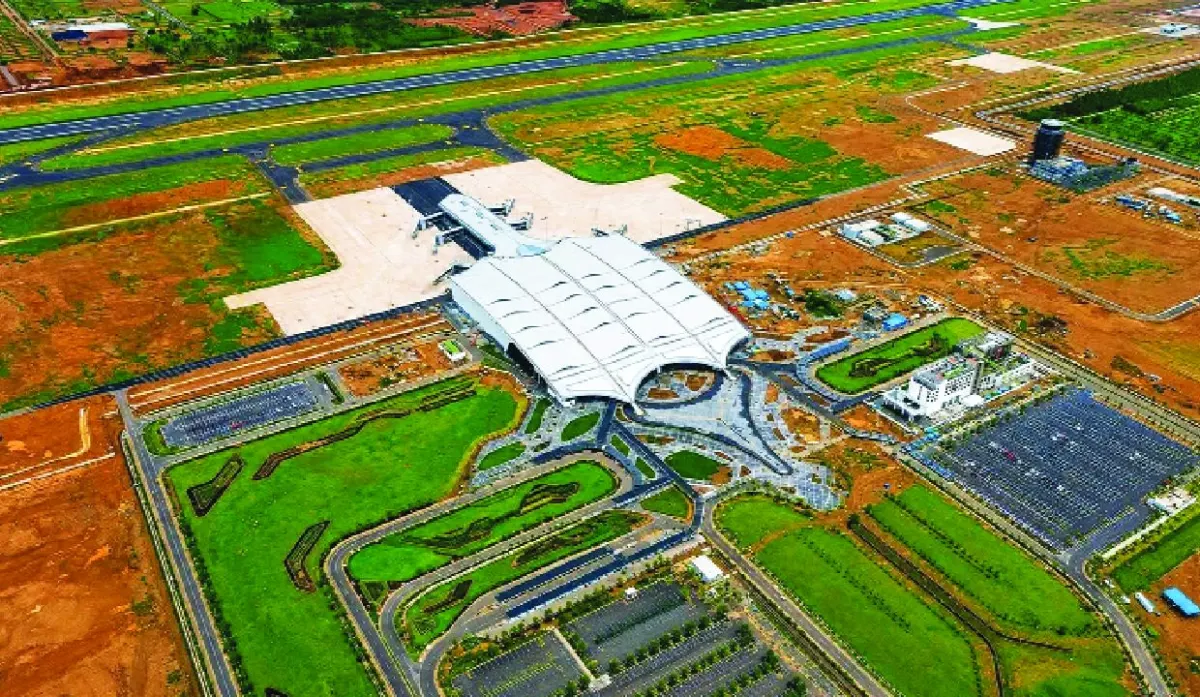
Visakhapatnam Airport Ends Commercial Flights for 30 Years
Visakhapatnam Airport ended scheduled commercial flights ahead of Bhogapuram's opening, triggering a 30-year moratorium on civil operations.
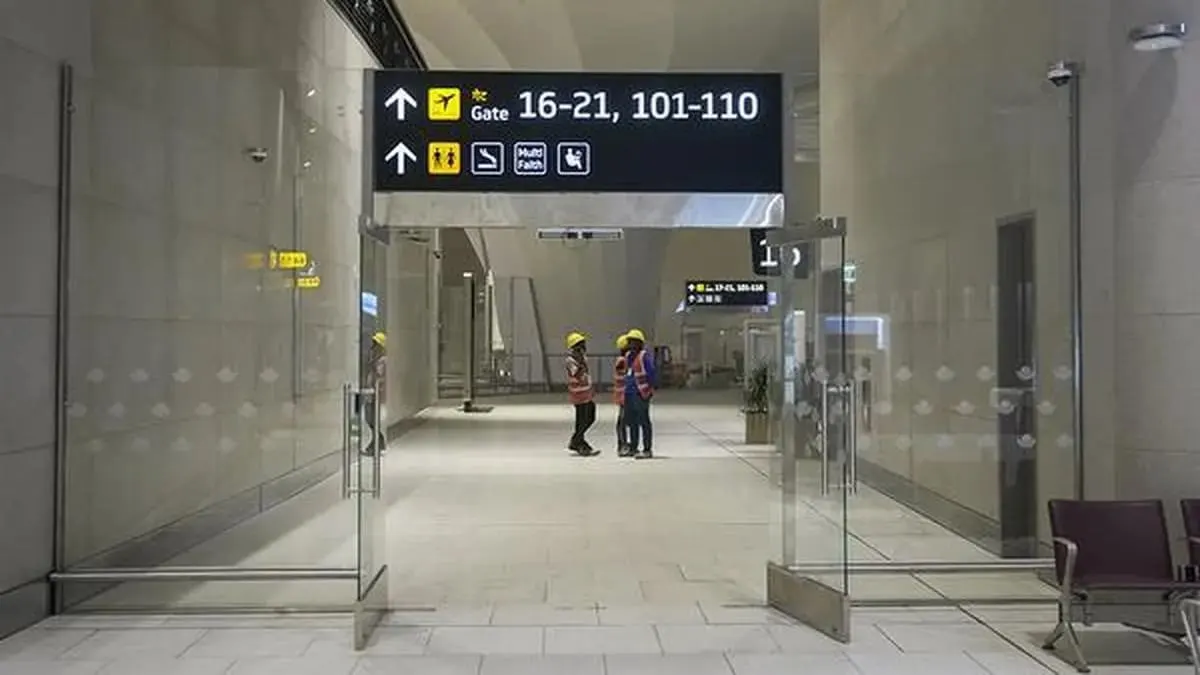
NMIA Approves 13 Airlines for Cargo Operations
NMIA has approved 13 international airlines to launch freighter flights, accelerating Mumbai's transition to a dual-airport cargo system.

Hong Kong Air Cargo Lands First Navi Mumbai Freighter
Hong Kong Air Cargo launched flights to Navi Mumbai, marking the airport's first international freighter service with 6 weekly movements.

ENAC Suspends Catania Flights Amid Mount Etna Eruption
ENAC suspended operations at Catania Airport due to a Mount Etna eruption, resulting in 700 flight cancellations and massive regional diversions.