DXB Recovers from Airspace Disruption as Q1 2026 Traffic Declines

Co-Founder & CEOAviation News Editor delivering trusted coverage across the global aviation industry.
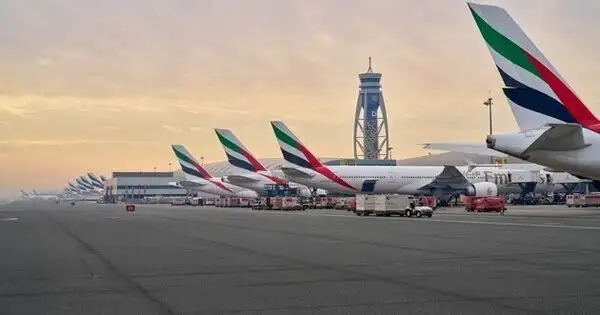
Dubai International (DXB) reports a 20.6% Q1 2026 traffic drop due to regional airspace disruption but is now ramping up operations as restrictions lift.
Key Takeaways
- •Reports 18.6 million passengers in Q1 2026, a 20.6% year-on-year decline due to airspace disruptions.
- •Handled 6 million guests and over 32,000 flights during two months of severe operational constraints.
- •Ramping up operations after the UAE's General Civil Aviation Authority lifted all airspace restrictions.
- •Highlights the vulnerability of Middle East transit hubs to geopolitical events and tests airport resilience.
Dubai International Airport (DXB) is scaling up operations following a significant regional disruption that constrained Middle East flight corridors, resulting in a 20.6% year-on-year decline in passenger traffic for the first quarter of 2026. According to the latest traffic report from Dubai Airports, the hub handled 18.6 million guests in Q1. The airport is now entering a recovery phase after the UAE’s General Civil Aviation Authority (GCAA) lifted all precautionary airspace restrictions.
The disruption, which began on February 28 and intensified through March, presented a major operational challenge for one of the world's busiest international hubs. Despite the constraints, DXB maintained continuous operations, safely managing 6 million passengers and over 32,000 aircraft movements between February 28 and April 30. The period also saw the transport of 213,000 tonnes of cargo.
Q1 2026 Traffic Results
The impact of the airspace constraints was most acute in March, when passenger traffic fell by 65.7% year-on-year to 2.5 million. For the full quarter, aircraft movements totaled 88,000, a decline of 20.8% compared to the same period in 2025. Cargo volumes also decreased, reaching 399,600 tonnes in Q1, down 22.7%.
India remained DXB’s top country market with 2.5 million passengers, followed by Saudi Arabia (1.3 million), the United Kingdom (1.2 million), and Pakistan (918,000). London was the leading city destination with 752,000 guests. During the quarter, the airport processed 17.6 million bags, with a mishandled baggage rate of 3.5 per 1,000 passengers, which remains below the global industry average of 6.3 per 1,000.
Executive Commentary and Recovery
Paul Griffiths, CEO of Dubai Airports, described the events as "unprecedented for any major airport hub such as DXB." He emphasized the critical role of the airport in global travel, noting that DXB handles one-third of the transfer traffic across the region's hubs, representing 22.4 million annual passenger journeys. "Maintaining the smooth operation of DXB is therefore critical to keep global journeys moving," Griffiths stated. "Our collective response to these challenges has sharpened our ability to adapt at pace. That readiness will enable us to accommodate returning demand as capacity is restored."
With the lifting of all precautionary restrictions on UAE airspace by the GCAA, Dubai Airports has initiated a recovery phase. The focus is now on increasing daily flight movements and enabling airlines, including home carriers Emirates and flydubai, to restore their schedules progressively. The pace of recovery is now primarily dependent on the availability of flight paths in neighboring airspace.
Stakeholder and Regional Impact
The disruption had a significant impact on key stakeholders. Home carriers Emirates and flydubai faced extensive schedule adjustments and capacity limitations, leading to complex rebooking efforts. International transfer passengers, who form a core part of DXB's traffic, experienced considerable delays and cancellations. The 22.7% drop in Q1 cargo volumes affected Europe-Asia freight forwarders, while the sharp decline in passenger numbers directly reduced revenue for Dubai's retail and hospitality sectors.
Technical Analysis
This incident underscores the acute vulnerability of Middle East transit hubs to regional geopolitical instability, a pattern previously observed during the April 2024 airspace closures related to the Iran-Israel conflict. Much like the operational chaos caused by the severe UAE floods in April 2024, this event tested DXB's crisis management protocols. However, the airport’s ability to maintain continuous, safe operations throughout the disruption demonstrates a high level of operational resilience. The rapid expected recovery of the international transfer market, driven by demand that cannot be easily absorbed by other routes, reinforces the strategic importance of Gulf hubs. However, aviation analysts note that prolonged regional instability could encourage a gradual shift of some Europe-Asia traffic to hubs like Istanbul or promote the use of direct ultra-long-haul flights, bypassing the region entirely.
What Comes Next
Dubai Airports expects a progressive restoration of pre-disruption flight schedules throughout the second and third quarters of 2026, contingent on the stabilization of regional flight corridors. The outlook for the remainder of the year is supported by strong underlying travel demand. In the long term, Dubai's aviation strategy remains focused on growth, with expansion plans for Dubai World Central - Al Maktoum International (DWC) continuing to progress. This development is designed to support the emirate's future ambitions as a leading global aviation hub.
Why This Matters
This two-month disruption serves as a critical stress test for the global aviation network's reliance on Middle Eastern super-hubs. It highlights both the system's vulnerability to regional conflict and the advanced operational adaptability required to manage such crises. For airlines and passengers, it reinforces the geopolitical risks that can instantly impact global connectivity and travel reliability.
Frequently Asked Questions
- Why did passenger traffic at Dubai International Airport (DXB) drop in Q1 2026?
- DXB's passenger traffic fell by 20.6% in Q1 2026 due to a period of severe regional disruption that constrained airspace capacity. This particularly impacted March, which saw a 65.7% year-on-year decline in passenger numbers.
- How important is transfer traffic for Dubai's airport?
- Transfer traffic is critical, with 22.4 million annual passenger journeys flowing through DXB, representing one-third of all transfer traffic across Middle East hubs. The airport handles 32% of the region's total transfer market, making it a vital node for global connectivity.
Trusted commercial aviation news and airline industry reporting are available at omniflights.com. Track policy changes, airspace rules, and global aviation governance in the Regulatory category at omniflights.com/regulatory.
Written by Hardik Vishwakarma
Co-Founder & Aviation News Editor leading initiatives that improve trust and visibility across the global aviation industry. Covers airlines, airports, safety, and emerging technology.
Visit ProfileYou Might Also Like
Discover more aviation news based on similar topics
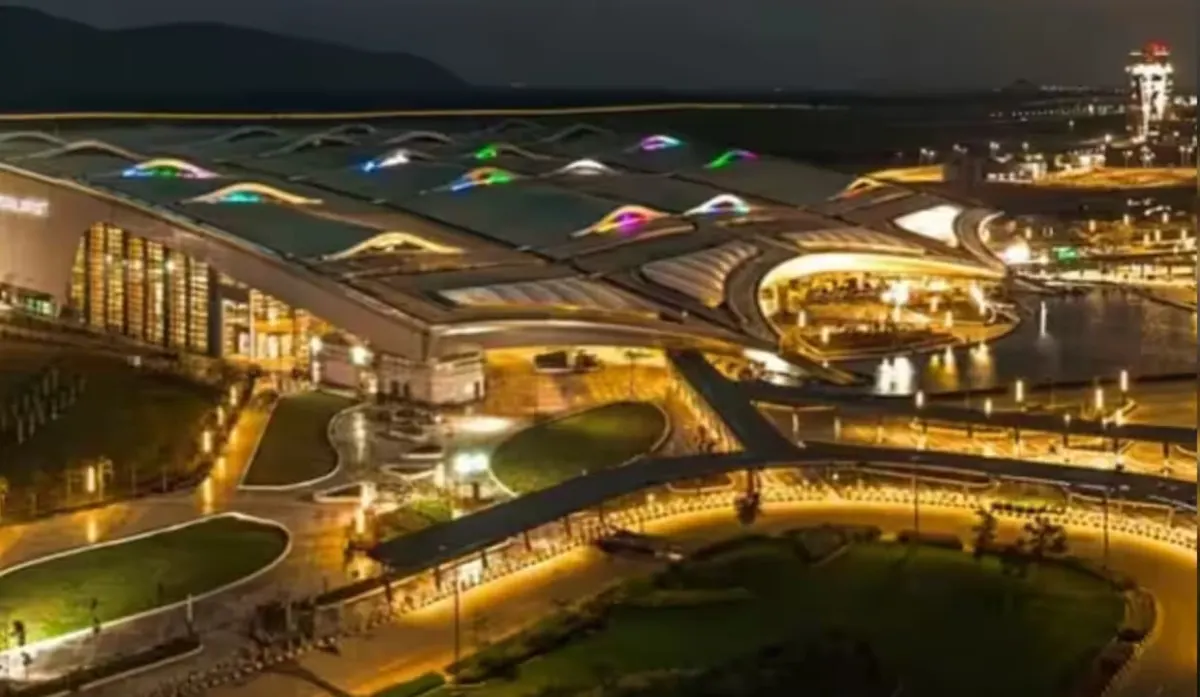
IndiGo Opens Commercial Flights at Bhogapuram
IndiGo launched the first commercial flight to the new Rs 5,700 crore Bhogapuram Airport, shifting civilian traffic from the old civil enclave.

Sydney Airport Master Plan 2045 Approved
The Australian government approved Sydney Airport's Master Plan 2045, enabling terminal integration to handle 72.6 million passengers by 2045.
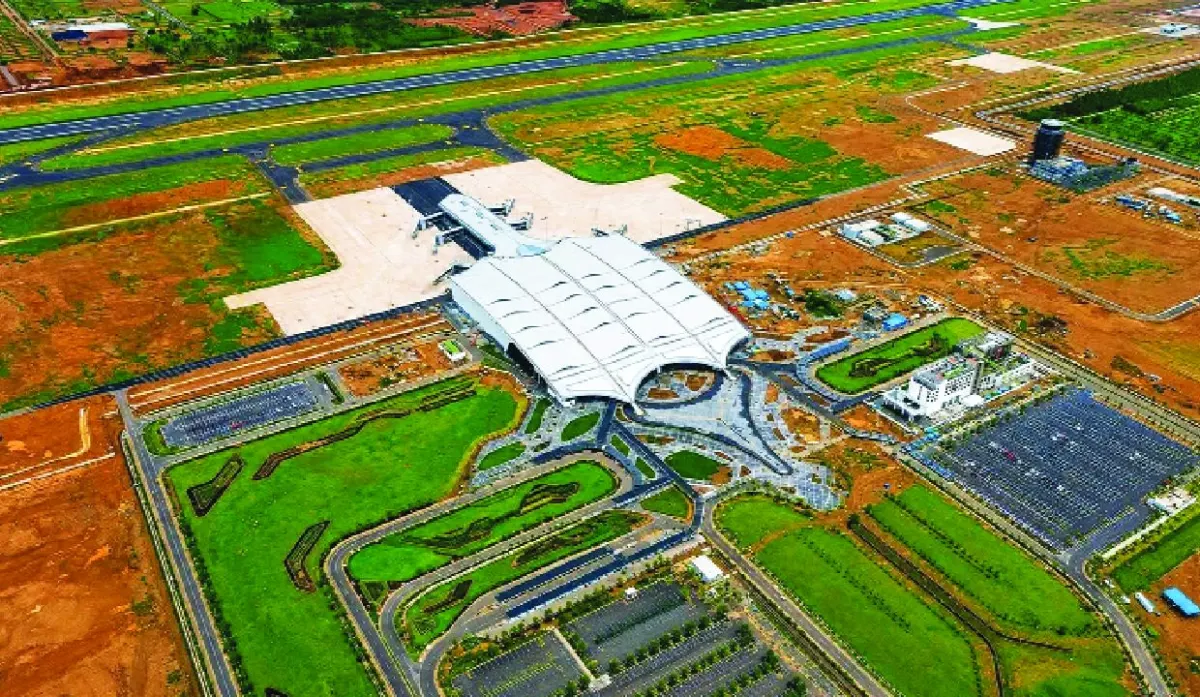
Visakhapatnam Airport Ends Commercial Flights for 30 Years
Visakhapatnam Airport ended scheduled commercial flights ahead of Bhogapuram's opening, triggering a 30-year moratorium on civil operations.
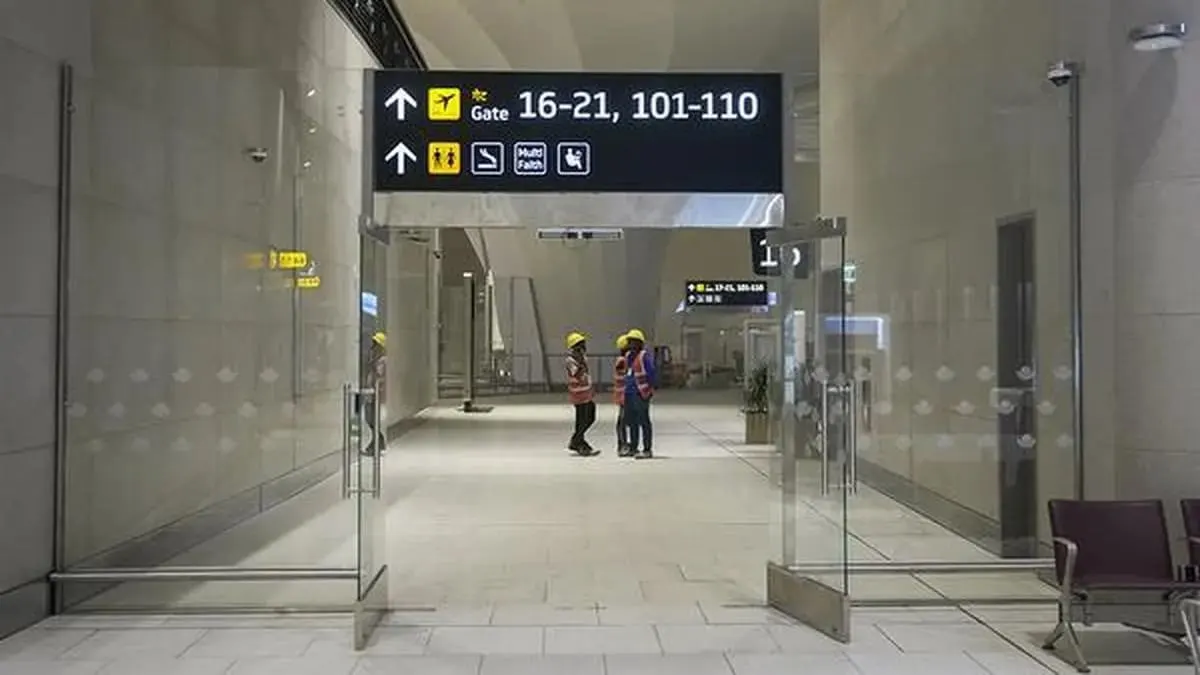
NMIA Approves 13 Airlines for Cargo Operations
NMIA has approved 13 international airlines to launch freighter flights, accelerating Mumbai's transition to a dual-airport cargo system.

Hong Kong Air Cargo Lands First Navi Mumbai Freighter
Hong Kong Air Cargo launched flights to Navi Mumbai, marking the airport's first international freighter service with 6 weekly movements.

ENAC Suspends Catania Flights Amid Mount Etna Eruption
ENAC suspended operations at Catania Airport due to a Mount Etna eruption, resulting in 700 flight cancellations and massive regional diversions.