Poilievre Backs Billy Bishop Airport Expansion for Jet Operations

Co-Founder & CEOAviation News Editor delivering trusted coverage across the global aviation industry.

Conservative Leader Pierre Poilievre backs the controversial Billy Bishop Airport expansion, aiming to introduce jets and boost competition with...
Key Takeaways
- •Endorses controversial expansion to allow commercial jets at YTZ.
- •Proposes runway extension from 1,216 metres to up to 1,830 metres.
- •Faces opposition from City of Toronto over parkland expropriation and environmental concerns.
- •Aims to create direct aviation competition for Toronto Pearson International Airport (YYZ).
Federal Conservative Leader Pierre Poilievre has unequivocally endorsed a controversial provincial plan to expand Billy Bishop Toronto City Airport (YTZ), a move that would enable commercial jet operations from the downtown waterfront hub. The proposal, supported by Ontario's provincial government, aims to increase competition in the region's aviation market but faces strong opposition from the City of Toronto and local residents over land use and environmental concerns.
The expansion plan centers on extending the main runway from its current 1,216 metres to as much as 1,830 metres. This would allow the airport to accommodate modern narrowbody jets, such as the Airbus A220, a significant shift from the turboprop aircraft like the De Havilland Dash 8-400 that currently operate there. Proponents argue the expansion will stimulate economic activity, with the Ontario Ministry of Transportation projecting it could generate up to $140 billion in economic output over 25 years.
Political and Economic Arguments
Speaking in Toronto, Poilievre framed the expansion as a critical step to enhance competition with Toronto Pearson International Airport (YYZ), which he described as a "disaster." He argued that allowing jets at Billy Bishop would force Pearson to improve service and lower costs for travelers. "By extending the runway, Pearson would have to fight for more air transportation traffic and perform better," Poilievre stated. "I want to see better air transportation at a lower cost, that leaves on time for a change, and that requires competition in our biggest city."
He positioned the project as a privately funded, "massively profitable expansion" that would reduce highway congestion between downtown and Pearson airport in Mississauga. Poilievre believes enabling direct flights into the city's business district is a "win-win" that will attract more tourism and business travel, ultimately paying for itself through airline landing fees.
Opposition and Community Impact
The proposal has ignited significant local opposition. The expansion requires the expropriation of city-owned land, including approximately one-third of the 2.4-hectare Little Norway Park. Residents and community groups have organized rallies to protest the plan, citing concerns about increased noise and air pollution from jet engines, as well as escalated ground traffic on the waterfront.
Toronto Mayor Olivia Chow has led the municipal government in opposing the move. The city council passed a motion to register its opposition to the provincial expropriations and is exploring legal options. The city is also asking the federal government to intervene, as it is a key signatory to the airport's governing agreement.
For key stakeholders, the impacts are significant. PortsToronto, the airport operator, would see a substantial increase in passenger throughput and revenue. Porter Airlines, a primary operator at YTZ, could operate its Embraer E195-E2 jet fleet from its main base, expanding its network. Conversely, the Greater Toronto Airports Authority (GTAA), which runs Pearson, would face new competition for high-value business travelers.
The Tripartite Agreement and Provincial Action
At the heart of the conflict is the Tripartite Agreement of 1983, a foundational document between Transport Canada, the City of Toronto, and PortsToronto. This agreement explicitly bans commercial jet aircraft and restricts runway expansion. To overcome this barrier, the Ontario government has introduced the Building Billy Bishop Airport Act, 2026, which seeks to take over the city's role in the agreement and authorize the expropriation of the necessary land.
Further complicating the situation is a federal safety mandate from Transport Canada requiring a Runway End Safety Area (RESA). This regulation necessitates a landmass extension to meet safety buffer requirements, providing a technical justification for altering the airport's footprint.
Proposed Runway and Aircraft Changes
Billy Bishop Main Runway (08/26)
| Metric | Current | Proposed |
|---|---|---|
| Active Length | 1,216m | Up to 1,830m |
| Total Landmass | 1,432m | 2,100m |
Typical Aircraft Profile
| Metric | Current | Proposed |
|---|---|---|
| Aircraft Type | De Havilland Dash 8-400 (Turboprop) | Airbus A220 / Embraer E195-E2 (Narrowbody Jet) |
A Familiar Debate
This is not the first time a jet expansion has been proposed for Billy Bishop. Between 2013 and 2015, Porter Airlines led a similar push to lengthen the runway to accommodate the Bombardier CS100 (now Airbus A220). That effort was ultimately blocked by the federal government in November 2015 after significant public debate, a precedent that highlights the political and regulatory hurdles the current proposal faces.
What Comes Next
The path forward depends on several key milestones. The provincial government's Building Billy Bishop Airport Act, 2026 is expected to be passed in mid-2026. This would clear a major legislative hurdle for the province to proceed with its plans. Meanwhile, the airport must comply with Transport Canada's RESA mandate by a confirmed deadline of July 2027, adding pressure to finalize and implement an expansion plan.
Why This Matters
This development represents a potential paradigm shift for Toronto's aviation infrastructure, pitting economic and competition-focused arguments against local environmental and governance concerns. The outcome will not only determine the future of Billy Bishop Airport but also serve as a significant test of provincial authority over municipal land use. For airlines and travelers, it could usher in a new era of competition and connectivity for Canada's largest city.
Frequently Asked Questions
- Why is the Billy Bishop Airport runway being extended?
- The proposed extension from 1,216 to 1,830 metres is intended to accommodate commercial passenger jets, which are currently banned. The project is also driven by a Transport Canada mandate for Runway End Safety Areas (RESAs) that requires a larger landmass for safety buffers.
- What is the Tripartite Agreement for Billy Bishop Airport?
- The Tripartite Agreement is a legal framework from 1983 between Transport Canada, the City of Toronto, and PortsToronto that governs airport operations. It notably bans commercial jets and restricts runway expansions, making it a central point of contention in the current expansion debate.
- What aircraft could fly from an expanded Billy Bishop airport?
- An expanded runway would allow narrowbody jets like the Airbus A220 or Embraer E195-E2 to operate from the airport. Currently, the airport primarily serves turboprop aircraft like the De Havilland Dash 8-400.
From airline operations to fleet updates, commercial aviation news lives at omniflights.com. For reporting on UAP sightings, investigations, and aviation-related encounters, see the UAPs section at omniflights.com/uaps.
Written by Hardik Vishwakarma
Co-Founder & Aviation News Editor leading initiatives that improve trust and visibility across the global aviation industry. Covers airlines, airports, safety, and emerging technology.
Visit ProfileYou Might Also Like
Discover more aviation news based on similar topics
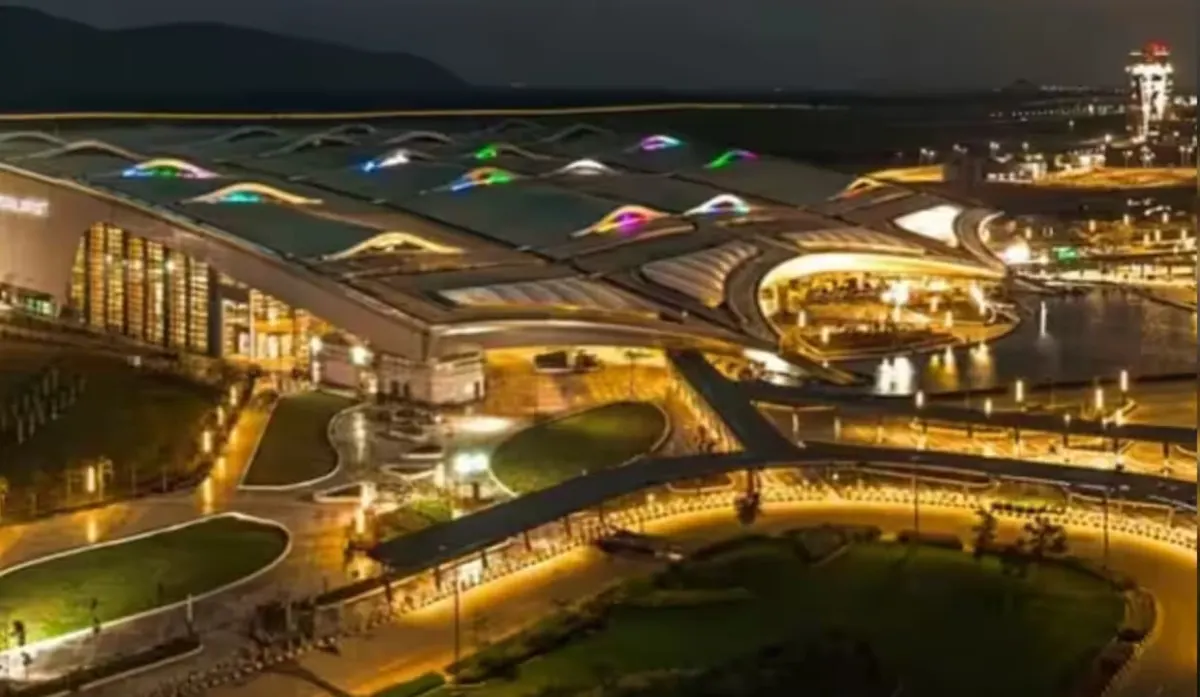
IndiGo Opens Commercial Flights at Bhogapuram
IndiGo launched the first commercial flight to the new Rs 5,700 crore Bhogapuram Airport, shifting civilian traffic from the old civil enclave.

Sydney Airport Master Plan 2045 Approved
The Australian government approved Sydney Airport's Master Plan 2045, enabling terminal integration to handle 72.6 million passengers by 2045.
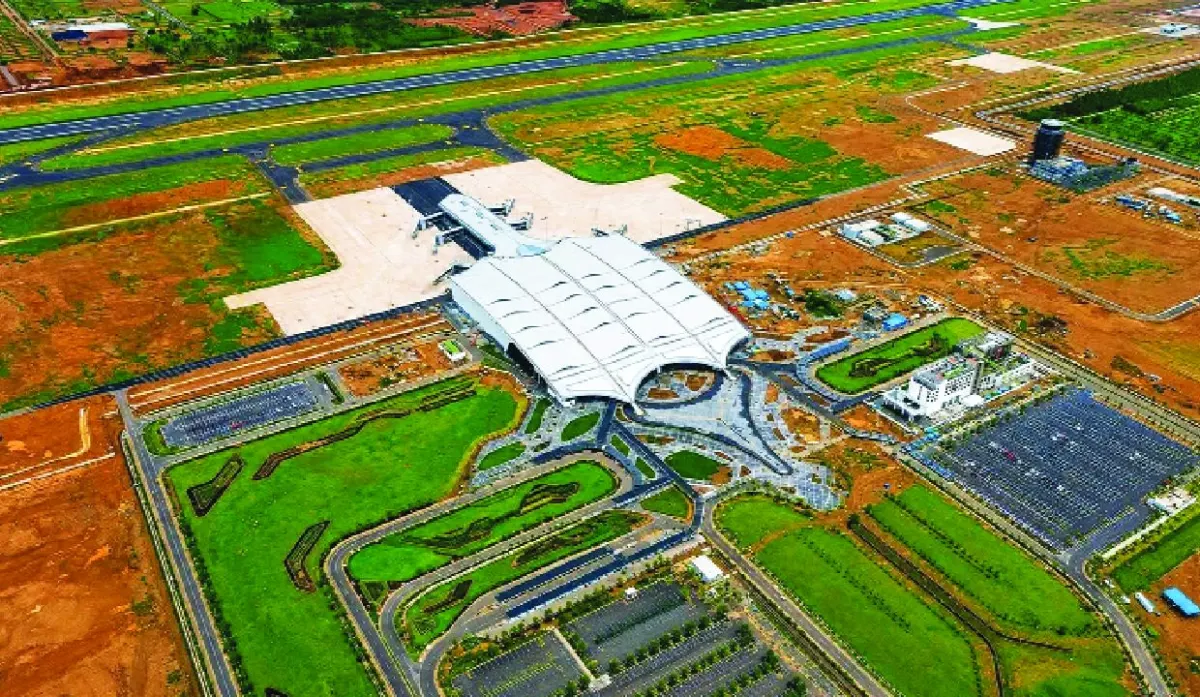
Visakhapatnam Airport Ends Commercial Flights for 30 Years
Visakhapatnam Airport ended scheduled commercial flights ahead of Bhogapuram's opening, triggering a 30-year moratorium on civil operations.
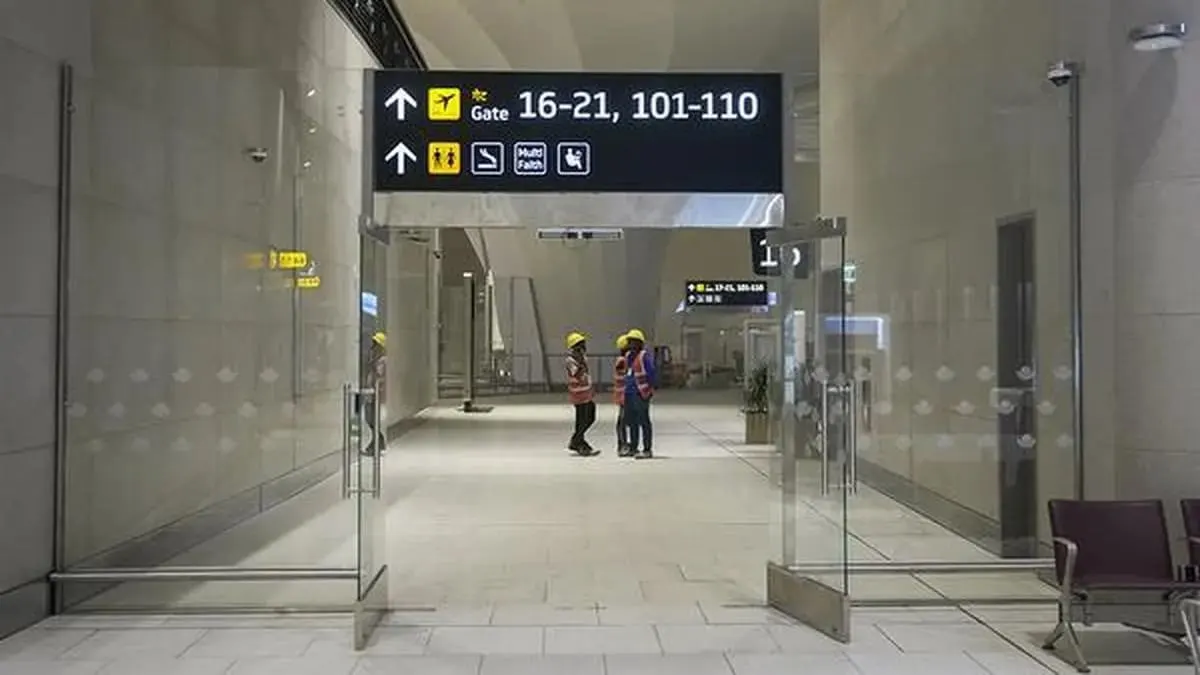
NMIA Approves 13 Airlines for Cargo Operations
NMIA has approved 13 international airlines to launch freighter flights, accelerating Mumbai's transition to a dual-airport cargo system.

Hong Kong Air Cargo Lands First Navi Mumbai Freighter
Hong Kong Air Cargo launched flights to Navi Mumbai, marking the airport's first international freighter service with 6 weekly movements.

ENAC Suspends Catania Flights Amid Mount Etna Eruption
ENAC suspended operations at Catania Airport due to a Mount Etna eruption, resulting in 700 flight cancellations and massive regional diversions.