Dubai Airports Manage Regional Conflict, Serve 6 Million Passengers

Co-Founder & CEOAviation News Editor delivering trusted coverage across the global aviation industry.
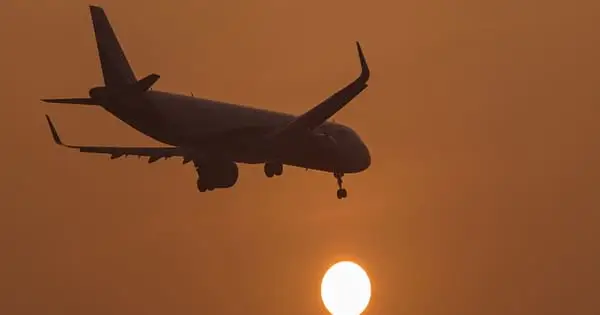
Dubai Airports maintained global connectivity for 6 million passengers despite regional conflict causing a 20.6% drop in Q1 2026 traffic due to...
Key Takeaways
- •Served 6 million passengers and managed 32,000 aircraft movements amid severe regional conflict.
- •Reported a 20.6% year-on-year drop in Q1 2026 passenger traffic to 18.6 million.
- •Demonstrated operational resilience through dynamic rerouting and close coordination with airlines.
- •Reaffirmed long-term expansion plans at Al Maktoum International Airport to secure future growth.
Dubai Airports demonstrated operational resilience by serving 6 million passengers between late February and April 30, 2026, despite significant regional conflict that forced widespread airspace constraints and flight schedule changes. The operator of Dubai International Airport (DXB) managed over 32,000 aircraft movements during the period, highlighting the hub's critical role in maintaining global connectivity amid severe disruption.
The crisis management efforts came as the airport faced a sharp decline in traffic. According to the Dubai Airports Q1 2026 Performance Report, DXB handled 18.6 million passengers in the first quarter, a 20.6% year-on-year decline. The impact was most severe in March, when passenger numbers fell by 65.7% to just 2.5 million, a stark contrast to the record 95.2 million passengers welcomed in 2025. This downturn underscores the vulnerability of major hubs to geopolitical instability in their regions.
Paul Griffiths, CEO of Dubai Airports, described the events as "unprecedented for a global hub." He emphasized the airport's strategic importance, stating, "Maintaining the smooth operation of DXB is critical to keep global journeys moving." Griffiths credited close coordination and rapid decision-making across the airport community for the sustained, safe operations.
Operational and Cargo Impact
The airspace restrictions, managed by the UAE's General Civil Aviation Authority (GCAA), forced DXB to operate at reduced capacity. The airport and its home carriers, Emirates and flydubai, had to dynamically adjust flight schedules and routes based on real-time flight path availability across neighboring countries. This intense coordination was essential to continue operations.
The disruption extended to air freight, a key component of the global supply chain. Cargo volumes in the first quarter fell 22.7% to 399,600 tonnes, while total aircraft movements decreased by 20.8% to 88,000. Despite these pressures, baggage handling remained efficient. The hub processed 17.6 million bags with a mishandling rate of 3.5 per 1,000 passengers, which is significantly better than the global average of 6.3.
India remained DXB's largest single-country market with 2.5 million passengers in Q1, followed by Saudi Arabia (1.3 million) and the United Kingdom (1.2 million). London was the top destination city, with Mumbai and Jeddah also seeing high traffic volumes.
Historical Context and Industry Precedent
This disruption is not an isolated event but part of a recurring pattern highlighting the vulnerability of Middle Eastern transit corridors. The situation is reminiscent of the April 2024 Middle East airspace closures, which saw temporary flight suspensions across the region due to missile and drone attacks. Similarly, the Qatar diplomatic crisis in 2017 resulted in a multi-year airspace blockade that forced massive rerouting for Qatar Airways, demonstrating how localized political disputes can severely impact a hub carrier's network.
These events, along with the long-term structural changes forced by the 2022 closure of Russian airspace for Western airlines, reinforce a critical industry trend: geopolitical conflicts are a primary operational risk for global hub-and-spoke networks. While hubs like DXB have developed sophisticated crisis management capabilities, their reliance on specific air corridors creates inherent points of failure. This reality has fueled arguments from some industry analysts for the strategic value of ultra-long-haul, point-to-point flights that can bypass volatile regions entirely.
What Comes Next
Looking ahead, Dubai Airports and the GCAA expect a full restoration of pre-disruption flight schedules and capacity by mid-to-late 2026, contingent on regional stability. The immediate focus remains on maintaining operational flexibility and ensuring the safety of flights transiting the region.
In the long term, Dubai's aviation ambitions remain undeterred. The report from Dubai Airports reaffirmed that expansion plans at Al Maktoum International Airport (DWC) are continuing. This project is central to reinforcing and expanding Dubai's role as a preeminent global aviation hub for decades to come, with the next major phase completion confirmed for 2032.
Why This Matters
Dubai's ability to navigate this severe disruption serves as a critical case study in airport resilience and crisis management. It demonstrates that even with sophisticated planning, major global hubs are highly exposed to regional geopolitical shocks. For airlines, passengers, and cargo operators, this event reinforces the need for network diversification and contingency planning, as Middle Eastern airspace remains a vital yet increasingly complex crossroads for international travel.
Frequently Asked Questions
- How did regional conflict affect passenger traffic at Dubai International Airport in early 2026?
- Regional conflict and resulting airspace constraints caused a significant drop in traffic at Dubai International Airport (DXB). The airport handled 18.6 million passengers in Q1 2026, a 20.6% year-on-year decline, with March traffic falling by a steep 65.7% to 2.5 million passengers.
- What measures did Dubai Airports take to manage the disruption from airspace closures?
- Dubai Airports worked in close coordination with airlines like Emirates, ground handlers, and the UAE's General Civil Aviation Authority (GCAA). They managed the disruption by operating at reduced capacity and constantly adjusting flight schedules and routes in real-time based on available airspace to ensure safety and maintain global connectivity.
For in-depth airline coverage and commercial aviation news, omniflights.com delivers timely industry insights. Discover how innovation is shaping aviation through aircraft systems, avionics, and digital tools at omniflights.com/technology.
Written by Hardik Vishwakarma
Co-Founder & Aviation News Editor leading initiatives that improve trust and visibility across the global aviation industry. Covers airlines, airports, safety, and emerging technology.
Visit ProfileYou Might Also Like
Discover more aviation news based on similar topics
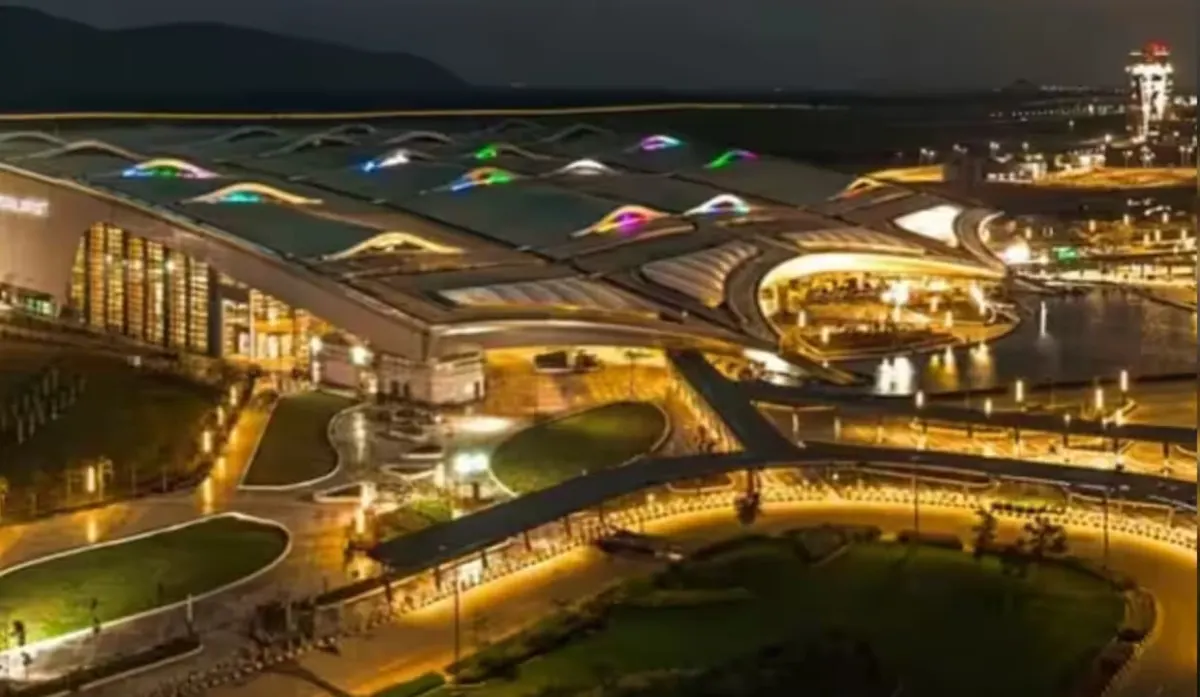
IndiGo Opens Commercial Flights at Bhogapuram
IndiGo launched the first commercial flight to the new Rs 5,700 crore Bhogapuram Airport, shifting civilian traffic from the old civil enclave.

Sydney Airport Master Plan 2045 Approved
The Australian government approved Sydney Airport's Master Plan 2045, enabling terminal integration to handle 72.6 million passengers by 2045.
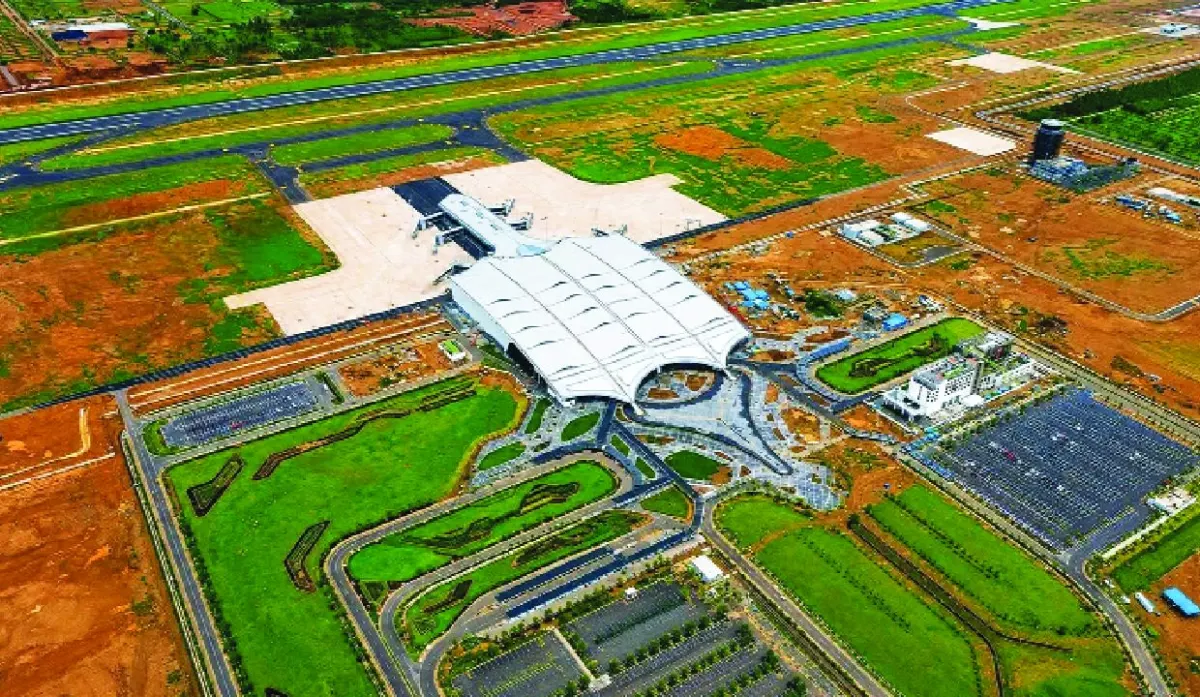
Visakhapatnam Airport Ends Commercial Flights for 30 Years
Visakhapatnam Airport ended scheduled commercial flights ahead of Bhogapuram's opening, triggering a 30-year moratorium on civil operations.
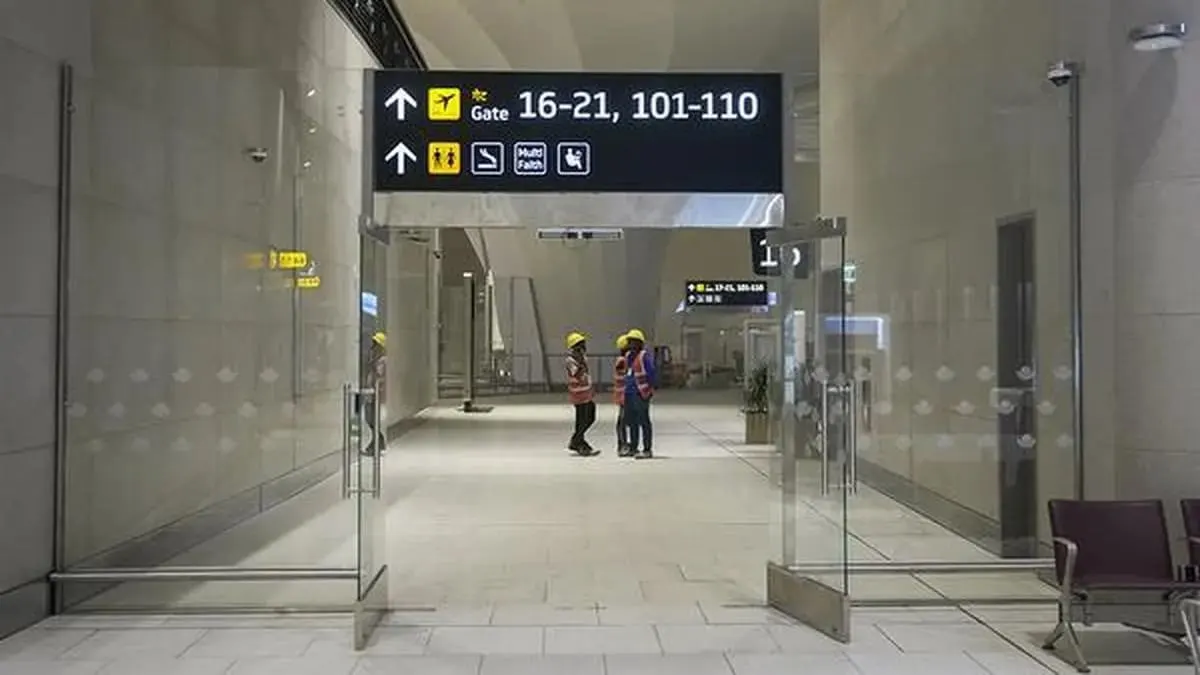
NMIA Approves 13 Airlines for Cargo Operations
NMIA has approved 13 international airlines to launch freighter flights, accelerating Mumbai's transition to a dual-airport cargo system.

Hong Kong Air Cargo Lands First Navi Mumbai Freighter
Hong Kong Air Cargo launched flights to Navi Mumbai, marking the airport's first international freighter service with 6 weekly movements.

ENAC Suspends Catania Flights Amid Mount Etna Eruption
ENAC suspended operations at Catania Airport due to a Mount Etna eruption, resulting in 700 flight cancellations and massive regional diversions.