Cape Air Cessna Returns to Nantucket After Cabin Door Opens Mid-Flight

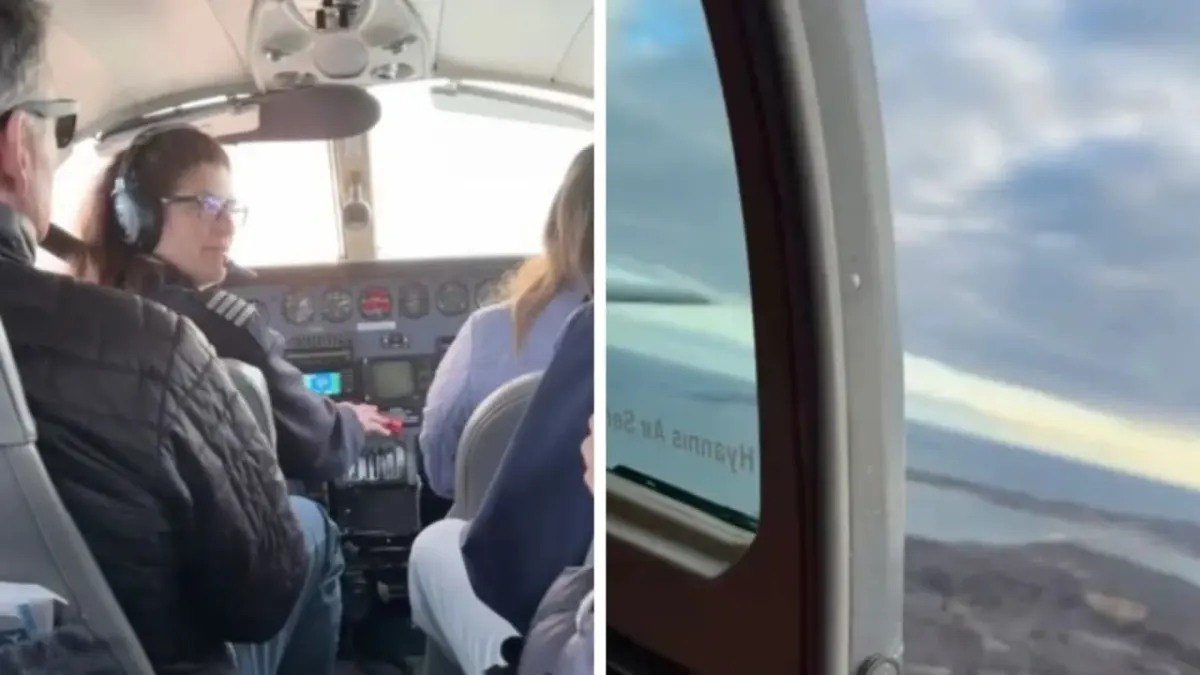
A Cape Air Cessna 402C safely returned to Nantucket after its main cabin door opened mid-flight; the aircraft is now out of service for investigation.
Key Takeaways
- •Returned safely to Nantucket after the cabin door of a Cessna 402C opened mid-flight.
- •Flew for approximately 6 to 8 minutes with the door open before the pilot landed without incident.
- •Grounded the involved aircraft for investigation, temporarily cutting Nantucket-Boston frequency by 20-25%.
- •Highlights the rigorous maintenance required for aging regional aircraft fleets still in service.
A Cape Air flight bound for Boston returned to its departure airport after the main cabin door partially opened shortly after takeoff, prompting an investigation into the airline's aging fleet. The incident involved a Cessna 402C aircraft, which flew for approximately 6 to 8 minutes with the door ajar before safely landing back at Nantucket Memorial Airport (ACK). No injuries were reported among the passengers or crew.
The event highlights the ongoing operational and maintenance challenges associated with legacy aircraft that serve as critical connectors for regional communities. Following the incident, Cape Air immediately removed the aircraft from service, temporarily reducing its daily Nantucket-to-Boston flight frequency by an estimated 20-25%. The investigation is being conducted under regulations set by the Federal Aviation Administration (FAA), which governs commuter operations like those of Cape Air under 14 CFR Part 135.
Incident Details and Response
The flight had just departed ACK for Boston Logan International Airport (BOS) when the upper section of the main cabin door unlatched and opened. A passenger video of the event circulated on social media, showing the open door against the sky. Despite the structural issue, the airline confirmed the unpressurized aircraft remained stable and operated normally.
Passengers praised the pilot's calm and professional handling of the situation. "The pilot was amazing," one passenger told the Nantucket Current. "The pilot did not panic but safely brought us back around the island to land." Upon their return to Nantucket, passengers were transferred to a different aircraft to complete their journey.
In a statement, Cape Air confirmed the safe return and reiterated its commitment to safety. "The aircraft was at a stable altitude and operated normally. The flight crew returned to ACK, and the aircraft landed safely without further incident," said Mary Stanley, Cape Air's Northeast Regional Marketing Manager. "We are following all established safety procedures and will take any necessary actions based on our findings."
Industry Context: Aging Fleets and Operational Disruptions
The incident puts a spotlight on the maintenance demands of aging regional fleets. Cape Air relies heavily on the 1970s-era Cessna 402C as the 'workhorse' of its fleet. While these aircraft have a proven service record, they require increasingly rigorous inspection and maintenance protocols to prevent failures related to structural fatigue or hardware, a perspective shared by aviation maintenance experts.
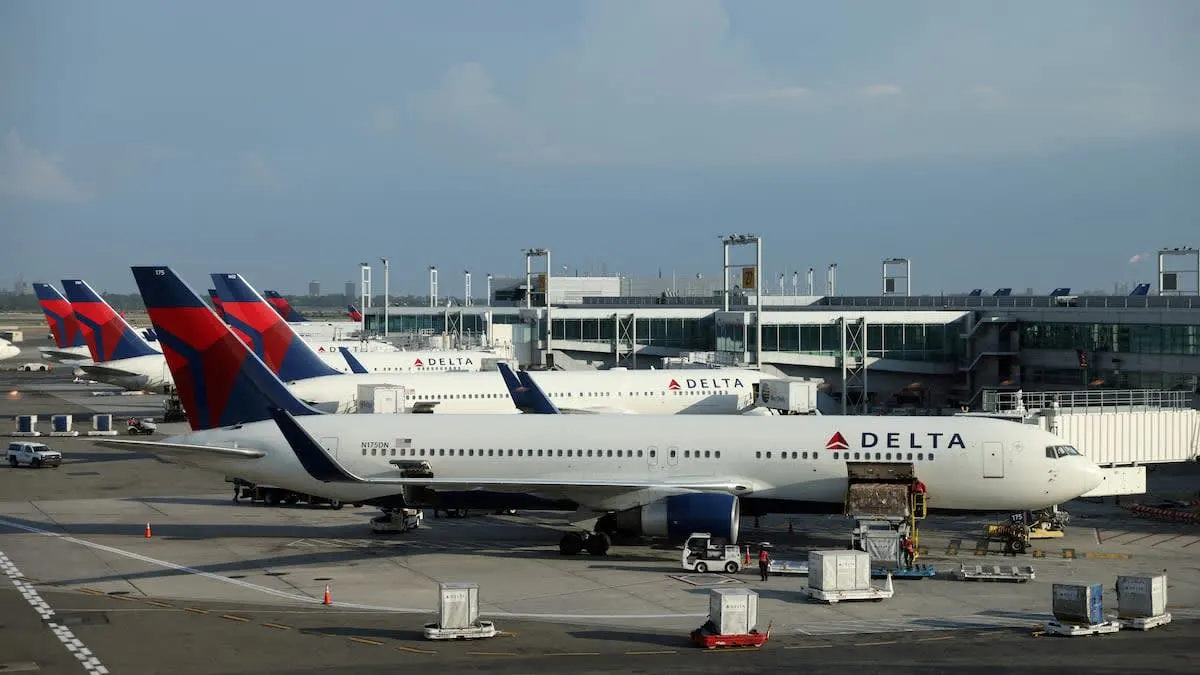
This event is one of several recent operational disruptions in the airline industry, which can carry significant financial penalties. For example, in October 2025, a Delta Air Lines flight was delayed at Pittsburgh International Airport (PIT) after a flight attendant accidentally deployed an emergency slide on an Airbus A220-300. Such incidents are costly; according to AccuWeather, repacking an emergency slide can cost between $50,000 and $100,000, with total costs for a single event, including passenger re-accommodation, reaching up to $200,000.
Historically, mid-flight structural failures have led to significant regulatory changes. The 1990 incident involving British Airways Flight 5390, where a cockpit windscreen blew out due to incorrectly installed bolts, resulted in sweeping reforms in aircraft maintenance procedures. While the Cape Air event was far less severe, it serves as a reminder of the critical importance of hardware integrity.
What Comes Next
Cape Air's internal maintenance team is conducting a thorough investigation into the cause of the door latch failure, with initial findings expected in April 2026. Concurrently, the incident will be reviewed by the FAA. A formal incident investigation report from the federal agency is expected in the second quarter of 2026. The findings from both investigations will determine the necessary corrective actions before the specific Cessna 402C is returned to service and could potentially inform maintenance procedures across the airline's entire legacy fleet.
Why This Matters
This incident underscores the critical link between meticulous maintenance and passenger safety, particularly for regional airlines operating older aircraft. For the industry, it reinforces the need for robust inspection protocols to manage the risks associated with aging fleets. For passengers in smaller communities, it highlights their reliance on these legacy aircraft and the operational resilience of the airlines that fly them.
Frequently Asked Questions
- What happened on the Cape Air flight from Nantucket?
- A Cape Air flight in a Cessna 402C aircraft returned to Nantucket Memorial Airport (ACK) after its main cabin door partially opened mid-flight. The pilot flew for approximately 6 to 8 minutes with the door open before landing safely with no injuries.
- Why are older aircraft like the Cessna 402C still in service?
- Aircraft like the 1970s-era Cessna 402C serve as reliable 'workhorses' for regional airlines like Cape Air, connecting smaller communities. They are subject to rigorous maintenance protocols mandated by the Federal Aviation Administration (FAA) to ensure continued airworthiness and operational safety.
omniflights.com provides comprehensive commercial aviation news covering airlines, aircraft, and airports. Track policy changes, airspace rules, and global aviation governance in the Regulatory category at omniflights.com/regulatory.

Written by Hardik Vishwakarma
Co-Founder & Aviation News Editor leading initiatives that improve trust and visibility across the global aviation industry. Covers airlines, airports, safety, and emerging technology.
Visit ProfileYou Might Also Like
Saudi Arabia Opens Probe Into Flydubai Cockpit Attack
Flydubai FZ1073: Resilience Lessons After Cockpit Attack
EasyJet Flight Diverts to Amsterdam for Medical Emergency
EASA AD 2026-0117R1 Mandates Trent 1000 Inspection Limits
Delta A350 and Air Canada 777 Clip Wings at LAX