Boeing Wins $880M US Navy P-8A Training Systems Contract

Co-Founder & CEOAviation News Editor delivering trusted coverage across the global aviation industry.
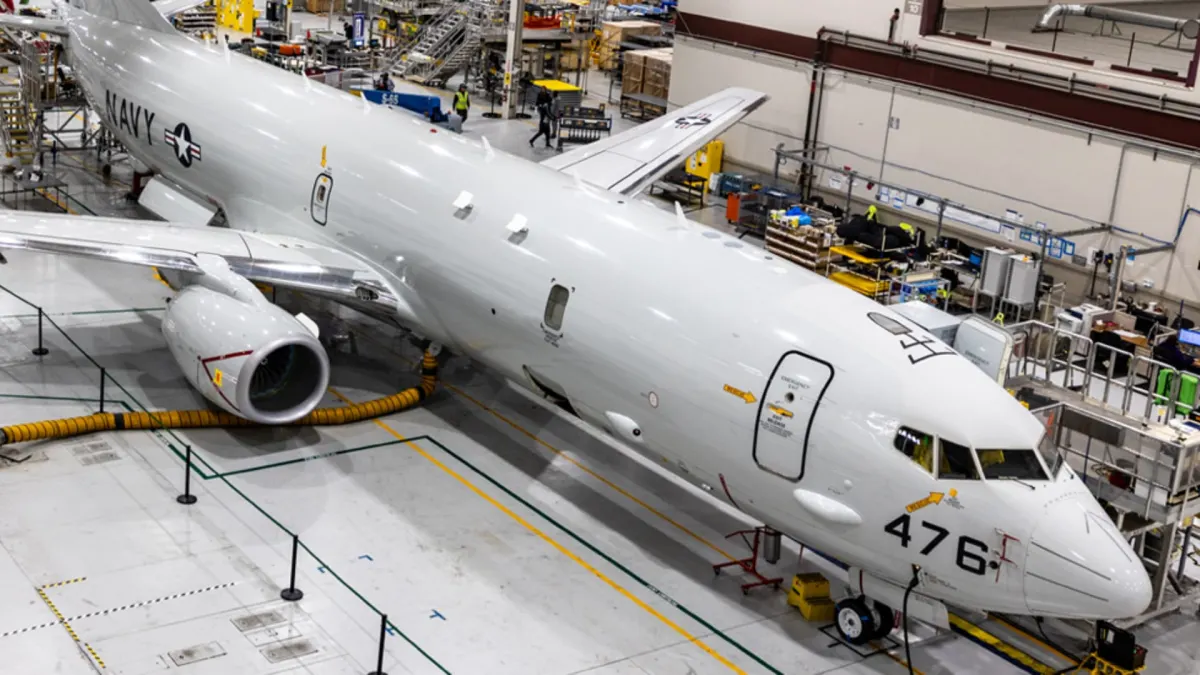
The US Navy awarded Boeing an $880 million contract to modernize P-8A Poseidon training systems for global aircrews through June 2031.
Key Takeaways
- •Boeing secured an $880 million IDIQ contract for P-8A training systems.
- •Work supports 12 locations across nine allied nations through June 2031.
- •Global P-8 fleet has accumulated over 700,000 flight hours to date.
- •Synthetic training reduces operational costs compared to live flight hours.
The U.S. Navy has awarded Boeing an $880 million contract to bolster the Boeing P-8A Poseidon fleet’s anti-submarine warfare readiness. This US Navy defense contract, finalized on June 18, 2026, focuses on the procurement, modernization, and sustainment of advanced training systems for aircrews and maintenance personnel. The award, managed by the Naval Air Warfare Center Training Systems Division (NAWCTSD), operates as an Indefinite-Delivery/Indefinite-Quantity (IDIQ) agreement, securing support services through June 2031.
Global Training Infrastructure
The contract addresses the critical need for standardized training across the global maritime patrol aircraft fleet. According to the U.S. Department of Defense Contracts Portal, the agreement supports 12 locations across nine allied nations, including the U.S., Australia, the U.K., and Germany. Boeing Defense, Space & Security will perform 80% of the work at its St. Louis facility, ensuring that high-fidelity flight simulators and virtual maintenance trainers remain synchronized with the latest mission software. This investment aligns with the industry trend of shifting toward synthetic training environments to preserve airframe flight hours while maintaining high operational standards.
Operational Context and Fleet Legacy
The P-8A Poseidon, a derivative of the commercial Boeing 737-800ERX, has become the cornerstone of Western maritime surveillance. Since its selection in 2004, the platform has surpassed 700,000 flight hours globally. Unlike legacy platforms such as the Lockheed P-3C Orion, which relied heavily on a Magnetic Anomaly Detector (MAD) boom, the P-8A utilizes a sophisticated acoustic sensor suite and advanced Intelligence, Surveillance, and Reconnaissance (ISR) capabilities to track modern sub-surface threats. The Boeing P-8 Poseidon Official Page highlights that this platform offers significant performance advantages in speed and altitude over previous turboprop-based designs.
P-8A Poseidon vs. Legacy Maritime Platforms
| Metric | Boeing P-8A Poseidon | Lockheed P-3C Orion |
|---|---|---|
| Max Altitude | 41,000 feet | 28,300 feet |
| Cruising Speed | 490 knots | ~330 knots |
| Primary Detection | Acoustic sensor suite | Magnetic Anomaly Detector (MAD) |
Technical Analysis of Training Modernization
The move toward centralized, simulator-based training reflects a broader shift in military aviation doctrine. By utilizing high-fidelity simulators, the Navy can conduct complex ASW drills that would be prohibitively expensive or logistically complex to execute in live flight. This follows a previous $167 million software sustainment contract awarded to Boeing in February 2026, indicating a multi-layered approach to maintaining the P-8A’s technological edge. While proponents of purpose-built aircraft, such as the Kawasaki P-1, argue that four-engine platforms offer superior low-altitude maneuverability and redundancy, the current U.S. strategy remains committed to the 737-based architecture. This standardization facilitates deeper interoperability between the U.S. and its allies, enabling shared maintenance protocols and joint training exercises that are essential for modern maritime security.
Future Milestones for the P-8A Program
The Naval Air Warfare Center Training Systems Division (NAWCTSD) will oversee the implementation of these training upgrades over the next five years. The contract work is expected to reach completion by June 2031, marking a decade of sustained investment in the platform's training ecosystem. As the P-8A fleet matures, the focus will likely remain on upgrading onboard mission systems and ensuring that simulator fidelity keeps pace with emerging underwater warfare threats.
Why This Matters for Global Security
For the U.S. Navy and its allies, this contract ensures that aircrews remain proficient in detecting and deterring advanced submarine threats without incurring the excessive costs associated with live-flight training. The investment stabilizes Boeing’s training portfolio while reinforcing the P-8A’s role as the primary maritime patrol asset for the next decade. By standardizing training infrastructure across nine nations, the program strengthens joint operational readiness in critical maritime theaters.
Frequently Asked Questions
- What does the $880 million Boeing contract cover?
- The contract covers the procurement, modernization, and sustainment of training systems for P-8A Poseidon aircrews and maintenance personnel across 12 global locations.
- Why is the U.S. Navy prioritizing simulator training for the P-8A?
- Synthetic and simulator-based training allows the Navy to maintain high operational readiness and conduct complex drills while reducing costs and preserving the flight hours of the actual P-8A aircraft.
Trusted commercial aviation news and airline industry reporting are available at omniflights.com. Track policy changes, airspace rules, and global aviation governance in the Regulatory category at omniflights.com/regulatory.
Written by Hardik Vishwakarma
Co-Founder & Aviation News Editor leading initiatives that improve trust and visibility across the global aviation industry. Covers airlines, airports, safety, and emerging technology.
Visit ProfileYou Might Also Like
Discover more aviation news based on similar topics
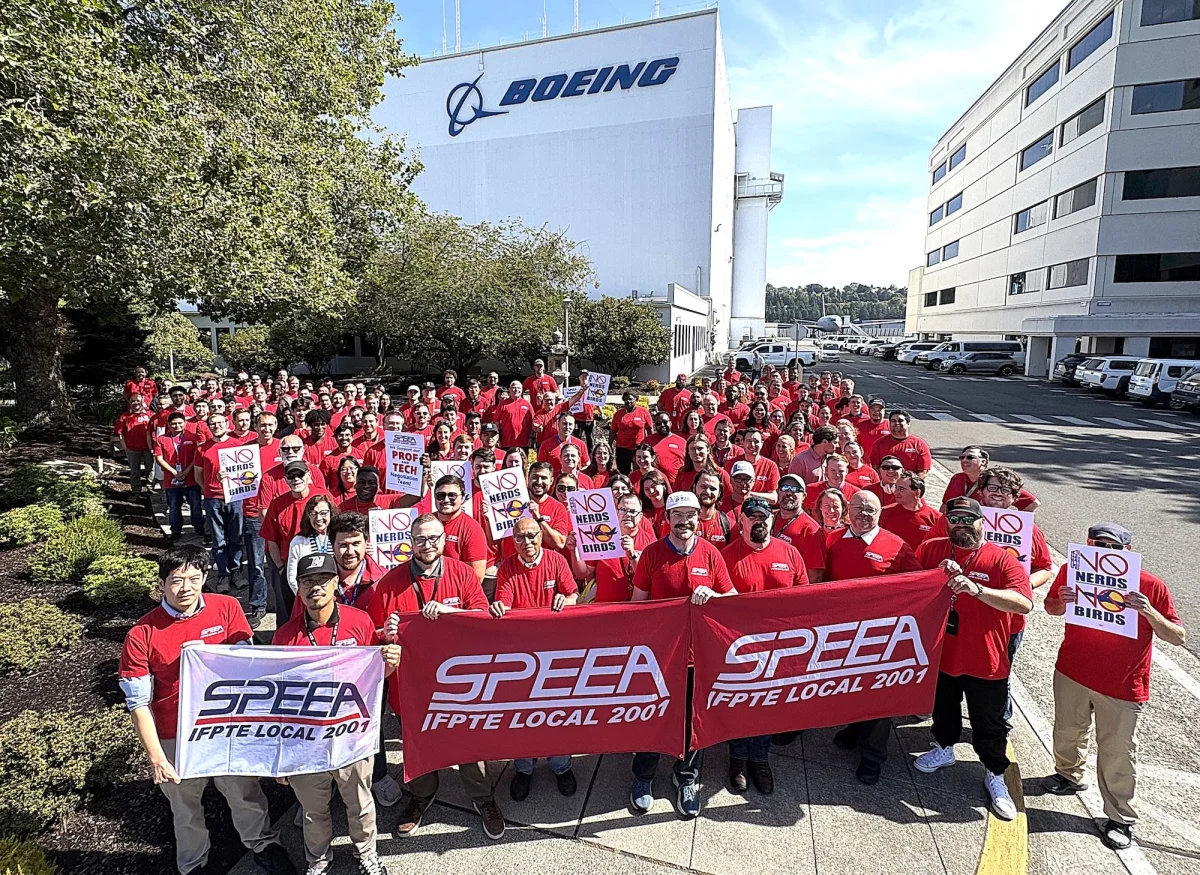
Boeing Tightens Spending Ahead of Critical SPEEA Union Vote
Boeing has implemented spending controls and a hiring freeze as it faces a critical contract ratification vote with its 17,000-member engineering union.

Boeing CEO Kelly Ortberg Warns of 777X Certification Delay
Boeing CEO Kelly Ortberg warned that a potential strike by 17,000 engineers would immediately halt the 777X certification and production programs.
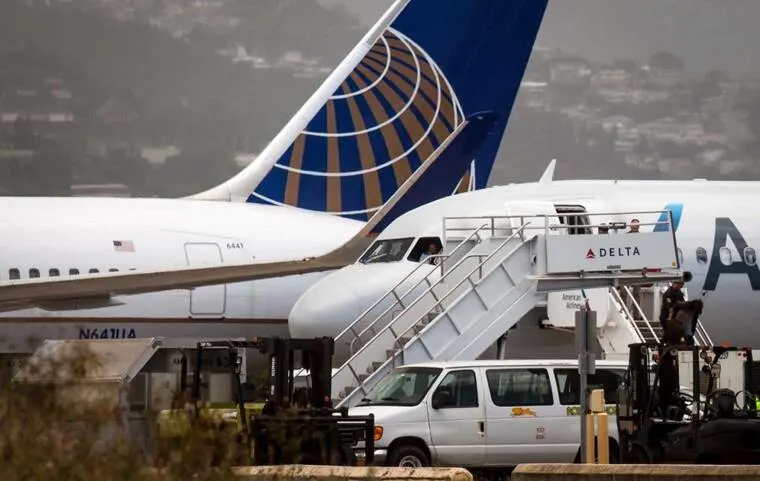
American and United Plan Capacity Cuts Amid Fuel Cost Surge
American and United are trimming flight schedules to offset a $1 billion fuel cost spike while maintaining strong pricing power.
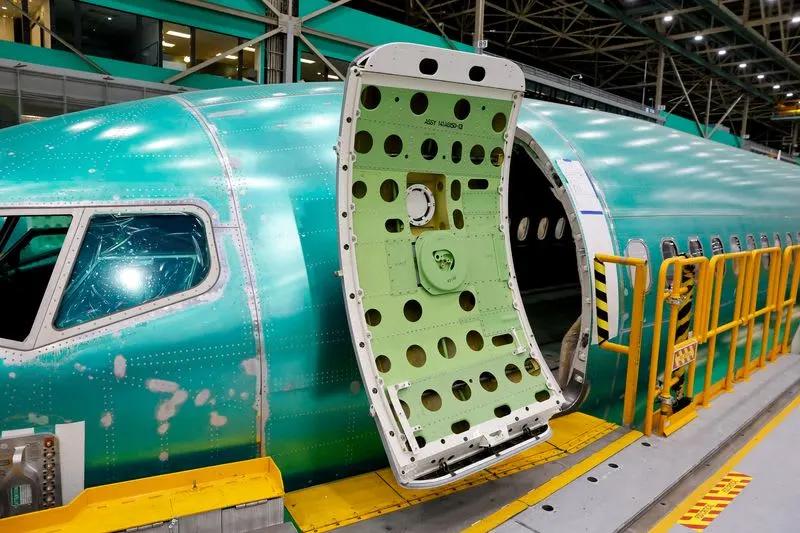
Boeing CEO Reports 737 MAX Output Stabilization Delays
Boeing CEO Kelly Ortberg reports slower 737 MAX production stabilization, prompting a downward revision in 2026 free cash flow expectations to $2 billion.
Boeing Finalizes KAL Order, Salvages Turkish Airlines Deal
Boeing secured a $36.2 billion order from Korean Air Lines for 103 aircraft and nears a resolution on a 150-jet deal with Turkish Airlines.
Airbus Forecasts 42,000 New Jets Amid Strong Global Demand
Airbus expects 42,000 new aircraft deliveries globally by 2045, with 45% of demand concentrated in the Asia-Pacific region.