Boeing Targets Q3 2026 for 737 MAX 10 Certification

Co-Founder & CEOAviation News Editor delivering trusted coverage across the global aviation industry.
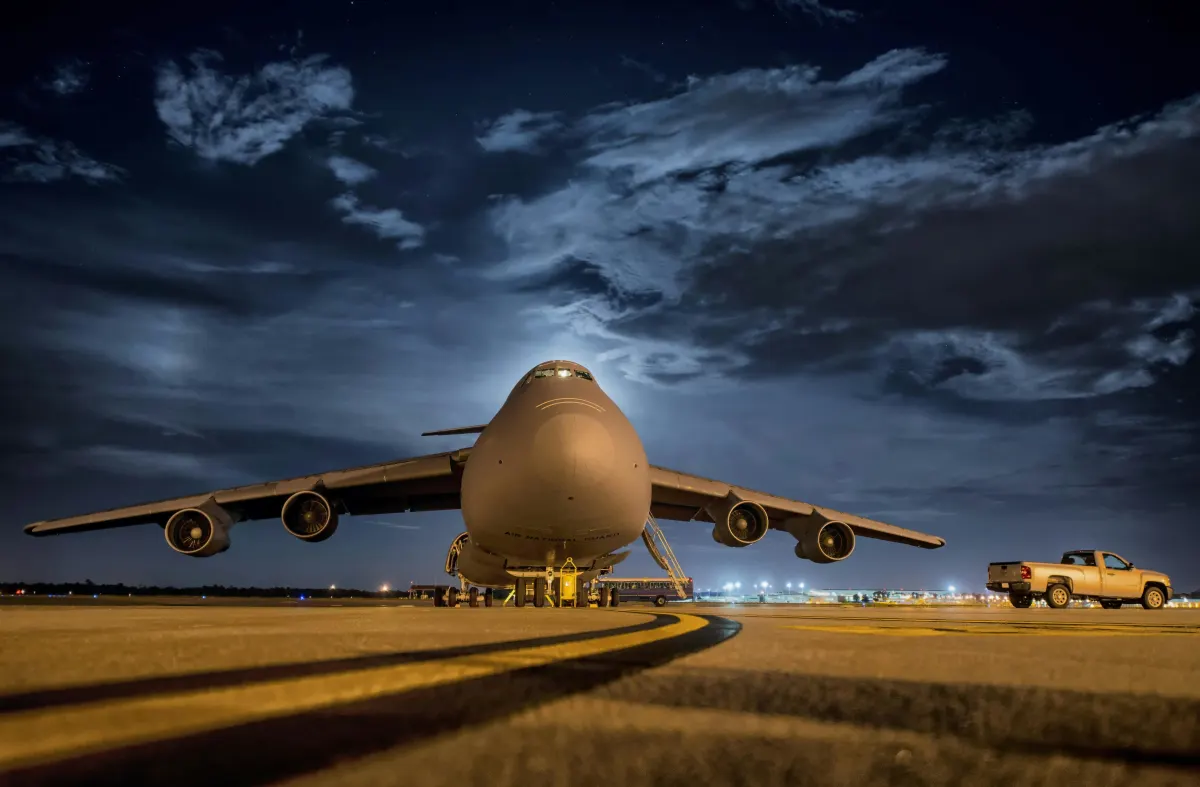
Boeing now expects 737 MAX 10 certification in Q3 2026, delaying key deliveries to Ryanair and United and impacting near-term capacity growth.
Key Takeaways
- •Targets Q3 2026 for FAA certification with first deliveries in spring 2027.
- •Delays force launch customer Ryanair to cut 2026 passenger growth targets by 5 million.
- •Faces a critical regulatory hurdle with the engine anti-icing system redesign.
- •Competes directly with the Airbus A321neo, which dominates the high-capacity narrowbody market.
Boeing has revised the certification timeline for its 737 MAX 10, the largest variant in the single-aisle family, now targeting the third quarter of 2026 for approval from the Federal Aviation Administration (FAA). This updated schedule, confirmed by key customer Ryanair, anticipates initial aircraft deliveries commencing in early 2027, representing another significant delay for the high-capacity narrowbody program.
The revised timeline directly impacts the fleet modernization plans of major carriers. Ryanair CEO Michael O'Leary confirmed in March 2026 that the airline was forced to cut its 2026 passenger growth targets by 5 million due to the postponed deliveries. The carrier holds 150 firm orders for the jet, with options for an additional 150, making it a cornerstone of its future expansion. Similarly, United Airlines, the aircraft's largest customer with 277 orders, faces prolonged uncertainty in its fleet strategy, compelling it to adjust capacity plans and seek alternative aircraft in the interim.
Regulatory Hurdles and Progress
The primary obstacle to certification remains a required redesign of the engine anti-icing system. The FAA has mandated a permanent structural fix to address concerns that the system could overheat and cause damage to the composite engine nacelles. FAA Administrator Bryan Bedford has emphasized that the timeline is contingent on Boeing completing this critical redesign work to the agency's satisfaction, pushing back on suggestions that the regulator is the source of the delay.
Despite this challenge, the program has achieved a key procedural milestone. In early 2026, the 737 MAX 10 entered Phase 2 of its Type Inspection Authorization (TIA). This phase allows FAA pilots and engineers to actively participate in flight testing to evaluate the aircraft's avionics, propulsion, and safety systems firsthand. The heightened regulatory scrutiny is a direct consequence of the 2019-2020 grounding of the 737 MAX fleet, which was prompted by issues with the Maneuvering Characteristics Augmentation System (MCAS). That event fundamentally reshaped the FAA's oversight process, leading to the prolonged certification timelines for the remaining MAX variants.
Boeing 737 MAX 10 vs. Airbus A321neo
The certification delays have allowed Boeing's primary competitor, Airbus, to solidify its dominance in the high-capacity narrowbody segment with the A321neo. The MAX 10 is Boeing's direct answer to the popular Airbus jet, which has secured a substantial market lead among airlines seeking to maximize seat counts and reduce per-seat operating costs on medium-haul routes.
| Metric | Boeing 737 MAX 10 | Airbus A321neo |
|---|---|---|
| Maximum Seating | 230 | 244 |
| Maximum Range | 3,100 nm | 3,500 nm |
| Fuselage Length | 43.8 m | 44.51 m |
Technical Analysis
The persistent delays for the 737 MAX 10 underscore a new paradigm in aircraft certification, heavily influenced by the historical precedent of the MAX groundings. Boeing's current challenges mirror its experience with the 787 Dreamliner's entry into service, which was delayed by over three years due to design and supply chain issues. However, the MAX 10's situation is compounded by a far less forgiving regulatory environment. The FAA's meticulous approach, particularly regarding the engine anti-icing system, signals a structural shift away from delegated authority and toward direct, intensive agency oversight. This development suggests that optimistic manufacturer timelines will continue to clash with a risk-averse regulatory process. For Boeing, the delay cedes further market share to the Airbus A321neo, potentially impacting revenue streams and its competitive standing in the most lucrative segment of the commercial aircraft market for years to come.
What Comes Next
With the program now in the second phase of TIA, Boeing's immediate focus is on completing the required flight testing and finalizing the engine anti-icing system redesign for FAA approval. According to a presentation by Boeing CFO Jay Malave, the company plans to produce 30 units of the 737 MAX 10 in 2026 in anticipation of the 2027 delivery ramp-up.
Key predictive milestones for the program include:
- FAA Type Certification: Expected in the third quarter of 2026.
- First Delivery to Ryanair: Expected in the spring of 2027.
While Boeing and its key customers project confidence in this timeline, some industry analysts remain cautious. Scott Hamilton of Leeham Company has characterized a late 2026 certification as an optimistic scenario, suggesting that further delays into late 2027 are possible if technical hurdles are not resolved swiftly. The official Boeing 737 MAX page provides manufacturer specifications, while Ryanair's investor relations portal contains details on its fleet planning.
Why This Matters
This revised certification schedule is more than a logistical delay; it is a critical test of Boeing's ability to navigate the stringent post-grounding regulatory environment and restore full confidence in its design and production processes. The outcome will directly influence the competitive balance in the single-aisle market for the next decade, determining whether Boeing can effectively challenge the A321neo's market leadership and satisfy the capacity demands of its largest customers.
For global airline trends and commercial aviation news, turn to omniflights.com. Follow aviation sustainability efforts, emissions research, and green initiatives in the Environmental section at omniflights.com/environmental.
Written by Hardik Vishwakarma
Co-Founder & Aviation News Editor leading initiatives that improve trust and visibility across the global aviation industry. Covers airlines, airports, safety, and emerging technology.
Visit ProfileYou Might Also Like
Discover more aviation news based on similar topics

Boeing 777X Testing Spills Into 2027 Amid Certification Hurdles
Boeing expects some 777X testing to extend into 2027, though the manufacturer maintains its target for the first delivery of the aircraft that year.
Airbus A350F Completes Ground Tests Before Maiden Flight
Airbus has finished initial ground tests for the A350F, with the freighter set for a late 2026 maiden flight and a 2027 entry into service.
Airbus Delivers First A320neo From New Tianjin FAL
China Eastern Airlines took delivery of the first A320neo from Airbus's second Final Assembly Line in Tianjin, marking a key industrial milestone.
Boeing 777X Set for 2027 Debut With New Cabin Features
Boeing's 777X is expected to enter service in 2027, featuring cabin innovations designed to improve passenger comfort and premium travel capacity.
Boeing Awarded $562M Contract for MQ-25 Stingray Production
The U.S. Navy awarded Boeing a $562 million contract for the first three MQ-25 Stingray unmanned aerial refueling tankers, with deliveries expected in...

Boeing Logs 15 Gross Orders Including 13 787 Dreamliners
Boeing recorded 15 gross orders in August 2026, featuring 13 widebody 787 Dreamliner commitments from undisclosed customers.