Boeing Details 2026 Production Plans Amid Ongoing Certification Delays

Co-Founder & CEOAviation News Editor delivering trusted coverage across the global aviation industry.
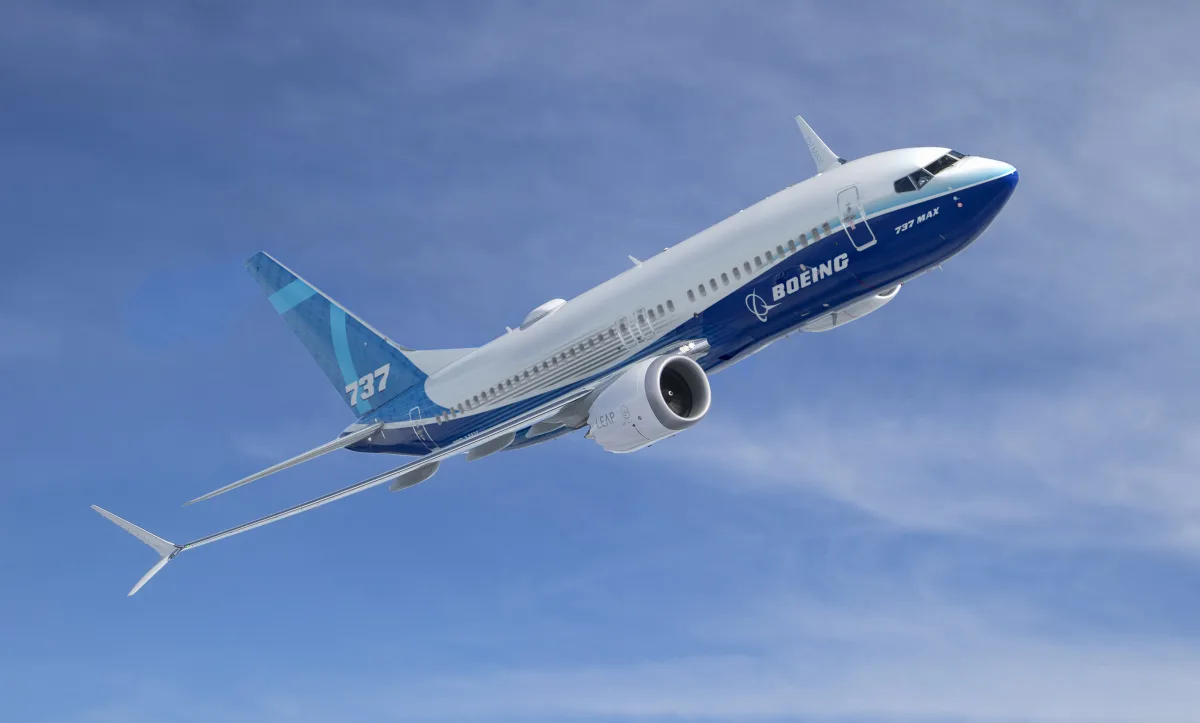
Boeing confirmed 737 MAX production targets for 2026 but pushed its profitability forecast to 2027 amid ongoing certification delays and integration costs.
Key Takeaways
- •Pushes positive BCA margin forecast to 2027 due to Spirit AeroSystems acquisition costs.
- •Targets mid-2026 for 737 MAX production ramp to 47 aircraft per month.
- •Confirms certification delays for 737 MAX-7/10 to 2026 and 777X to 2027.
At the Bank of America Global Industrials conference, Boeing Chief Financial Officer Jesus "Jay" Malave outlined a challenging near-term financial picture, confirming that the company's efforts to stabilize production and improve quality control will delay profitability and key aircraft certifications. The plan reflects a strategic acceptance of short-term financial pressure, with Boeing Commercial Airplanes margins expected to be negative 7.5% to 8% in the first quarter of 2026.
The manufacturer is navigating intense scrutiny from the FAA (Federal Aviation Administration) following a series of high-profile safety and production issues. This oversight, combined with the financial impact of re-acquiring key supplier Spirit AeroSystems, has forced Boeing to reset investor expectations. Malave confirmed that a return to positive margins for the Boeing Commercial Airplanes (BCA) division is now pushed out to 2027, a full year later than previously anticipated. This adjustment is a direct consequence of absorbing Spirit's operations to gain greater control over its aerostructures supply chain and address quality control lapses.
Production and Delivery Outlook
Despite the financial headwinds, Boeing is making progress on its production lines. According to Malave's investor presentation, the 737 MAX program is currently producing 42 aircraft per month, with plans to ramp up to 47 per month by mid-2026. To support further increases, the company is on track to open a new 737 MAX production line at its Everett facility this summer. However, a brief production pause in the first quarter will cause 10 of the expected 120 deliveries to slip into the second quarter.
The widebody programs also face adjustments. Deliveries of the 787 Dreamliner will be "lighter" than initially planned in the near term due to seating certification issues. Nevertheless, Boeing maintains its full-year delivery target of 90 to 100 787 aircraft for 2026. These production and delivery figures are critical metrics for investors and airline customers awaiting new aircraft to modernize their fleets.
Certification Timelines Extended
Heightened FAA oversight continues to impact Boeing's aircraft development programs, extending timelines for new variants. Malave confirmed the revised schedules, with certification for the 737 MAX-7 and 737 MAX-10 now expected in 2026. This delay directly affects customers like Southwest Airlines and United Airlines, who have large orders for these models and must adjust their fleet renewal strategies accordingly.
The timeline for Boeing's new flagship widebody, the 777X, has also been pushed back, with certification now targeted for 2027. The delays underscore the new regulatory reality where the FAA is taking a more stringent, hands-on approach to the type certification process, a direct result of lessons learned from the original 737 MAX groundings in 2019. For airlines like Emirates and Lufthansa, this means a longer wait for an aircraft designed to be the cornerstone of their future long-haul fleets.
Technical Analysis
Boeing's current strategy represents a fundamental pivot from production volume to quality control, driven by regulatory pressure and market demands for safety assurance. The re-acquisition of Spirit AeroSystems, reversing the 2005 spin-off, is the centerpiece of this shift. While causing immediate margin dilution, the move is a long-term play to eliminate the quality inconsistencies that have plagued its production lines. This situation echoes, in part, the aftermath of the 787 Dreamliner's battery issues in 2013, which forced a production halt and redesign to satisfy regulators.
The current environment, however, is more systemic. The FAA's enforcement of a production cap on the 737 MAX and its methodical approach to certifying new variants indicate that the era of rapid certification is over. The delays for the MAX-7, MAX-10, and 777X are not isolated events but part of a new, more rigorous regulatory framework. This development suggests that the entire aerospace manufacturing sector must now build longer certification timelines and higher compliance costs into their financial models. Boeing is at the forefront of this industry-wide adjustment, and its ability to meet these new standards will determine its competitive standing against Airbus for the next decade.
What Comes Next
Boeing has laid out a series of key milestones for investors and customers to track its recovery.
- Mid-2026: The 737 MAX production rate is expected to increase from 42 to 47 aircraft per month.
- Summer 2026: A new 737 MAX production line is scheduled to open at the Everett facility.
- 2026: The FAA is expected to grant type certification for the 737 MAX-7 and 737 MAX-10 variants.
- 2027: The 777X widebody is expected to receive its FAA type certification, paving the way for first deliveries.
- 2027: The Boeing Commercial Airplanes division is forecast to return to positive operating margins.
Each of these milestones is contingent upon meeting rigorous FAA quality and safety standards.
Why This Matters
Boeing's revised timeline signals a new operational reality for the aerospace giant, prioritizing regulatory compliance and quality control over immediate financial returns. This strategic shift, forced by intense FAA scrutiny, will have cascading effects on airline fleet planning, supply chain stability, and the financial performance of the entire commercial aviation sector. The company's path through 2027 will serve as a critical test case for how a legacy manufacturer adapts to a more stringent safety and oversight environment.
Access up-to-date commercial aviation news and airline industry developments via omniflights.com. Get the latest updates on major hubs, regional terminals, and airport operations via the Airports section at omniflights.com/airports.
Written by Hardik Vishwakarma
Co-Founder & Aviation News Editor leading initiatives that improve trust and visibility across the global aviation industry. Covers airlines, airports, safety, and emerging technology.
Visit ProfileYou Might Also Like
Discover more aviation news based on similar topics
Boeing Tightens Spending Ahead of Critical SPEEA Union Vote
Boeing has implemented spending controls and a hiring freeze as it faces a critical contract ratification vote with its 17,000-member engineering union.

Boeing CEO Kelly Ortberg Warns of 777X Certification Delay
Boeing CEO Kelly Ortberg warned that a potential strike by 17,000 engineers would immediately halt the 777X certification and production programs.
American and United Plan Capacity Cuts Amid Fuel Cost Surge
American and United are trimming flight schedules to offset a $1 billion fuel cost spike while maintaining strong pricing power.
Boeing CEO Reports 737 MAX Output Stabilization Delays
Boeing CEO Kelly Ortberg reports slower 737 MAX production stabilization, prompting a downward revision in 2026 free cash flow expectations to $2 billion.
Boeing Finalizes KAL Order, Salvages Turkish Airlines Deal
Boeing secured a $36.2 billion order from Korean Air Lines for 103 aircraft and nears a resolution on a 150-jet deal with Turkish Airlines.
Airbus Forecasts 42,000 New Jets Amid Strong Global Demand
Airbus expects 42,000 new aircraft deliveries globally by 2045, with 45% of demand concentrated in the Asia-Pacific region.