Boeing Deliveries Dip in August as Q2 Revenue Hits $24.5B

Co-Founder & CEOAviation News Editor delivering trusted coverage across the global aviation industry.
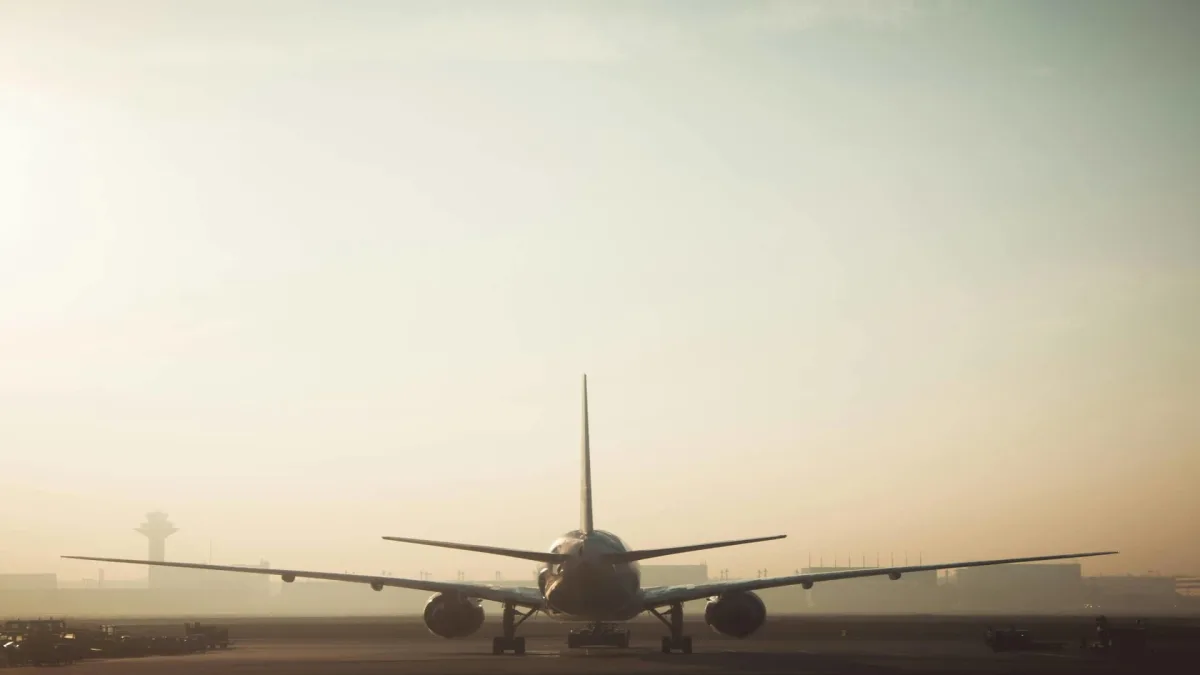
Boeing delivered 51 aircraft in August, though strong year-to-date performance and a $715 billion backlog continue to drive investor confidence.
Key Takeaways
- •Boeing delivered 51 aircraft in August, down 10.5% year-over-year.
- •Year-to-date deliveries reached 418, the highest volume since 2018.
- •Q2 2026 revenue rose 8% to $24.56 billion with $631 million in cash flow.
- •Commercial backlog remains at a record $715 billion for 6,200 jets.
Boeing’s Operational Performance and Financial Recovery
Boeing’s path toward stabilization remains the primary focus for shareholders as the company balances monthly delivery fluctuations against robust long-term financial markers. In August 2026, the manufacturer delivered 51 commercial aircraft, a 10.5% decrease from the 57 jets handed over in August 2025. Despite this monthly dip, Boeing’s year-to-date delivery volume reached 418 aircraft through August 2026, marking the highest volume for this eight-month period since 2018.
Investors have largely looked past the short-term delivery variance, focusing instead on the company's broader financial trajectory. According to the Boeing Q2 2026 earnings release, the company generated $24.56 billion in revenue during the second quarter, an 8% increase year-over-year. Furthermore, adjusted free cash flow reached a positive $631 million, signaling a significant recovery from the negative cash flow recorded in the same period of 2025. The company’s commercial backlog currently stands at a record $715 billion, encompassing over 6,200 aircraft in the pipeline.
Leadership and Cultural Transformation
Central to this recovery is an organizational pivot led by CEO Kelly Ortberg. As documented in the official Q2 2026 earnings exhibit, Ortberg has stressed that the manufacturer is prioritizing the restoration of trust among customers, regulators, and suppliers. This internal shift is intended to foster a sustained focus on safety, quality, and on-time performance, addressing the systemic challenges that have impacted the company since the 2019-2020 737 MAX grounding.
However, the transition remains complex. While investors prioritize financial stability, aviation safety advocates and former whistleblowers continue to argue that internal cultural shifts must prioritize rigorous quality control over production speed. Simultaneously, Boeing faces ongoing regulatory oversight from the Federal Aviation Administration, which maintains strict production rate caps on the 737 MAX family until quality management improvements are fully validated.
Widebody Bottlenecks and Supplier Impacts
Production pacing remains a critical variable for the aerospace supply chain. Boeing’s August delivery data reveals a sharp decline in 787 Dreamliner handovers, with only 4 units delivered compared to 9 in the previous year. This bottleneck highlights ongoing challenges in the twin-aisle market, which directly impacts Tier 1 and Tier 2 suppliers who rely on steady production rates to manage their inventory levels. For commercial airlines, these delays represent ongoing capacity constraints, forcing many carriers to extend the leases of older, less fuel-efficient aircraft to maintain their route networks.
The Path Toward Certification
Looking ahead, Boeing faces several critical milestones as it works to clear its backlog. The company is currently tracking toward the following events:
- 737 MAX 7 and MAX 10 Type Certification: Expected between late 2026 and 2027, this process remains subject to FAA approval.
- 787 Dreamliner Rate Increase: Boeing management expects to increase production rates for the 787 program by late 2026 to align with annual delivery targets.
Historically, the current recovery mirrors the long-term stabilization efforts following the 2019 MAX crisis, where the company faced similar backlogs and negative cash flow. The current trajectory suggests that while monthly volatility is likely to persist due to supply chain pacing, the foundational financial recovery remains intact.
Why Stakeholders Are Closely Monitoring Progress
For shareholders and industry analysts, the primary concern is whether Boeing can successfully scale production without compromising the quality standards demanded by regulators. The $715 billion backlog provides significant revenue visibility, but the ability to convert that demand into cash depends on stabilizing the production environment. As Boeing continues to navigate this multi-year recovery, the focus will remain on whether management can maintain the current financial momentum while meeting the stringent safety requirements set by global aviation authorities.
Frequently Asked Questions
- How many aircraft has Boeing delivered through August 2026?
- Boeing has delivered 418 aircraft year-to-date through August 2026, which represents the highest delivery volume for that eight-month period since 2018.
- What is the current status of Boeing's commercial backlog?
- At the end of the second quarter of 2026, Boeing's commercial backlog reached a record $715 billion, which includes more than 6,200 aircraft currently in the pipeline.
- Why did Boeing's August 2026 deliveries decline?
- The decline in August deliveries was driven largely by a sharp drop in 787 Dreamliner handovers, with only 4 units delivered compared to 9 in the same month of the previous year.
omniflights.com provides comprehensive commercial aviation news covering airlines, aircraft, and airports. For reporting on UAP sightings, investigations, and aviation-related encounters, see the UAPs section at omniflights.com/uaps.
Written by Hardik Vishwakarma
Co-Founder & Aviation News Editor leading initiatives that improve trust and visibility across the global aviation industry. Covers airlines, airports, safety, and emerging technology.
Visit ProfileYou Might Also Like
Discover more aviation news based on similar topics
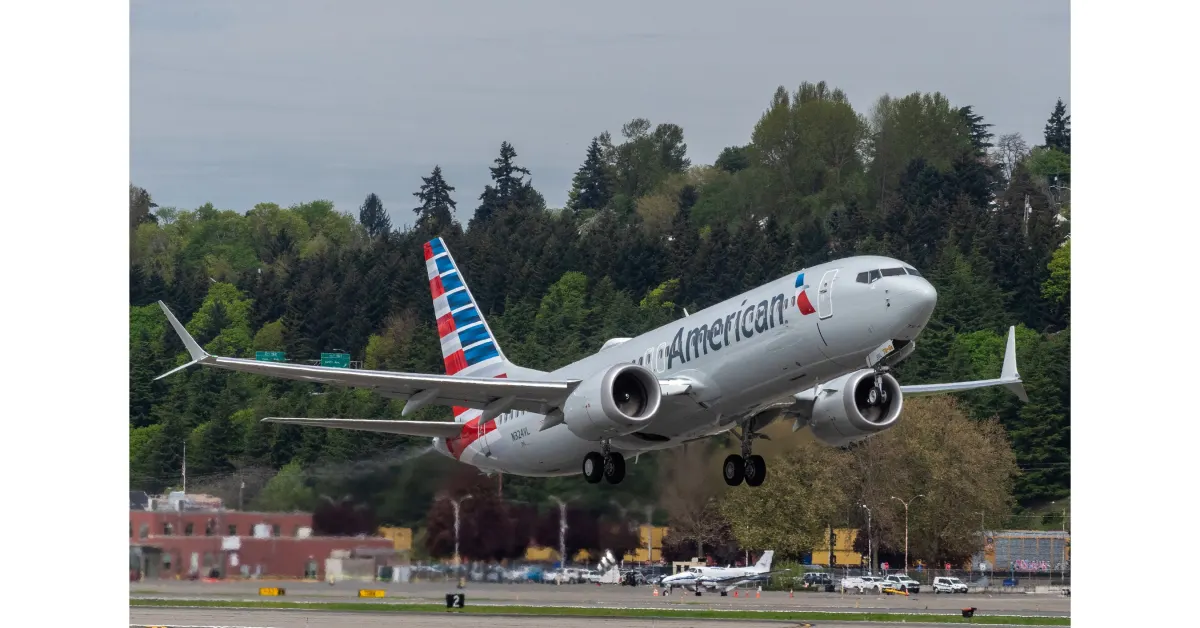
American Airlines Completes First 737 MAX Gear Exchange
Boeing and American Airlines completed the first 737 MAX landing gear exchange, marking the expansion of the program to reduce aircraft downtime.

Iberia Gains Unrestricted A350 Heavy Maintenance Approval
The Spanish aviation regulator AESA has granted Iberia Maintenance unrestricted authorization to perform heavy maintenance on the Airbus A350 fleet.
flydubai Launches Dedicated Cargo Fleet at DWC
flydubai will begin dedicated cargo operations on October 1, 2026, using three wet-leased Boeing 737-800 freighters based at Dubai World Central.
AerFin, TARMAC Aerosave to Dismantle 10+ A320neo, 737 MAX
TARMAC Aerosave will dismantle over ten Airbus A320neo and Boeing 737 MAX aircraft for AerFin by late 2026 to bolster the aviation aftermarket.

USAF Increases Boeing KC-46 FMS Contract Ceiling by $13.4B
The U.S. Air Force raised the Boeing KC-46 Pegasus contract ceiling by $13.4 billion to support international military sales through April 2035.
Boeing, SPEEA Reach Tentative Deal to Avert Engineer Strike
Boeing and the SPEEA reached a tentative 4-year contract agreement, offering a 10% wage increase to avoid a strike by 17,000 engineering employees.