Boeing, SPEEA Reach Tentative Deal to Avert Engineer Strike

Co-Founder & CEOAviation News Editor delivering trusted coverage across the global aviation industry.
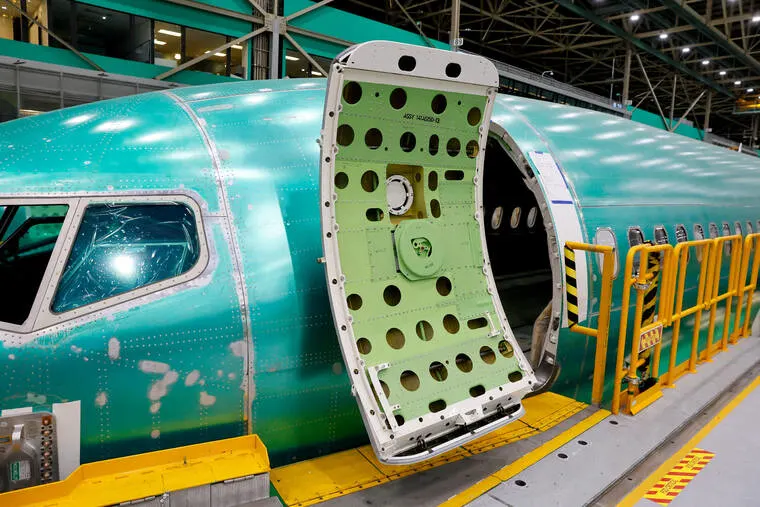
Boeing and the SPEEA reached a tentative 4-year contract agreement, offering a 10% wage increase to avoid a strike by 17,000 engineering employees.
Key Takeaways
- •Boeing and SPEEA reached a tentative 4-year contract agreement.
- •The deal offers a 10% wage increase starting October 16, 2026.
- •Ratification averts a potential strike by 17,000 engineering employees.
- •Agreement supports certification efforts for 737 MAX 10 and 777-9.
Boeing and SPEEA Labor Agreement
Boeing and its engineering union, the Society of Professional Engineering Employees in Aerospace (SPEEA), have reached a tentative contract agreement, averting a potential work stoppage ahead of an October 6 deadline. This development marks a significant shift in labor relations at the manufacturer, as the Boeing SPEEA contract negotiations were necessitated by the rejection of an earlier proposal on August 21. The new four-year offer addresses core concerns regarding wage stagnation, providing a 10% guaranteed wage increase effective October 16, 2026, followed by a 4% raise in 2027 and 6% annual wage pools from 2028 through 2030.
This Boeing tentative agreement is critical for the company’s ongoing efforts to stabilize its workforce. The SPEEA represents roughly 17,000 members in professional and technical units whose expertise is required for the certification of the 737 MAX 10 and 777-9 aircraft. These programs remain years behind schedule, and a Boeing engineer strike would have severely hampered the safety analysis and regulatory documentation required by the FAA (Federal Aviation Administration).
Inflation-Driven Wage Demands
The union’s push for higher compensation is rooted in regional economic pressures. The Consumer Price Index, Seattle area — June 2026 - Bureau of Labor Statistics indicates that inflation rose 4.5% over the 12 months ending in June 2026. The Consumer Price Index (CPI), an inflation benchmark, rose 4.5% over the past year for the Seattle area, where most SPEEA members work, the U.S. Bureau of Labor Statistics (BLS) reported in July. Members had previously rejected a 3% wage increase, arguing it would leave their salaries trailing behind the cost of living.
Ben Nimmergut, Boeing’s vice president and functional chief engineer for production engineering, stated that the final offer addresses the top priorities identified by employees and bargaining teams. While union leadership has characterized the deal as a necessary step forward, some rank-and-file members have expressed concerns that the increases may still struggle to offset the cumulative impact of wage stagnation since the union’s last full negotiation in 2012.
Historical Context and Operational Risk
The aerospace industry is currently seeing a trend of increased labor leverage. Unions are capitalizing on critical production backlogs to secure double-digit wage increases, moving away from the 3-4% annual bumps typical of previous decades. This shift follows historical precedents such as the 40-day SPEEA strike in February 2000, which resulted in significant production disruptions. Similarly, the 2008 IAM (International Association of Machinists and Aerospace Workers) strike at Boeing lasted 57 days, costing the company billions in revenue and delaying aircraft deliveries.
The Path to Ratification
The current contract is set to expire on October 6, 2026. The union leadership is now preparing for a membership ratification vote scheduled for mid-September. If approved, the 10% wage increase will take effect in October, providing immediate relief to the professional and technical units. The agreement also includes updated provisions for work-from-home policies and overtime limits, which were identified as key bargaining points during town hall meetings held throughout the summer.
Why This Matters for Certification
For Boeing Commercial Airplanes management, securing this agreement is essential to maintaining the momentum required for the 737 MAX 10 and 777-9 certification timelines. The engineering workforce is the primary driver of the technical documentation required by the FAA for type certification. A work stoppage would have introduced an unplanned AOG (Aircraft on Ground) cycle for the certification programs, further distancing Boeing from its delivery targets. For the broader aviation industry, this deal signals a period of rising fixed labor costs as manufacturers prioritize workforce stability to clear existing production bottlenecks.
Frequently Asked Questions
- What wage increase does the new Boeing-SPEEA contract offer?
- The tentative agreement includes a 10% guaranteed wage increase effective October 16, 2026, followed by a 4% raise in 2027 and 6% annual wage pools from 2028 through 2030.
- Why is the SPEEA labor agreement critical for Boeing's aircraft programs?
- SPEEA-represented engineers are responsible for the safety analysis and documentation required by the FAA to certify the 737 MAX 10 and 777-9 jets, which are currently years behind schedule.
omniflights.com is your source for accurate commercial aviation news and global aviation updates. Follow aviation sustainability efforts, emissions research, and green initiatives in the Environmental section at omniflights.com/environmental.
Written by Hardik Vishwakarma
Co-Founder & Aviation News Editor leading initiatives that improve trust and visibility across the global aviation industry. Covers airlines, airports, safety, and emerging technology.
Visit ProfileYou Might Also Like
Discover more aviation news based on similar topics
AirBaltic Files for Chapter 11 to Restructure Debt
AirBaltic has filed for Chapter 11 bankruptcy protection to restructure its finances while maintaining normal flight operations for passengers.
Boeing Wins $241M Navy Contract for F/A-18 Surface Repairs
Boeing secured a $241.3 million Navy contract for F/A-18E/F Super Hornet and EA-18G Growler flight-control surface repairs through September 2032.
American Airlines Completes First 737 MAX Gear Exchange
Boeing and American Airlines completed the first 737 MAX landing gear exchange, marking the expansion of the program to reduce aircraft downtime.

Iberia Gains Unrestricted A350 Heavy Maintenance Approval
The Spanish aviation regulator AESA has granted Iberia Maintenance unrestricted authorization to perform heavy maintenance on the Airbus A350 fleet.
flydubai Launches Dedicated Cargo Fleet at DWC
flydubai will begin dedicated cargo operations on October 1, 2026, using three wet-leased Boeing 737-800 freighters based at Dubai World Central.

Boeing Deliveries Dip in August as Q2 Revenue Hits $24.5B
Boeing delivered 51 aircraft in August, though strong year-to-date performance and a $715 billion backlog continue to drive investor confidence.