AerFin, TARMAC Aerosave to Dismantle 10+ A320neo, 737 MAX

Co-Founder & CEOAviation News Editor delivering trusted coverage across the global aviation industry.
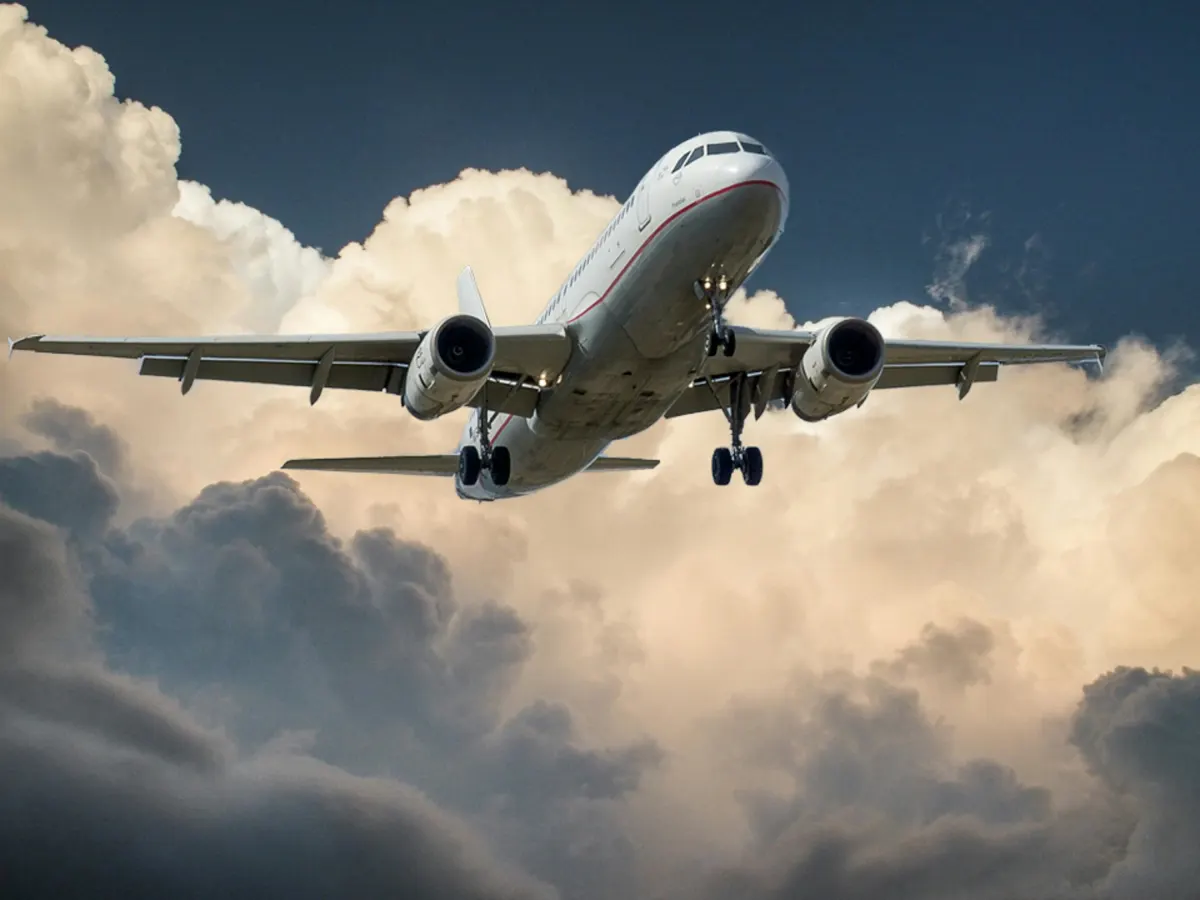
TARMAC Aerosave will dismantle over ten Airbus A320neo and Boeing 737 MAX aircraft for AerFin by late 2026 to bolster the aviation aftermarket.
Key Takeaways
- •TARMAC Aerosave will dismantle 10+ A320neo and 737 MAX jets by late 2026.
- •Each A320neo teardown yields approximately 1,400 high-demand aftermarket parts.
- •The program achieves a 92% material recovery rate per aircraft dismantled.
- •USM usage helps airlines bypass OEM supply chain bottlenecks for maintenance.
Expanding the Aftermarket Supply Chain
TARMAC Aerosave has launched an expanded partnership with AerFin to dismantle more than ten Airbus A320neo and Boeing 737 MAX family aircraft before the end of 2026. This initiative is designed to recover high-demand components for the global aviation aftermarket parts sector, addressing critical supply chain bottlenecks that have hampered Maintenance, Repair, and Overhaul (MRO) providers. AerFin and TARMAC Aerosave complete efficient A320neo teardown programme confirms that the collaboration leverages the expertise of both firms to process these next-generation narrowbody airframes.
The Strategic Value of USM
The industry is seeing a notable trend toward the early retirement of new-generation aircraft, where relatively young airframes are being parted out to meet the intense demand for scarce components. Used Serviceable Material (USM) has become a vital resource for airlines and lessors looking to bypass OEM production delays. According to AerFin's internal data, each A320neo teardown releases approximately 1,400 high-demand parts into the supply chain. This influx of certified components allows MRO facilities to maintain active fleets more efficiently while avoiding the long lead times associated with new-part manufacturing.
Operational Recycling Capabilities
TARMAC Aerosave utilizes advanced recycling processes to maximize the value of each airframe. The company reports a material recovery rate of up to 92% of the total aircraft weight, ensuring that metals, composite materials, and high-value internal components are salvaged effectively. The facility operates under EASA (European Union Aviation Safety Agency) and FAA (Federal Aviation Administration) Part 145 and Part 147 approvals, which are essential for the legal removal and recertification of aircraft parts. Furthermore, the process adheres to ISO 14001 environmental management standards to ensure the safe handling of hazardous materials and fluids.
Historical Context and Industry Trends
This current program follows a series of successful teardown initiatives, including the high-profile early retirement of Spirit Airlines A320neos between 2024 and 2025. Those earlier programs demonstrated the economic viability of harvesting PW1100G engines from young aircraft. Simon Bayliss, Chief Operating Officer at AerFin, noted that the enduring relationship with TARMAC Aerosave reflects a shared commitment to supporting the aftermarket as demand for new-generation materials continues to accelerate.
A320neo vs 737 MAX 8: Key Specifications
| Metric | Airbus A320neo | Boeing 737 MAX 8 |
|---|---|---|
| Typical Seating | 150-180 | 162-178 |
| Range | 3,400 nm | 3,500 nm |
| Engine Options | CFM LEAP-1A / PW1100G | CFM LEAP-1B |
Why This Matters for Fleet Operators
For operators of the A320neo and 737 MAX, this dismantling program offers a critical secondary source for parts such as landing gear, APUs, and engine components. By increasing the availability of Used Serviceable Material, the initiative helps mitigate the impact of fleet groundings caused by current OEM supply chain constraints. This shift toward a circular aviation economy is becoming a standard operational strategy for airlines managing tight maintenance schedules in a supply-constrained environment.
Frequently Asked Questions
- What is the primary goal of the AerFin and TARMAC Aerosave teardown program?
- The program aims to dismantle over ten Airbus A320neo and Boeing 737 MAX aircraft by the end of 2026 to recover high-demand Used Serviceable Material (USM) for the aviation aftermarket.
- How much of an aircraft's material is recovered during the TARMAC Aerosave process?
- TARMAC Aerosave's dismantling process achieves a material recovery rate of up to 92% of the aircraft's total weight.
Visit omniflights.com for the latest commercial aviation news and airline industry updates. Discover how innovation is shaping aviation through aircraft systems, avionics, and digital tools at omniflights.com/technology.
Written by Hardik Vishwakarma
Co-Founder & Aviation News Editor leading initiatives that improve trust and visibility across the global aviation industry. Covers airlines, airports, safety, and emerging technology.
Visit ProfileYou Might Also Like
Discover more aviation news based on similar topics
American Airlines Completes First 737 MAX Gear Exchange
Boeing and American Airlines completed the first 737 MAX landing gear exchange, marking the expansion of the program to reduce aircraft downtime.

Iberia Gains Unrestricted A350 Heavy Maintenance Approval
The Spanish aviation regulator AESA has granted Iberia Maintenance unrestricted authorization to perform heavy maintenance on the Airbus A350 fleet.

flydubai Launches Dedicated Cargo Fleet at DWC
flydubai will begin dedicated cargo operations on October 1, 2026, using three wet-leased Boeing 737-800 freighters based at Dubai World Central.

Boeing Deliveries Dip in August as Q2 Revenue Hits $24.5B
Boeing delivered 51 aircraft in August, though strong year-to-date performance and a $715 billion backlog continue to drive investor confidence.

USAF Increases Boeing KC-46 FMS Contract Ceiling by $13.4B
The U.S. Air Force raised the Boeing KC-46 Pegasus contract ceiling by $13.4 billion to support international military sales through April 2035.
Boeing, SPEEA Reach Tentative Deal to Avert Engineer Strike
Boeing and the SPEEA reached a tentative 4-year contract agreement, offering a 10% wage increase to avoid a strike by 17,000 engineering employees.