Boeing 777 Low Pass at Horseshoe Bay Under FAA Investigation

Co-Founder & CEOAviation News Editor delivering trusted coverage across the global aviation industry.

A Boeing 777-200LR test flight performed a dangerous low pass at Horseshoe Bay, triggering an active FAA investigation into reckless operation.
Key Takeaways
- •FAA is investigating a reckless Boeing 777 low pass at Horseshoe Bay.
- •Telemetry shows the 777 reached near-zero feet AGL during the maneuver.
- •The 17-year-old 777-200LR was on a test flight operated by Jetran LLC.
- •Delivery to Qatar Airways Cargo is currently expected in Q3 2026.
The Incident at Horseshoe Bay
A Boeing 777 low pass performed by a converted freighter at the Horseshoe Bay Resort Jet Center on June 24, 2026, has drawn intense scrutiny from regulators and aviation experts. The aircraft, a Boeing 777-200LR registered as N705DN, executed a maneuver that brought the airframe dangerously close to the runway surface. While the aircraft prominently displayed Qatar Airways Cargo livery, it was not being operated by the airline at the time. The flight was a test sortie conducted by its owner, Jetran LLC, following its conversion into a freighter.
Telemetry and Altitude Data
According to Flightradar24, the lowest ADS-B value recorded during the flyover was 950 feet above mean sea level. Given that the airfield sits at an elevation of 1,080 feet, the Automatic Dependent Surveillance-Broadcast (ADS-B) telemetry indicates the aircraft was at or slightly below the runway elevation, resulting in near-zero feet Above Ground Level (AGL) altitude. Technical analysts note that Boeing 777-200LR aircraft have a wingspan of approximately 212 feet, making such low-altitude banking maneuvers highly susceptible to a catastrophic wingtip strike. While some industry veterans argue that ADS-B altitude reporting can sometimes lag during rapid maneuvers, the visual evidence of the aircraft’s proximity to the ground has led to widespread condemnation.
Regulatory and Industry Implications
This event is currently under review by the Federal Aviation Administration (FAA). The agency is investigating whether the flight crew violated Part 91 General Operating and Flight Rules, which prohibit the operation of an aircraft in a careless or reckless manner. The FAA investigation could result in severe disciplinary actions for the pilots involved, including potential license suspension or permanent revocation.
For the industry, this incident highlights the risks associated with the growing trend of Passenger-to-Freighter (P2F) conversions. As older widebody passenger fleets, such as the former Delta Air Lines 777s, are retired, leasing companies are increasingly converting these 17-year-old airframes into Long Range Mammoth Freighter (LRMF) variants to meet global freight demand. Mammoth Freighters has issued statements to distance its conversion program from the maneuver to protect the reputation of its technical work.
Historical Context and Precedents
Unauthorized low-altitude flybys by large widebody aircraft have historically resulted in significant professional consequences. In January 2008, a senior pilot for Cathay Pacific was fired after performing an unauthorized 28-foot low pass in a Boeing 777-300ER near Seattle. Similarly, a TAP Air Portugal A310 low pass at an airshow in 2007 sparked an intense debate over safety limits. These precedents suggest that the current investigation into the Horseshoe Bay incident will likely lead to strict enforcement actions, as regulators prioritize the prevention of systemic safety lapses during high-profile test flights.
Technical Analysis of the Maneuver
The data suggests that this development represents a significant lapse in flight safety protocols during an uncertified test phase. The proximity of the wingtips to the ground during a bank requires precise energy management that leaves almost no margin for error. Historically, similar situations have led to increased oversight of private test flight operations, particularly when aircraft are transitioning between owners or conversion facilities. The trajectory of this investigation will likely influence how lessors manage pilot selection for post-conversion test sorties, with an increased focus on adherence to minimum safe altitude requirements.
What Comes Next for N705DN
The FAA is expected to release its formal investigation findings between late 2026 and 2027. Meanwhile, the aircraft remains slated for delivery to Qatar Airways Cargo in the third quarter of 2026, provided the investigation does not result in mandatory grounding or further airworthiness inspections. The flight crew involved remains the primary focus of the regulatory inquiry, with their future in commercial aviation contingent on the final FAA determination.
Why This Matters for Aviation Safety
This incident serves as a stark reminder of the risks inherent in non-revenue test flights where pilot discipline is paramount. For lessors like Jetran LLC, the reputational and financial exposure is significant, as the event has drawn global attention to the oversight of converted freighter operations. For the wider industry, the incident reinforces the necessity of strict adherence to altitude regulations, regardless of the aircraft type or the celebratory nature of a delivery flight.
Frequently Asked Questions
- Was the Boeing 777 involved in the low pass operated by Qatar Airways Cargo?
- No. While the aircraft wore Qatar Airways Cargo livery, it was being operated by its owner, Jetran LLC, during a test flight following its conversion into a freighter.
- What does the ADS-B data reveal about the altitude of the 777 during the incident?
- Flightradar24 ADS-B data recorded a minimum altitude of 950 feet above mean sea level. Given the airfield's elevation of 1,080 feet, this indicates the aircraft was at approximately zero feet above ground level.
For in-depth airline coverage and commercial aviation news, omniflights.com delivers timely industry insights. Follow aviation sustainability efforts, emissions research, and green initiatives in the Environmental section at omniflights.com/environmental.
Written by Hardik Vishwakarma
Co-Founder & Aviation News Editor leading initiatives that improve trust and visibility across the global aviation industry. Covers airlines, airports, safety, and emerging technology.
Visit ProfileYou Might Also Like
Discover more aviation news based on similar topics

Families Demand DCA Midair Collision Safety Reforms
Families of 67 victims from the 2025 DCA midair collision are pressing Congress for mandatory ADS-B In technology to prevent future aviation tragedies.

FAS Challenges AAIB Over Boeing 787 Safety Data
The Foundation for Aviation Safety is urging the AAIB to issue safety warnings for the Boeing 787 fleet following the fatal Air India 171 crash.
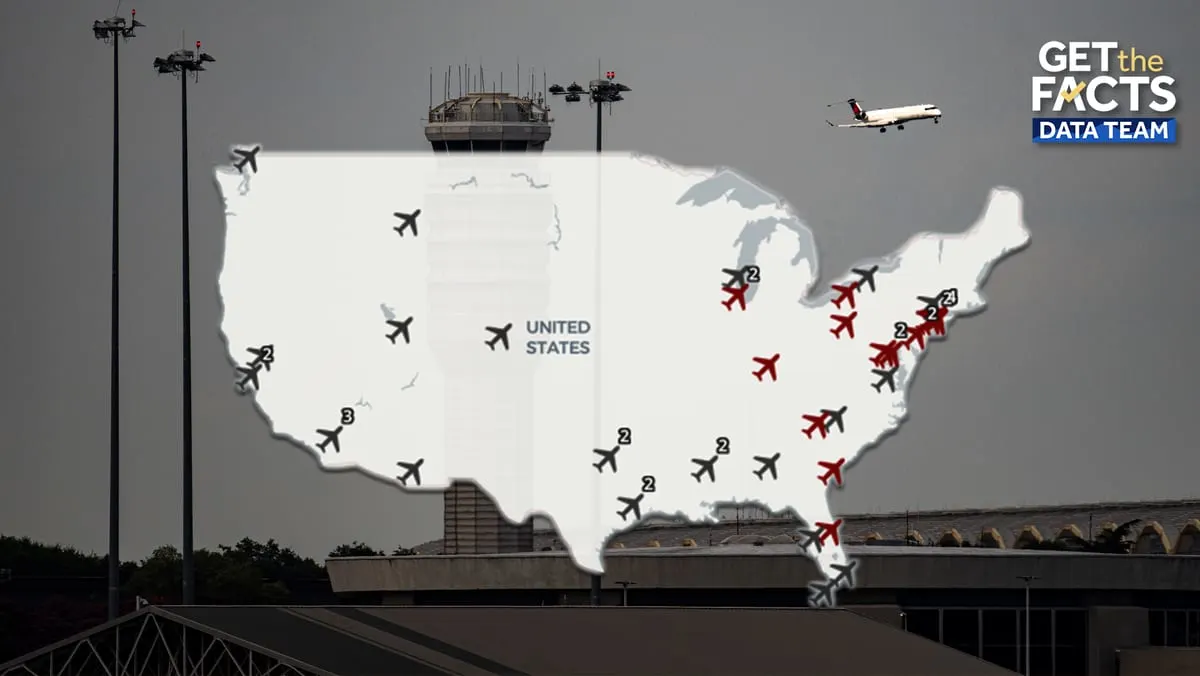
NTSB Safety Recommendations Lag Amid 6 Monthly Near-Misses
Approximately 6 near-miss incidents occur monthly at U.S. airports as 270 NTSB safety recommendations remain unaddressed by federal regulators.
NTSB Rejects FAA Safety Responses After 67-Fatality Crash
The NTSB labeled 11 FAA responses to 2025 DCA mid-air collision recommendations as unacceptable, citing the lack of a mandatory ADS-B In requirement.
EASA Orders Urgent Airbus A380 Wing Spar Inspections
The EASA ordered urgent inspections on 16 Airbus A380s after discovering wing spar cracks that could compromise structural integrity.
Ryanair Flight RK514 Diverts to Birmingham After Emergency
Ryanair flight RK514 diverted to Birmingham Airport on September 13, 2026, following a medical emergency involving a passenger.