BOC Aviation Finalizes Qatar Airways A350-1000 Lease Deal

Co-Founder & CEOAviation News Editor delivering trusted coverage across the global aviation industry.
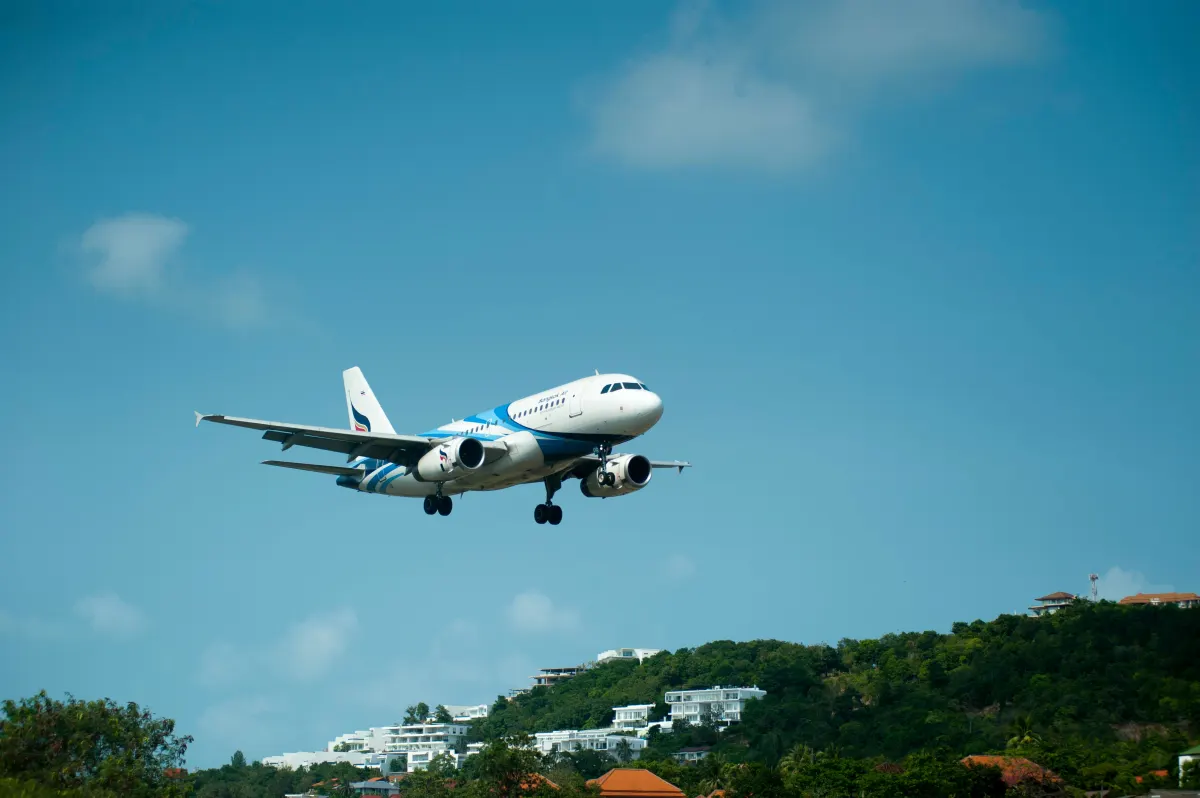
BOC Aviation has finalized a purchase-and-leaseback agreement with Qatar Airways for three Airbus A350-1000 aircraft powered by Trent XWB-97 engines.
Key Takeaways
- •BOC Aviation finalized a lease deal for three Airbus A350-1000s.
- •The aircraft are powered by Rolls-Royce Trent XWB-97 engines.
- •The transaction was disclosed as a qualified activity on the HKEx.
- •Qatar Airways gains liquidity while maintaining its modern fleet.
BOC Aviation Executes Strategic A350-1000 Lease Agreement
Aircraft operating lessor BOC Aviation has finalized a purchase-and-leaseback (PLB) agreement with Qatar Airways for three Airbus A350-1000 aircraft. The transaction, which involves high-demand widebody assets, underscores the lessor's strategy to deploy liquidity into premium fleet segments. According to the official press release, the aircraft are powered by Rolls-Royce Trent XWB-97 engines and were originally delivered to the carrier in late 2025.
Regulatory and Financial Disclosure
The deal was formally disclosed via the Hong Kong Stock Exchange (HKEx) in accordance with Listing Rule 14.33D(1). As a Qualified Aircraft Leasing Activity, the transaction is recognized as a discloseable event that remains exempt from specific shareholder approval requirements. For BOC Aviation, which reported a total portfolio of 813 aircraft and engines as of March 31, 2026, this move secures long-term revenue streams from a top-tier operator. Qatar Airways, which maintains a modern fleet of approximately 230 aircraft, utilizes such PLB arrangements to optimize liquidity while retaining operational control of its long-haul assets.
Trent XWB-97 Operational Environment
The Trent XWB-97 engine remains a focal point for industry scrutiny regarding its performance in the Middle East. The engine's durability in harsh, sandy operating environments continues to influence maintenance planning for regional carriers. This context is informed by historical precedents, including the September 2024 EASA (European Union Aviation Safety Agency) emergency airworthiness directive. That directive mandated one-off inspections of flexible fuel hose connections on all Trent XWB-97 engines following an in-flight engine fire on a Cathay Pacific A350-1000. While the engine family is a staple for long-haul operations, these factors highlight the ongoing maintenance burdens and regulatory oversight inherent in current widebody operations.
Technical Analysis of the A350-1000 Fleet
The A350-1000 has become a cornerstone for ultra-long-haul network expansion. By integrating these assets into its lease portfolio, BOC Aviation is positioning itself to capitalize on the sustained demand for high-capacity, fuel-efficient widebody aircraft. The market trend toward sale-and-leaseback financing suggests that airlines are increasingly leveraging these structures to manage capital expenditures, while lessors with strong liquidity positions are effectively capturing market share. Historically, this pattern reflects a broader industry cycle where well-capitalized lessors act as stabilizing forces for major carriers managing fleet renewal costs.
What Comes Next for the Lease Portfolio
Following the formalization of this agreement, the three A350-1000s will remain under the operational management of Qatar Airways under the new lease terms. BOC Aviation intends to continue its strategy of deploying liquidity toward high-quality assets throughout the remainder of 2026. Market observers will monitor the long-term MRO (Maintenance, Repair, and Overhaul) performance of the Trent XWB-97 engines, as the durability of these powerplants in the Gulf region remains a critical factor for both the lessor and the operator.
Why This Matters for the Leasing Market
This transaction serves as a bellwether for the health of the widebody leasing market. It confirms that despite ongoing technical scrutiny of specific engine components, the demand for modern, fuel-efficient aircraft remains high among global carriers. For the broader aviation industry, the deal signals that liquidity-driven financing remains an effective tool for maintaining fleet modernization trajectories in a capital-intensive environment.
Frequently Asked Questions
- What aircraft are involved in the BOC Aviation and Qatar Airways agreement?
- The agreement involves three Airbus A350-1000 widebody aircraft powered by Rolls-Royce Trent XWB-97 engines.
- Why did BOC Aviation conduct this transaction as a purchase-and-leaseback?
- Qatar Airways utilizes purchase-and-leaseback transactions to optimize liquidity while retaining operational control of its aircraft, while BOC Aviation uses them to secure long-term lease revenue and expand its widebody portfolio.
Stay ahead of the airline industry with commercial aviation news from omniflights.com. For reporting on UAP sightings, investigations, and aviation-related encounters, see the UAPs section at omniflights.com/uaps.
Written by Hardik Vishwakarma
Co-Founder & Aviation News Editor leading initiatives that improve trust and visibility across the global aviation industry. Covers airlines, airports, safety, and emerging technology.
Visit ProfileYou Might Also Like
Discover more aviation news based on similar topics
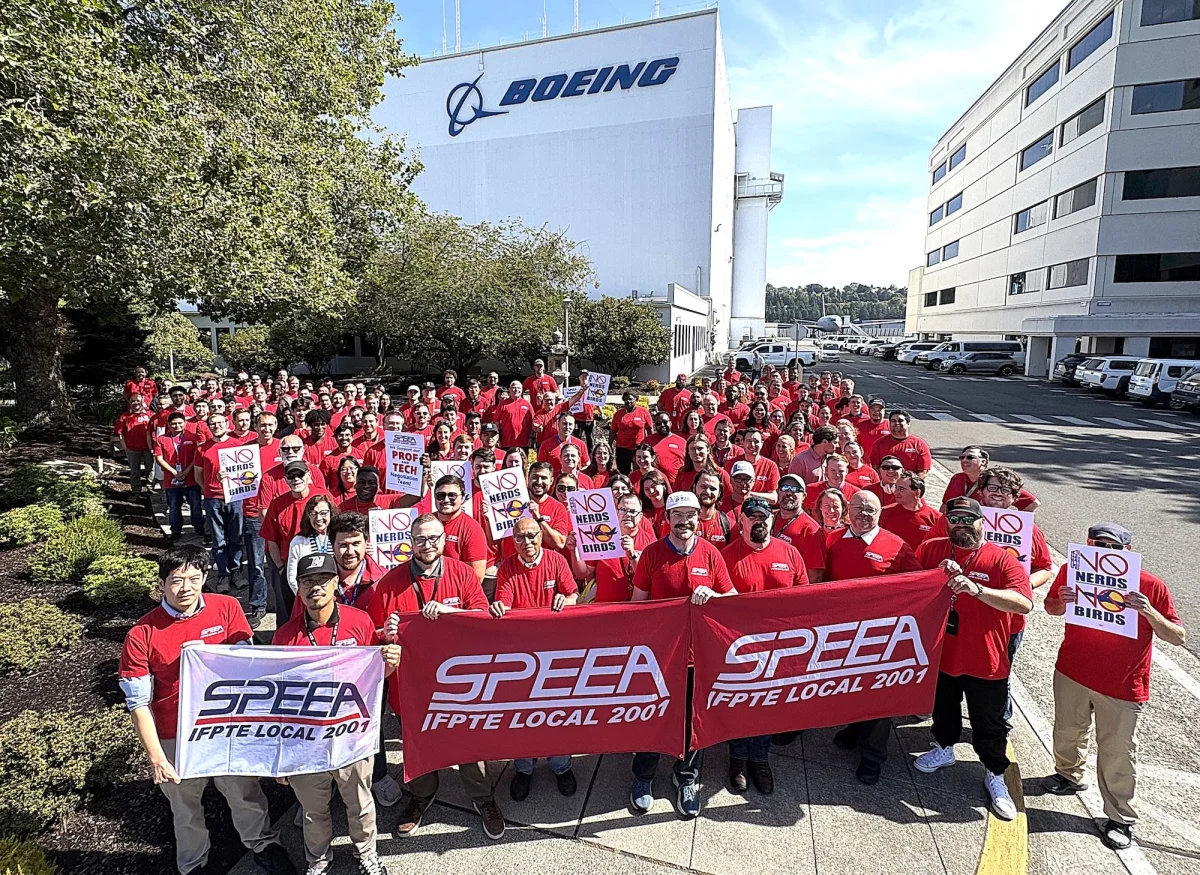
Boeing Tightens Spending Ahead of Critical SPEEA Union Vote
Boeing has implemented spending controls and a hiring freeze as it faces a critical contract ratification vote with its 17,000-member engineering union.

Boeing CEO Kelly Ortberg Warns of 777X Certification Delay
Boeing CEO Kelly Ortberg warned that a potential strike by 17,000 engineers would immediately halt the 777X certification and production programs.
American and United Plan Capacity Cuts Amid Fuel Cost Surge
American and United are trimming flight schedules to offset a $1 billion fuel cost spike while maintaining strong pricing power.
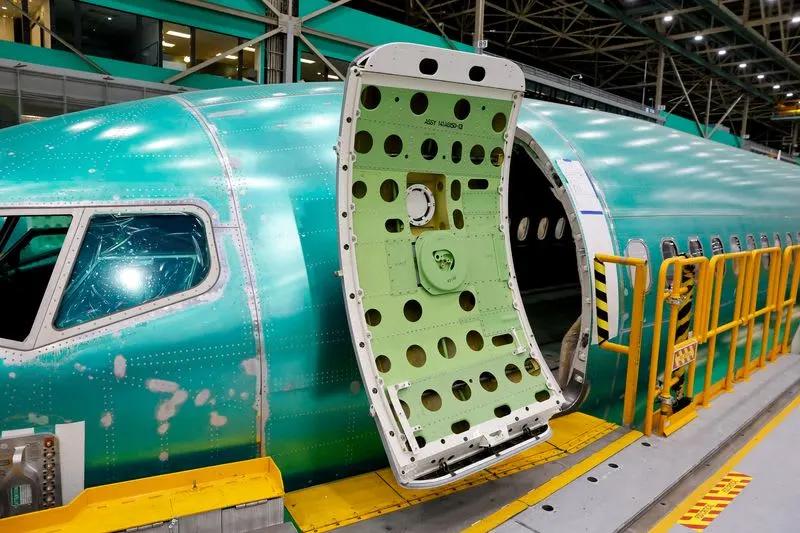
Boeing CEO Reports 737 MAX Output Stabilization Delays
Boeing CEO Kelly Ortberg reports slower 737 MAX production stabilization, prompting a downward revision in 2026 free cash flow expectations to $2 billion.
Boeing Finalizes KAL Order, Salvages Turkish Airlines Deal
Boeing secured a $36.2 billion order from Korean Air Lines for 103 aircraft and nears a resolution on a 150-jet deal with Turkish Airlines.
Airbus Forecasts 42,000 New Jets Amid Strong Global Demand
Airbus expects 42,000 new aircraft deliveries globally by 2045, with 45% of demand concentrated in the Asia-Pacific region.