Biman Bangladesh Finalizes $3.7B Boeing Order, Eyes Airbus Leases

Co-Founder & CEOAviation News Editor delivering trusted coverage across the global aviation industry.
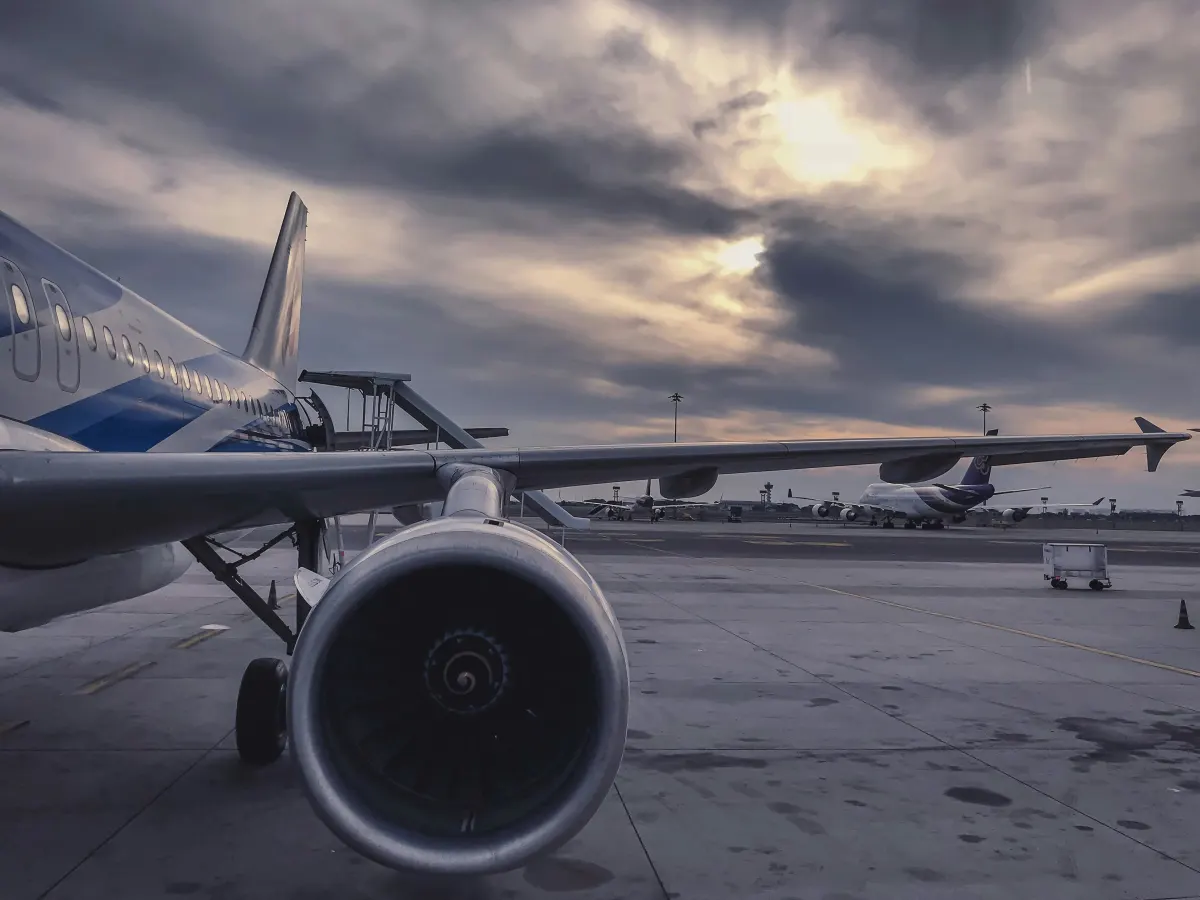
Biman Bangladesh Airlines finalized a $3.7B order for 14 Boeing jets and will seek interim Airbus leases to bridge delivery delays extending past 2031.
Key Takeaways
- •Finalizes in-principle approval for a $3.7 billion purchase of 14 Boeing aircraft.
- •Includes eight 787-10s, two 787-9s, and four 737 MAX 8 jets for long-term fleet modernization.
- •Plans to dry lease Airbus aircraft as an interim solution due to Boeing delivery delays until at least 2031.
- •Addresses acute fleet shortages that recently forced the suspension of international routes.
The interim government of Bangladesh has granted in-principle approval for Biman Bangladesh Airlines to purchase 14 new Boeing aircraft, a deal valued at approximately $3.7 billion. The national carrier's board approved an order for eight 787-10s, two 787-9 Dreamliners, and four 737 MAX 8s. To address immediate and acute fleet shortages, Biman will simultaneously pursue a dry-leasing strategy for Airbus aircraft as a bridging solution.
This dual-track approach is a direct response to prolonged manufacturer backlogs, a trend affecting airlines globally. According to Biman MD & CEO Md Shafiqur Rahman, new aircraft deliveries from any major original equipment manufacturer (OEM) are not expected before 2031. The carrier's operational fleet recently shrank to 19 aircraft after returning two leased planes, falling well short of the 30 to 35 aircraft State Minister M Rashiduzzaman Millat estimates are needed to meet growing passenger demand. These shortages have already forced Biman to suspend routes, including services to Manchester and Narita.
Dual-Track Fleet Strategy
The decision to procure Boeing for the long term while leasing Airbus for the interim introduces operational complexities. Integrating Airbus jets will require new Maintenance, Repair, and Overhaul (MRO) arrangements for the all-Boeing carrier. However, State Minister Millat confirmed the government finalized the Boeing purchase in principle while planning five-year dry leases, primarily from Airbus, to ensure smooth operations. The leasing strategy aims to circumvent Bangladesh's stringent Public Procurement Rules, which have historically slowed fleet acquisition, leading to five failed tender rounds for leased aircraft in the past.
The order marks a significant win for Boeing Commercial Airplanes, securing its position as Biman's exclusive supplier against previous European diplomatic efforts. It also underscores a broader industry trend where airlines use interim dry leases to bridge capacity gaps caused by extensive OEM delivery delays.
Background: A Shift from Airbus
This procurement decision reverses a potential pivot to Airbus. In September 2023, during a visit by French President Emmanuel Macron, the previous Bangladeshi government announced a commitment to purchase 10 Airbus A350s. That deal was never finalized and has been definitively scrapped in favor of the current Boeing order. The move solidifies a relationship established in April 2008, when Biman placed a mega-order for 10 Boeing aircraft (777s, 787s, and 737s) to modernize its fleet, setting the foundation for its current all-Boeing structure.
However, the single-manufacturer strategy has drawn some criticism. Aviation analyst Kazi Wahidul Alam cautioned that buying from a single source requires careful assessment, suggesting a mixed fleet could yield more competitive pricing. The decision is also seen by some as a geopolitical tool to balance trade deficits with the United States.
Stakeholder and Industry Impact
The fleet strategy has distinct consequences for several key stakeholders. For Biman Bangladesh Airlines, it secures long-term widebody and narrowbody capacity but introduces the immediate cost and logistical challenges of operating a mixed fleet temporarily. For Boeing, the $3.7 billion order defends its long-standing relationship with Biman. Conversely, Airbus and European lessors miss out on the strategic long-term order but gain a crucial foothold in the Bangladeshi market through the five-year interim leases.
Passengers, particularly Bangladeshi expatriates and Hajj pilgrims, are expected to benefit directly. The arrival of leased aircraft should lead to the restoration of suspended international routes and provide stabilized capacity for religious travel.
Technical Analysis
Biman's decision reflects a pragmatic, if complex, response to an industry-wide manufacturing crisis. The choice to stick with Boeing for its long-term needs leverages existing crew training, maintenance infrastructure, and institutional knowledge built since the 2008 order. This avoids the higher costs associated with permanently introducing a new aircraft family. The 787 Dreamliner and 737 MAX platforms offer direct continuity with its current fleet.
However, the necessity of leasing Airbus aircraft highlights the severity of OEM production delays. This dual-sourcing strategy, once a tactic for price negotiation, has become a survival mechanism for capacity-constrained airlines. The five-year lease term indicates Biman does not expect Boeing's production and delivery timelines to accelerate significantly. This development reinforces the trend of leasing's growing importance in fleet planning, acting as a crucial buffer against manufacturing volatility that now extends nearly a decade into the future.
What Comes Next
Several key milestones are anticipated as Biman moves to execute its fleet plan. The formal signing of the $3.7 billion purchase agreement with Boeing is expected in mid-to-late 2026, pending final financial reviews by the Ministry of Civil Aviation and Tourism. Following this, the commencement of interim Airbus dry leases is expected in late 2026 or early 2027, which will be critical for restoring suspended routes. According to Biman's leadership, the first deliveries of the newly ordered Boeing aircraft are not expected to begin until 2029 at the earliest, with the full order fulfilled after 2031.
Why This Matters
Biman Bangladesh Airlines' fleet strategy is a microcosm of the challenges facing carriers worldwide. It demonstrates how severe, long-term production delays at major manufacturers are forcing airlines into complex, mixed-fleet solutions to meet immediate demand. The decision also highlights the increasing role of aircraft procurement as an instrument of international trade policy and diplomacy, balancing operational needs with national economic relationships.
Get breaking commercial aviation news and expert airline analysis at omniflights.com. Discover how innovation is shaping aviation through aircraft systems, avionics, and digital tools at omniflights.com/technology.
Written by Hardik Vishwakarma
Co-Founder & Aviation News Editor leading initiatives that improve trust and visibility across the global aviation industry. Covers airlines, airports, safety, and emerging technology.
Visit ProfileYou Might Also Like
Discover more aviation news based on similar topics
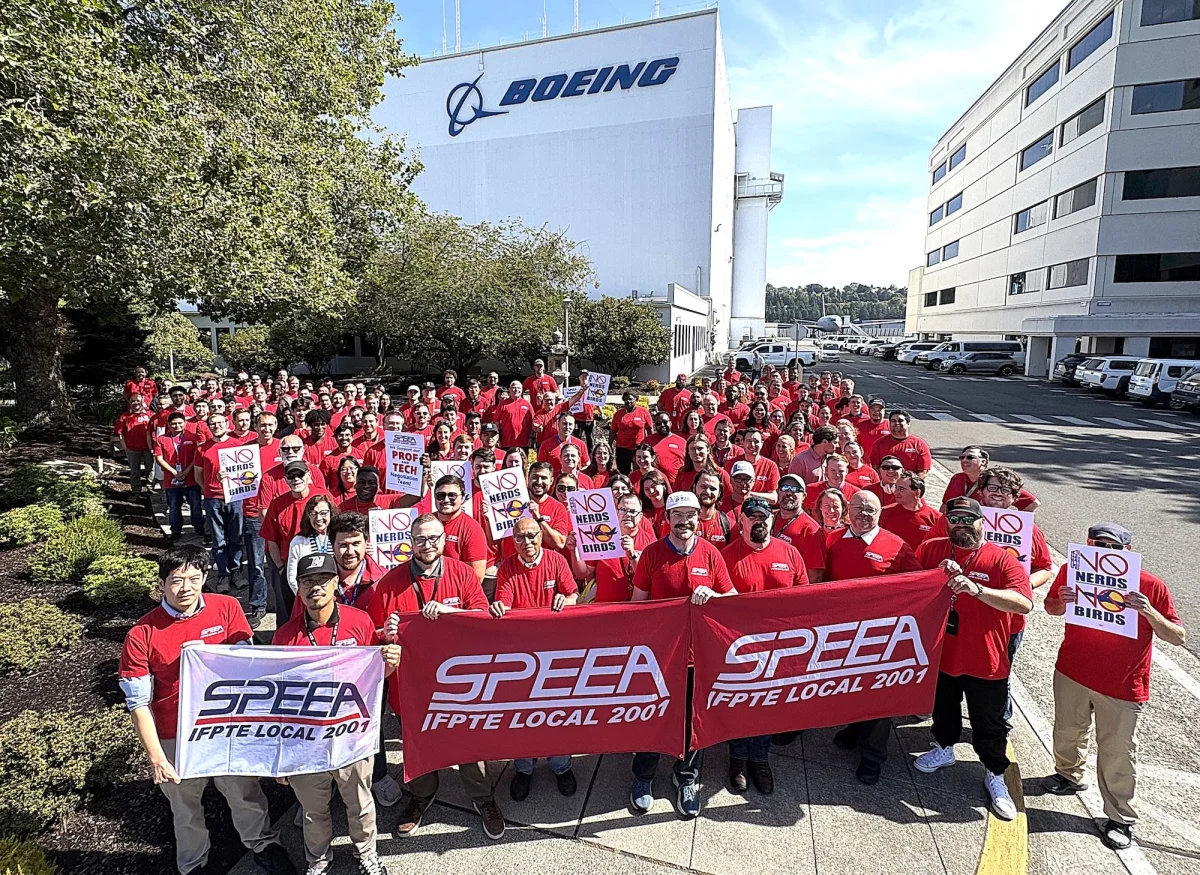
Boeing Tightens Spending Ahead of Critical SPEEA Union Vote
Boeing has implemented spending controls and a hiring freeze as it faces a critical contract ratification vote with its 17,000-member engineering union.

Boeing CEO Kelly Ortberg Warns of 777X Certification Delay
Boeing CEO Kelly Ortberg warned that a potential strike by 17,000 engineers would immediately halt the 777X certification and production programs.
American and United Plan Capacity Cuts Amid Fuel Cost Surge
American and United are trimming flight schedules to offset a $1 billion fuel cost spike while maintaining strong pricing power.
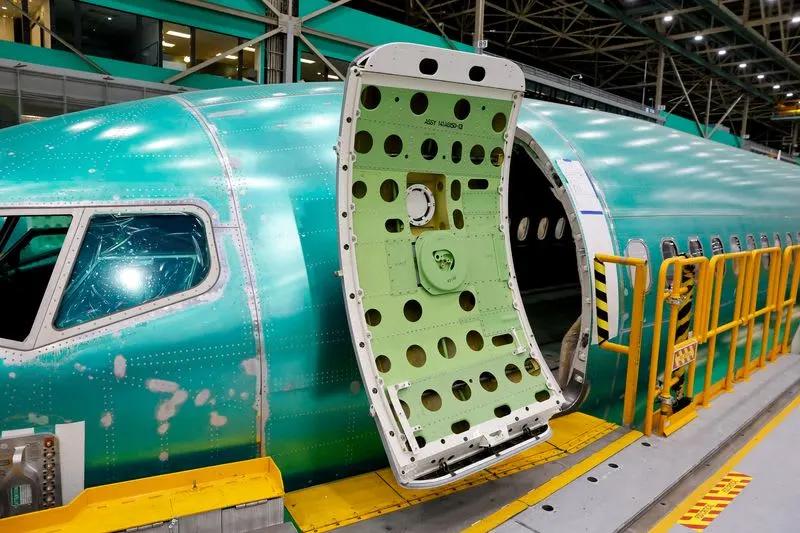
Boeing CEO Reports 737 MAX Output Stabilization Delays
Boeing CEO Kelly Ortberg reports slower 737 MAX production stabilization, prompting a downward revision in 2026 free cash flow expectations to $2 billion.
Boeing Finalizes KAL Order, Salvages Turkish Airlines Deal
Boeing secured a $36.2 billion order from Korean Air Lines for 103 aircraft and nears a resolution on a 150-jet deal with Turkish Airlines.
Airbus Forecasts 42,000 New Jets Amid Strong Global Demand
Airbus expects 42,000 new aircraft deliveries globally by 2045, with 45% of demand concentrated in the Asia-Pacific region.