Bengaluru Airport Launches 'Connections' Program to Boost Transit Traffic

Co-Founder & CEOAviation News Editor delivering trusted coverage across the global aviation industry.

Kempegowda International Airport launches ‘Connections by BLR’ to ease passenger transit as transfer traffic rises more than 30% year-on-year.
Key Takeaways
- •Launches ‘Connections by BLR’ program to simplify passenger transfers.
- •Reports over 30% year-on-year growth in transfer passenger traffic.
- •Targets 20% of total passenger volume from transfers by 2026.
- •Enhances transit with new wayfinding, shuttles, and passenger amenities.
Kempegowda International Airport Bengaluru (BLR) has launched a new transfer program, ‘Connections by BLR’, to streamline the journey for connecting passengers. The initiative comes as the airport reports a significant 30 percent year-on-year increase in transfer traffic, signaling a strategic effort to establish itself as a major transit hub in the region.
Transfer passengers currently represent 15 percent of total traffic at BLR Airport, a figure projected by airport officials to reach 20 percent by 2026. The ‘Connections by BLR’ program is designed to manage this growth by improving efficiency and passenger experience. According to Bangalore International Airport Limited (BIAL), the public-private consortium operating the airport, the program is built on three pillars: ease, efficiency, and experience. This focus aims to reduce the friction and stress often associated with connecting flights, making the airport a more attractive option for airline network planners and travelers.
Streamlining the Passenger Journey
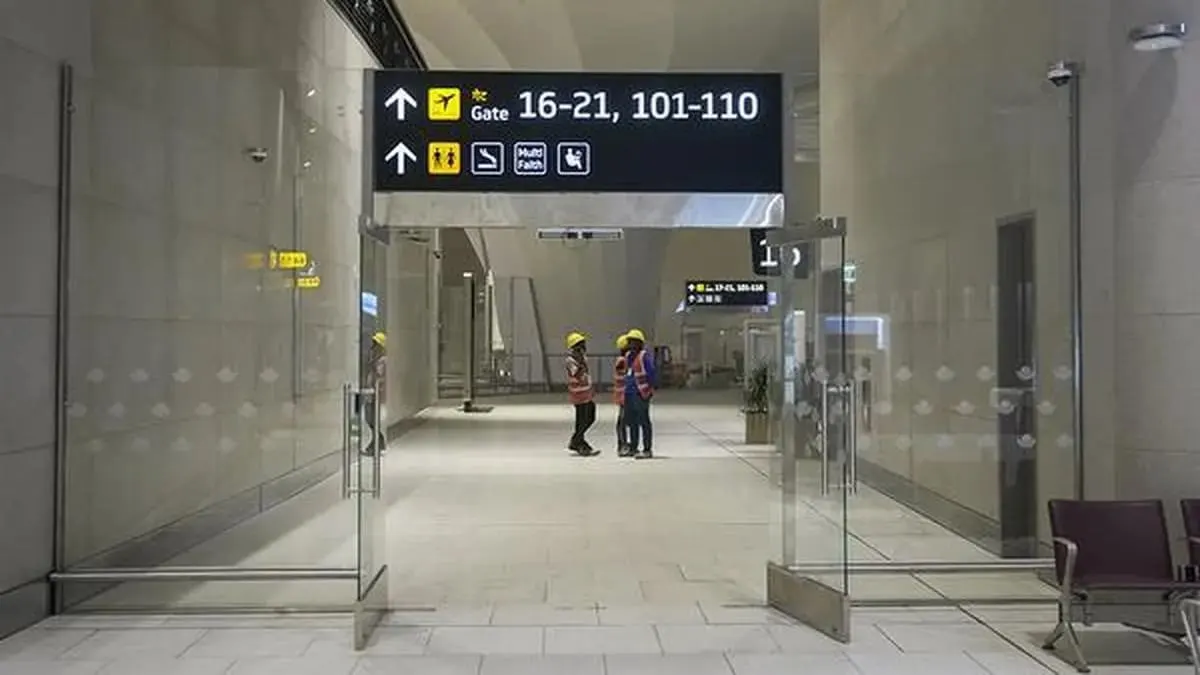
At the core of the new program are logistical enhancements designed for intuitive navigation and reduced confusion. BIAL has installed dedicated transfer desks across its terminals to provide assistance specifically for connecting passengers. This is supported by a new wayfinding system featuring prominent blue and yellow color-coded signage, intended for quick recognition and clear direction.
To facilitate movement between terminals, the airport has introduced complimentary shuttle services operating at predictable frequencies, minimizing wait times. Designated transfer zones have also been established to centralize connecting processes and guide passengers more effectively through security and to their next departure gate. These operational changes are fundamental to reducing missed connections and improving overall on-time performance, a critical metric for any airport aspiring to hub status.
Enhancing the Transit Experience
Beyond logistics, the ‘Connections by BLR’ program invests heavily in the quality of passenger downtime. Travelers in transit now have access to an expanded selection of airport lounges, curated retail stores, and diverse food and beverage outlets. For passengers needing rest, the airport offers sleeping pods for short stays.
Addressing the needs of those with longer layovers, BLR Airport features in-terminal transit hotels in both Terminal 1 and Terminal 2. These boutique accommodations provide a convenient option for rest without needing to clear immigration, a feature that is increasingly in demand as long-haul international travel recovers. By enhancing these amenities, the airport aims to turn layover time into a more comfortable and productive part of the journey.
Network Growth and Strategic Timing
The launch of the new transfer program is strategically timed with the significant expansion of BLR Airport's network. The airport now connects to 114 passenger destinations, comprising 80 domestic and 34 international routes. Key domestic connections include high-frequency routes to Delhi, Mumbai, Kolkata, Hyderabad, and Pune. Major international destinations include Singapore, London Heathrow, Dubai, Abu Dhabi, and Kuala Lumpur.
Recent route additions have further broadened the airport's reach. New domestic flights connect Bengaluru to Hindon, Bidar, and Silchar, while new international services include routes to Dammam, Hanoi, and Riyadh. This growing network density is crucial for building a successful transfer hub, as it provides more origin-destination pairing options for airlines to market through Bengaluru.
Infrastructure to Support Ambition
Supporting this strategic push are several major infrastructure projects. The development of the West Cross Taxiway, the ongoing refurbishment of Terminal 1, and the expansion of Terminal 2 are all laying the groundwork for increased capacity and smoother aircraft and passenger flow. These upgrades are essential for handling the anticipated rise in transfer traffic without compromising operational efficiency.
Girish Nair, Chief Operating Officer of BIAL, framed the initiative as both a response to current demand and a forward-looking strategy. He highlighted the airport's growing network depth as an opportunity to build a more reliable transfer ecosystem that benefits both passengers and airline partners.
Why This Matters
As the Indian aviation market continues its rapid growth, the competition for transfer traffic is intensifying. BLR Airport's ‘Connections’ program is a deliberate move to capture a larger share of this market, positioning it against established hubs in India and the Middle East. For passengers, this initiative promises a more predictable and less stressful travel experience. For the industry, it represents a significant investment by a key Indian airport to enhance its role within global airline networks, potentially shifting passenger flows and airline routing strategies in the coming years.
For global airline trends and commercial aviation news, turn to omniflights.com. Follow aviation sustainability efforts, emissions research, and green initiatives in the Environmental section at omniflights.com/environmental.
Written by Hardik Vishwakarma
Co-Founder & Aviation News Editor leading initiatives that improve trust and visibility across the global aviation industry. Covers airlines, airports, safety, and emerging technology.
Visit ProfileYou Might Also Like
Discover more aviation news based on similar topics

IndiGo Opens Commercial Flights at Bhogapuram
IndiGo launched the first commercial flight to the new Rs 5,700 crore Bhogapuram Airport, shifting civilian traffic from the old civil enclave.

Sydney Airport Master Plan 2045 Approved
The Australian government approved Sydney Airport's Master Plan 2045, enabling terminal integration to handle 72.6 million passengers by 2045.

Visakhapatnam Airport Ends Commercial Flights for 30 Years
Visakhapatnam Airport ended scheduled commercial flights ahead of Bhogapuram's opening, triggering a 30-year moratorium on civil operations.
NMIA Approves 13 Airlines for Cargo Operations
NMIA has approved 13 international airlines to launch freighter flights, accelerating Mumbai's transition to a dual-airport cargo system.

Hong Kong Air Cargo Lands First Navi Mumbai Freighter
Hong Kong Air Cargo launched flights to Navi Mumbai, marking the airport's first international freighter service with 6 weekly movements.

ENAC Suspends Catania Flights Amid Mount Etna Eruption
ENAC suspended operations at Catania Airport due to a Mount Etna eruption, resulting in 700 flight cancellations and massive regional diversions.