Visakhapatnam Airport Ends Commercial Flights for 30 Years

Aviation News Editor & Industry AnalystAviation News Editor & Industry Analyst delivering clear coverage for a worldwide audience.

Visakhapatnam Airport ended scheduled commercial flights ahead of Bhogapuram's opening, triggering a 30-year moratorium on civil operations.
Key Takeaways
- •Visakhapatnam Airport ends scheduled commercial flights on August 16, 2026.
- •Bhogapuram Airport opens at 12:01 AM on August 17 under a GMR concession.
- •Ministry of Civil Aviation mandates a 30-year commercial flight moratorium.
- •VTZ IATA code transfers to the new 6-million-capacity greenfield facility.
The Visakhapatnam Airport closure of scheduled commercial flights marks a historic transition as operations shift to the new Bhogapuram International Airport at 12:01 AM on August 17, 2026. This milestone triggers the official VTZ IATA code transfer to the newly constructed greenfield facility, effectively ending decades of commercial passenger service at the INS Dega civil enclave.
Under the Ministry of Civil Aviation Gazette Notification S.O. 4173(E), all scheduled commercial operations at the city's military-controlled civil enclave will cease for a period of 30 years. While non-scheduled and military flights will continue at INS Dega, the move shifts the region's primary aviation gateway 45 kilometers north of the city center. This transition represents a major structural shift in Andhra Pradesh aviation, replacing a capacity-constrained military enclave with a modern, high-capacity civilian hub.
The final scheduled commercial service from Visakhapatnam Airport was IndiGo flight 6E 2018 to New Delhi, departing at 10:45 PM on August 16, 2026.
Transitioning from INS Dega to Bhogapuram
Following the final departure, the Airports Authority of India (AAI) officially handed over scheduled commercial responsibilities to the newly constructed greenfield facility. According to the Ministry of Civil Aviation (MoCA) Gazette Notification S.O. 4173(E), scheduled commercial operations at the civil enclave of Indian Naval Station Dega (INS Dega) are now suspended for three decades.
"Visakhapatnam Airport has reached an important milestone with the conclusion of its scheduled commercial operations, and we sincerely acknowledge the contribution of every employee, stakeholder and partner who supported the airport’s operations and passenger services over the years," stated Visakhapatnam Airport Director N. Purushottam in an official release marking the transition.
Stakeholder Impacts and Labor Concerns
The relocation of commercial flights to Bhogapuram introduces distinct operational and social shifts across the region. GMR Visakhapatnam International Airport Limited gains an immediate operational monopoly, capturing 100% of the commercial passenger traffic previously handled at INS Dega. Meanwhile, the Indian Navy regains full, unconstrained control over the runway and airspace at INS Dega, allowing for expanded military training and strategic deployments without the pressure of commercial scheduling.
However, the transition has raised significant concerns among local labor groups. According to the Visakhapatnam International Airport Advisory Committee, approximately 800 to 900 contract workers—including ground handlers, housekeeping staff, and porters—face severe employment uncertainty. Labor representatives have pushed for guarantees that these workers will be absorbed by the new private operator, highlighting the friction that often accompanies public-to-private aviation transitions. Additionally, passengers traveling from southern Visakhapatnam face increased ground travel times, as the new airport is located approximately 45 kilometers north of the city center.
Historical Precedents and Infrastructure Upgrades
This transition follows a well-established regulatory precedent in Indian civil aviation. In May 2008, the closure of HAL Bangalore Airport to commercial traffic successfully shifted all scheduled flights to the new greenfield Kempegowda International Airport. Similarly, in March 2008, Begumpet Airport in Hyderabad ceased commercial operations to ensure the financial viability of Rajiv Gandhi International Airport. Both historical events demonstrate India's long-term policy of closing older, urban, military-constrained facilities in favor of modern, scalable greenfield hubs.
INS Dega vs. Bhogapuram: Key Specifications
The infrastructural differences between the legacy naval enclave and the new greenfield facility are substantial, enabling larger aircraft operations and higher passenger volumes.
| Metric | Visakhapatnam Airport (INS Dega) | Alluri Sitarama Raju International Airport (Bhogapuram) |
|---|---|---|
| Runway Length | 3,048 m | 3,800 m (Phase 1) |
| Passenger Capacity | ~3.6 million per annum | 6.0 million per annum (Phase 1) |
| Operator | Airports Authority of India / Indian Navy | GMR Visakhapatnam International Airport Limited |
The Shift from Military Enclaves to Greenfield PPP Hubs
This development highlights a broader structural trend across the Indian aviation sector: the transition from military-controlled civil enclaves to Public-Private Partnership (PPP) greenfield airports. Legacy enclaves like INS Dega are inherently constrained by military priority, security protocols, and limited physical space for terminal expansion. By shifting operations to Bhogapuram, the region bypasses these defense-related airspace restrictions, enabling 24/7 wide-body aircraft operations. This structural evolution aligns with India's aggressive capacity expansion goals, ensuring that metropolitan regions can support the rapid growth of domestic and international passenger traffic without being bottlenecked by shared military infrastructure.
Future Milestones and the 30-Year Moratorium
Looking ahead, several key milestones will define the region's aviation landscape. GMR Visakhapatnam International Airport Limited expects to initiate Phase 2 expansion works in the late 2020s or early 2030s, which will scale Bhogapuram's capacity to 12 million passengers annually. On the regulatory front, the commercial flight moratorium at the Visakhapatnam Civil Enclave is legally confirmed to remain in place until August 2056, ensuring that Bhogapuram remains the sole commercial gateway for the region for the next three decades.
Why the Bhogapuram Transition Matters
The transition to Bhogapuram represents more than just a change of address; it establishes a modern foundation for economic growth in Andhra Pradesh. By removing military airspace restrictions, the new airport allows airlines to schedule flights without curfew constraints, paving the way for direct international routes. For the broader aviation industry, this move serves as a blueprint for how India intends to modernize its secondary metropolitan hubs through private investment.
Frequently Asked Questions
- Why did Visakhapatnam Airport end scheduled commercial flights?
- Scheduled commercial operations ended to facilitate the transition to the new greenfield Bhogapuram International Airport. Under a Ministry of Civil Aviation mandate, commercial flights at the military enclave are suspended for 30 years.
- What happens to the VTZ IATA airport code?
- The 'VTZ' IATA airport code has been officially transferred from Visakhapatnam Airport (INS Dega) to the new Alluri Sitarama Raju International Airport at Bhogapuram, effective August 17, 2026.
- Will military and non-scheduled flights still use INS Dega?
- Yes, the Indian Navy retains full control of INS Dega for military operations, and non-scheduled commercial operations are permitted to continue at the civil enclave.
omniflights.com is your source for accurate commercial aviation news and global aviation updates. Stay informed on aviation incidents, investigations, and best practices in the Safety category at omniflights.com/safety.
Written by Ujjwal Sukhwani
Aviation News Editor & Industry Analyst delivering clear coverage for a worldwide audience. Covers flight operations, safety regulations, and market trends with expert analysis.
Visit ProfileYou Might Also Like
Discover more aviation news based on similar topics
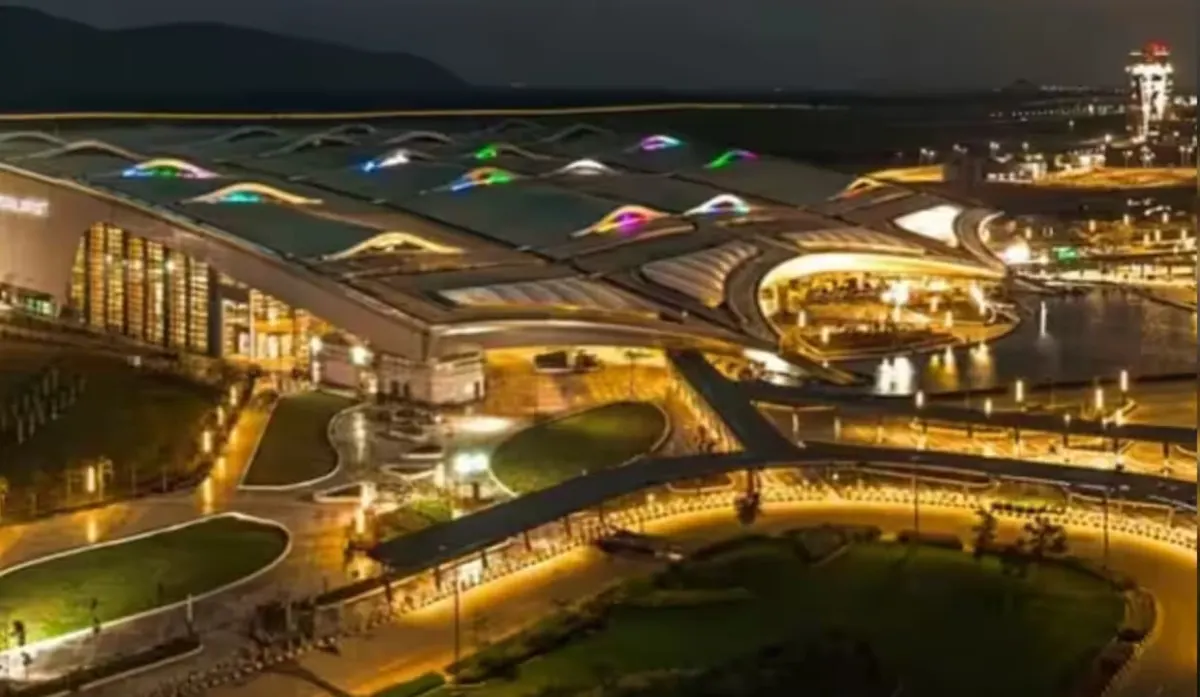
IndiGo Opens Commercial Flights at Bhogapuram
IndiGo launched the first commercial flight to the new Rs 5,700 crore Bhogapuram Airport, shifting civilian traffic from the old civil enclave.

Sydney Airport Master Plan 2045 Approved
The Australian government approved Sydney Airport's Master Plan 2045, enabling terminal integration to handle 72.6 million passengers by 2045.
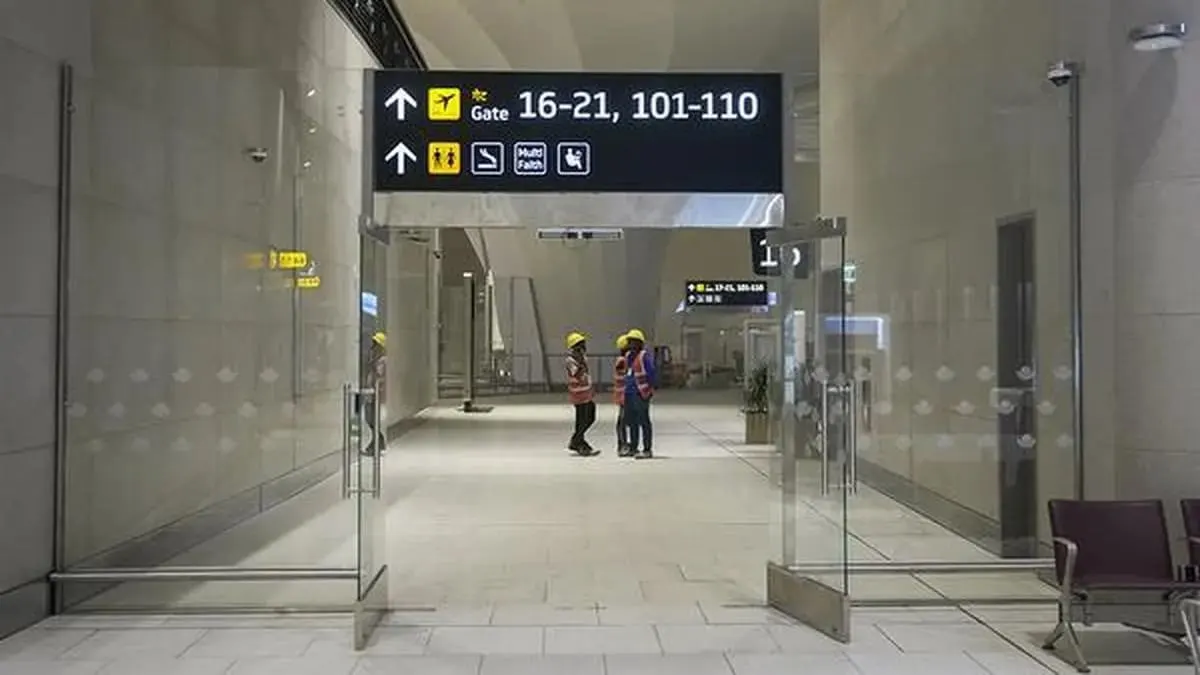
NMIA Approves 13 Airlines for Cargo Operations
NMIA has approved 13 international airlines to launch freighter flights, accelerating Mumbai's transition to a dual-airport cargo system.

Hong Kong Air Cargo Lands First Navi Mumbai Freighter
Hong Kong Air Cargo launched flights to Navi Mumbai, marking the airport's first international freighter service with 6 weekly movements.

ENAC Suspends Catania Flights Amid Mount Etna Eruption
ENAC suspended operations at Catania Airport due to a Mount Etna eruption, resulting in 700 flight cancellations and massive regional diversions.

Ethiopian Airlines Delays $12.5B Bishoftu Airport Bids
Ethiopian Airlines postponed bidding for its $12.5 billion Bishoftu Airport to early January 2027 to allow contractors more time.