Azimuth Airline Faces Fuel Shortage Amid 64% Price Spikes

Co-Founder & CEOAviation News Editor delivering trusted coverage across the global aviation industry.
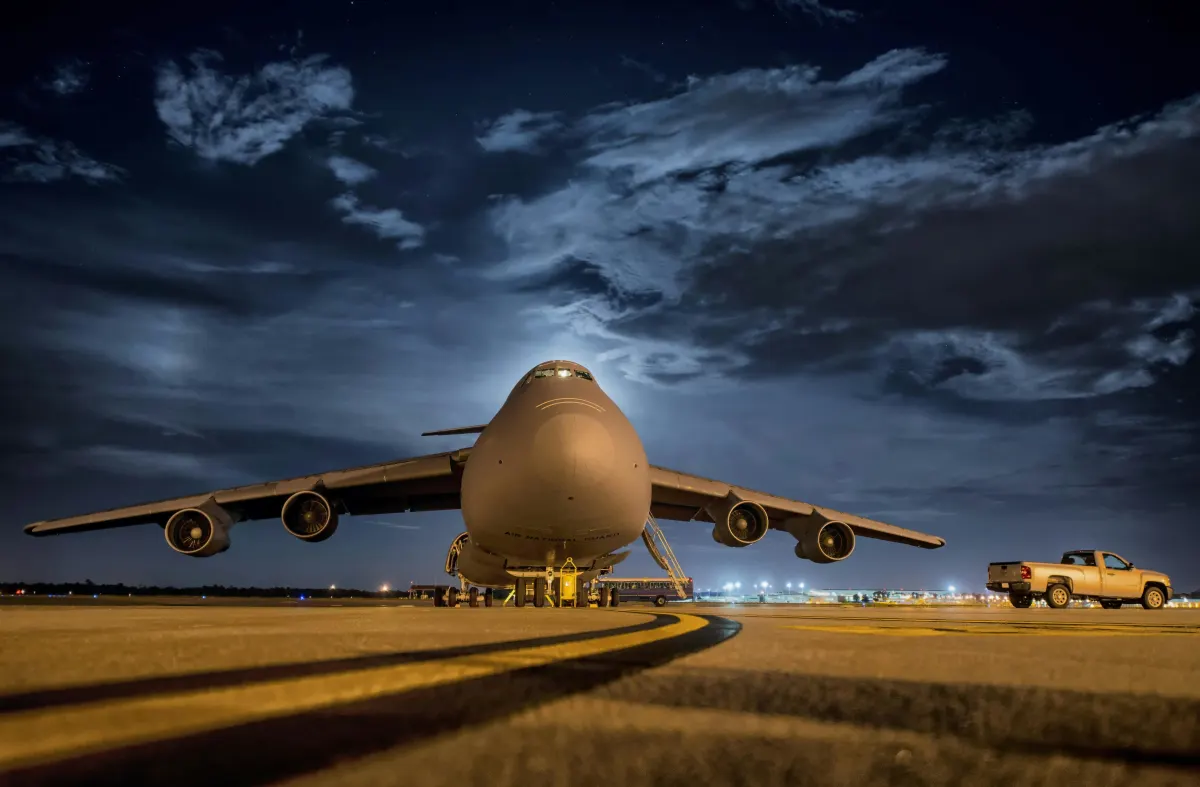
Azimuth reports a critical aviation fuel shortage, with delivery volumes falling 33% and prices at Makhachkala Airport surging by 64%.
Key Takeaways
- •Azimuth reports a 33% shortfall in contracted aviation fuel deliveries.
- •Fuel prices at Makhachkala Airport have surged by 64% since June.
- •Russian government implemented a jet fuel export ban until November 2026.
- •Average aviation fuel procurement costs have risen by 17%.
Fuel Supply Crisis Impacts Russian Aviation
Azimuth airline has formally raised concerns regarding a critical shortage of aviation kerosene, warning that the deficit threatens widespread flight disruptions across Russia. According to a letter sent by the carrier to the Association of Air Transport Operators (AEVT), the airline is grappling with a 33% decline in actual fuel delivery volumes compared to contracted amounts. This supply instability is further compounded by a 17% average increase in procurement costs, placing severe pressure on operational budgets.
Regional Flashpoints and Price Volatility
The crisis has reached acute levels in specific geographic hubs. The most significant financial impact occurred at Makhachkala Airport, where fuel prices surged by 64%. Azimuth officials have indicated that this localized shortage could force the grounding of flights servicing the Caucasus region. The airline reports that its primary fuel supplier reduced deliveries by 30% at the start of the summer season, citing force majeure circumstances at domestic oil refineries.
Regulatory Response and Market Constraints
The Government of the Russian Federation has intervened in response to the broader energy crisis, issuing Resolution No. 646. This mandate imposes a temporary ban on the export of aviation turbine fuel effective from June 1, 2026, through November 30, 2026. The policy aims to stabilize domestic supply, which has been strained by refinery maintenance and logistical bottlenecks. While airlines cite operational maintenance as the primary cause for the squeeze, external analysis suggests that damage to refining capacity from geopolitical factors has contributed to the tightening supply chain.
Historical Context and Industry Precedents
This situation mirrors the 2022 Nigerian aviation fuel crisis, where Jet A1 prices surged by over 100%, nearly grounding the country's domestic network. Like the current Russian scenario, that event demonstrated how localized refinery issues and supply chain failures can rapidly escalate into a national aviation crisis. The following table compares the current operational pressures facing Russian carriers versus historical market norms:
Operational Impact: Current Crisis vs. Baseline
| Metric | Current Crisis | Historical Baseline |
|---|---|---|
| Average Fuel Cost Increase | 17% | 2-4% |
| Delivery Volume Shortfall | 33% | 0-2% |
| Peak Regional Price Surge | 64% | 5-10% |
The Path to Market Stabilization
The current volatility represents a significant structural challenge for regional carriers reliant on consistent fuel supply. If the government’s export ban fails to alleviate the 30% supply deficit, further consolidation of flight schedules or increased ticket pricing is likely in the near term. The effectiveness of the export restriction will be tested as the peak summer travel season progresses, with the market awaiting further data on the restoration of refinery output.
Expiration of the Export Ban
The temporary ban on jet fuel exports is scheduled to remain in effect until November 30, 2026. This date serves as a critical milestone for the Russian aviation industry, as the government evaluates whether to extend the restriction or rely on potential maritime fuel imports to meet the ongoing domestic deficit. Until then, airlines remain subject to the volatility of local procurement prices and the availability of refinery stocks.
Frequently Asked Questions
- Why are Russian airlines experiencing jet fuel shortages?
- Airlines are facing supply shortages due to refinery maintenance, logistical bottlenecks, and external factors impacting refining capacity. These issues have resulted in a 30% reduction in fuel deliveries and significant price spikes.
- What is the Russian government doing to stabilize the fuel market?
- The Russian government issued Resolution No. 646, which bans the export of aviation turbine fuel from June 1 to November 30, 2026. This measure is intended to ensure sufficient fuel supplies remain within the domestic market to support airline operations.
Get breaking commercial aviation news and expert airline analysis at omniflights.com. Track policy changes, airspace rules, and global aviation governance in the Regulatory category at omniflights.com/regulatory.
Written by Hardik Vishwakarma
Co-Founder & Aviation News Editor leading initiatives that improve trust and visibility across the global aviation industry. Covers airlines, airports, safety, and emerging technology.
Visit ProfileYou Might Also Like
Discover more aviation news based on similar topics

Flydubai Upgrading 21 Boeing 737 MAX 8s to Flat Bed Seats
Flydubai is retrofitting 21 Boeing 737 MAX 8 aircraft with lie-flat business class seats to standardize its premium product by late 2027.
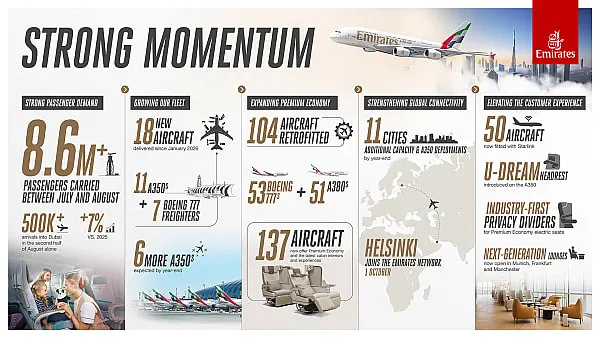
Emirates Winter Booking Momentum Grows Amid Fleet Expansion
Emirates carried 8.6 million passengers this summer and enters winter with strong demand as it accelerates fleet retrofits and network growth.
Air Arabia Consortium Gains AOC for New Dammam Budget Airline
A Saudi GACA-led consortium including Air Arabia has secured an AOC to launch a new budget airline based at Dammam's King Fahd International Airport.
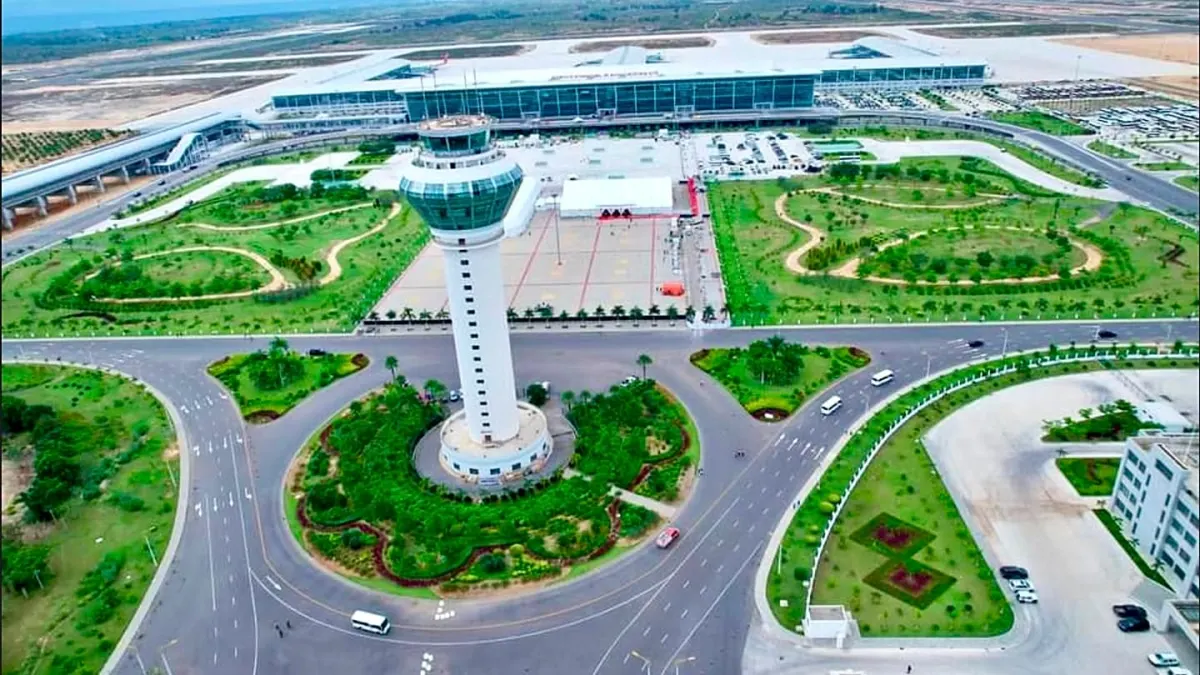
Turkish Airlines Exits Luanda as Angola Hub Struggles
Turkish Airlines dropped its Luanda route as Angola's new airport struggles to attract traffic, handling only 756,028 passengers in 2025.
Red Sea Airlines Leases Two 737 MAX 8s for 2027 Expansion
Red Sea Airlines signed a lease for two Boeing 737 MAX 8 aircraft from SMBC Aviation Capital, arriving in 2027 to support its 14-aircraft fleet goal.
Avelo CEO Warns Airfares May Rise on Jet Fuel Price Spikes
Avelo Airlines CEO Andrew Levy warns that rising fuel costs may force fare increases as global jet fuel prices reach $171.01 per barrel.