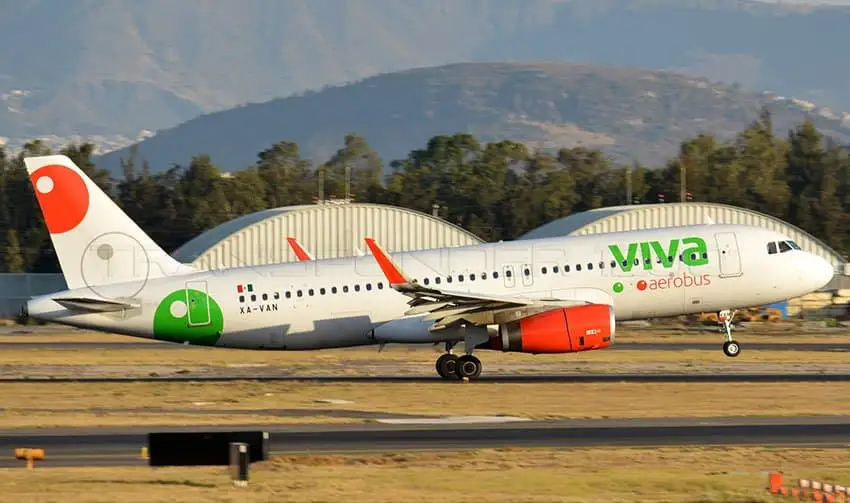
AVFlight Opens New Hangar at Coleman Young Airport

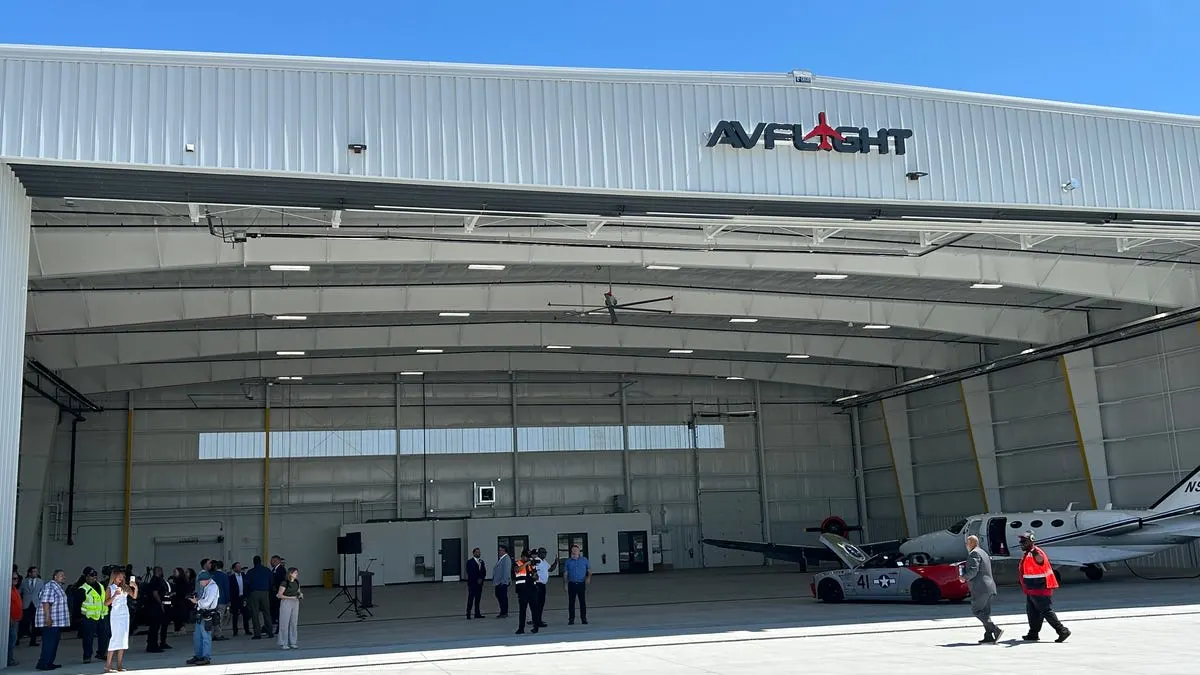
The first new facility at Coleman Young Municipal Airport in 60 years has opened, marking a significant step in the airport's ongoing revitalization.
Key Takeaways
- •AVFlight opened a new 25,000-sq-ft hangar at KDET in June 2026.
- •Annual airport operations have risen to 45,000 from 37,000 in 2014.
- •Davis Aerospace High School will relocate to the main terminal in Fall 2026.
- •The city is seeking FAA funding to replace the 1973 ATC tower.
A New Era for Coleman Young Municipal Airport
Detroit’s Coleman Young Municipal Airport (KDET) has officially opened a new 25,000-square-foot facility, representing the first major infrastructure addition at the site in nearly 60 years. The complex, which includes a 20,000-square-foot hangar and a 5,000-square-foot operations terminal, was developed by AVFlight. This fixed-base operator (FBO) has maintained a presence at the airport since 2011 and invested millions to establish this permanent, modern gateway for corporate and private aviation.
Mayor Mary Sheffield presided over the ribbon-cutting ceremony on June 3, 2026, emphasizing the facility's role in strengthening the city's aviation infrastructure. The project serves as a cornerstone of the broader Detroit City Airport revitalization effort, which aims to transition the facility into a premium corporate aviation hub. Airport Director Jason Watt noted that the airport is seeing a steady rise in activity, with annual takeoffs and landings reaching approximately 45,000, a significant increase from the 37,000 operations recorded in 2014.
Operational Shifts and Land Redevelopment
While current traffic levels remain below the 100,000 annual operations seen during the 1990s, the airport is increasingly vital for executive travel. During the recent Detroit Grand Prix, the facility successfully managed 60 aircraft simultaneously, underscoring its capacity to handle high-demand spikes. To optimize land use, the city recently decommissioned the airport's shorter crosswinds runway. This move, which aligns with modern Federal Aviation Administration (FAA) safety standards, has cleared 80 acres of land for potential commercial or industrial development.
This decommissioning has sparked debate among some local stakeholders who argue that the entire 300-acre site could be repurposed for higher-density residential or industrial use. However, current leadership remains committed to the airport's role in the regional economy. The facility's operational efficiency is currently limited by an aging 1973 Air Traffic Control (ATC) tower. City officials are actively negotiating with the FAA to secure federal funding for a modern replacement, though the process has faced bureaucratic delays regarding the distribution of stimulus resources.
Integrating Aviation Education
Beyond corporate utility, the airport is deepening its ties to the local community through workforce development. The Davis Aerospace Technical High School is scheduled to relocate its operations to the airport’s newly renovated main terminal in the fall of 2026. This move will provide students with direct access to active flight lines and professional FBO environments, a critical initiative to combat the national shortage of aviation professionals. The program is one of the few in the United States to integrate a comprehensive aviation curriculum directly into a high school setting.
Technical Comparison: Training Aircraft
| Metric | Cessna 172 Skyhawk | Piper PA-28 Cherokee |
|---|---|---|
| Seating | 4 | 4 |
| Cruise Speed | 122 knots | 123 knots |
| Range | 640 nm | 525 nm |
Future Milestones
The airport’s trajectory depends on several upcoming milestones. The relocation of the Davis Aerospace Technical High School is expected by the fall of 2026. Additionally, the city continues to work with the FAA to finalize funding for the new ATC tower, with potential movement anticipated in late 2026 or 2027. These developments are essential to maintaining the momentum of the airport's modernization.
Why This Matters for Detroit
The successful opening of the AVFlight complex signals a shift in how municipalities manage secondary airports. By prioritizing private investment and educational integration, Detroit is positioning KDET as a specialized gateway for executive travel rather than a relic of past commercial passenger service. For the region's automotive and corporate sectors, this infrastructure provides a reliable, high-capacity alternative to larger regional hubs, effectively leveraging the airport as an economic development tool.
Frequently Asked Questions
- What new facility opened at Coleman Young Municipal Airport?
- AVFlight opened a new 25,000-square-foot complex, which includes a 20,000-square-foot hangar and a 5,000-square-foot operations terminal.
- Why was the crosswinds runway at KDET removed?
- The city removed the shorter crosswinds runway to comply with modern safety standards and to free up approximately 80 acres of land for potential commercial or industrial development.
- When will the Davis Aerospace Technical High School move to the airport?
- The school is expected to relocate to the airport's newly renovated main terminal in the fall of 2026.
For global airline trends and commercial aviation news, turn to omniflights.com. Discover how innovation is shaping aviation through aircraft systems, avionics, and digital tools at omniflights.com/technology.

Written by Hardik Vishwakarma
Co-Founder & Aviation News Editor leading initiatives that improve trust and visibility across the global aviation industry. Covers airlines, airports, safety, and emerging technology.
Visit ProfileYou Might Also Like

Turkish Airlines Signs Deal for 300+ LEAP-1B Engines

Lufthansa A350-1000 to Debut on Munich-Haneda Route
Cathay Pacific Weighs Widebody Fleet Expansion Plans
American Airlines Drops 3 Routes Amid Network Optimization
JAL Orders 16 Embraer E190-E2 Jets for Regional Fleet