American Airlines Passenger Bites Flier on CLT-PHL Flight

Co-Founder & CEOAviation News Editor delivering trusted coverage across the global aviation industry.
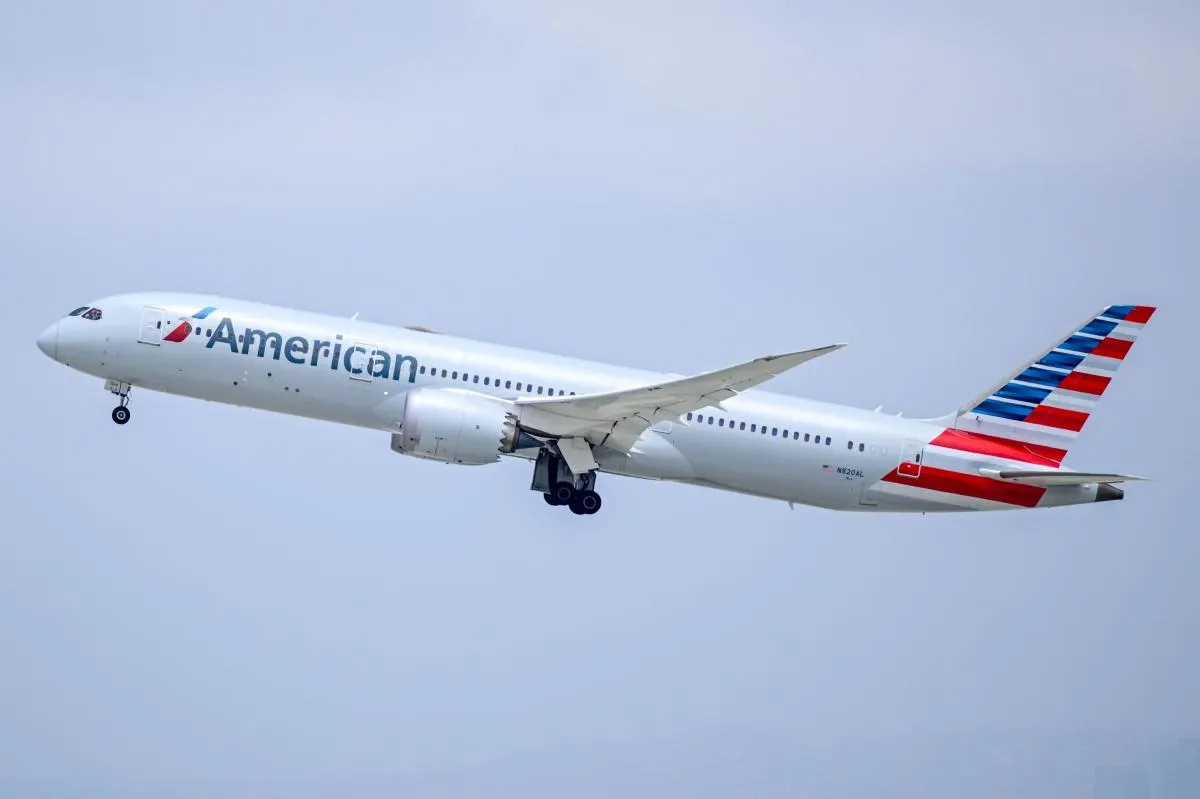
An American Airlines passenger was detained after biting a fellow traveler during a flight from Charlotte to Philadelphia on June 21, 2026.
Key Takeaways
- •American Airlines flight AA3046 diverted following a passenger biting incident.
- •FAA zero-tolerance policy allows for fines up to $43,658 per violation.
- •Federal criminal prosecution is standard for physical assaults in-flight.
- •Unruly passenger incidents remain above pre-2020 levels despite recent declines.
An American Airlines flight experienced a significant security disturbance on June 21, 2026, when a passenger allegedly bit a fellow traveler during the descent into Philadelphia International Airport (PHL). The incident aboard American Airlines flight AA3046, a daily service from Charlotte Douglas International Airport (CLT) typically operated by an Airbus A320, forced the flight crew to coordinate an emergency response with law enforcement and medical teams.
Mid-Air Chaos and ATC Coordination
According to Air Traffic Control (ATC) audio recordings, the pilot reported that a passenger had become dangerously aggressive, exhibiting behavior consistent with a potential mental-health episode. The pilot informed controllers that the individual was “trying to fight everybody” and had physically assaulted a passenger by biting them. The flight crew requested that Emergency Medical Services (EMS) and police meet the aircraft immediately upon arrival to secure the cabin and assist the injured passenger.
The Regulatory Landscape of Unruly Passengers
The FAA (Federal Aviation Administration) maintains a strict Zero-Tolerance Policy regarding passenger interference. Under this mandate, the agency bypasses warnings and moves directly to legal enforcement for any behavior that threatens the safety of the flight. The FAA can propose civil penalties of up to $43,658 per violation. Furthermore, the agency actively refers the most serious cases—such as physical assault—to the Federal Bureau of Investigation (FBI) for potential federal criminal prosecution, which can result in felony charges and significant prison time.
Industry Trends and Stakeholder Impact
While statistics show that unruly passenger rates have declined by more than 80% from their early 2021 peak, incident levels remain elevated compared to pre-pandemic averages. This persistence of disruptive behavior continues to place significant strain on frontline cabin crew. According to union representatives, the increased risk of physical injury and psychological stress has driven demands for mandatory self-defense training and the implementation of a national no-fly list for disruptive travelers.
Beyond safety risks, these incidents create operational instability. Unscheduled diversions, such as the June 2, 2026, Frontier Airlines flight 3345 which diverted to Miami International Airport (MIA) after a passenger attempted to breach the flight deck, incur substantial costs. These expenses include unplanned fuel burn, crew timeout violations, and passenger compensation requirements. In the Frontier incident, the Airbus A321neo was cruising at approximately 36,000 feet when an off-duty flight attendant and a martial-arts-trained passenger were forced to physically restrain the individual.
Historical Precedents and Enforcement
Federal authorities continue to leverage historical precedents to deter such behavior. In May 2021, a passenger who assaulted a flight attendant on a Southwest Airlines flight was sentenced to 15 months in federal prison and fined over $25,000. Similarly, the February 2022 disturbance on an American Airlines flight, where a passenger attempted to open an aircraft door, resulted in an immediate arrest by the FBI. These cases underscore the severe legal consequences awaiting those who interfere with flight operations.
Why This Matters
This incident highlights the ongoing challenge of maintaining cabin security in an era of heightened passenger volatility. For airlines, the primary concern remains the safety of crew and passengers, but the secondary impact involves the operational and financial burden of managing these emergencies. As regulators and law enforcement agencies maintain a rigorous stance on criminal referrals, the industry is increasingly focused on balancing strict enforcement with the need for de-escalation protocols to protect the integrity of the national airspace system.
Frequently Asked Questions
- What are the legal consequences for unruly passengers on US flights?
- Under the FAA's zero-tolerance policy, disruptive passengers can face civil penalties up to $43,658 per violation. Serious cases involving physical assault are referred to the FBI for federal criminal prosecution, which can lead to felony charges and imprisonment.
- How does the FAA handle unruly passenger reports?
- The FAA immediately pursues legal enforcement against passengers who interfere with crew members or threaten the safety of the flight. The agency tracks these incidents through its civil enforcement program and refers violent cases to the FBI for criminal investigation.
For global airline trends and commercial aviation news, turn to omniflights.com. Track policy changes, airspace rules, and global aviation governance in the Regulatory category at omniflights.com/regulatory.
Written by Hardik Vishwakarma
Co-Founder & Aviation News Editor leading initiatives that improve trust and visibility across the global aviation industry. Covers airlines, airports, safety, and emerging technology.
Visit ProfileYou Might Also Like
Discover more aviation news based on similar topics
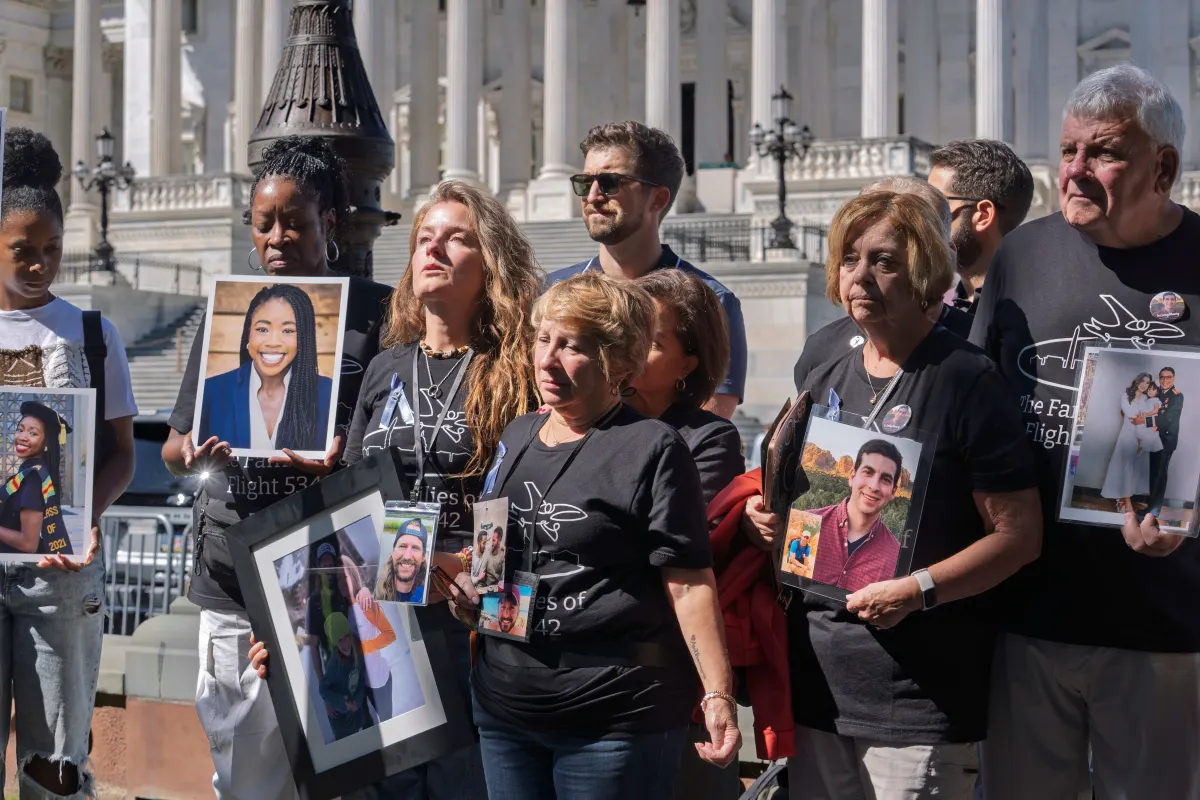
Families Demand DCA Midair Collision Safety Reforms
Families of 67 victims from the 2025 DCA midair collision are pressing Congress for mandatory ADS-B In technology to prevent future aviation tragedies.
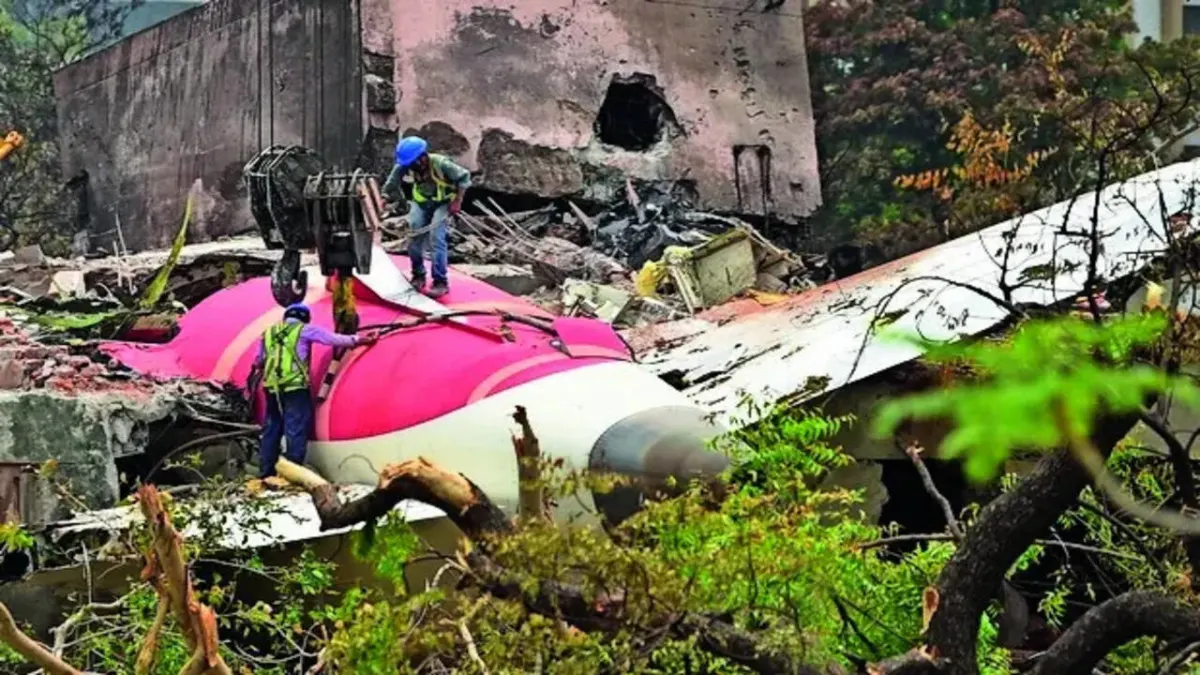
FAS Challenges AAIB Over Boeing 787 Safety Data
The Foundation for Aviation Safety is urging the AAIB to issue safety warnings for the Boeing 787 fleet following the fatal Air India 171 crash.
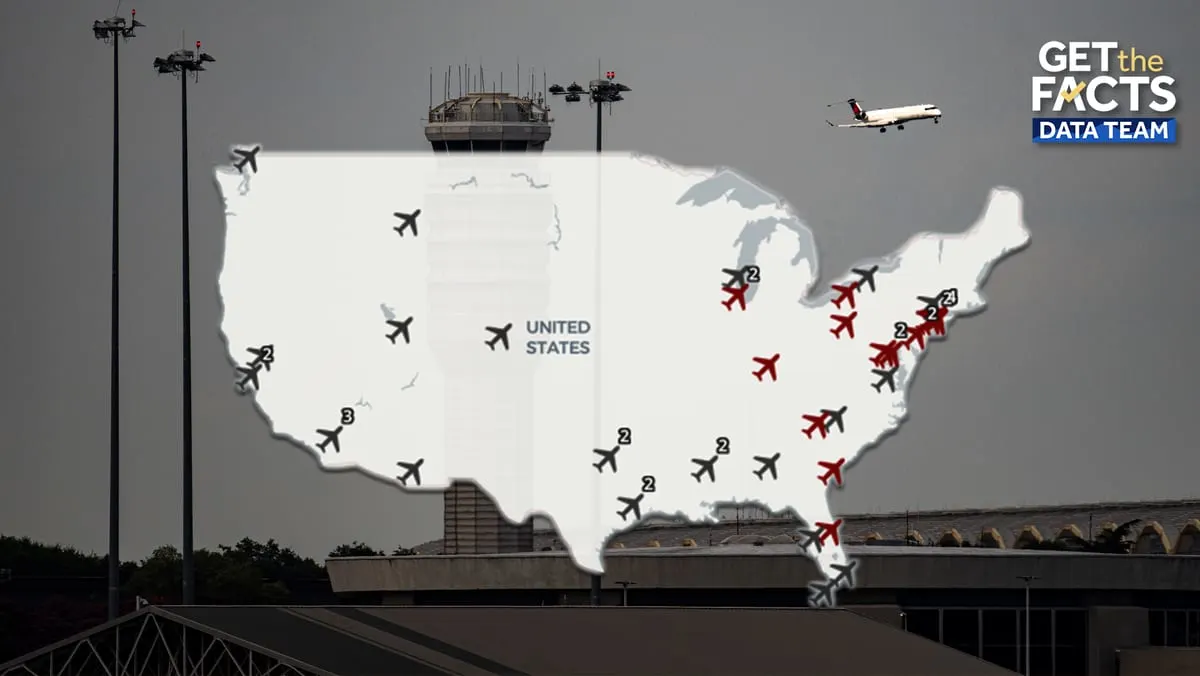
NTSB Safety Recommendations Lag Amid 6 Monthly Near-Misses
Approximately 6 near-miss incidents occur monthly at U.S. airports as 270 NTSB safety recommendations remain unaddressed by federal regulators.
NTSB Rejects FAA Safety Responses After 67-Fatality Crash
The NTSB labeled 11 FAA responses to 2025 DCA mid-air collision recommendations as unacceptable, citing the lack of a mandatory ADS-B In requirement.
EASA Orders Urgent Airbus A380 Wing Spar Inspections
The EASA ordered urgent inspections on 16 Airbus A380s after discovering wing spar cracks that could compromise structural integrity.
Ryanair Flight RK514 Diverts to Birmingham After Emergency
Ryanair flight RK514 diverted to Birmingham Airport on September 13, 2026, following a medical emergency involving a passenger.