American Airlines CEO Replacement: Is Doug Parker Returning?

Co-Founder & CEOAviation News Editor delivering trusted coverage across the global aviation industry.

Industry speculation suggests former CEO Doug Parker may replace Robert Isom as American Airlines faces significant financial underperformance.
Key Takeaways
- •American Airlines reported $111 million in 2025 net income.
- •APFA issued a unanimous no-confidence vote in CEO Robert Isom in 2026.
- •American posted a $382 million net loss in Q1 2026.
- •Legacy rivals Delta and United captured most industry profit growth.
Executive Leadership Under Pressure
Rumors circulating among airline industry executives suggest that former American Airlines Group Inc. (AAL) CEO Doug Parker could potentially return to replace current CEO Robert Isom. This speculation follows a period of intense scrutiny regarding American Airlines financial performance, which has consistently lagged behind legacy peers Delta Air Lines and United Airlines. The pressure on leadership intensified throughout 2025 and early 2026 as the carrier struggled to convert record revenue into sustainable profit margins.
The Profitability Gap
The scale of the financial disparity is stark. In 2025, American Airlines reported only $111 million in GAAP net income, a figure that pales in comparison to the $5.0 billion earned by Delta and the $3.4 billion reported by United. Despite generating a record $54.6 billion in total operating revenue, the carrier's bottom line remains under significant strain. The situation deteriorated further in the first quarter of 2026, with the airline posting a GAAP net loss of $382 million. This underperformance is compounded by a 10% year-over-year increase in selling and distribution expenses, a byproduct of a failed strategy to bypass traditional travel agencies that necessitated an expensive pivot to regain corporate market share.
Labor and Strategic Friction
Beyond financial metrics, internal stability has eroded. In February 2026, the Association of Professional Flight Attendants (APFA) issued a unanimous vote of no confidence in Robert Isom, citing strategic missteps and operational degradation. The APFA portal highlights the depth of this labor dissatisfaction, which mirrors concerns from the Allied Pilots Association (APA). Analysts suggest that the carrier's focus on a low-cost, basic economy strategy—a vision originally architected by Doug Parker—has left it ill-equipped to compete in the current market, where travelers increasingly prioritize premium seating and lounges. This strategy, which prioritized volume over yield, has allowed rivals to capture the majority of the U.S. legacy industry's profit growth.
Historical Context and Market Dynamics
This leadership crisis is deeply tied to the Delta Air Lines investor relations data, which confirms the widening profitability gap between American and its peers. The Northeast Alliance Antitrust Injunction, which forced the dismantling of American's partnership with JetBlue, further constrained the airline's network strategy. Historically, the departure of Scott Kirby in 2016, who was then forced out by Parker to join United, serves as a cautionary tale; Kirby's subsequent transformation of United into a high-margin competitor highlights the long-term cost of American's past executive choices. While some industry observers argue that a return of Parker would be ironic given his role in building the current strategy, others suggest the American Airlines Board of Directors remains hesitant to replace Isom to avoid acknowledging the failure of the post-pandemic commercial plan they previously endorsed.
What Comes Next: The Widebody RFP
As the airline navigates this period of instability, stakeholders are looking toward the American Airlines Widebody Aircraft RFP Decision, which is expected in late 2026. This decision will serve as a critical indicator of the airline's long-term fleet strategy and its ability to modernize its product offering to better compete for high-yield premium demand. Whether the current leadership team manages to execute this transition or is replaced by a previous administration remains the primary focus of institutional investors and labor unions alike.
Why This Matters for Stakeholders
For American Airlines shareholders, the current trajectory represents a period of severely depressed equity returns. For the broader industry, the ongoing instability at American signals a potential shift in the competitive landscape, as Delta and United continue to consolidate their hold on the most profitable segments of the U.S. market. The resolution of this leadership uncertainty will determine whether the carrier can effectively pivot its distribution and premium strategies to close the performance gap with its rivals.
Frequently Asked Questions
- Why are there rumors about Doug Parker returning to American Airlines?
- Speculation regarding Doug Parker's return stems from American Airlines' significant financial underperformance compared to legacy rivals Delta and United, alongside growing dissatisfaction from labor unions like the APFA.
- How did American Airlines' 2025 financial performance compare to its competitors?
- American Airlines reported $111 million in net income for 2025, while Delta earned $5.0 billion and United earned $3.4 billion, highlighting a substantial profitability gap.
Access up-to-date commercial aviation news and airline industry developments via omniflights.com. From aircraft production to supply chains, commercial aviation manufacturing news is covered at omniflights.com/manufacturing.
Written by Hardik Vishwakarma
Co-Founder & Aviation News Editor leading initiatives that improve trust and visibility across the global aviation industry. Covers airlines, airports, safety, and emerging technology.
Visit ProfileYou Might Also Like
Discover more aviation news based on similar topics
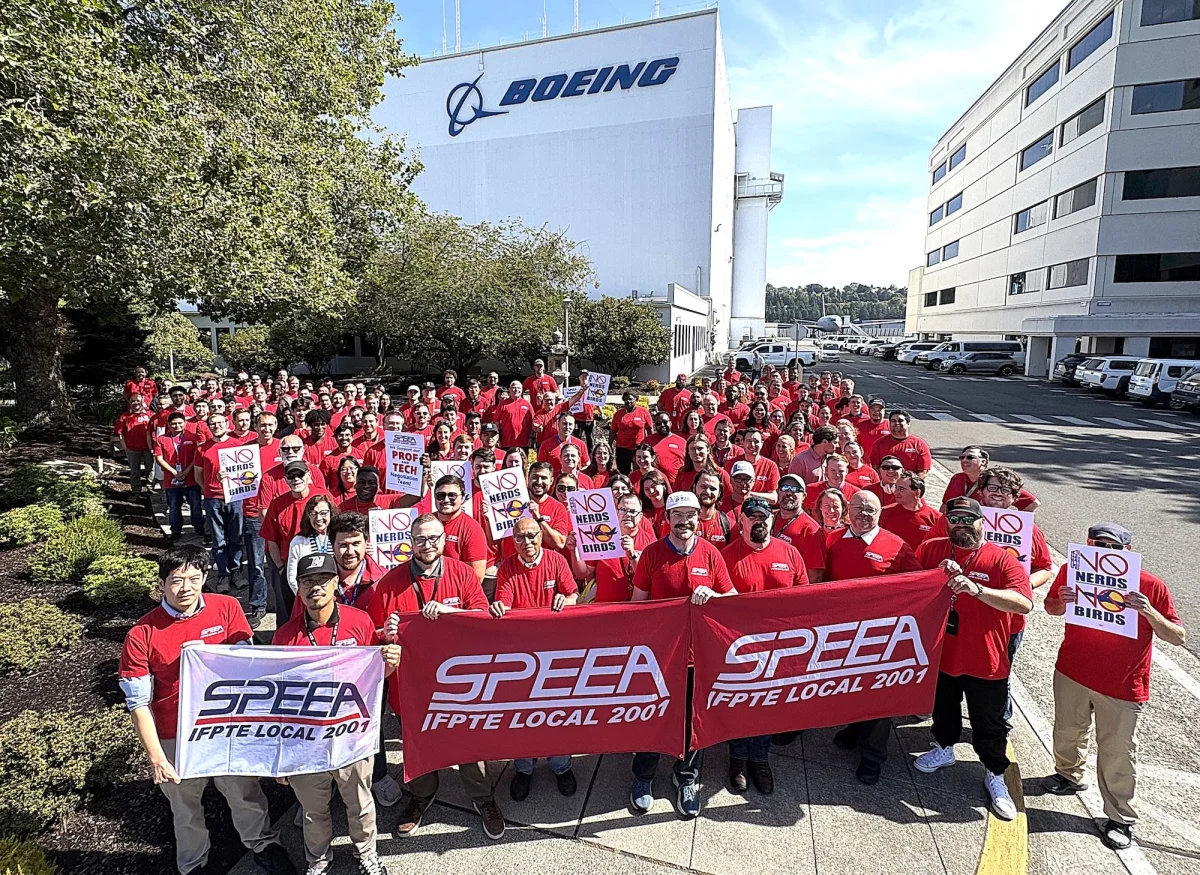
Boeing Tightens Spending Ahead of Critical SPEEA Union Vote
Boeing has implemented spending controls and a hiring freeze as it faces a critical contract ratification vote with its 17,000-member engineering union.
Boeing CEO Kelly Ortberg Warns of 777X Certification Delay
Boeing CEO Kelly Ortberg warned that a potential strike by 17,000 engineers would immediately halt the 777X certification and production programs.
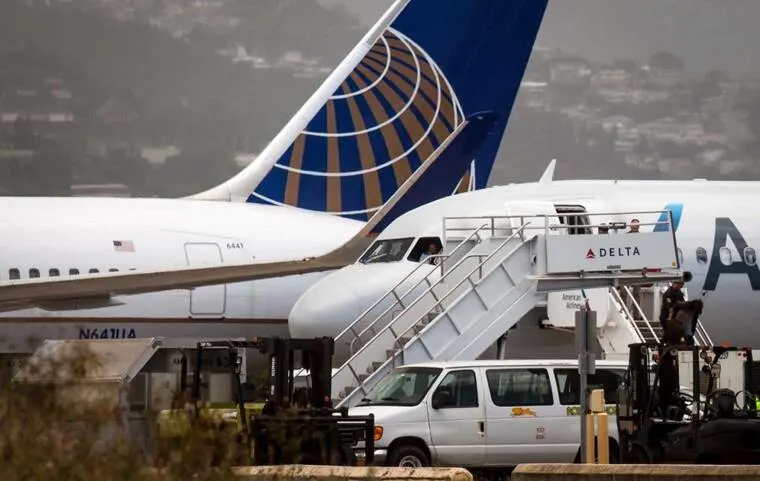
American and United Plan Capacity Cuts Amid Fuel Cost Surge
American and United are trimming flight schedules to offset a $1 billion fuel cost spike while maintaining strong pricing power.
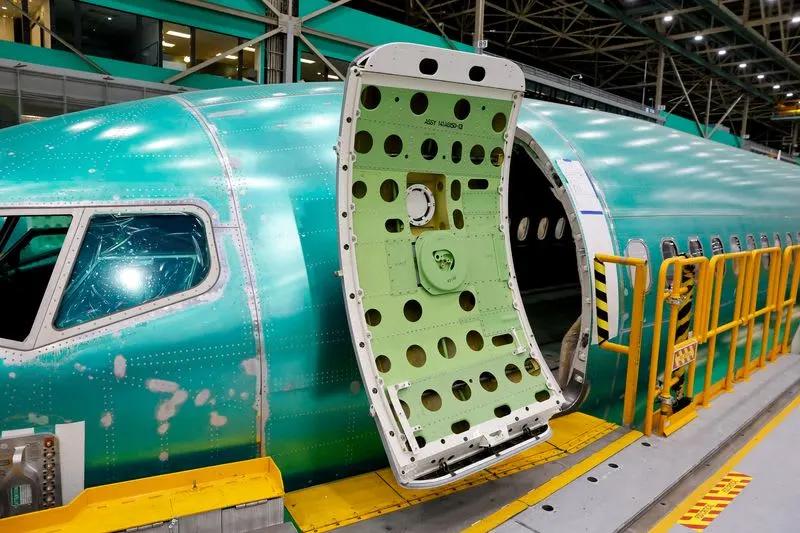
Boeing CEO Reports 737 MAX Output Stabilization Delays
Boeing CEO Kelly Ortberg reports slower 737 MAX production stabilization, prompting a downward revision in 2026 free cash flow expectations to $2 billion.
Boeing Finalizes KAL Order, Salvages Turkish Airlines Deal
Boeing secured a $36.2 billion order from Korean Air Lines for 103 aircraft and nears a resolution on a 150-jet deal with Turkish Airlines.
Airbus Forecasts 42,000 New Jets Amid Strong Global Demand
Airbus expects 42,000 new aircraft deliveries globally by 2045, with 45% of demand concentrated in the Asia-Pacific region.