American Airlines and Google AI Cuts Contrail Warming by 69%

Co-Founder & CEOAviation News Editor delivering trusted coverage across the global aviation industry.
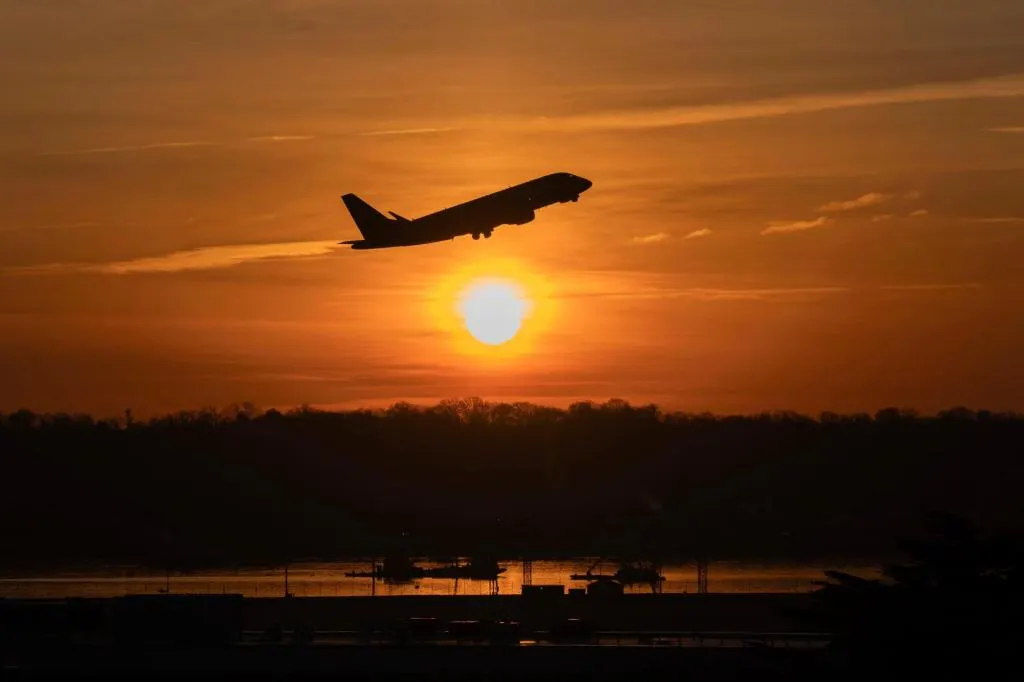
American Airlines and Google successfully used AI to reduce contrail formation by 62% in a large-scale trial, lowering aviation's warming impact.
Key Takeaways
- •Reduced contrail formation by 62% and warming impact by 69% in a trial of 2,400 flights.
- •Utilized AI-powered forecasts from Google sent directly to American Airlines pilots' EFBs.
- •Offers a cost-effective climate solution at $5-$25 per ton of CO2e, far less than SAF.
- •Prepares airlines for upcoming EU regulations on non-CO2 emissions monitoring (MRV).
American Airlines and Google, in partnership with Breakthrough Energy, have successfully demonstrated that artificial intelligence can significantly reduce the formation of warming contrails. In a large-scale trial involving 2,400 flights, AI-powered forecasting tools enabled pilots to make minor altitude adjustments that resulted in a 62% reduction in contrail formation and an estimated 69% decrease in the associated climatological warming impact.
The trial, which ran from January to May 2025, provides a crucial proof point for operationalizing contrail avoidance as a near-term, cost-effective climate mitigation strategy. Contrails, the line-shaped clouds created by aircraft engine exhaust at high altitudes, are a major contributor to aviation's environmental footprint. According to the Intergovernmental Panel on Climate Change (IPCC), these man-made cirrus clouds account for approximately 35% of aviation's total global warming impact.
During the trial, Google's AI models analyzed satellite imagery, weather data, and flight path information to predict zones where contrails were likely to form. This data was translated into actionable maps and delivered to pilots on their Electronic Flight Bag (EFB) tablets. On 112 of the transatlantic flights from the U.S. to Europe, pilots were given the option to adjust their altitude by a few thousand feet to fly around these predicted zones, leading to the verified reduction in contrail formation.
Jill Blickstein, Vice President of Sustainability at American Airlines, described the results as encouraging. "We established a proof point for operationalizing contrail avoidance," she stated. Dinesh Sanekommu, who leads Google's contrail research, emphasized the role of AI in tackling hard-to-decarbonize sectors, noting that this technology enables meaningful mitigation in the immediate future. Marc Shapiro, Director of Breakthrough Energy Contrails, added that avoiding contrails is one of the most effective ways to limit aviation's climate impact.
Industry and Regulatory Context
The successful trial arrives as the aviation industry faces increasing pressure to address non-CO2 emissions. The European Union is expanding its Monitoring, Reporting, and Verification (MRV) framework to include non-CO2 impacts like contrails. This makes predictive avoidance tools critical for future compliance and positions AI-driven solutions as a key enabling technology for airlines operating in Europe.
The economic case for contrail avoidance is also compelling. A 2023 study by Google Research and Breakthrough Energy found that routing adjustments could be implemented with a fleet-wide fuel penalty of as little as 0.3%. The study estimated that contrail avoidance could be scaled for a cost of around $5 to $25 per ton of CO2-equivalent, making it a highly cost-effective climate solution compared to the supply-constrained and more expensive Sustainable Aviation Fuel (SAF).
This technology is already being integrated into the broader aviation ecosystem. Flight planning software providers like Flightkeys are incorporating AI-driven contrail forecasts directly into dispatch systems, which will allow for more seamless, real-time altitude adjustments.
Historical Precedents and Technical Analysis
This large-scale trial builds on a smaller, successful proof-of-concept conducted in August 2023. That initial test involved 70 flights and achieved a 54% reduction in contrail formation, validating the underlying AI model and operational procedures. Both trials were made possible by the Contrail Impact Task Force, a cross-sector collaboration launched in November 2022 that includes major airlines, airframe manufacturers like Airbus and Boeing, and technology partners like Google Research. The task force established the data-sharing agreements necessary for developing and testing the AI models.
This development indicates a significant shift in aviation's climate strategy, moving beyond a singular focus on CO2 and SAF to embrace operational efficiencies that address non-CO2 warming effects. The data from the trial suggests that a substantial portion of aviation's climate impact can be mitigated with existing aircraft and minimal additional fuel burn. This contrasts sharply with the long timelines and massive capital investment required for SAF production and new aircraft technology. The successful integration of AI into pilot workflows via EFBs demonstrates a scalable pathway that can be adopted relatively quickly across the industry, especially as regulatory frameworks like the EU's MRV make such capabilities a necessity rather than an option.
What Comes Next
With the operational model now proven, the next phase will focus on wider adoption and integration. According to Google Research and Contrails.org, the expansion of AI contrail models to other flight planning software providers is expected between 2026 and 2027. This will make the technology accessible to a broader range of airlines.
Concurrently, regulatory mandates are solidifying. The European Commission and the European Union Aviation Safety Agency (EASA) have confirmed the implementation of the EU MRV for non-CO2 emissions between 2025 and 2027. Airlines will be required to monitor and report these impacts, creating a strong incentive to adopt validated mitigation strategies like the one trialed by American Airlines and Google. While the technology reduces overall warming, some researchers note that the slight increase in fuel burn on avoidance routes does increase direct CO2 emissions, a trade-off that will require careful management.
Why This Matters
This collaboration between American Airlines and Google provides the first large-scale, verifiable evidence that AI-driven flight operations can significantly reduce aviation's climate impact today. It establishes a scalable and cost-effective pathway for mitigating a substantial portion of the industry's warming effect, offering a crucial complementary strategy to the long-term pursuit of Sustainable Aviation Fuel. For airlines, it provides a tool to proactively manage their environmental footprint and prepare for impending non-CO2 regulations.
Access up-to-date commercial aviation news and airline industry developments via omniflights.com. For reporting on UAP sightings, investigations, and aviation-related encounters, see the UAPs section at omniflights.com/uaps.
Written by Hardik Vishwakarma
Co-Founder & Aviation News Editor leading initiatives that improve trust and visibility across the global aviation industry. Covers airlines, airports, safety, and emerging technology.
Visit ProfileYou Might Also Like
Discover more aviation news based on similar topics
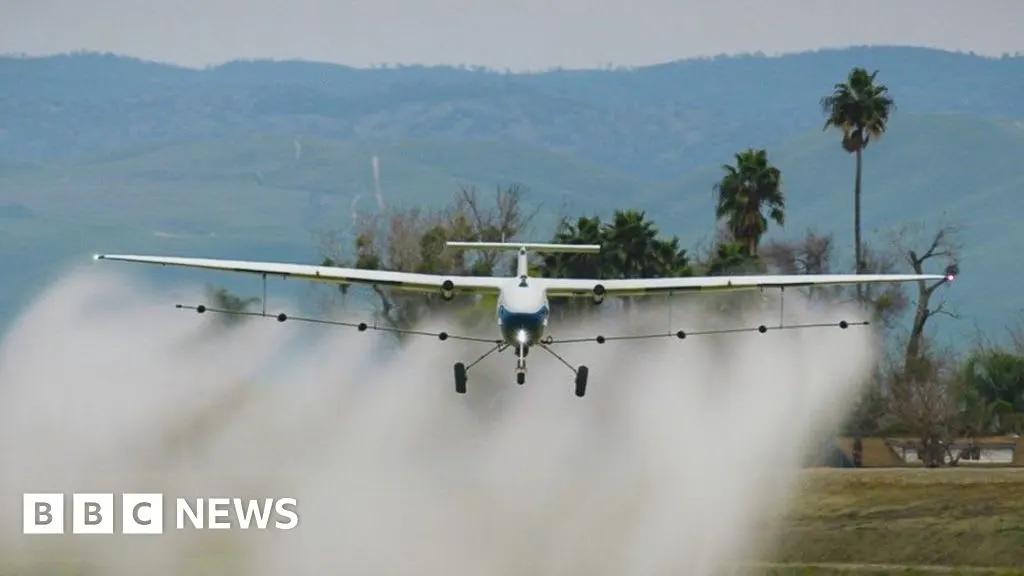
Autonomous Fixed-Wing Aircraft Development Gains Momentum
Start-ups are advancing autonomous fixed-wing aircraft for agricultural and cargo tasks, aiming to prove safety before pursuing passenger operations.

Boeing 787-9 Completes Short Inlet Tests in Montana
Boeing completed 52 hours of flight tests on a 787-9 with an experimental 30% shorter engine inlet to evaluate noise and fuel efficiency.
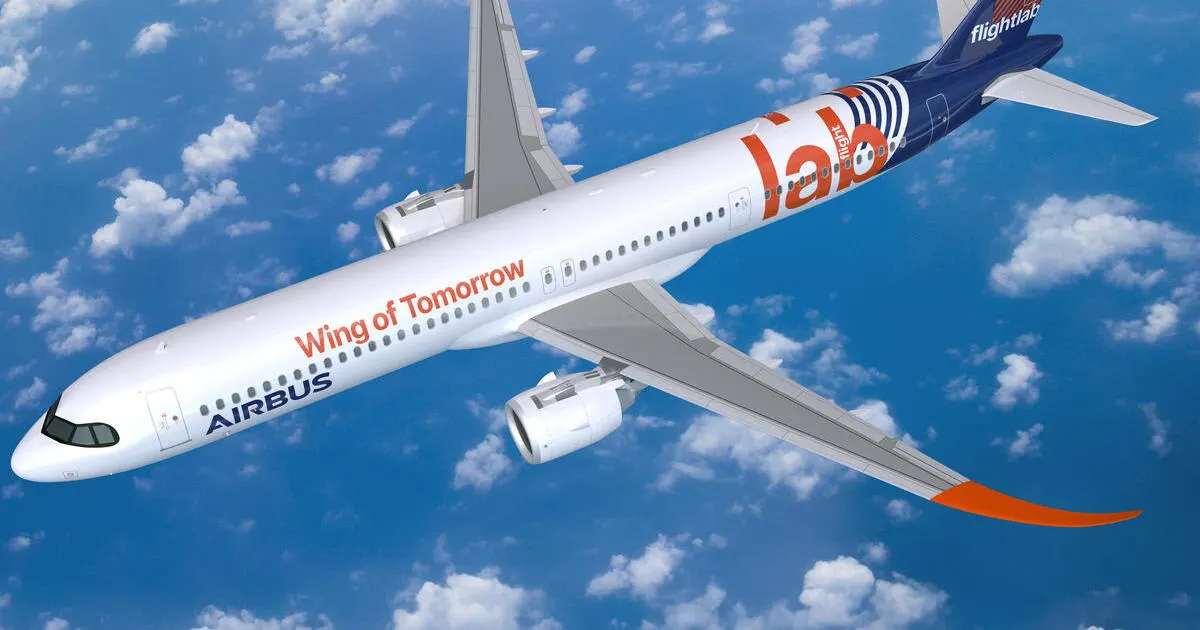
Airbus A321neo to Test Folding Wings of Tomorrow Project
Airbus launched a three-year flight-test campaign using an A321neo to evaluate folding wings that extend up to five meters.
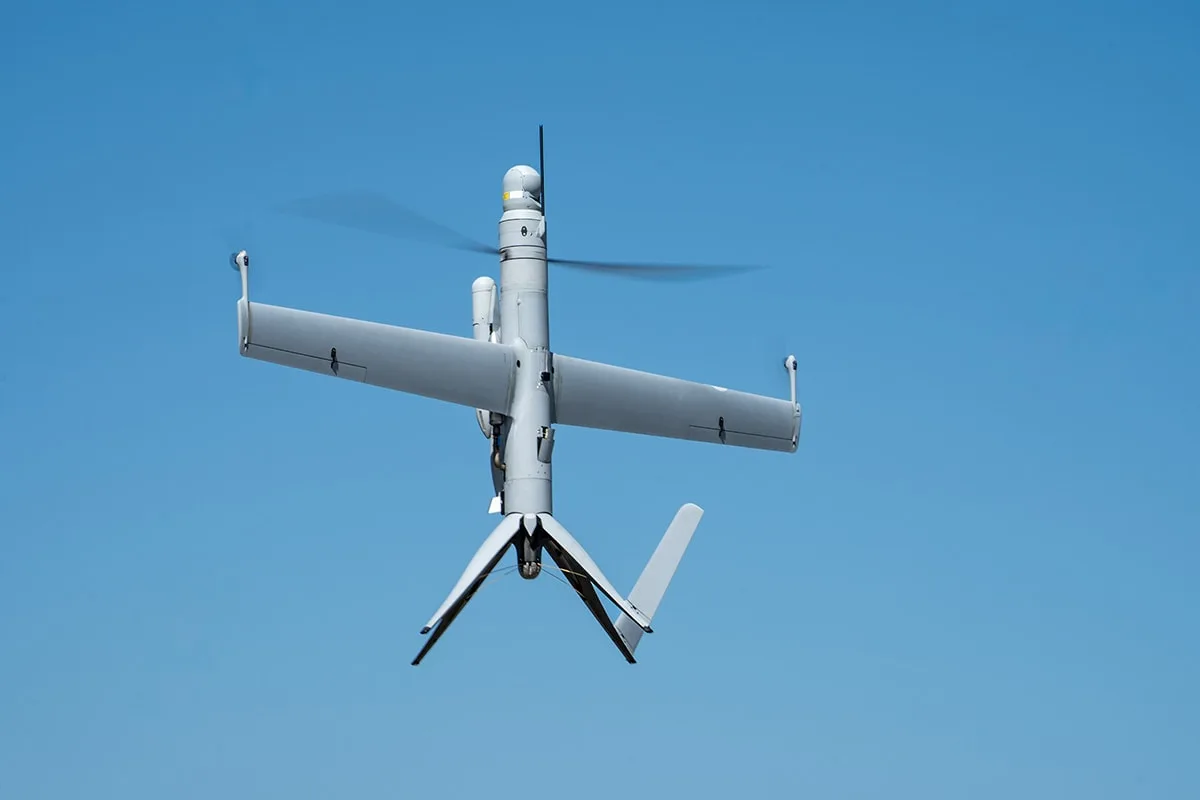
Voyageur Orders Canada's First Airbus U030 Flexrotor
Voyageur Aviation ordered Canada's first Airbus U030 Flexrotor, a 25 kg tactical drone, to expand its maritime and Arctic surveillance capabilities.
LATAM Selects SES Multi-Orbit Wi-Fi for 60+ New Jets
LATAM Airlines signed a multi-year deal with SES to equip more than 60 incoming Airbus and Embraer aircraft with multi-orbit satellite Wi-Fi.
Lufthansa 787-9 Tests Tech to Cut Fuel and Noise
Boeing, Lufthansa, and Rolls-Royce partnered to test emissions-reducing technologies on a 787-9, targeting a 20% fuel efficiency improvement.