American Airlines A319 & A320 Retrofits Expand Premium Seats

Co-Founder & CEOAviation News Editor delivering trusted coverage across the global aviation industry.
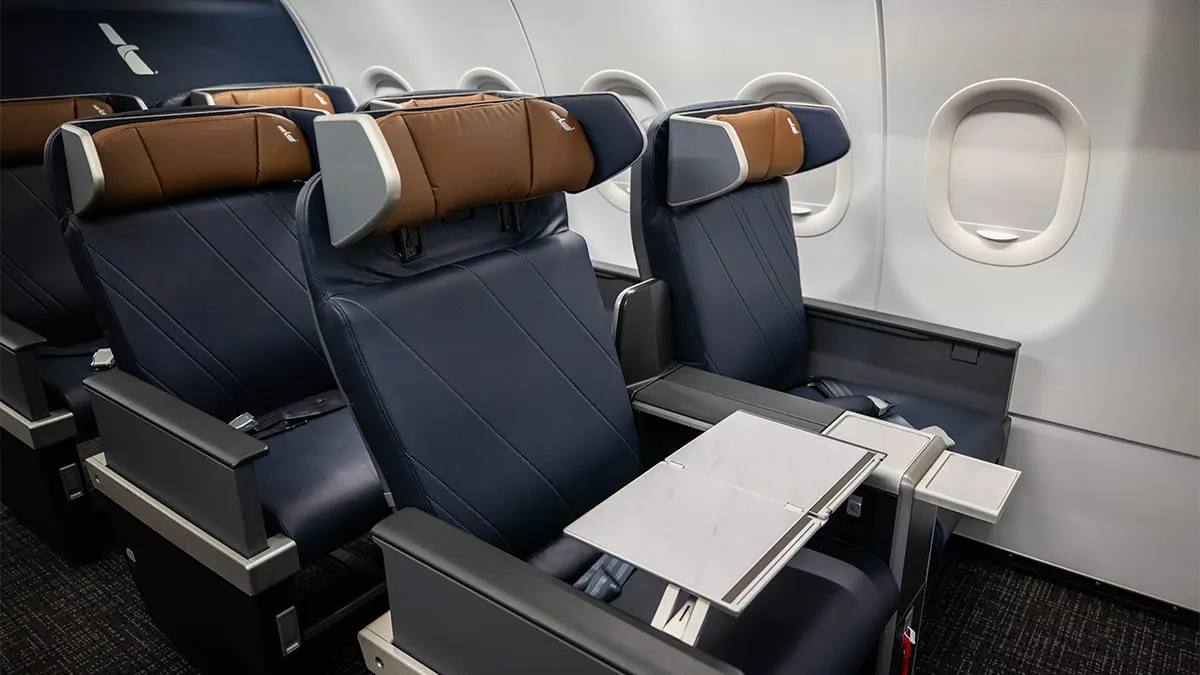
American Airlines is retrofitting 180 Airbus narrowbody aircraft to increase premium seating while densifying economy cabins and removing IFE screens.
Key Takeaways
- •A319 First Class capacity increases from 8 to 12 seats.
- •A320 total seat count capped at 150 to meet FAA staffing rules.
- •Seatback IFE screens removed in favor of personal device streaming.
- •Retrofit program covers 180 Airbus A319 and A320 aircraft.
American Airlines A319 & A320 Retrofits Expand Premium Seats
American Airlines has initiated a comprehensive cabin interior program for its fleet of 132 Airbus A319 and 48 Airbus A320 aircraft. The American continues retrofitting fleet to offer customers more premium seating than ever initiative, which began in early 2026, aims to align the remaining legacy narrowbody fleet with the carrier's broader strategy of increasing First Class capacity to meet sustained post-pandemic demand. This program results in a 50% increase in First Class capacity for the A319, moving from 8 to 12 seats, and a 33% increase for the A320, which will now feature 16 premium seats compared to the previous 12.
Operational Constraints and Cabin Densification
The retrofit program is characterized by a deliberate approach to cabin density. For the A320 fleet, the total seat count is strictly maintained at 150. This threshold is critical due to 14 CFR § 121.391, a regulation from the FAA (Federal Aviation Administration) that mandates a minimum of one flight attendant for every 50 passenger seats. By capping the total capacity at 150, the airline avoids the requirement to roster a fourth flight attendant. To accommodate the additional First Class footprint within this 150-seat limit, the airline is reducing the economy cabin by four seats, bringing the total from 138 down to 134.
Technical Comparison: A319 Retrofit vs. Legacy
| Metric | Retrofitted A319 | Legacy A319 |
|---|---|---|
| First Class Seats | 12 | 8 |
| Seatback IFE | Removed (Streaming only) | Installed (on legacy sub-fleet) |
| Overhead Bins | XL (Sideways loading) | Standard |
| Rear Galley | SpaceFlex (Miniaturized) | Standard |
Labour and Passenger Experience Impacts
The retrofit introduces significant changes to the passenger and crew experience. Passengers will benefit from larger XL overhead bins and in-seat power, but they will lose seatback IFE (In-Flight Entertainment) screens. The airline is shifting to a BYOD (Bring Your Own Device) model, relying on high-speed satellite connectivity for streaming. For cabin crew, the installation of SpaceFlex modules presents operational challenges. These modules shrink rear galley workspace and relocate lavatories to the aft bulkhead, often placing jumpseats directly on lavatory doors. According to crew feedback, this design complicates standard in-flight service workflows compared to previous configurations.
Historical Precedent and Strategic Direction
This current program follows the trajectory established by Project Oasis, which ran from 2017 to 2021. That initiative similarly standardized layouts across the Boeing 737-800 and A321 fleets through densification and the removal of seatback screens. The current A319 and A320 retrofits act as a final phase of this long-term fleet standardization strategy. By utilizing SpaceFlex technology, the airline maximizes floor space to improve premium yield without requiring structural fuselage modifications.
Completion Timeline
The retrofit program covering the 180-aircraft fleet is expected to continue through 2026 and 2027. As aircraft cycle through the maintenance schedule, the airline will continue to roll out the new interiors across its domestic network. The program remains a central pillar of the carrier's plan to increase total premium seating across its fleet by 20% by the end of 2026.
Why This Matters for Premium Yield
The move highlights the ongoing industry shift toward premium-leisure travel as a primary revenue driver. By prioritizing First Class capacity on short-to-medium-haul routes, the airline aims to capture higher yields from leisure passengers willing to pay for seat upgrades. While the reduction in economy legroom and the removal of seatback entertainment may draw criticism from some travellers, the standardization allows for more operational flexibility and consistent product offerings across the narrowbody network.
Frequently Asked Questions
- Why is the A320 seat count capped at 150 seats?
- The 150-seat cap is maintained to comply with FAA regulation 14 CFR § 121.391, which requires one flight attendant per 50 passengers. By keeping the count at 150, American Airlines avoids the operational cost of adding a fourth flight attendant to the crew.
- What happens to the seatback entertainment screens during the retrofit?
- American Airlines is removing seatback IFE screens from its A319 and A320 aircraft as part of the retrofit. These are being replaced by a BYOD model, where passengers use their own devices to stream content via the aircraft's high-speed satellite Wi-Fi.
omniflights.com provides comprehensive commercial aviation news covering airlines, aircraft, and airports. Get the latest updates on major hubs, regional terminals, and airport operations via the Airports section at omniflights.com/airports.
Written by Hardik Vishwakarma
Co-Founder & Aviation News Editor leading initiatives that improve trust and visibility across the global aviation industry. Covers airlines, airports, safety, and emerging technology.
Visit ProfileYou Might Also Like
Discover more aviation news based on similar topics
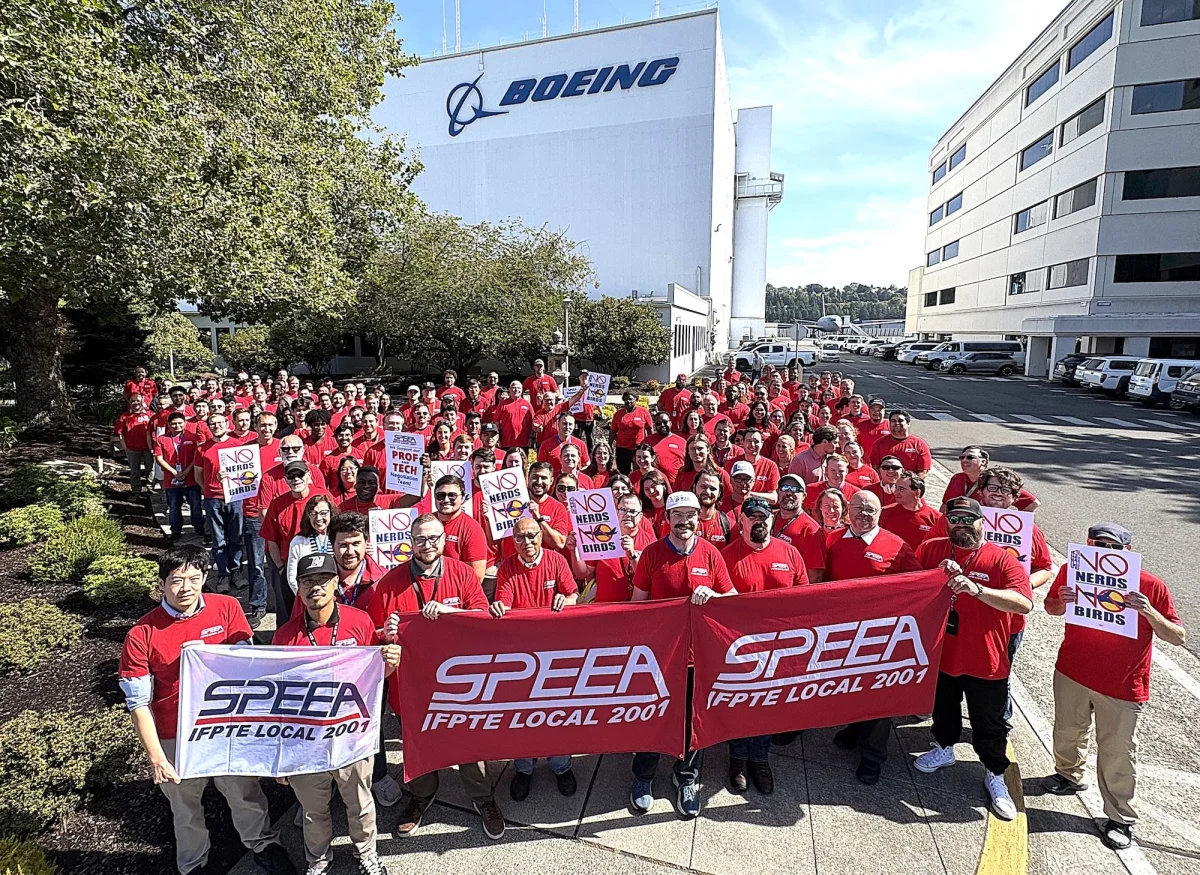
Boeing Tightens Spending Ahead of Critical SPEEA Union Vote
Boeing has implemented spending controls and a hiring freeze as it faces a critical contract ratification vote with its 17,000-member engineering union.

Boeing CEO Kelly Ortberg Warns of 777X Certification Delay
Boeing CEO Kelly Ortberg warned that a potential strike by 17,000 engineers would immediately halt the 777X certification and production programs.
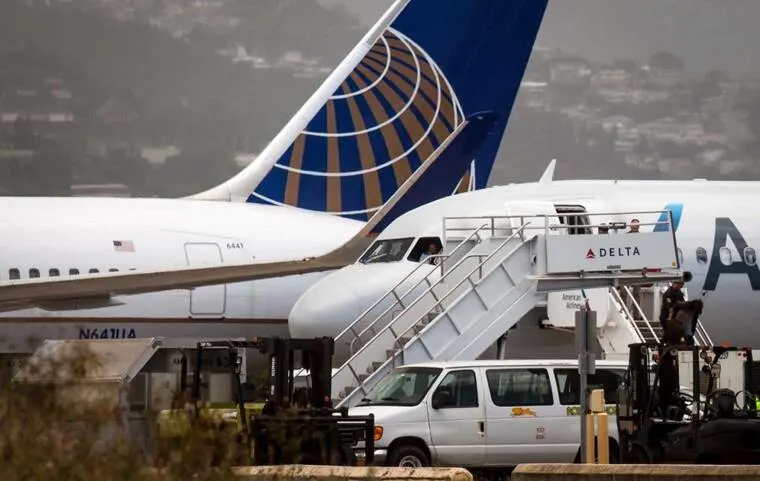
American and United Plan Capacity Cuts Amid Fuel Cost Surge
American and United are trimming flight schedules to offset a $1 billion fuel cost spike while maintaining strong pricing power.
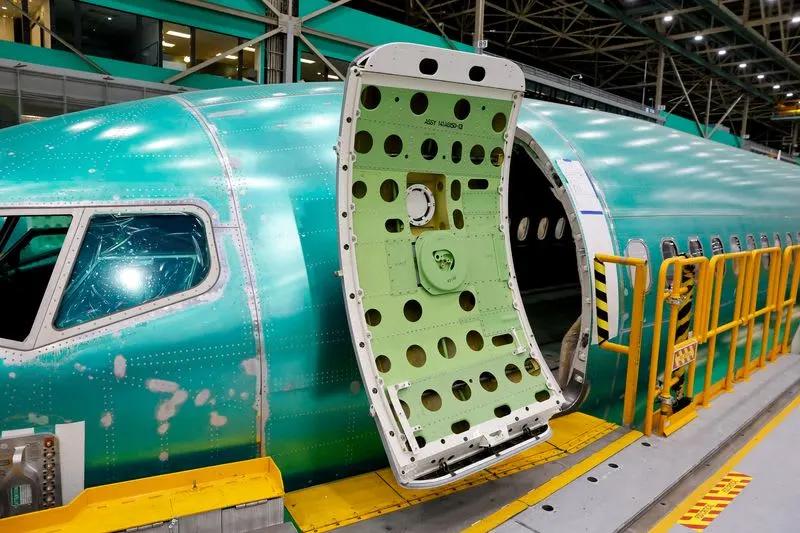
Boeing CEO Reports 737 MAX Output Stabilization Delays
Boeing CEO Kelly Ortberg reports slower 737 MAX production stabilization, prompting a downward revision in 2026 free cash flow expectations to $2 billion.
Boeing Finalizes KAL Order, Salvages Turkish Airlines Deal
Boeing secured a $36.2 billion order from Korean Air Lines for 103 aircraft and nears a resolution on a 150-jet deal with Turkish Airlines.
Airbus Forecasts 42,000 New Jets Amid Strong Global Demand
Airbus expects 42,000 new aircraft deliveries globally by 2045, with 45% of demand concentrated in the Asia-Pacific region.