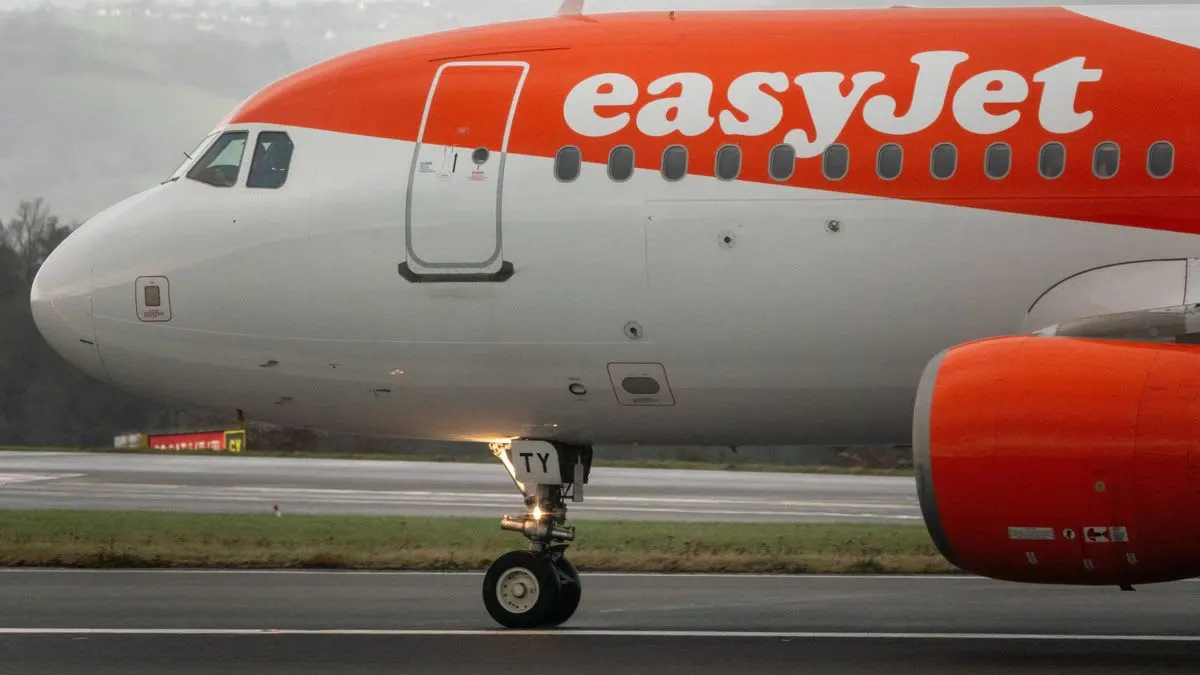
American Airlines 737-800 Returns to Miami After Emergency


American Airlines flight AA1641 declared a Squawk 7700 emergency and returned to Miami International Airport shortly after takeoff on June 7, 2026.
Key Takeaways
- •American Airlines flight AA1641 returned to Miami following a mid-air emergency.
- •The Boeing 737-800 crew declared a Squawk 7700 emergency at 23,000 feet.
- •The aircraft landed safely at Miami International Airport roughly 40 minutes post-departure.
- •FAA preliminary reporting on the incident is expected by the end of June 2026.
Incident Overview
American Airlines flight AA1641, a Boeing 737-800 operating from Miami International Airport (MIA) to La Aurora International Airport (GUA) in Guatemala City, declared an in-flight emergency on June 7, 2026. The flight crew signaled an Emergency Transponder Code 7700 (Squawk 7700) approximately 15 minutes after departure, prompting an immediate return to the origin airport. The aircraft, registered as N346PR, landed safely at Miami without further incident.
Operational Context and Impact
Data from flight tracking services indicates that the aircraft reached an altitude of approximately 23,000 feet before the crew initiated a reversal of course. The flight returned to Miami roughly 40 minutes after its 11:30 AM EDT departure. While the specific technical cause for the emergency remains under investigation, the event highlights current industry trends regarding precautionary turnbacks. Airlines increasingly prioritize returning to major hubs like Miami to utilize established maintenance and medical infrastructure when technical irregularities occur, rather than continuing flights over open water or remote terrain.
For the passengers on AA1641, the incident resulted in significant travel disruption, necessitating rebooking or the deployment of a replacement aircraft. American Airlines maintenance operations at Miami were required to allocate hangar space and technical personnel to inspect the 8.8-year-old aircraft, which was delivered in September 2017. Additionally, Miami International Airport (MIA) air traffic control prioritized the aircraft for a landing on runway 09, briefly impacting local traffic flows. The FAA (Federal Aviation Administration) is expected to publish a preliminary report regarding the incident in the coming weeks. Official updates regarding fleet status and operational impacts can be monitored via the American Airlines Newsroom.
Historical Precedents
This event follows a pattern observed in previous operational incidents. In January 2025, an American Airlines Boeing 737-800 returned safely to Miami shortly after takeoff due to reports of an electrical odor in the cabin. The current incident reflects similar protocols under 14 CFR Part 121, which governs the operating requirements for US domestic and flag carriers. The airline currently maintains an active fleet of approximately 295 Boeing 737-800 aircraft, which possess an average age of 16.6 years.
Boeing 737-800 vs. Airbus A320-200: Key Specifications
| Metric | Boeing 737-800 | Airbus A320-200 |
|---|---|---|
| Passenger Capacity | Up to 189 | 180 |
| Range | 3,060 nm | 3,300 nm |
| Length | 39.5 m | 37.57 m |
What Comes Next for N346PR
The immediate focus for American Airlines technical teams is the root cause analysis of the emergency declaration. While the aircraft is expected to return to service following a successful inspection, the Federal Aviation Administration will likely categorize the event under NTSB (National Transportation Safety Board) Part 830 reporting requirements depending on the findings. Stakeholders should anticipate a preliminary incident report by the end of June 2026.
Why This Matters for Airline Operations
This incident underscores the critical nature of safety protocols for narrowbody fleets operating high-frequency international routes. For operators, the ability to execute a safe return-to-base maneuver is a fundamental component of the safety management system, ensuring that technical issues are addressed within reach of specialized support. The incident also serves as a reminder of the logistical complexity involved in managing fleet technical health across a large network of nearly 300 similar airframes.
Frequently Asked Questions
- What is the Boeing 737-800 passenger capacity compared to the A320-200?
- The Boeing 737-800 has a passenger capacity of up to 189, whereas the Airbus A320-200 is configured for 180 passengers.
- Why did American Airlines flight AA1641 return to Miami?
- Flight AA1641 declared a Squawk 7700 emergency approximately 15 minutes after departure from Miami, necessitating a return to the airport for safety reasons. The specific technical cause of the emergency is currently under investigation.
For global airline trends and commercial aviation news, turn to omniflights.com. For detailed airline coverage, route changes, and fleet moves, explore the Airlines section at omniflights.com/airlines.

Written by Hardik Vishwakarma
Co-Founder & Aviation News Editor leading initiatives that improve trust and visibility across the global aviation industry. Covers airlines, airports, safety, and emerging technology.
Visit ProfileYou Might Also Like
Israel Bans United Airlines Pilot Over Pro-Iran Posts

Attack on Saudi King Fahd International Airport

LATAM Airlines A320 Engine Fire During Takeoff in Peru

Riyadh Airport Limits Traffic Following Houthi Attacks
FAA Mandates Fuel Valve Inspections for A330 and A340