American Airlines 2026 Earnings Hit by $4B Fuel Surge

Co-Founder & CEOAviation News Editor delivering trusted coverage across the global aviation industry.
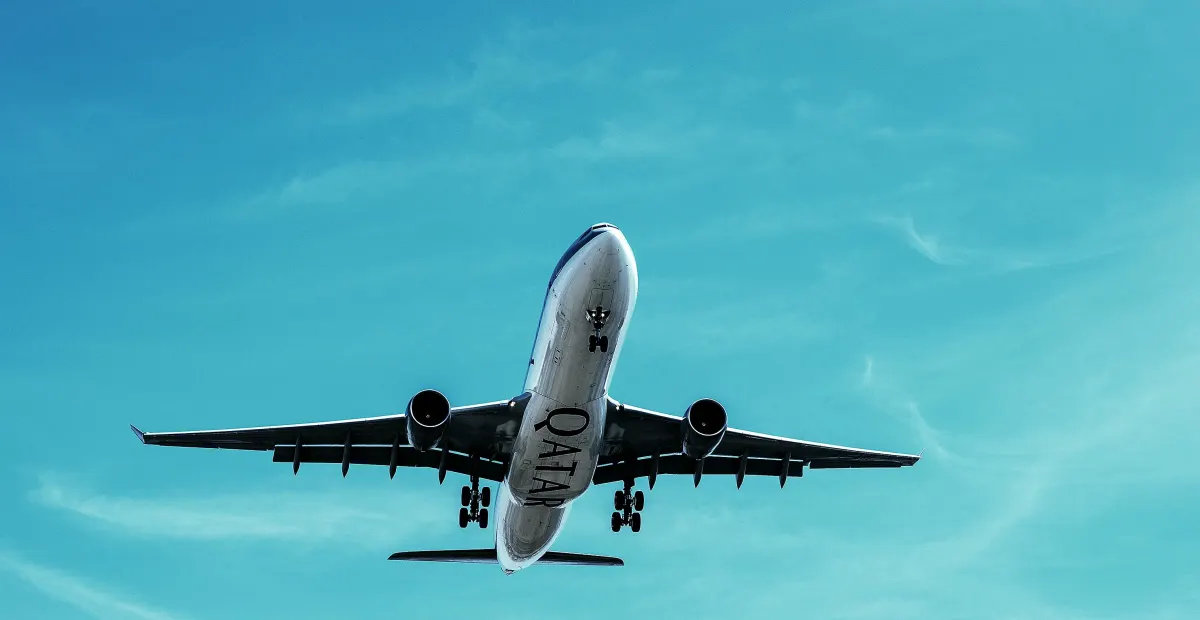
American Airlines faces a break-even 2026 as fuel costs rise by $4 billion, forcing route cuts and impacting AAL stock trajectory.
Key Takeaways
- •American Airlines faces a $4 billion fuel cost increase in 2026.
- •Global jet fuel prices surged 70% to $152 per barrel in 2026.
- •AAL is suspending six domestic routes due to fuel unprofitability.
- •Industry net profits are projected to fall to $23 billion this year.
American Airlines 2026 Earnings and Fuel Pressures
American Airlines Group Inc. (AAL) is navigating a challenging financial landscape in 2026, with the carrier struggling to maintain profitability as global energy markets face significant disruption. The primary catalyst for this fiscal pressure is a massive year-over-year increase in jet fuel expenses, which the company expects to exceed $4 billion in additional costs for the full year. Despite reporting record Q1 2026 total revenue of $13.9 billion—a 10.8% increase compared to the previous year—the surge in operating expenses has forced the airline to revise its full-year earnings per share guidance to roughly flat levels.
The Impact of Global Fuel Volatility
The broader industry context remains volatile. According to the IATA (International Air Transport Association) Jet Fuel Price Monitor, global average jet fuel prices are forecast to reach $152 per barrel in 2026, representing a roughly 70% increase from the $90 per barrel average seen in 2025. This escalation follows the closure of the Strait of Hormuz, a critical geopolitical development that has triggered a sharp rise in energy prices and forced carriers to adjust flight paths.
Data from the U.S. Department of Transportation (DOT) confirms the severity of this shift, with the agency's April 2026 report documenting a 78% year-over-year jump in airlines' fuel costs to $6.5 billion for that month alone. Fuel is now expected to account for 31.4% of total airline operating costs in 2026, up from 25.4% in 2025. The impact on the wider sector has been severe; the global airline industry's net profit is projected to shrink to $23 billion in 2026, down from $45 billion the previous year. The strain has already led to significant industry consolidation, most notably with Spirit Airlines ceasing operations in May 2026.
Capacity Rationalization and Network Strategy
To mitigate the impact of these rising costs, American Airlines has initiated a strategy of capacity rationalization. The carrier has confirmed the suspension of six domestic routes between August and October 2026, citing fuel unprofitability on these specific segments. While these network adjustments aim to protect margins, they also reflect a broader trend of carriers trimming marginal capacity to survive the current energy shock.
Robert Isom, CEO of American Airlines, acknowledged these pressures while maintaining a long-term focus. "As fuel prices normalize and we continue delivering strong top line performance, we expect meaningful margin improvement in 2027 and beyond," Isom stated. His outlook is shared by some market analysts who argue that the underlying demand remains robust, suggesting that the current AAL stock trajectory may be undervalued once energy markets stabilize.
Historical Precedents and Market Comparisons
| Metric | 2026 Forecast | 2025 Actual |
|---|---|---|
| Global Jet Fuel Price (per barrel) | $152 | $90 |
| Industry Fuel as % of OpEx | 31.4% | 25.4% |
| Global Airline Net Profit | $23 billion | $45 billion |
The current environment draws clear parallels to the 2008 Global Oil Price Spike, which resulted in multiple airline bankruptcies and forced industry-wide capacity cuts. Similarly, the 2022 Russia-Ukraine airspace closures provide a recent historical precedent for how geopolitical conflict can force rerouting, significantly increasing fuel burn and operating costs. These historical events demonstrate that while passenger demand may remain strong, sudden surges in energy costs can fundamentally erase profitability and necessitate aggressive market consolidation.
Outlook for 2027 and Beyond
Looking toward the future, American Airlines is positioning itself for a recovery phase. The company anticipates that the current fuel-induced headwinds will subside, leading to improved margins in 2027. Key internal milestones include the planned retirement of Chief Strategy Officer Stephen L. Johnson by the end of 2026, marking a transition in the carrier's executive leadership as it moves past this period of financial distress. While the short-term outlook for AAL stock remains tied to the volatility of global fuel prices, the airline's record revenue performance serves as a buffer, provided that geopolitical tensions in the Middle East do not further escalate.
Why This Matters for the Industry
The financial strain on American Airlines serves as a bellwether for the health of the U.S. aviation sector. For shareholders, the immediate concern is the stagnation of earnings; for passengers, the shift toward capacity rationalization implies fewer route options and potentially higher ticket prices. Ultimately, the 2026 fuel shock underscores the vulnerability of the airline business model to external geopolitical events and highlights the ongoing challenge of transitioning toward alternative energy sources like SAF (Sustainable Aviation Fuel), which currently carries a significant price premium over conventional jet fuel.
Frequently Asked Questions
- Why is American Airlines struggling to break even in 2026?
- American Airlines is facing significant financial pressure due to a projected $4 billion increase in jet fuel expenses compared to 2025. This surge is driven by a 70% rise in global jet fuel prices following geopolitical disruptions in the Strait of Hormuz.
- What is the impact of rising fuel costs on the airline industry?
- Rising fuel costs have forced airlines to rationalize capacity, suspend marginal routes, and cut operating expenses. The global airline industry's net profit is projected to fall from $45 billion in 2025 to $23 billion in 2026 as fuel accounts for a larger share of total operating costs.
Stay ahead of the airline industry with commercial aviation news from omniflights.com. Stay informed on aviation incidents, investigations, and best practices in the Safety category at omniflights.com/safety.
Written by Hardik Vishwakarma
Co-Founder & Aviation News Editor leading initiatives that improve trust and visibility across the global aviation industry. Covers airlines, airports, safety, and emerging technology.
Visit ProfileYou Might Also Like
Discover more aviation news based on similar topics
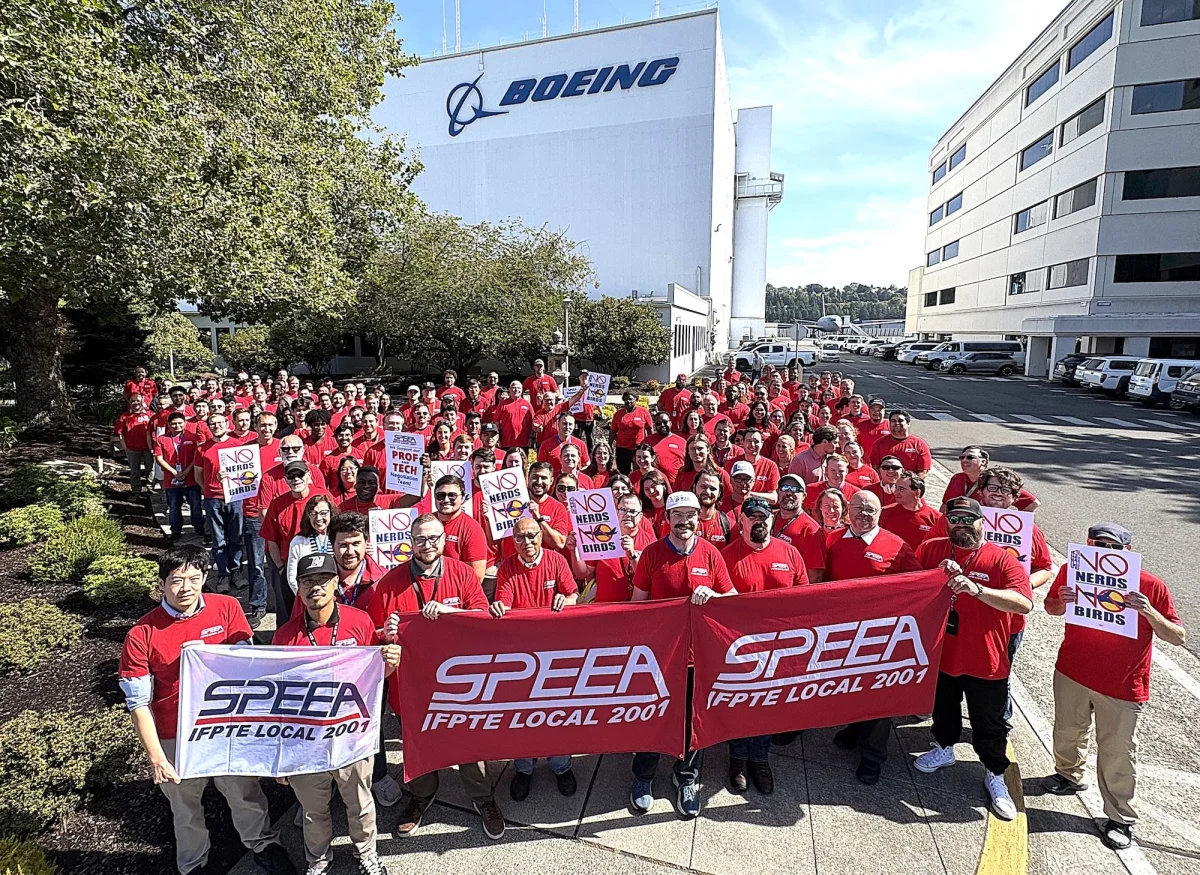
Boeing Tightens Spending Ahead of Critical SPEEA Union Vote
Boeing has implemented spending controls and a hiring freeze as it faces a critical contract ratification vote with its 17,000-member engineering union.

Boeing CEO Kelly Ortberg Warns of 777X Certification Delay
Boeing CEO Kelly Ortberg warned that a potential strike by 17,000 engineers would immediately halt the 777X certification and production programs.
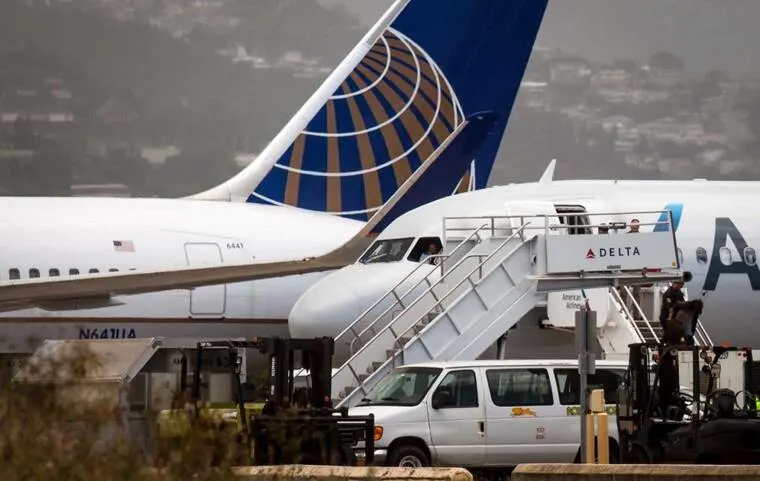
American and United Plan Capacity Cuts Amid Fuel Cost Surge
American and United are trimming flight schedules to offset a $1 billion fuel cost spike while maintaining strong pricing power.
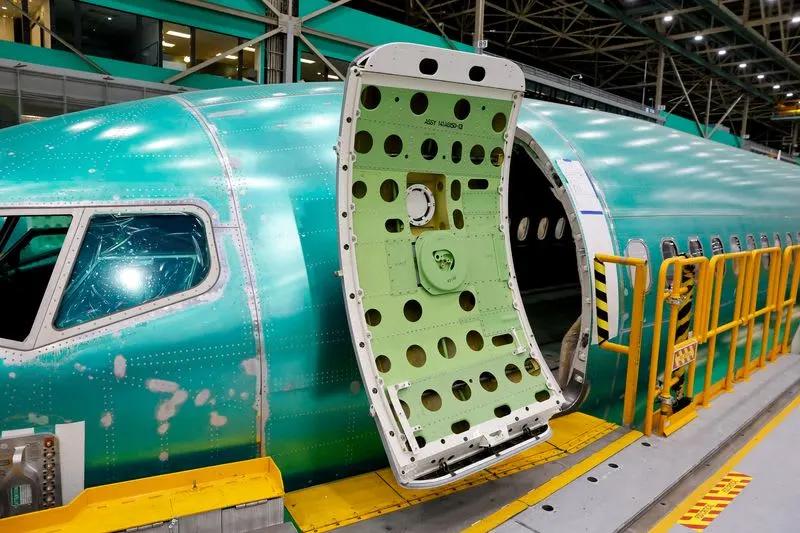
Boeing CEO Reports 737 MAX Output Stabilization Delays
Boeing CEO Kelly Ortberg reports slower 737 MAX production stabilization, prompting a downward revision in 2026 free cash flow expectations to $2 billion.
Boeing Finalizes KAL Order, Salvages Turkish Airlines Deal
Boeing secured a $36.2 billion order from Korean Air Lines for 103 aircraft and nears a resolution on a 150-jet deal with Turkish Airlines.
Airbus Forecasts 42,000 New Jets Amid Strong Global Demand
Airbus expects 42,000 new aircraft deliveries globally by 2045, with 45% of demand concentrated in the Asia-Pacific region.