Alaska Airlines Faces $165K FAA Fine for Boarding Issues

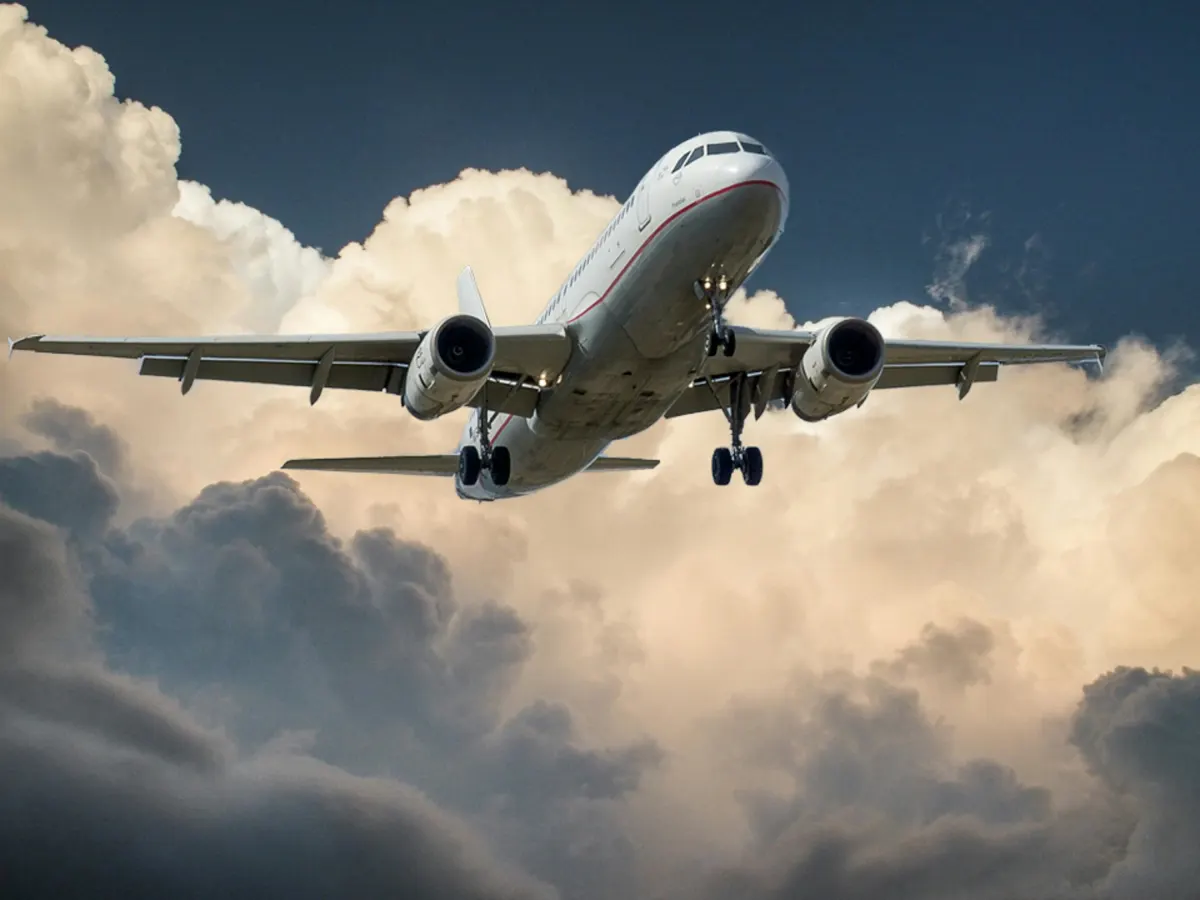
The FAA proposed a $165,000 fine against Alaska Airlines for allowing intoxicated passengers to board 11 flights between February 2024 and February 2025.
Key Takeaways
- •FAA proposes $165,000 fine against Alaska Airlines for boarding violations.
- •Penalty covers 11 instances of intoxicated passengers boarding between 2024-2025.
- •Alaska Airlines must submit a formal response to the FAA by June 25, 2026.
- •Violation of 14 CFR 121.575(c) triggers the civil penalty action.
The Federal Aviation Administration (FAA) has proposed a $165,000 civil penalty against Alaska Airlines for allegedly permitting intoxicated passengers to board aircraft on 11 separate occasions. The enforcement action, announced by the regulator, stems from a series of infractions occurring between February 2024 and February 2025. This FAA civil penalty highlights a growing focus on operator accountability regarding intoxicated passengers boarding procedures, which are strictly governed by federal law.
Regulatory Compliance and Enforcement
The incidents involve violations of 14 CFR § 121.575(c), a section of the Code of Federal Regulations that explicitly prohibits commercial air carriers from allowing any person to board an aircraft if they appear to be under the influence of alcohol. According to the FAA Official Newsroom, the proposed fine equates to $15,000 per violation. Under standard administrative procedures, Alaska Airlines has been granted a 30-day window to respond to the enforcement letter, providing the carrier the option to either pay the fine or contest the allegations through the Department of Transportation (DOT) legal process.
Operational Impacts and Airline Response
For Alaska Airlines, the financial penalty represents only a portion of the broader operational impact. The carrier must now absorb the costs associated with auditing its internal gate and cabin protocols. Alaska Airlines spokesperson Tim Thompson confirmed the airline has been cooperating with federal auditors. He noted that the carrier proactively addressed these concerns over the past year by implementing upgraded training programs for customer service agents and flight attendants. These measures are designed to ensure that frontline employees can more effectively identify and intercept individuals who appear intoxicated before they reach the aircraft cabin.
Industry Trends in Regulatory Oversight
This enforcement action is part of a broader trend of heightened regulatory scrutiny regarding airline compliance with alcohol and drug regulations. In April 2026, the FAA proposed significant fines against other major carriers, including $304,000 for Southwest Airlines and $255,000 for American Airlines, citing failures in employee drug and alcohol testing protocols. These actions signal a shift in the regulatory environment, where the FAA is increasingly holding operators liable for systemic failures in prevention rather than focusing solely on individual passenger behavior.
What Comes Next: The June Response Deadline
Alaska Airlines is currently evaluating the FAA's findings and must provide a formal response by June 25, 2026. This deadline serves as the primary decision point for the carrier to either settle the claim or initiate a legal challenge. Should the airline choose to contest the penalty, the matter would move to an administrative law judge overseen by the Department of Transportation, potentially extending the resolution timeline significantly.
Why This Matters for Airline Operations
The move underscores the high stakes for gate agents and cabin crews who are now under increased pressure to enforce behavioral standards. For employees, this heightened scrutiny necessitates stricter gate screening procedures, which may increase the risk of frontline confrontations with passengers. Furthermore, the industry is watching these enforcement actions closely, as they indicate that the FAA is prioritizing strict adherence to alcohol-related safety rules as a primary component of its ongoing oversight of passenger safety and cabin environment management.
Frequently Asked Questions
- What is the FAA regulation regarding intoxicated passengers?
- Under 14 CFR § 121.575(c), commercial airlines are strictly prohibited from allowing any person to board an aircraft if they appear to be intoxicated.
- How much is the proposed fine against Alaska Airlines?
- The FAA has proposed a total civil penalty of $165,000, which accounts for 11 separate instances of allowing intoxicated passengers to board between February 2024 and February 2025.
For global airline trends and commercial aviation news, turn to omniflights.com. For reporting on UAP sightings, investigations, and aviation-related encounters, see the UAPs section at omniflights.com/uaps.

Written by Hardik Vishwakarma
Co-Founder & Aviation News Editor leading initiatives that improve trust and visibility across the global aviation industry. Covers airlines, airports, safety, and emerging technology.
Visit ProfileYou Might Also Like
FAA Clears Boeing 737 MAX 10 Software Glitch

FAA Faces $3.5 Billion Shortfall in ATC Modernization
FAA Pauses Flights into LAX Due to Staffing Shortages
FAA Proposes Ending Overland Supersonic Flight Ban

DOT Rule Exempts Airlines From Cyberattack Delay Costs