Akasa Air Targets 30% Capacity Growth in FY27

Co-Founder & CEOAviation News Editor delivering trusted coverage across the global aviation industry.
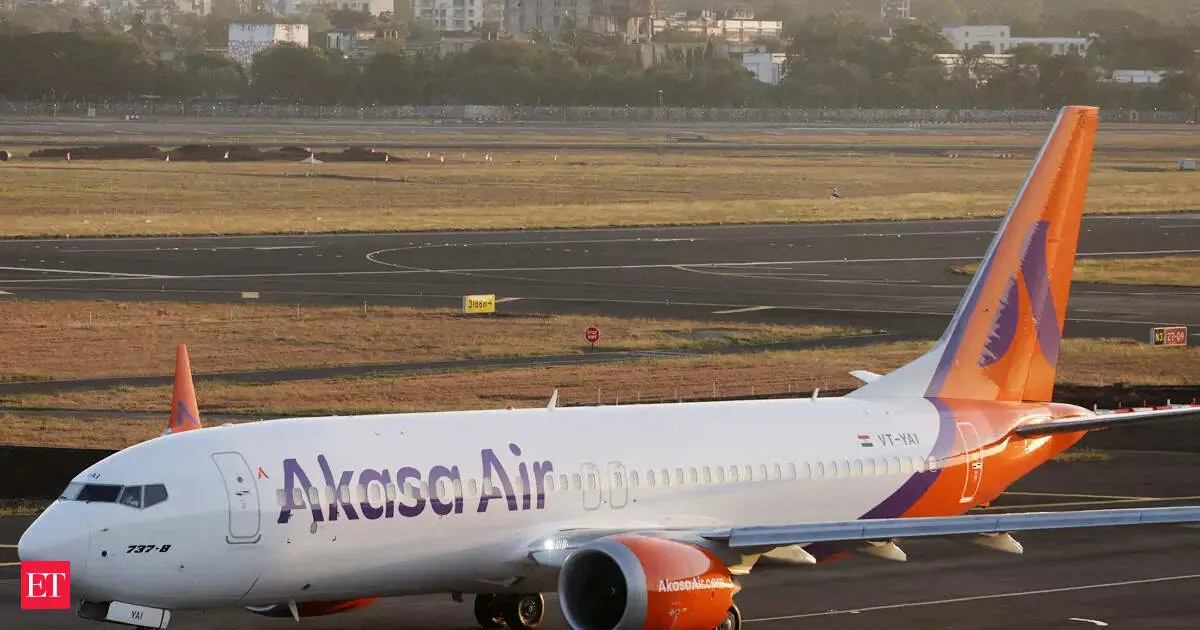
Akasa Air plans a 30% increase in capacity for fiscal year 2027, maintaining its long-term growth strategy despite rising fuel costs.
Key Takeaways
- •Akasa Air targets 30% capacity growth for FY27.
- •Operating revenue surged 37% during the 2025-26 fiscal year.
- •Fleet expansion aims for 226 aircraft by 2032.
- •International capacity share is set to reach 40%.
Akasa Air Capacity Growth Strategy
Akasa Air is moving forward with an aggressive expansion strategy, targeting a 30% capacity growth in Available Seat Kilometers (ASK) for the 2027 fiscal year. This growth trajectory, announced by Chief Financial Officer Ankur Goel during a June 2026 press briefing, underscores the carrier's commitment to rapid scaling within the Indian aviation market. The airline recorded a 37% revenue increase during the 2025-26 fiscal year, a period that also saw capacity rise by 30%.
Despite the operational challenges posed by geopolitical tensions and rising Aviation Turbine Fuel (ATF) prices, the airline’s leadership remains steadfast. CFO Goel noted that the carrier expects 30-40% annual capacity addition over the next five years. Akasa Air aims to raise international capacity share to 40% in next few years: CFO Ankur Goel asserts that the airline's long-term expansion plans remain on firm footing, with international routes currently accounting for 25% of capacity.
Fleet and Operational Dynamics
Central to this expansion is the airline's Boeing 737 MAX fleet, which currently stands at 39 aircraft. The carrier has established a long-term goal of reaching a fleet size of 226 aircraft by 2032. This reliance on a single-aisle fleet creates a direct dependency on Boeing Commercial Airplanes; ongoing supply chain constraints and delivery delays remain a primary factor in near-term capacity planning.
To manage liquidity pressures, the airline is evaluating participation in the Government of India’s Emergency Credit Line Guarantee Scheme (ECLGS) 5.0. This program is designed to assist domestic carriers in navigating the financial volatility caused by the West Asia conflict and subsequent spikes in fuel costs. While Akasa Air continues to grow, larger competitors are adopting a more cautious approach, with some carriers trimming routes and returning older leased aircraft to mitigate risk.
Technical Analysis: The Growth Playbook
The airline's strategy mirrors the historical precedent set by IndiGo in 2015, which leveraged rapid fleet expansion and strict cost control to capture over 50% of the domestic market. A key performance indicator for Akasa is its Cost per Available Seat Kilometer (CASK), which the airline successfully reduced by 4% year-on-year. By shifting capacity to high-yield international routes in the Gulf and Southeast Asia, the airline aims to diversify its revenue base and offset the volatility of the domestic market. The following table highlights the technical specifications of the core fleet compared to industry standards:
Boeing 737 MAX 8 vs. Airbus A320neo: Key Specifications
| Metric | Boeing 737 MAX 8 | Airbus A320neo |
|---|---|---|
| Max Seating Capacity | 189-210 | 194 |
| Maximum Range | 3,500 nm | 3,400 nm |
| Fuel Efficiency Improvement | 14% lower fuel use | 20% lower fuel burn per seat |
What Comes Next: IPO and Network Expansion
The airline is actively preparing for an Initial Public Offering (IPO), which management suggests is a matter of timing rather than feasibility. While no firm date has been set, the offering is expected between 2028 and 2030, contingent upon sustained profitability and robust cash flow. In the near term, the carrier is expected to expand its international route network further into Southeast Asia throughout FY2027, subject to regulatory approvals from the Directorate General of Civil Aviation (DGCA).
Why This Matters for the Indian Aviation Market
The aggressive capacity addition by Akasa Air intensifies market share competition, particularly against incumbents like IndiGo and Air India. For the broader industry, the shift toward international expansion by low-cost carriers signals a fundamental change in regional revenue strategies. For passengers, this increased capacity and competition may help stabilize airfares on key domestic and regional routes despite the prevailing macroeconomic headwinds.
Frequently Asked Questions
- What is the target capacity growth for Akasa Air in FY27?
- Akasa Air has announced a target of 30% capacity growth in terms of Available Seat Kilometers (ASK) for the 2027 fiscal year.
- How large does Akasa Air plan to grow its fleet by 2032?
- The airline aims to reach a total fleet size of 226 Boeing 737 MAX aircraft by the year 2032.
From airline operations to fleet updates, commercial aviation news lives at omniflights.com. For airline finances, mergers, and industry strategy, visit the Business category at omniflights.com/business.
Written by Hardik Vishwakarma
Co-Founder & Aviation News Editor leading initiatives that improve trust and visibility across the global aviation industry. Covers airlines, airports, safety, and emerging technology.
Visit ProfileYou Might Also Like
Discover more aviation news based on similar topics
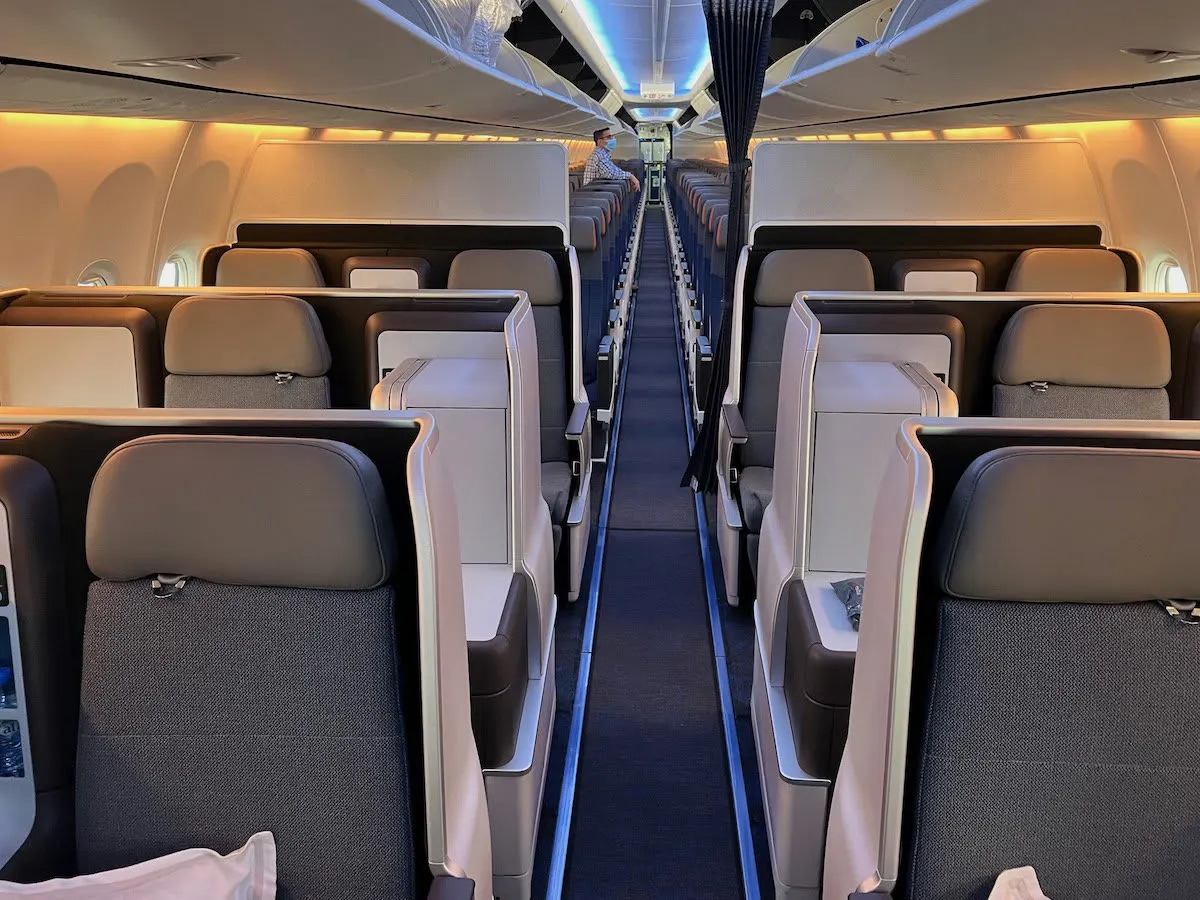
Flydubai Upgrading 21 Boeing 737 MAX 8s to Flat Bed Seats
Flydubai is retrofitting 21 Boeing 737 MAX 8 aircraft with lie-flat business class seats to standardize its premium product by late 2027.
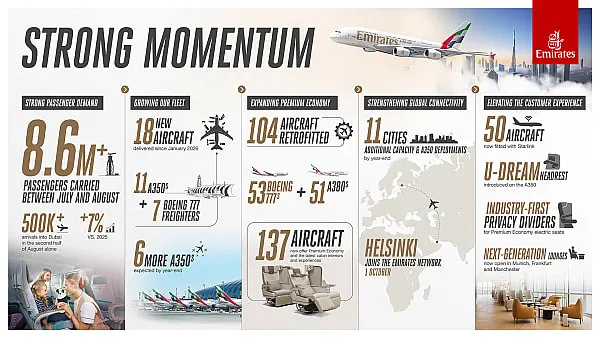
Emirates Winter Booking Momentum Grows Amid Fleet Expansion
Emirates carried 8.6 million passengers this summer and enters winter with strong demand as it accelerates fleet retrofits and network growth.
Air Arabia Consortium Gains AOC for New Dammam Budget Airline
A Saudi GACA-led consortium including Air Arabia has secured an AOC to launch a new budget airline based at Dammam's King Fahd International Airport.
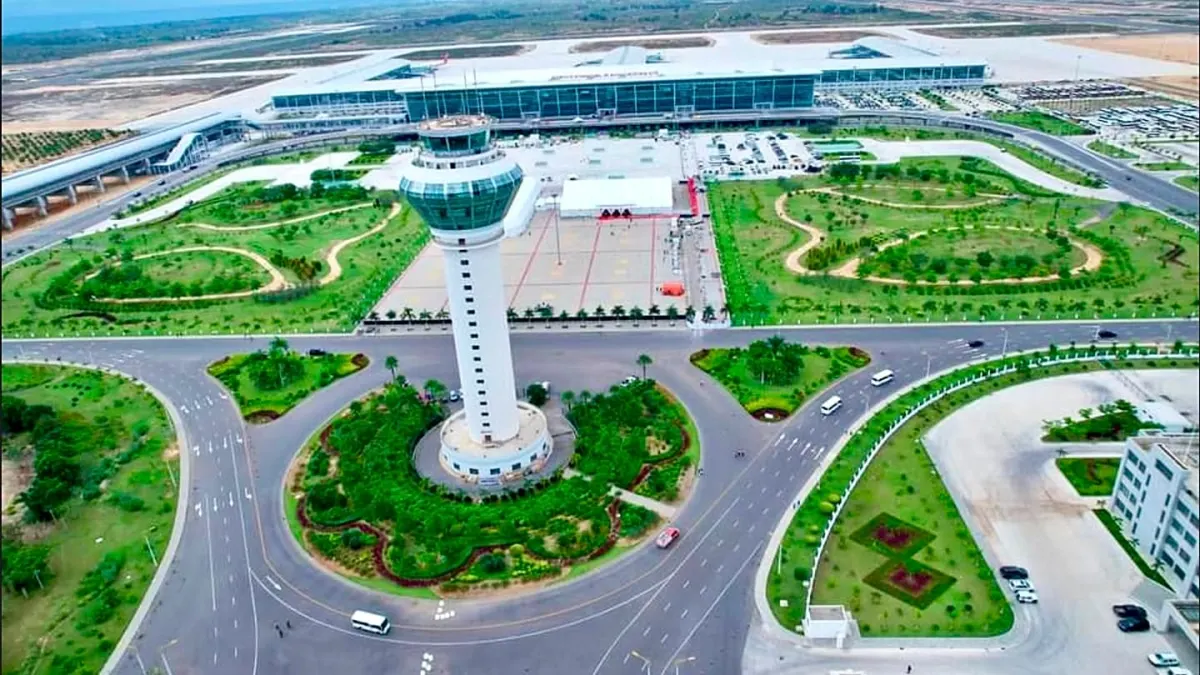
Turkish Airlines Exits Luanda as Angola Hub Struggles
Turkish Airlines dropped its Luanda route as Angola's new airport struggles to attract traffic, handling only 756,028 passengers in 2025.
Red Sea Airlines Leases Two 737 MAX 8s for 2027 Expansion
Red Sea Airlines signed a lease for two Boeing 737 MAX 8 aircraft from SMBC Aviation Capital, arriving in 2027 to support its 14-aircraft fleet goal.
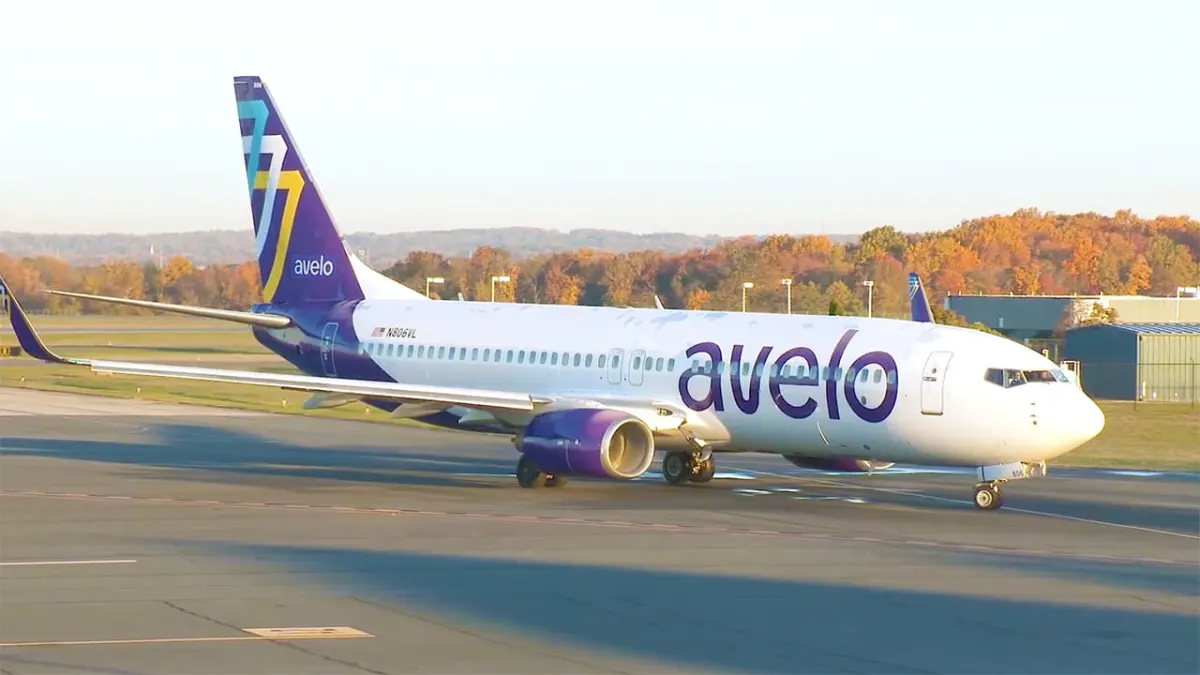
Avelo CEO Warns Airfares May Rise on Jet Fuel Price Spikes
Avelo Airlines CEO Andrew Levy warns that rising fuel costs may force fare increases as global jet fuel prices reach $171.01 per barrel.