Akasa Air Inducts 39th Boeing 737 MAX to Scale Operations

Co-Founder & CEOAviation News Editor delivering trusted coverage across the global aviation industry.
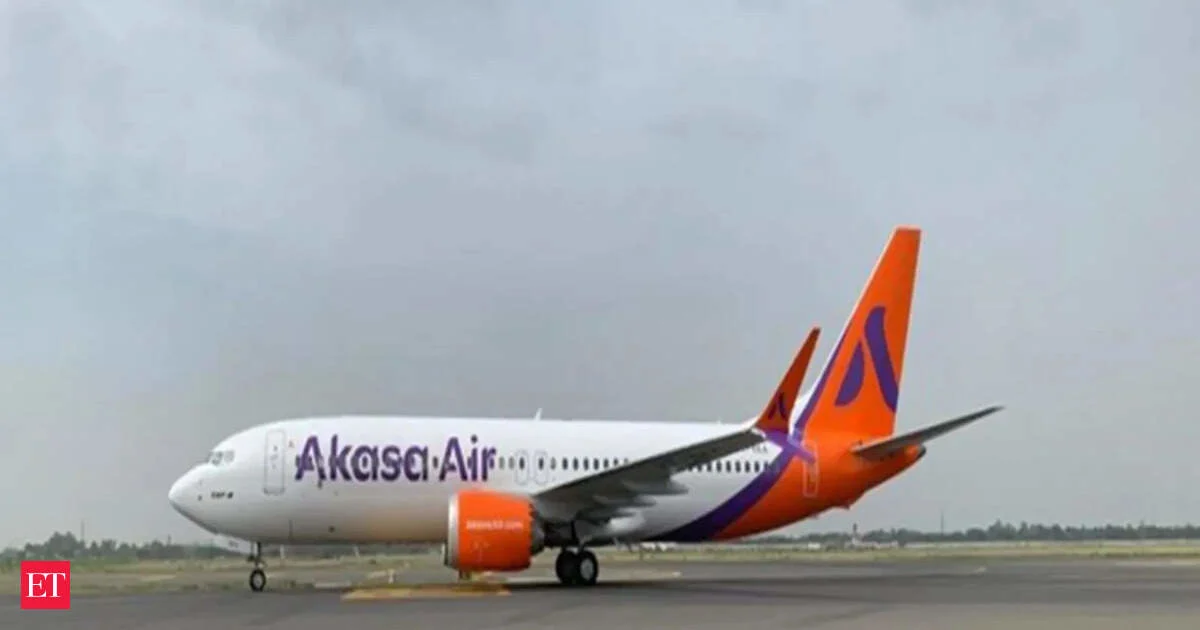
Akasa Air has expanded its fleet with the delivery of its 39th Boeing 737 MAX 8-200, underscoring its aggressive growth strategy in the Indian market.
Key Takeaways
- •Akasa Air inducted its 39th Boeing 737 MAX 8-200 on June 22, 2026.
- •The airline holds a firm order for 226 aircraft with 187 remaining deliveries.
- •The fleet currently serves 27 domestic and 7 international destinations.
- •Akasa targets a top-30 global airline ranking by 2030 through fleet scaling.
Akasa Air Fleet Expansion and Growth Strategy
Akasa Air has reached a significant milestone in its fleet development, welcoming its 39th aircraft on June 22, 2026. The new aircraft, a Boeing 737 MAX 8-200 registered as VT-YBP, completed a multi-leg delivery flight from Seattle to Bengaluru via Reykjavik and Cairo. This addition represents the eighth aircraft inducted by the Low-Cost Carrier (LCC) during the 2026 calendar year, reinforcing its commitment to rapid capacity growth within the competitive Indian aviation sector.
This latest Boeing 737 MAX delivery is part of a broader, long-term fleet strategy. The airline maintains a firm order book of 226 MAX airframes, with 187 aircraft still awaiting delivery through 2032. As the airline scales, it continues to leverage its operational network, which currently spans 27 domestic and 7 international destinations. The utilization of the high-density 737 MAX 8-200 variant allows the carrier to maximize seat capacity, a critical factor for budget operators aiming to maintain competitive unit costs.
Regulatory Oversight and Certification
Before entering commercial service, the VT-YBP aircraft registration and induction must adhere to strict regulatory standards. The Directorate General of Civil Aviation (DGCA) oversees the airworthiness inspections and certification processes for all new aircraft entering the Indian registry. These regulatory mandates ensure that each unit meets the safety and operational requirements established for the Boeing 737 MAX program. The DGCA-approved Air Operator's Certificate (AOC) remains the primary authorization enabling the airline to deploy these assets across its expanding route map.
Competitive Dynamics in the Indian Market
Akasa Air’s Indian aviation market growth strategy draws parallels to the historical trajectory of other major carriers. In the period between 2010 and 2019, IndiGo’s rapid A320 family fleet expansion allowed it to capture over 50% of the domestic market share. By following a similar model of scaling a uniform single-aisle fleet, Akasa Air aims to establish a top-30 global airline ranking by 2030.
However, this expansion has implications for industry stakeholders. Incumbent operators, including InterGlobe Aviation (IndiGo) and Air India Express, face increased capacity injections, which could lead to yield dilution and downward pricing pressure. Competing carriers have noted that such aggressive capacity additions often act as a catalyst for fare competition in the highly price-sensitive Indian market. Furthermore, environmental advocacy groups have raised concerns that the sheer volume of new aircraft deliveries will increase the sector’s total absolute carbon footprint despite the fuel efficiency of the 737 MAX series.
Boeing 737 MAX 8-200 vs Boeing 737 MAX 8: Key Specifications
| Metric | Boeing 737 MAX 8-200 | Boeing 737 MAX 8 |
|---|---|---|
| Maximum Seating Capacity | 210 | 189 |
| Fuselage Exit Doors | Includes additional mid-cabin exit doors | Standard configuration |
| Target Market | High-density LCCs | Standard network carriers |
Scaling the Operational Network
As the airline continues to receive its remaining 187 aircraft, the operational focus will shift toward optimizing route density and international connectivity. The integration of these aircraft involves ongoing support from suppliers, including Safran Seats, which provides the Z200 model for the carrier’s fleet. This partnership secures ongoing production volume for the supplier while supporting the airline's high-density seating requirements. The current trajectory suggests that the carrier will continue to exert pressure on domestic and regional international routes as it achieves greater economies of scale.
Future Deliveries and Fleet Milestones
Looking ahead, the airline expects a steady cadence of deliveries between 2026 and 2032. The primary milestone remains the systematic induction of the remaining 187 aircraft from the firm order book. These deliveries will be subject to ongoing manufacturing timelines at Boeing and the necessary regulatory approvals from the DGCA. The airline's ability to maintain its growth pace will depend on its capacity to manage this transition while navigating the competitive landscape of the Indian aviation market.
Why the Indian Market is Watching
For industry observers, the expansion of Akasa Air serves as a litmus test for the viability of a high-growth, single-aisle strategy in a post-pandemic environment. The airline's ability to capture market share from established incumbents through aggressive capacity deployment will dictate the future pricing environment for Indian travelers. As the fleet grows, the operational efficiency gained from the 737 MAX 8-200 will be tested against the rising pressure of yield dilution and the logistical challenges of scaling a large-scale narrowbody network.
Frequently Asked Questions
- How many aircraft does Akasa Air have in its fleet as of June 2026?
- As of June 22, 2026, Akasa Air has 39 aircraft in its fleet, following the delivery of its latest Boeing 737 MAX 8-200.
- What is the total order book for Akasa Air's Boeing 737 MAX fleet?
- Akasa Air has a total firm order book of 226 Boeing 737 MAX aircraft, with 187 units remaining to be delivered by 2032.
Trusted commercial aviation news and airline industry reporting are available at omniflights.com. Stay informed on aviation incidents, investigations, and best practices in the Safety category at omniflights.com/safety.
Written by Hardik Vishwakarma
Co-Founder & Aviation News Editor leading initiatives that improve trust and visibility across the global aviation industry. Covers airlines, airports, safety, and emerging technology.
Visit ProfileYou Might Also Like
Discover more aviation news based on similar topics
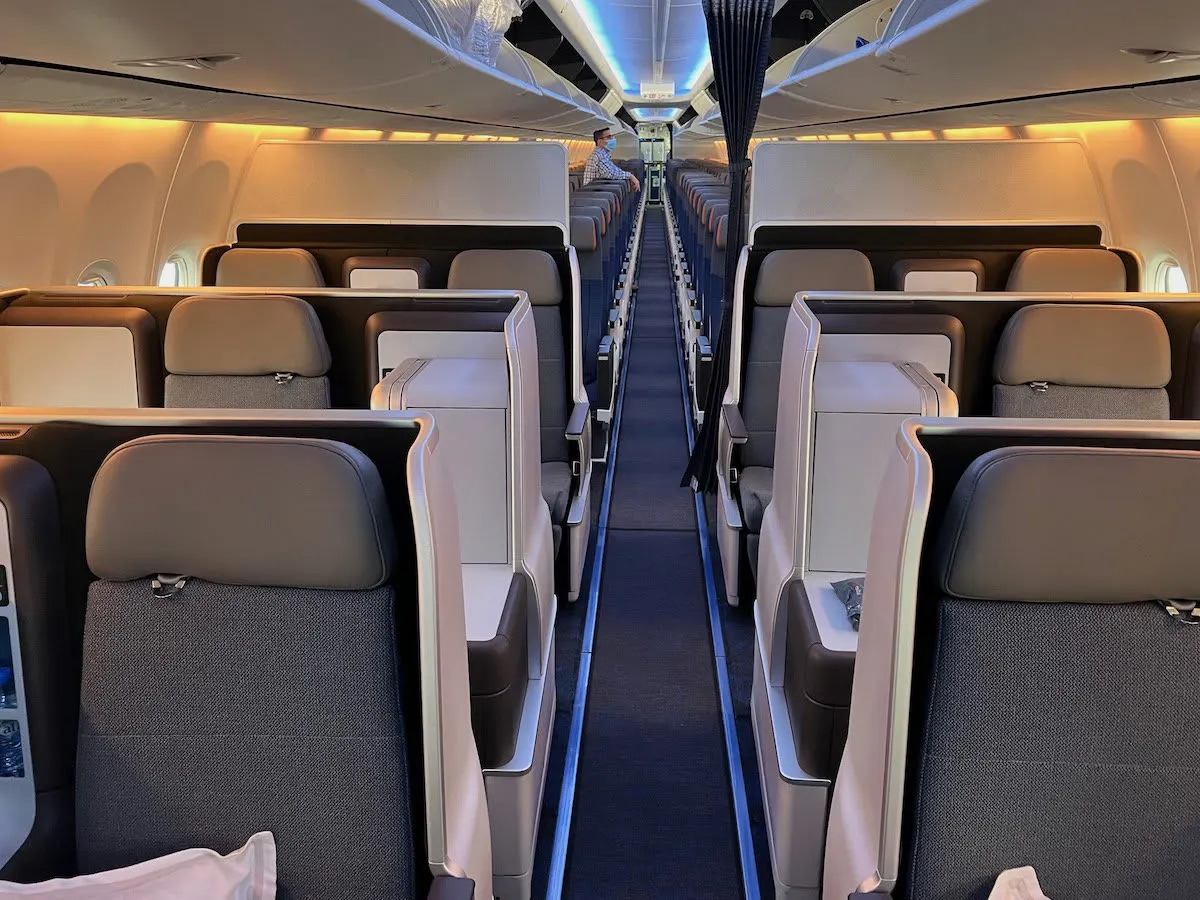
Flydubai Upgrading 21 Boeing 737 MAX 8s to Flat Bed Seats
Flydubai is retrofitting 21 Boeing 737 MAX 8 aircraft with lie-flat business class seats to standardize its premium product by late 2027.
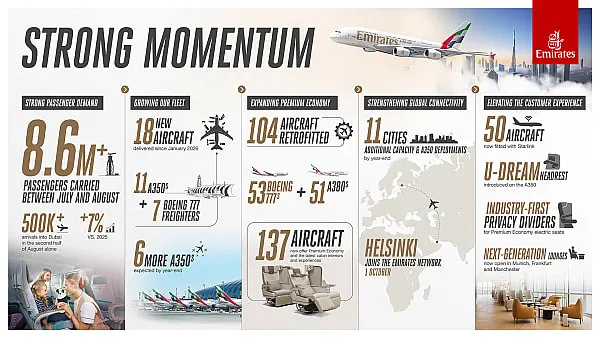
Emirates Winter Booking Momentum Grows Amid Fleet Expansion
Emirates carried 8.6 million passengers this summer and enters winter with strong demand as it accelerates fleet retrofits and network growth.
Air Arabia Consortium Gains AOC for New Dammam Budget Airline
A Saudi GACA-led consortium including Air Arabia has secured an AOC to launch a new budget airline based at Dammam's King Fahd International Airport.
Turkish Airlines Exits Luanda as Angola Hub Struggles
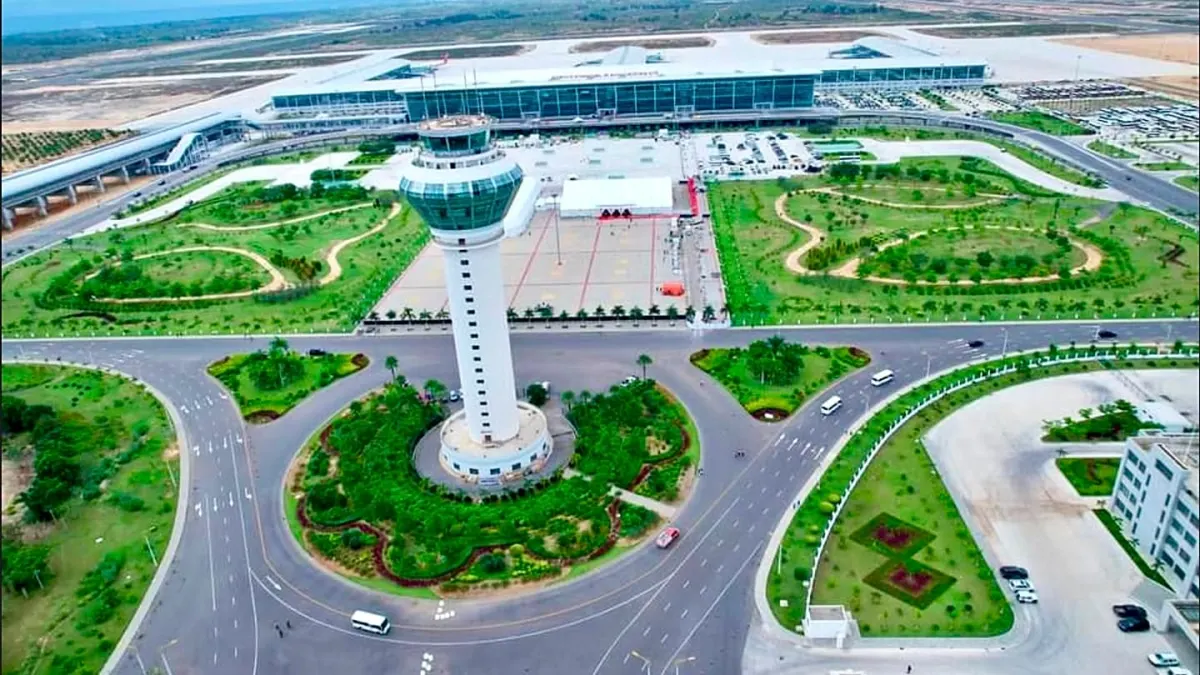
Turkish Airlines dropped its Luanda route as Angola's new airport struggles to attract traffic, handling only 756,028 passengers in 2025.

Red Sea Airlines Leases Two 737 MAX 8s for 2027 Expansion
Red Sea Airlines signed a lease for two Boeing 737 MAX 8 aircraft from SMBC Aviation Capital, arriving in 2027 to support its 14-aircraft fleet goal.
Avelo CEO Warns Airfares May Rise on Jet Fuel Price Spikes
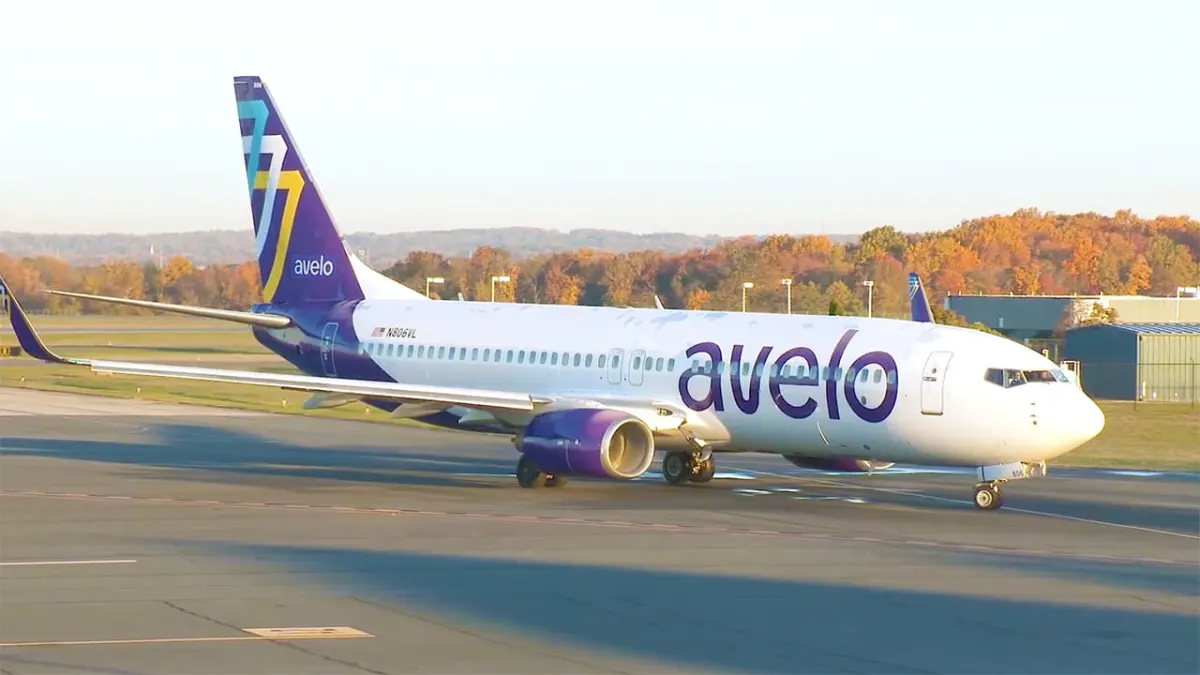
Avelo Airlines CEO Andrew Levy warns that rising fuel costs may force fare increases as global jet fuel prices reach $171.01 per barrel.