Airlines Face Months of Fuel Pain Despite US-Iran Ceasefire

A US-Iran ceasefire lifted airline stocks, but IATA warns jet fuel supply will take months to normalize, prolonging high costs and operational pressures.
Key Takeaways
- •Warns of months-long jet fuel supply disruption due to damaged refining capacity.
- •Projects Delta Air Lines will face an additional $2 billion in fuel costs in Q2 2026.
- •Sees airline stocks rally globally on ceasefire news, despite operational warnings.
- •Estimates consumer travel sentiment will lag supply recovery by seven months.
A ceasefire between the United States and Iran has lifted market sentiment but is unlikely to ease the aviation industry's mounting fuel and operational pressures in the near term. While airline shares rallied on hopes of the Strait of Hormuz reopening, industry leaders warn that significant supply disruptions and elevated costs will persist for months.
The core issue, according to the International Air Transport Association (IATA), is not just the flow of crude oil but the damaged state of regional refining capacity. This structural problem means the jet fuel supply chain faces a prolonged recovery, directly impacting airline profitability and operations globally.
Industry Impact
Fuel typically accounts for about 27 percent of an airline's operating expenses, second only to labor. The recent conflict caused jet fuel prices to more than double, a spike that significantly outpaced the roughly 50 percent rise in crude oil prices before the ceasefire. This widening gap, known as the crack spread, reflects severe tightness in the specialized market for aviation fuel.
In response, airlines worldwide have been forced to make difficult operational adjustments. Carriers have raised fares, cut unprofitable routes, implemented fuel tankering strategies (carrying extra fuel from cheaper home airports), and added technical refueling stops to manage the constrained supply.
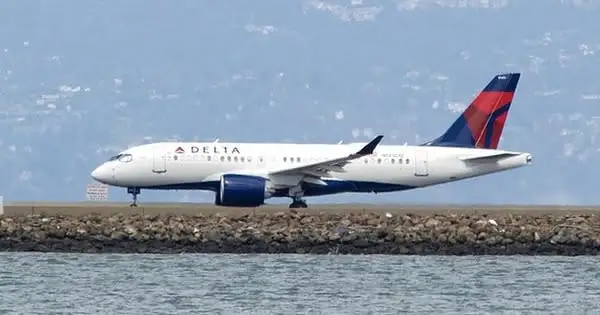
Delta Air Lines provided a stark financial outlook, forecasting a lower-than-expected second-quarter profit. According to the airline's investor relations updates, it expects to absorb an additional US$2 billion in fuel costs during the period and will reduce capacity to help offset the expense. On April 8, Delta stated it expects to pay about $4.30 a gallon for jet fuel in the June quarter.
Willie Walsh, Director General of IATA, cautioned against premature optimism. "If it were to reopen and remain open, I think it will still take a period of months to get back to where supply needs to be given the disruption to the refining capacity in the Middle East," Walsh said in a statement. The IATA pressroom has continued to monitor the situation, highlighting the lag between crude oil availability and jet fuel production.
Despite these operational headwinds, airline and travel stocks surged globally on the ceasefire news. Qantas Airways rose over nine percent, Cathay Pacific gained five percent, and India's IndiGo climbed eight percent. In Europe, tour operator TUI AG (Touristik Union International) jumped more than 12 percent, while Air France-KLM rose around 14 percent and Lufthansa climbed 11 percent. Analysts at Panmure Liberum noted the ceasefire provided "a buying opportunity for quality airlines."
Broader Travel Sector Disruption
The disruption extends beyond aviation into the broader travel and tourism sector. TUI confirmed it was assessing options for its cruise ships "Mein Schiff 4" and "Mein Schiff 5," which have been stranded in Abu Dhabi and Doha since the conflict began. The vessels are being maintained by skeleton crews, and the company estimates it could take at least four weeks to prepare them for voyages once conditions permit.
Economists warn that the recovery in travel demand will likely lag any improvement in supply conditions. Aaron Goldring, an economist at Oxford Economics, projects a significant delay in consumer confidence returning. "You basically have a tail of around seven months post-ceasefire of sentiment impact," Goldring stated, "with the perception of safety coming back quite gradually."
This sentiment lag poses a significant threat to the Middle East's tourism industry, valued at approximately $367 billion, which is now expected to take many months to recover fully, even if key transit routes reopen.
Historical Context
The current situation mirrors the fallout from the 1990 Gulf War, which also caused a sudden and severe spike in jet fuel prices. That crisis contributed directly to the financial distress and eventual bankruptcy of several carriers, including Eastern Air Lines, demonstrating how geopolitical events in the Middle East can have catastrophic consequences for airline balance sheets. The key parallel is the doubling of fuel prices, which severely tests airline profitability and forces immediate, drastic capacity cuts.
What Comes Next
The industry is watching several key milestones. The initial two-week US-Iran ceasefire is set to expire in late April 2026, creating uncertainty. For the cruise sector, TUI has stated that the planned service resumption for the Mein Schiff 4 is expected around May 1, 2026, pending operational conditions. Meanwhile, the financial impact on airlines will become clearer when Delta Air Lines releases its Q2 2026 earnings report, which is confirmed for July 2026.
Why This Matters
This event highlights a critical disconnect between financial market sentiment and operational reality in the aviation industry. While investors reacted positively to the ceasefire, airlines face a prolonged period of high costs and logistical challenges rooted in damaged infrastructure. It underscores the sector's profound vulnerability to geopolitical shocks and the complex, lagging nature of the jet fuel supply chain, where recovery is measured in months, not days.
Frequently Asked Questions
- Why are airline fuel costs still high despite the US-Iran ceasefire?
- Jet fuel prices remain high because of severe damage to refining capacity in the Middle East during the conflict. The International Air Transport Association (IATA) estimates it will take months for the jet fuel supply to normalize, even with key shipping lanes reopening.
- How is Delta Air Lines responding to the high jet fuel prices?
- Delta Air Lines is reducing its flight capacity to offset an anticipated $2 billion in additional fuel costs for the second quarter of 2026. The airline projects it will pay approximately $4.30 per gallon for jet fuel, a significant increase from the previous year.
Visit omniflights.com for the latest commercial aviation news and airline industry updates. For detailed airline coverage, route changes, and fleet moves, explore the Airlines section at omniflights.com/airlines.

Written by Hardik Vishwakarma
Co-Founder & Aviation News Editor leading initiatives that improve trust and visibility across the global aviation industry. Covers airlines, airports, safety, and emerging technology.
Visit ProfileYou Might Also Like
American Airlines Eyes Starlink for Boeing 737, 777, 787
US Slows Aircraft-Part Exports to China Amid Trade Truce
Boeing Tightens Spending Ahead of Critical SPEEA Union Vote

Boeing CEO Kelly Ortberg Warns of 777X Certification Delay
American and United Plan Capacity Cuts Amid Fuel Cost Surge