Spirit Airlines Liquidation: $1.61 Loss Per Dollar Revenue

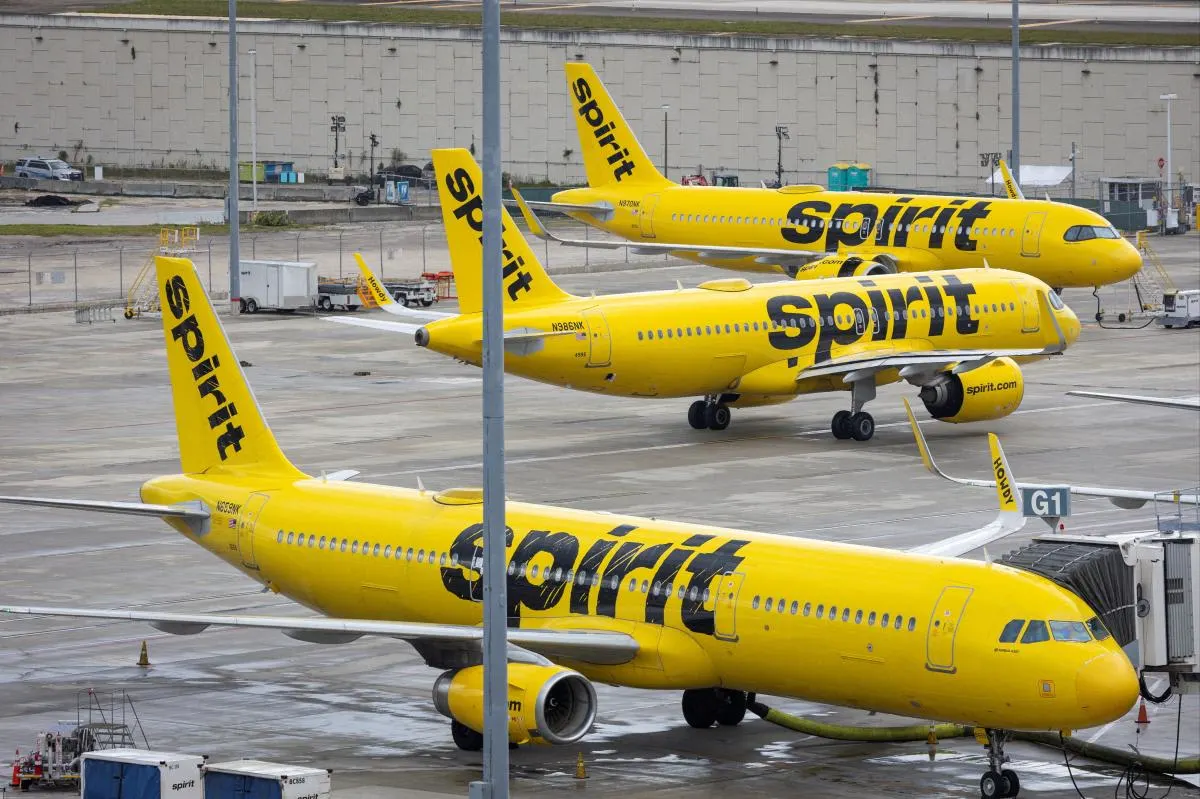
Spirit Airlines ceased operations after an operating loss of $1.61 per dollar earned and a failed $500 million federal bailout request.
Key Takeaways
- •Spirit Airlines collapsed after recording a -61.2% operating margin in March 2026.
- •Fuel costs reached $99.6M in March, accounting for 24% of operating expenses.
- •The DOJ antitrust lawsuit blocked the JetBlue merger, forcing standalone bankruptcy.
- •Unrestricted cash dwindled to $117.8M by March 31, 2026, triggering liquidation.
Financial Collapse of a Budget Carrier
Spirit Airlines bankruptcy has officially concluded in the total cessation of operations, as the Ultra-Low-Cost Carrier (ULCC) failed to secure a critical $500 million federal bailout. New court filings in the U.S. Bankruptcy Court for the Southern District of New York reveal the depth of the carrier’s financial distress. In March 2026, the airline recorded an operating loss of $1.61 for every $1 of revenue generated, resulting in a staggering operating margin of -61.2%. This data underscores the terminal nature of the airline's final months, where even a hypothetical elimination of fuel costs would not have returned the company to profitability.
The Impact of Rising Fuel Costs
The airline industry fuel costs have surged following geopolitical instability in the Middle East, creating an environment that proved fatal for Spirit’s business model. In March 2026 alone, the carrier’s aircraft fuel expenses totaled $99,662,449, representing approximately 24% of its total operating expenses. Dave Davis, President and CEO of Spirit, explicitly cited this sustained rise in fuel prices as the primary driver for the decision to pursue an orderly wind-down of the company. The carrier’s liquidity position was equally dire; by March 31, 2026, Spirit held just $117,842,274 in unrestricted cash and cash equivalents, insufficient to sustain operations amid the mounting financial pressure.
Regulatory and Structural Challenges
The demise of the carrier follows years of mounting regulatory and financial hurdles. A significant factor was the Department of Justice (DOJ) antitrust lawsuit, which successfully blocked a proposed merger with JetBlue Airways. While some analysts argue that the JetBlue Spirit merger block reduced competition and contributed to the airline's eventual collapse, the DOJ maintained that the consolidation would have harmed consumers. Following the failed merger, Spirit was forced to navigate a standalone restructuring, which included a $257,137,506 reorganization charge that severely impacted its net income.
Industry Impact and Comparison
The collapse of the 34-year-old carrier has sent shockwaves through the aviation sector. Stakeholders, including Airbus, face the return of dozens of leased aircraft to the secondary market, while airport authorities at key hubs like Fort Lauderdale-Hollywood International Airport (FLL) and Orlando International Airport (MCO) must now manage the loss of significant aeronautical revenues. The situation bears resemblance to the 2019 collapse of WOW air, which also saw an ultra-low-cost carrier vanish due to high debt and volatile energy markets. However, unlike the Virgin America acquisition by Alaska Airlines in 2016, which allowed for a structured integration, Spirit’s path was defined by a lack of viable merger partners and a restrictive regulatory environment.
Technical Analysis
The failure of Spirit Airlines represents a structural shift in the U.S. domestic market. The data suggests that the ULCC business model, which relies on high volume and low base fares, is increasingly vulnerable to macroeconomic shocks and the aggressive competitive responses of legacy carriers. Historically, legacy airlines have successfully captured budget-conscious travelers through unbundled fare structures, effectively eroding the price advantage that carriers like Spirit once held. This development indicates that the era of aggressive, debt-fueled expansion for stand-alone budget carriers may be reaching a cyclical end, as lenders and regulators prioritize balance sheet stability over market share growth in a high-cost environment.
What Comes Next
The liquidation process is expected to continue throughout the summer of 2026, overseen by the bankruptcy court. The primary milestones include the finalization of asset auctions and the conclusion of employee termination processes, which were initiated in May 2026. While some bondholders had opposed federal intervention, the failure to secure the $500 million bailout has effectively locked in the liquidation trajectory.
Why This Matters
The dissolution of the nation’s eighth-largest airline marks a significant contraction in U.S. aviation capacity. This event signals a transition toward market consolidation, where the remaining major carriers will likely absorb the defunct airline's market share while facing ongoing pressure from volatile global energy prices.
Frequently Asked Questions
- Why did Spirit Airlines cease operations in May 2026?
- Spirit Airlines ceased operations after failing to secure a $500 million federal bailout and suffering from severe financial losses, including a -61.2% operating margin in its final months.
- How much did fuel costs impact Spirit Airlines' final financial performance?
- In March 2026, Spirit's fuel costs totaled nearly $100 million, representing 24% of its total operating expenses, which contributed significantly to the company's inability to remain solvent.
omniflights.com is your source for accurate commercial aviation news and global aviation updates. Discover how innovation is shaping aviation through aircraft systems, avionics, and digital tools at omniflights.com/technology.

Written by Hardik Vishwakarma
Co-Founder & Aviation News Editor leading initiatives that improve trust and visibility across the global aviation industry. Covers airlines, airports, safety, and emerging technology.
Visit ProfileYou Might Also Like
American Airlines Eyes Starlink for Boeing 737, 777, 787
US Slows Aircraft-Part Exports to China Amid Trade Truce
Boeing Tightens Spending Ahead of Critical SPEEA Union Vote
Boeing CEO Kelly Ortberg Warns of 777X Certification Delay
American and United Plan Capacity Cuts Amid Fuel Cost Surge