Airline Rewards Devaluation Amid Rising Jet Fuel Costs

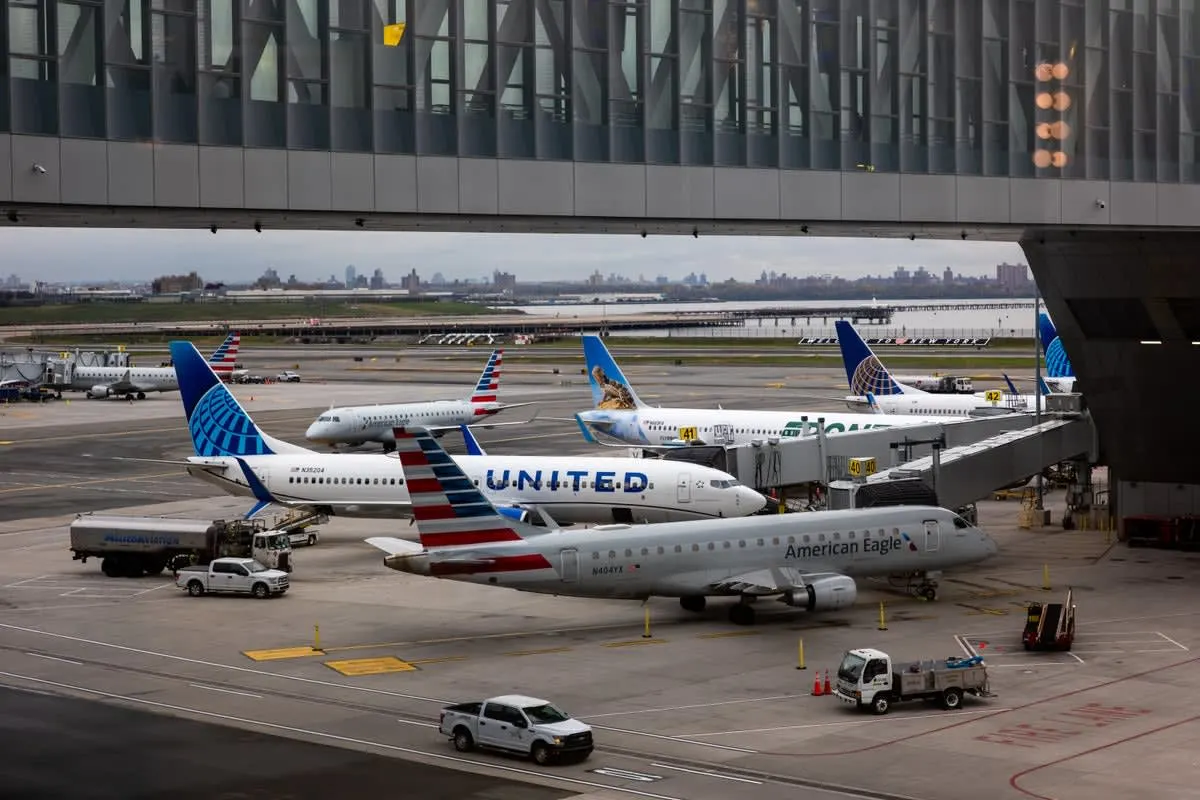
Airline rewards devaluation accelerates as jet fuel costs drive up airfares and baggage fees, complicating point redemptions for summer travelers.
Key Takeaways
- •Airfares rose 21% year-over-year in April 2026 due to fuel and demand.
- •United and Delta increased checked bag fees by 25% and 28% respectively.
- •Hyatt's new 5-tier award system increases elite property costs by up to 67%.
- •Average credit card interest rates of 21-24% can negate all rewards value.
The Shift in Loyalty Value
As the summer travel season approaches, travelers are encountering significant Airline rewards devaluation and the impact of Dynamic award pricing. With Jet fuel cost impact driving up operational expenses, carriers have increasingly shifted toward algorithmic pricing models that tie the cost of award flights directly to real-time cash fares. According to the U.S. Labor Department, airfares in April 2026 were 21% higher year-over-year, a trend that compounds the difficulty of maximizing Frequent flyer points value for consumers.
Industry Trends and Regulatory Scrutiny
This shift away from fixed mileage charts is not new, but it has accelerated amid global supply disruptions. The U.S. Department of Transportation (DOT) has launched a formal probe into these practices, investigating whether current loyalty program structures constitute unfair or deceptive behavior. As noted in the U.S. DOT Briefing Room, the agency is examining how airlines unilaterally adjust redemption costs. Historically, the industry transition began in 2015 when Delta Air Lines removed fixed award charts, a move followed by United Airlines in 2019, which effectively cemented the dynamic pricing model as the industry standard.
Impact of Rising Ancillary Fees
To offset the rising price of jet fuel, major U.S. carriers have aggressively increased ancillary fees. United Airlines raised its first checked bag fee from $40 to $50, while Delta Air Lines increased its fee from $35 to $45, as detailed in the Delta Air Lines Checked Baggage Policy. For travelers, these fees represent a direct erosion of value, though holding co-branded credit cards or maintaining elite status often provides a waiver. However, the financial benefit of these cards is easily neutralized if a balance is carried. Federal Reserve data indicates that average credit card interest rates currently range between 21% and 24%, meaning that interest payments on a $1,000 balance can quickly exceed the value of any accumulated miles.
Hotel Loyalty Devaluation
The trend toward devaluation extends beyond air travel into the hospitality sector. World of Hyatt recently transitioned from a three-tier to a five-tier award system, resulting in points price increases of up to 67% for elite properties, according to Hyatt Newsroom updates. Experts suggest that hoarding points is no longer a viable strategy in this environment, as continuous restructuring erodes purchasing power over time.
Technical Analysis
The current loyalty landscape reflects a broader transition toward revenue-based economics in aviation. By moving from fixed-value assets to dynamic, demand-responsive rewards, airlines have successfully reduced their long-term liability for outstanding points while simultaneously driving incremental revenue through credit card partnerships. This development indicates a structural shift where loyalty programs function less as a reward for past travel and more as a financial tool for customer acquisition. The data suggests that for the average traveler, the era of "outsized deals" has largely concluded, replaced by a system that requires high-frequency usage and strategic redemption to extract value.
What Comes Next
The industry is currently awaiting the results of the DOT investigation into frequent flyer programs, which is expected to conclude in late 2026. This regulatory milestone may force greater transparency in how award points are valued and how seat availability is managed. Until then, consumers should focus on flexible bank points rather than airline-specific rewards to maintain optionality.
Why This Matters
For the aviation industry, the devaluation of loyalty points represents a fundamental change in how carriers manage passenger relationships and revenue. As consumers face higher costs and more complex redemption rules, the value proposition of travel rewards is increasingly tied to responsible financial management rather than simple flight volume. This shift signals a more transactional era for frequent flyers and credit card users alike.
Frequently Asked Questions
- Why are airline rewards points becoming harder to redeem?
- Airlines have largely transitioned to dynamic award pricing, which ties the points cost of a flight to current cash fares and real-time demand. This means that as airfares rise due to jet fuel costs, the number of points required for a flight also increases.
- How do checked baggage fees impact the value of airline credit cards?
- Airlines like United and Delta have increased checked bag fees by 25-28% to offset rising fuel costs. Holding a co-branded airline credit card typically waives these fees, providing tangible value, provided the user pays their balance in full to avoid high interest rates.
Access up-to-date commercial aviation news and airline industry developments via omniflights.com. Track policy changes, airspace rules, and global aviation governance in the Regulatory category at omniflights.com/regulatory.

Written by Hardik Vishwakarma
Co-Founder & Aviation News Editor leading initiatives that improve trust and visibility across the global aviation industry. Covers airlines, airports, safety, and emerging technology.
Visit ProfileYou Might Also Like
American Airlines Eyes Starlink for Boeing 737, 777, 787
US Slows Aircraft-Part Exports to China Amid Trade Truce
Boeing Tightens Spending Ahead of Critical SPEEA Union Vote
Boeing CEO Kelly Ortberg Warns of 777X Certification Delay
American and United Plan Capacity Cuts Amid Fuel Cost Surge