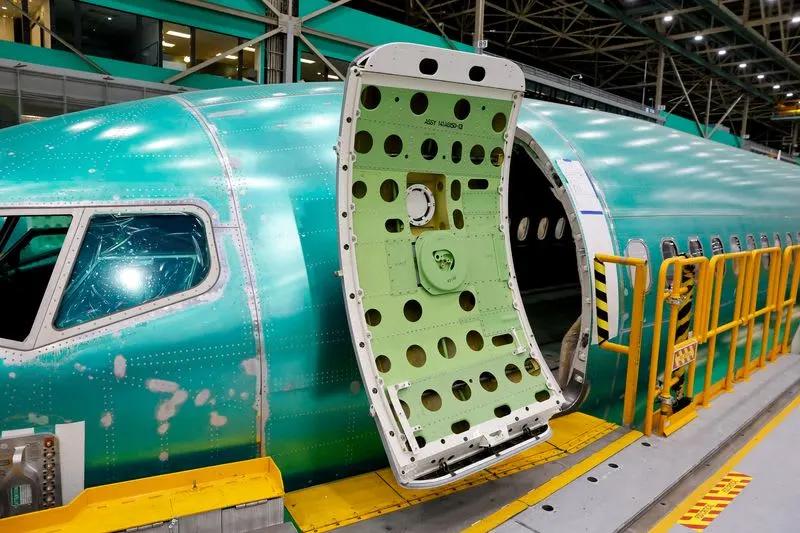
Ryanair Posts Record €2.26B Profit Amid Fuel Price Crisis

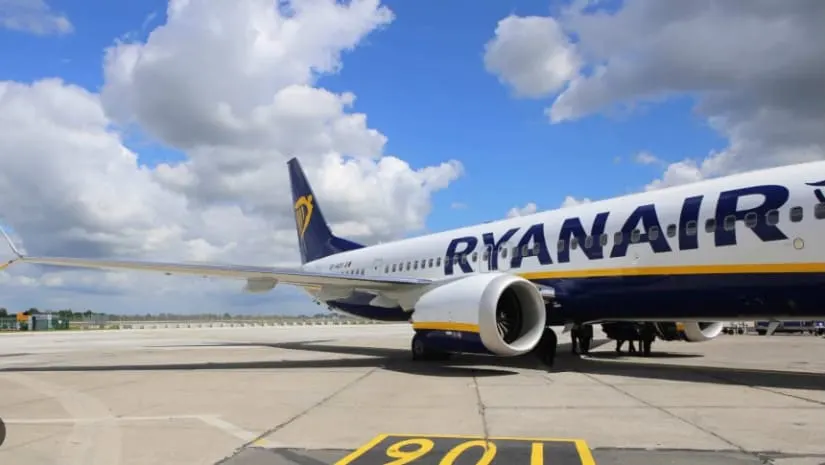
Ryanair achieved a record €2.26 billion net profit in fiscal year 2026, bolstered by a strategic fuel hedging program amidst industry-wide energy pressure.
Key Takeaways
- •Ryanair FY26 net profit rose 40% to a record €2.26 billion.
- •Fuel hedging at $67/bbl protects 80% of requirements through April 2027.
- •IATA warns global airfares may rise 9% due to fuel price pressures.
- •Standardized B737 MAX 8-200 fleet drives operational cost efficiency.
Financial Performance and Growth
Ryanair has delivered record Ryanair FY26 financial results, reporting a net profit of €2.26 billion. This represents a 40% year-over-year increase, underscoring the airline's resilience in a volatile global market. According to the Ryanair Investor Relations portal, the carrier successfully transported 208.4 million passengers during the fiscal year, a 4% increase achieved despite ongoing Boeing 737 MAX delivery delays. Total revenue for the period climbed to €15.54 billion, driven by a combination of sustained passenger demand and a 10% increase in average ticket prices.
The Role of Fuel Hedging
A critical factor in this performance is the carrier's aviation fuel hedging strategy. While the broader jet fuel price crisis has seen spot prices for Brent crude exceed $150 per barrel, Ryanair has secured approximately 80% of its fuel requirements through April 2027 at an average price of $67 per barrel. This financial buffer allows the airline to maintain lower operating costs compared to unhedged competitors. The IATA Pressroom notes that such volatility poses a significant threat to the sector, with the International Air Transport Association (IATA) warning that global airfares could rise by up to 9% if supply chain disruptions in the Middle East persist.
Industry Impact and Consolidation
The impact of the current energy environment is uneven across the sector. European low-cost carriers with weaker balance sheets are facing severe liquidity pressure, a trend exemplified by the recent collapse of Spirit Airlines, which ceased operations in May 2026. Ryanair’s Chief Financial Officer, Neil Sorahan, has publicly stated that high energy costs will likely trigger further bankruptcies among less-prepared airlines. This environment of attrition is accelerating market consolidation, with well-capitalized players expanding their market share as weaker competitors exit the field.
Technical Analysis
Ryanair’s operational efficiency is anchored in its standardized fleet, primarily utilizing the Boeing 737 MAX 8-200 variant. This high-density aircraft allows for lower per-seat operating costs, which, when combined with aggressive Maintenance, Repair, and Overhaul (MRO) cost control, creates a significant competitive moat.
| Metric | B737 MAX 8-200 | Standard 737 MAX 8 |
|---|---|---|
| Maximum Seating Capacity | 197 seats | 189 seats |
| Exit Doors | 3 pairs + 2 mid-cabin | 3 pairs |
Historically, the 2008 oil price shock demonstrated that fuel-hedged carriers survive while highly leveraged competitors fail. The current situation mirrors this pattern, as the Strait of Hormuz oil supply risks force a structural shift in global fuel procurement toward West Africa, Norway, and the Americas. Ryanair’s ability to navigate these shocks indicates that financial agility has become as critical as passenger volume in modern aviation management.
What Comes Next
Looking ahead, Ryanair faces a period of continued uncertainty. The airline’s current 80% fuel hedge is confirmed to expire in April 2027. In the immediate term, the carrier is monitoring bookings for the summer 2026 peak season, noting that geopolitical tensions have led to a trend of passengers booking closer to departure dates. Ryanair continues to utilize tactical discounts to maintain high load factors during these periods of economic hesitation.
Why This Matters
This development signals a shift in the hierarchy of the European aviation market, where energy risk management has become the primary differentiator of success. For passengers, the trend suggests a sustained inflationary environment for air travel as airlines pass on the costs of fuel and regulatory compliance. For the industry, Ryanair's position reinforces the necessity of robust balance sheets to survive cyclical energy shocks.
Frequently Asked Questions
- How does Ryanair protect itself from rising jet fuel prices?
- Ryanair utilizes a fuel hedging strategy, having secured 80% of its jet fuel requirements through April 2027 at an average price of $67 per barrel.
- What is the primary aircraft type used by Ryanair to reduce costs?
- Ryanair operates a standardized fleet primarily consisting of the Boeing 737 MAX 8-200, which offers high-density seating and improved operational efficiency.
Access up-to-date commercial aviation news and airline industry developments via omniflights.com. Get the latest updates on major hubs, regional terminals, and airport operations via the Airports section at omniflights.com/airports.

Written by Hardik Vishwakarma
Co-Founder & Aviation News Editor leading initiatives that improve trust and visibility across the global aviation industry. Covers airlines, airports, safety, and emerging technology.
Visit ProfileYou Might Also Like
American Airlines Eyes Starlink for Boeing 737, 777, 787
US Slows Aircraft-Part Exports to China Amid Trade Truce
Boeing Tightens Spending Ahead of Critical SPEEA Union Vote
Boeing CEO Kelly Ortberg Warns of 777X Certification Delay
American and United Plan Capacity Cuts Amid Fuel Cost Surge