Airline Ticket Prices Stay High Despite Lower Jet Fuel Costs

Co-Founder & CEOAviation News Editor delivering trusted coverage across the global aviation industry.
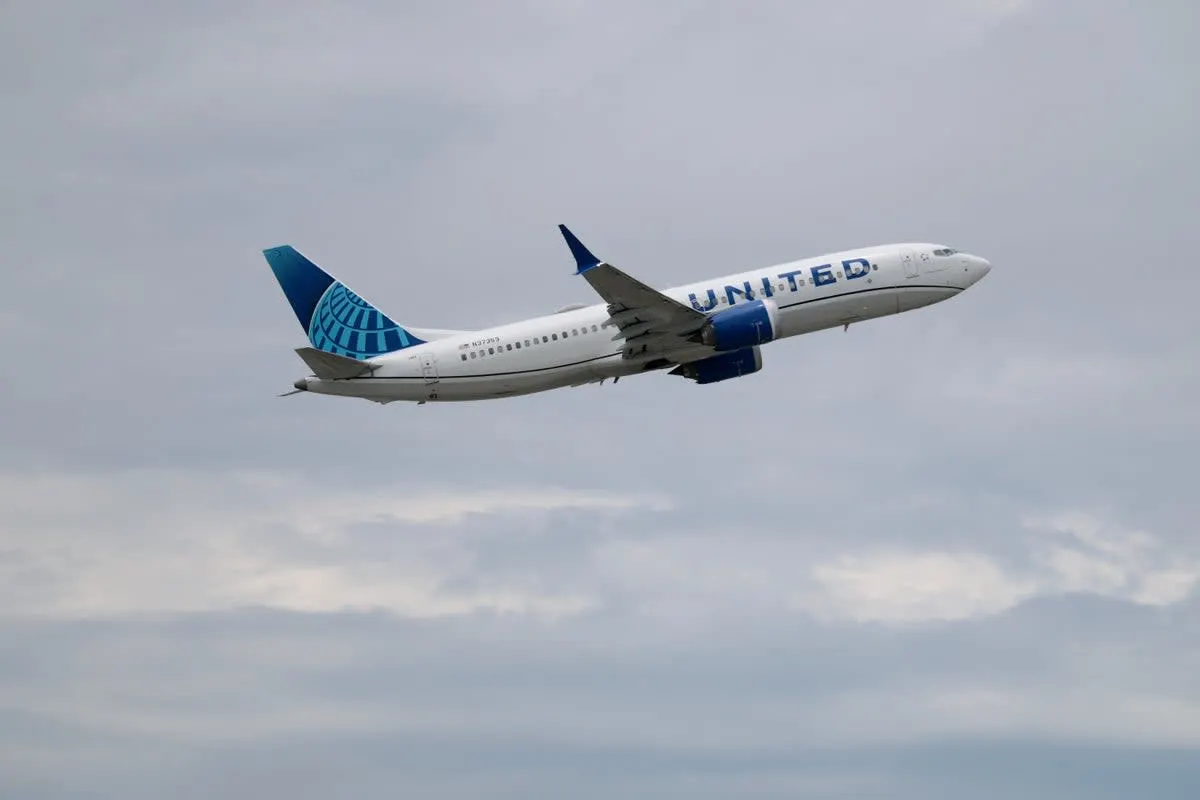
U.S. carriers are prioritizing margin recovery over fare cuts as jet fuel costs drop, leaving domestic airfares elevated for summer travelers.
Key Takeaways
- •Airlines prioritize margin recovery over cutting ticket prices as fuel costs ease.
- •U.S. domestic airfares remain 34.1% higher year-over-year as of June 8.
- •Seat capacity growth is capped at 0.4% due to aircraft delivery delays.
- •Legacy carriers aim to recover 100% of fuel cost spikes by end of 2026.
Margin Preservation Over Fare Reductions
Despite a significant decline in global oil prices following an interim U.S.-Iran peace deal, airline ticket prices are unlikely to see immediate relief. While the aviation industry margins stand to benefit from lower input costs, carriers are currently prioritizing the rebuilding of profitability over passing savings to consumers. Jet fuel costs, which peaked at $4.88 per gallon in early April, dropped to $2.85 per gallon by June 17, according to the U.S. Energy Information Administration. If sustained, this price point would reduce the U.S. airline industry's annual expenditure by more than $40 billion.
The Decoupling of Fuel and Fares
Historically, falling fuel prices have triggered capacity races that eventually pushed airfares downward. However, current market conditions have decoupled this relationship. US domestic airfares for bookings made one week prior to travel were up 34.1% year-over-year as of June 8, as reported by Raymond James. Airlines have struggled to fully recoup the recent surge in fuel expenses; Deutsche Bank estimates carriers recovered only 60 cents of every additional dollar spent on fuel during the first five months of 2026. Consequently, legacy carriers including Delta Air Lines, United Airlines, and American Airlines are focusing on recapturing the remaining 40% to 50% of these costs through sustained high pricing.
Capacity Constraints and Market Dynamics
Operational bottlenecks are preventing the traditional competitive response to lower fuel prices. Aircraft delivery delays and constrained airport capacity have severely limited supply growth. Industry schedule data from Cirium and OAG indicates that U.S. domestic seat capacity is projected to grow by just 0.4% year-over-year in the third quarter, a sharp decline from the 4.6% growth rate expected prior to recent Middle Eastern tensions. This lack of capacity creep provides airlines with the pricing power necessary to maintain elevated fares. According to the IATA Jet Fuel Price Monitor, global jet fuel prices remain 54% higher than they were a year ago, justifying the industry's cautious approach to pricing.
Financial Outlook and Stakeholder Impact
For budget carriers like JetBlue Airways and Frontier Group, the pressure is more acute, as these airlines are recovering less than half of their increased fuel costs. Financial analysts at Jefferies suggest that for every 5% drop in 2027 fuel-cost forecasts, earnings per share could rise by 10% to 15% for Delta, Southwest, and United, and up to 50% for American Airlines. This potential for significant earnings accretion provides little incentive for management teams to initiate fare wars. United CEO Scott Kirby recently indicated that his airline is on a path to recovering 100% of the fuel-cost spike through pricing by the end of 2026.
Historical Precedents and Future Trends
This trend contrasts with the 2014-2015 global oil price crash, which eventually led to capacity expansion and lower ticket prices. The current environment is distinguished by structural supply shortages that were absent in previous cycles. Looking ahead, the ability of carriers to maintain current price levels will depend heavily on consumer demand resilience. While long-haul international routes may see some fare easing as carriers successfully passed on costs earlier, short-haul domestic routes are expected to remain firm. The industry remains in a period of margin reconstruction, where fuel savings are viewed as a tool for balance sheet recovery rather than a catalyst for consumer discounting.
Frequently Asked Questions
- Why are airfares not decreasing despite lower jet fuel costs?
- Airlines are currently prioritizing margin recovery to offset earlier fuel cost spikes rather than reducing ticket prices. Additionally, limited seat capacity growth due to aircraft delivery delays and tight airport infrastructure has reduced competitive pressure, allowing carriers to maintain higher fare levels.
- How much have U.S. domestic airfares increased year-over-year?
- As of June 8, 2026, average U.S. domestic fares booked one week before travel were 34.1% higher than the previous year, according to data from Raymond James.
omniflights.com is your source for accurate commercial aviation news and global aviation updates. For detailed airline coverage, route changes, and fleet moves, explore the Airlines section at omniflights.com/airlines.
Written by Hardik Vishwakarma
Co-Founder & Aviation News Editor leading initiatives that improve trust and visibility across the global aviation industry. Covers airlines, airports, safety, and emerging technology.
Visit ProfileYou Might Also Like
Discover more aviation news based on similar topics
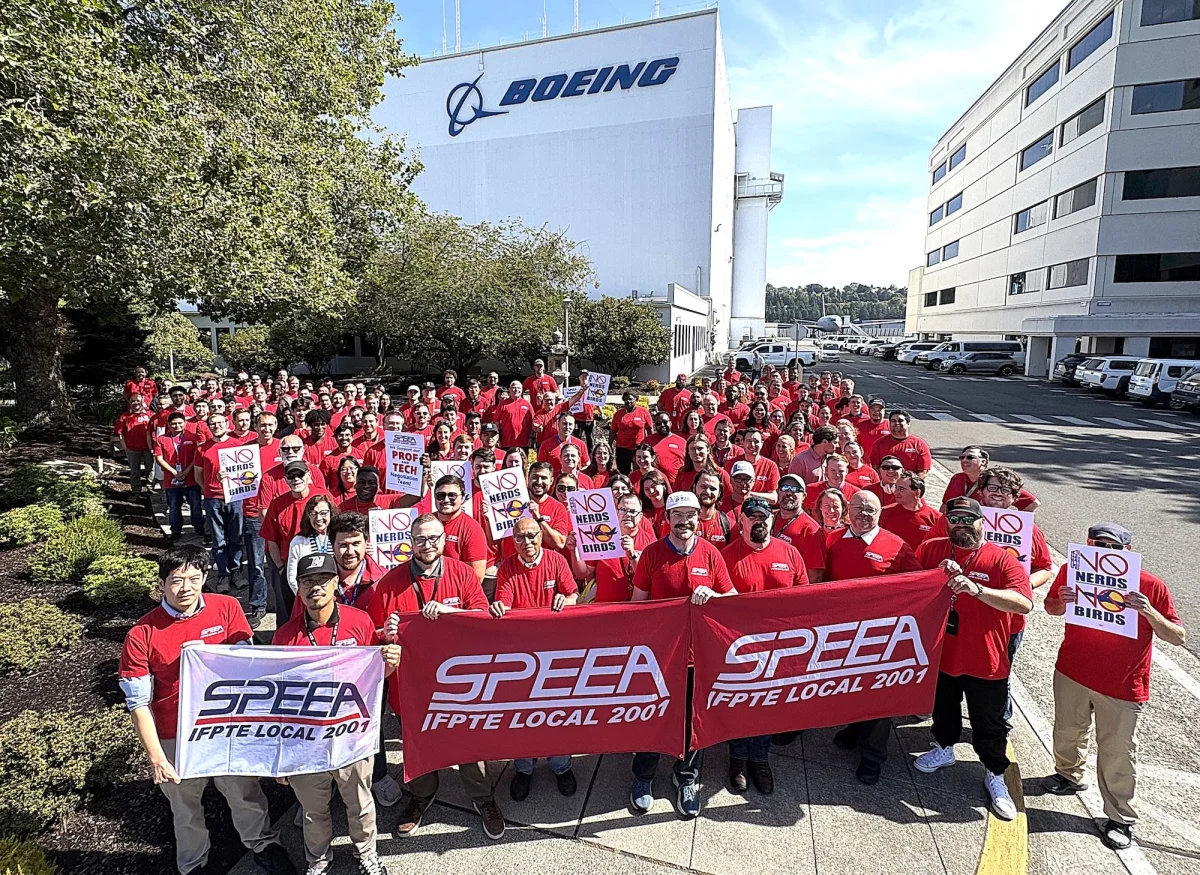
Boeing Tightens Spending Ahead of Critical SPEEA Union Vote
Boeing has implemented spending controls and a hiring freeze as it faces a critical contract ratification vote with its 17,000-member engineering union.

Boeing CEO Kelly Ortberg Warns of 777X Certification Delay
Boeing CEO Kelly Ortberg warned that a potential strike by 17,000 engineers would immediately halt the 777X certification and production programs.
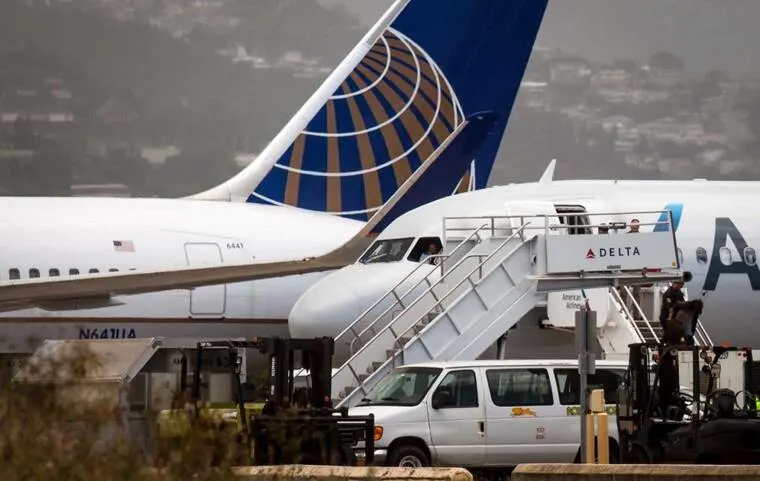
American and United Plan Capacity Cuts Amid Fuel Cost Surge
American and United are trimming flight schedules to offset a $1 billion fuel cost spike while maintaining strong pricing power.
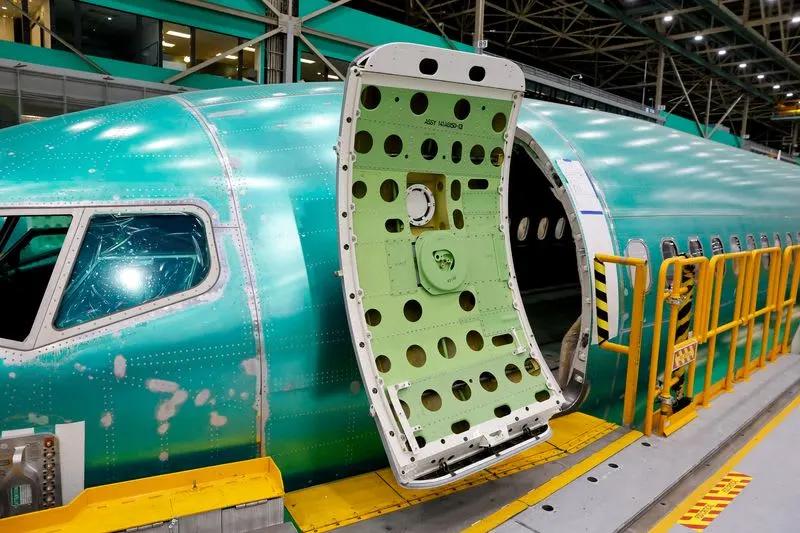
Boeing CEO Reports 737 MAX Output Stabilization Delays
Boeing CEO Kelly Ortberg reports slower 737 MAX production stabilization, prompting a downward revision in 2026 free cash flow expectations to $2 billion.
Boeing Finalizes KAL Order, Salvages Turkish Airlines Deal
Boeing secured a $36.2 billion order from Korean Air Lines for 103 aircraft and nears a resolution on a 150-jet deal with Turkish Airlines.

Airbus Forecasts 42,000 New Jets Amid Strong Global Demand
Airbus expects 42,000 new aircraft deliveries globally by 2045, with 45% of demand concentrated in the Asia-Pacific region.