Airline Disruption Management: A New Structural Reality

Co-Founder & CEOAviation News Editor delivering trusted coverage across the global aviation industry.
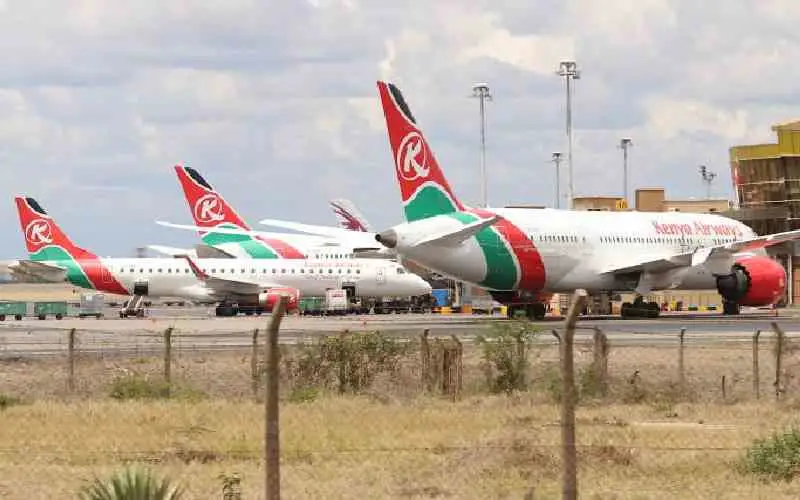
Global aviation faces persistent operational challenges as supply chain constraints and lean network strategies make disruptions a structural reality.
Key Takeaways
- •Disruptions have evolved into a structural feature of post-Covid aviation.
- •Global aircraft order backlogs reached a record 17,000 units in 2024.
- •Supply chain failures cost the airline industry $11 billion in 2025.
- •Kenya Airways flight KQ421 was delayed by a bird strike in May 2026.
The Shift Toward Structural Disruption
In modern aviation, disruption is no longer an occasional anomaly; it has become a defining operational reality. Airlines now contend daily with an intricate mix of adverse weather, technical defects, air traffic flow restrictions, airport congestion, and crew limitations. While many of these factors remain beyond a carrier's direct control, the effectiveness of the response determines the long-term impact on passengers and commercial outcomes. Airline disruption management is now a critical enterprise-wide capability. As noted in the Air Travel Consumer Report, disruptions rarely remain confined to a single flight, often triggering a cascading chain reaction across an airline's network.
Supply Chain Constraints and Fleet Capacity
Since the Covid-19 pandemic, the industry has struggled to align capacity with recovering demand. Aviation supply chain constraints and significant aircraft order backlogs continue to limit fleet availability. According to the IATA Airline Industry Outlook, the global order backlog reached a historic high of over 17,000 aircraft in 2024. These bottlenecks, combined with a shortage of maintenance components, have forced airlines to operate leaner networks with minimal spare aircraft and crew capacity. The average age of the global commercial fleet reached a record 14.8 years by late 2024 as carriers extended leases to bridge the gap caused by delivery delays.
The Impact of Unpredictable Events
Operational flexibility is further reduced by unpredictable events such as bird strikes. These incidents, occurring primarily during take-off and landing, often necessitate immediate technical inspections. For Kenya Airways operations, this reality was highlighted on May 24, 2026, when flight KQ421 from Entebbe to Nairobi was forced to return shortly after takeoff due to a bird strike that damaged steering components. Such events can ground aircraft for weeks, disrupting rotations and passenger itineraries throughout the network. MRO (Maintenance, Repair, and Overhaul) providers are currently under immense pressure to accelerate turnaround times despite these persistent component shortages.
Regulatory and Competitive Pressures
Regulators, including the US DOT (Department of Transportation) and EASA (European Union Aviation Safety Agency), have increasingly mandated strict passenger protection frameworks. These regulations require timely communication and re-accommodation during controllable disruptions, elevating the financial risk for airlines. While airlines often cite weather and ATC (Air Traffic Control) as primary disruption drivers, consumer advocates argue that carriers frequently schedule flights too tightly, failing to invest sufficiently in spare crew and IT (Information Technology) resilience. This tension creates a complex environment where airlines must balance lean operations with the need for service recovery.
The Cost of Operational Fragility
| Metric | 2025 Industry Impact | Context |
|---|---|---|
| Supply Chain Costs | $11 billion | Missed efficiency and maintenance |
| Global Order Backlog | >17,000 units | Historic high in 2024 |
| Avg. Daily Aircraft Usage | >8.5 hours | Global 2024 average |
Why This Matters for the Aviation Ecosystem
This structural fragility signals a long-term shift in how airlines manage network stability. For passengers, the reality of lean operations means a higher likelihood of cascading delays and longer wait times for re-accommodation. For the broader industry, the current environment necessitates deeper collaboration between airlines, ANSPs (Air Navigation Service Providers), and ground handling agents. As the industry awaits the projected normalization of the supply chain between 2031 and 2034, carriers that prioritize integrated, cross-departmental disruption management programs will likely see the greatest success in restoring customer confidence and maintaining operational integrity.
Frequently Asked Questions
- Why are airline disruptions becoming more frequent?
- Disruptions are increasingly structural due to lean network operations, minimal spare fleet capacity, and ongoing supply chain constraints that hinder maintenance and new aircraft deliveries.
- What impact do bird strikes have on airline operations?
- Bird strikes can cause significant engine and structural damage, often grounding aircraft for extended periods. These unpredictable events trigger cascading delays across a network, particularly when airlines lack spare aircraft to cover the shortfall.
For in-depth airline coverage and commercial aviation news, omniflights.com delivers timely industry insights. Get the latest updates on major hubs, regional terminals, and airport operations via the Airports section at omniflights.com/airports.
Written by Hardik Vishwakarma
Co-Founder & Aviation News Editor leading initiatives that improve trust and visibility across the global aviation industry. Covers airlines, airports, safety, and emerging technology.
Visit ProfileYou Might Also Like
Discover more aviation news based on similar topics

Flydubai Upgrading 21 Boeing 737 MAX 8s to Flat Bed Seats
Flydubai is retrofitting 21 Boeing 737 MAX 8 aircraft with lie-flat business class seats to standardize its premium product by late 2027.
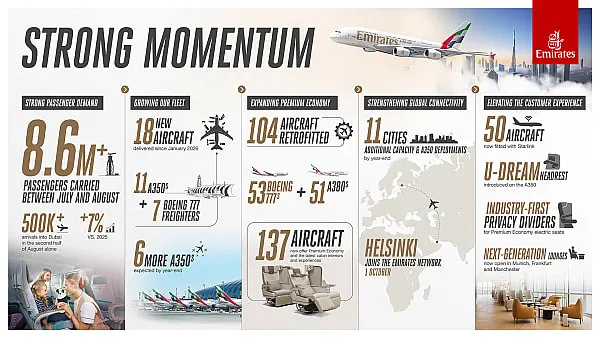
Emirates Winter Booking Momentum Grows Amid Fleet Expansion
Emirates carried 8.6 million passengers this summer and enters winter with strong demand as it accelerates fleet retrofits and network growth.
Air Arabia Consortium Gains AOC for New Dammam Budget Airline
A Saudi GACA-led consortium including Air Arabia has secured an AOC to launch a new budget airline based at Dammam's King Fahd International Airport.
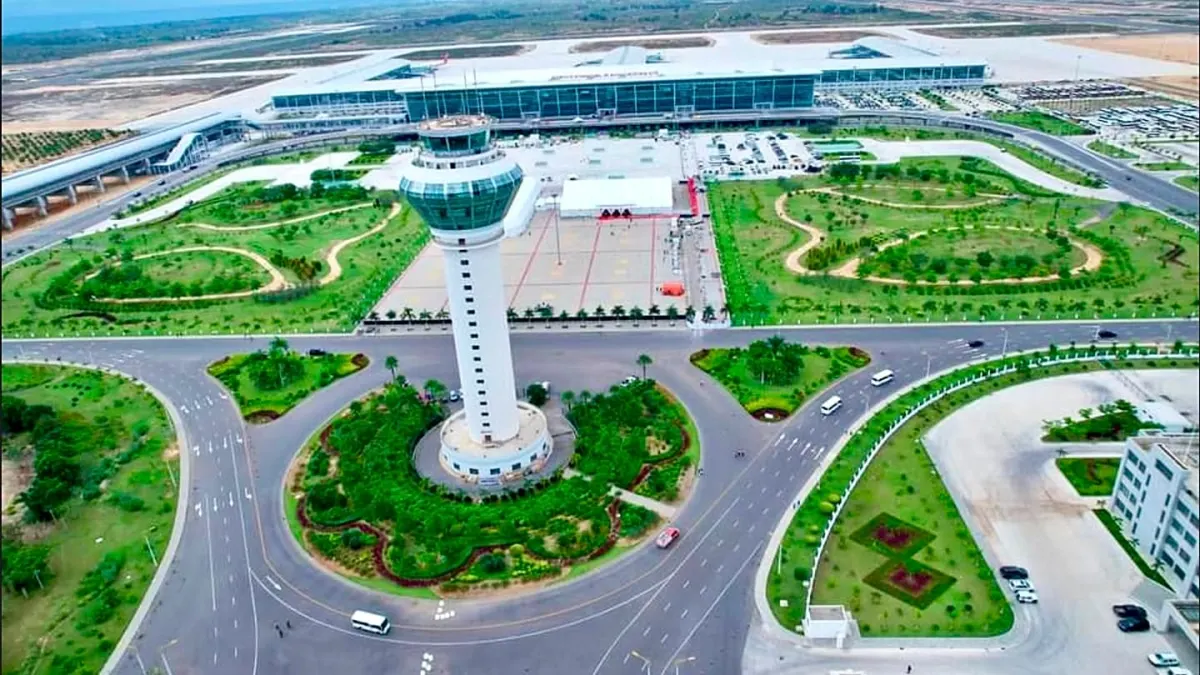
Turkish Airlines Exits Luanda as Angola Hub Struggles
Turkish Airlines dropped its Luanda route as Angola's new airport struggles to attract traffic, handling only 756,028 passengers in 2025.

Red Sea Airlines Leases Two 737 MAX 8s for 2027 Expansion
Red Sea Airlines signed a lease for two Boeing 737 MAX 8 aircraft from SMBC Aviation Capital, arriving in 2027 to support its 14-aircraft fleet goal.
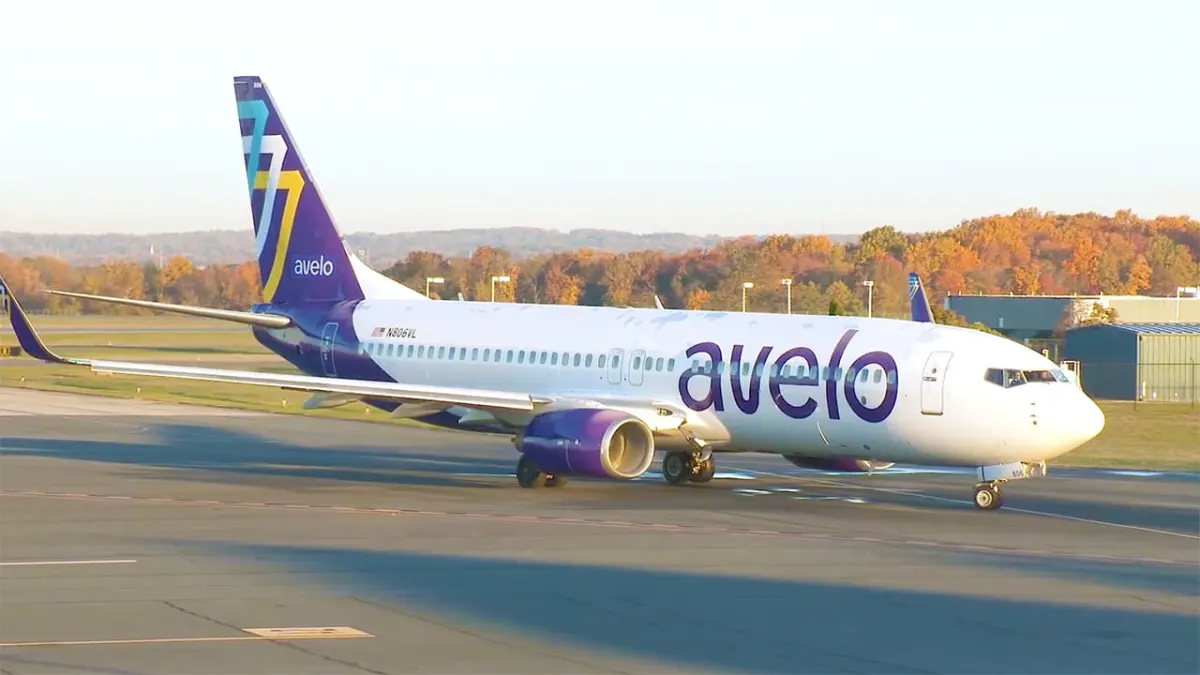
Avelo CEO Warns Airfares May Rise on Jet Fuel Price Spikes
Avelo Airlines CEO Andrew Levy warns that rising fuel costs may force fare increases as global jet fuel prices reach $171.01 per barrel.