Air India to Induct Over 100 Planes in Two Years

Aviation News Editor & Industry AnalystAviation News Editor & Industry Analyst delivering clear coverage for a worldwide audience.

Air India plans to induct over 100 new planes over the next two years to expand its fleet despite facing severe geopolitical and operational headwinds.
Key Takeaways
- •Air India plans to induct over 100 new aircraft over the next two years.
- •Tewolde Gebremariam will assume the role of Air India CEO on October 1, 2026.
- •The carrier scheduled 16 legacy Boeing 787-8 aircraft for retrofits in 2027.
- •AAIB is investigating a 300-foot altitude loss on flight AI2379.
Air India is advancing its Air India fleet expansion with plans to induct more than 100 new planes over the next two years, even as the carrier navigates a critical Air India CEO transition following the Campbell Wilson resignation. Outgoing Chief Executive Officer Campbell Wilson announced the aggressive fleet growth strategy during an employee town hall on August 13, 2026, emphasizing that the airline remains committed to its long-term profitability path despite severe geopolitical and operational headwinds.
The strategic expansion comes at a pivotal moment for the Tata Group-owned airline group, which currently operates a combined fleet of nearly 300 planes. By accelerating aircraft deliveries and modernizing its existing wide-body fleet, the group aims to capture a larger share of the recovering international travel market. However, the carrier must balance these capital-intensive fleet ambitions with immediate operational challenges, including airspace restrictions that have inflated fuel bills and a leadership transition that will see former Ethiopian Airlines Group chief Tewolde Gebremariam Air India's incoming CEO and Managing Director assume control next month.
Operational Headwinds and Fleet Modernization
During the quarterly town hall, Wilson outlined the severe external pressures that have impacted the carrier's bottom line over the past six months. A sharp surge in jet fuel prices between March and May 2026, combined with the severe Pakistan airspace closure impact, has forced Indian carriers to reroute flights. These detours have increased flight times by up to three hours on critical North American and European corridors, driving up fuel burn and crew costs. Additionally, disruptions from the conflict in Iran have added further routing complexity, while a depreciating Indian rupee and softer demand on the India-US route due to visa backlogs have squeezed margins.
To counter these pressures, the group utilized temporary network curtailments to execute fleet improvement initiatives. The standalone Air India fleet currently comprises more than 185 aircraft, which includes a wide-body fleet of 35 Boeing 787s, 19 Boeing 777-300 ER (Boeing 777-300 Extended Range) aircraft, and 6 Airbus A350-900 aircraft. Within this wide-body fleet, 26 Boeing 787-8 (Boeing 787-8 Dreamliner) aircraft are older, legacy models, while 3 are brand-new units inducted in 2026. To modernize the cabin experience, the airline is executing a $400 million cabin retrofit program, with the Boeing 787 retrofit of 16 legacy Boeing 787-8 aircraft scheduled to undergo complete retrofits in 2027. Furthermore, the airline plans to induct 2 new Airbus A350-1000 aircraft in 2026 to bolster its premium long-haul capacity.
Airbus A350-1000 vs. Airbus A350-900: Key Specifications
To support its long-haul strategy, Air India is introducing larger wide-body variants. The table below compares the upcoming A350-1000 with the existing A350-900 fleet:
| Metric | Airbus A350-1000 | Airbus A350-900 |
|---|---|---|
| Typical Seating Capacity | 350-410 | 300-350 |
| Maximum Range | 8,700 nm | 8,300 nm |
| Fuselage Length | 73.79 m | 66.8 m |
Regulatory Scrutiny and Safety Investigations
The aggressive fleet expansion plans are unfolding against a backdrop of intense regulatory scrutiny, specifically regarding the Air India flight AI2379 incident. The AAIB (Aircraft Accident Investigation Bureau) is actively probing this serious incident involving Flight AI2379 on August 4, 2026. During the Phuket-to-Delhi flight, the aircraft experienced a sudden altitude loss of 300 feet during cruise. A subsequent investigation revealed that the pilot-in-command tested positive for a psychoactive substance, prompting the DGCA (Directorate General of Civil Aviation) and Air India to order a mandatory, one-time drug screening for all 5,000 group pilots.
While initial reports attributed the altitude drop to severe turbulence, alternative perspectives have emerged. According to Centralised Fault Display System logs, the sudden descent was preceded by a cascade of failures involving the Airbus A320's hydraulic and flight-control systems, suggesting technical malfunctions may have played a significant role alongside crew performance. The AAIB is conducting a formal probe into the incident with technical assistance from the French aviation safety agency BEA and Airbus, as documented in a Press Information Bureau release.
The Economics of the Trans-Asian Corridor
This development indicates that Air India is attempting to transition from a legacy, state-run operating model to a highly competitive global network carrier, but is doing so under highly unfavorable macroeconomic conditions. Historically, airspace closures—such as the Pakistan airspace closure from February to July 2019—have inflicted severe financial damage on Indian carriers due to the compounding costs of extended routings.
The current environment accelerates this pressure, forcing the airline to invest heavily in fuel-efficient, next-generation wide-bodies like the A350 to offset the structural cost penalty of avoiding restricted airspace. By committing to a 100-plane fleet expansion and a $400 million cabin retrofit, management is betting that premium yield growth on long-haul routes will outpace the rising cost of fuel and debt service.
Timeline for Leadership and Fleet Milestones
The airline's near-term roadmap is defined by several critical operational and corporate milestones:
- October 1, 2026: Tewolde Gebremariam is confirmed to assume office as the new CEO and Managing Director of Air India, succeeding Campbell Wilson.
- October 1, 2026: Annual salary increments and a newly revised pay structure for pilots are confirmed to take effect, following a one-quarter deferral due to Middle East operational disruptions.
- Late 2026: The carrier is expected to induct 2 new Airbus A350-1000 aircraft into its standalone fleet.
- 2027: The retrofit program for the 16 legacy Boeing 787-8 aircraft is scheduled to begin, upgrading cabin interiors to match modern industry standards.
- September 2026: The AAIB is expected to submit its preliminary investigation report on the Flight AI2379 altitude-loss incident.
Why the Fleet Renewal Strategy Matters
For global aircraft manufacturers and lessors, Air India's aggressive fleet expansion represents one of the largest active backlogs in commercial aviation, securing critical production slots for both Airbus and Boeing. For passengers and corporate travel planners, the successful execution of the $400 million cabin retrofit and the induction of state-of-the-art wide-bodies are essential to establishing Air India as a credible premium alternative on high-yield international corridors. Ultimately, the transition to new leadership under Gebremariam will determine whether the carrier can successfully synthesize its massive order book with the operational discipline required to achieve sustained profitability.
Frequently Asked Questions
- How many planes does Air India plan to induct over the next two years?
- Air India Group plans to induct more than 100 new planes over the next two years. This expansion is part of its ongoing fleet modernization strategy to capture a larger share of the international travel market.
- What is the status of the investigation into Air India flight AI2379?
- The Aircraft Accident Investigation Bureau (AAIB) is actively investigating the August 4, 2026, Phuket-to-Delhi flight incident, during which the aircraft lost 300 feet of altitude. The probe is examining both crew performance—after the pilot-in-command tested positive for a psychoactive substance—and potential technical failures in the flight control systems.
From airline operations to fleet updates, commercial aviation news lives at omniflights.com. Stay informed on aviation incidents, investigations, and best practices in the Safety category at omniflights.com/safety.
Written by Ujjwal Sukhwani
Aviation News Editor & Industry Analyst delivering clear coverage for a worldwide audience. Covers flight operations, safety regulations, and market trends with expert analysis.
Visit ProfileYou Might Also Like
Discover more aviation news based on similar topics
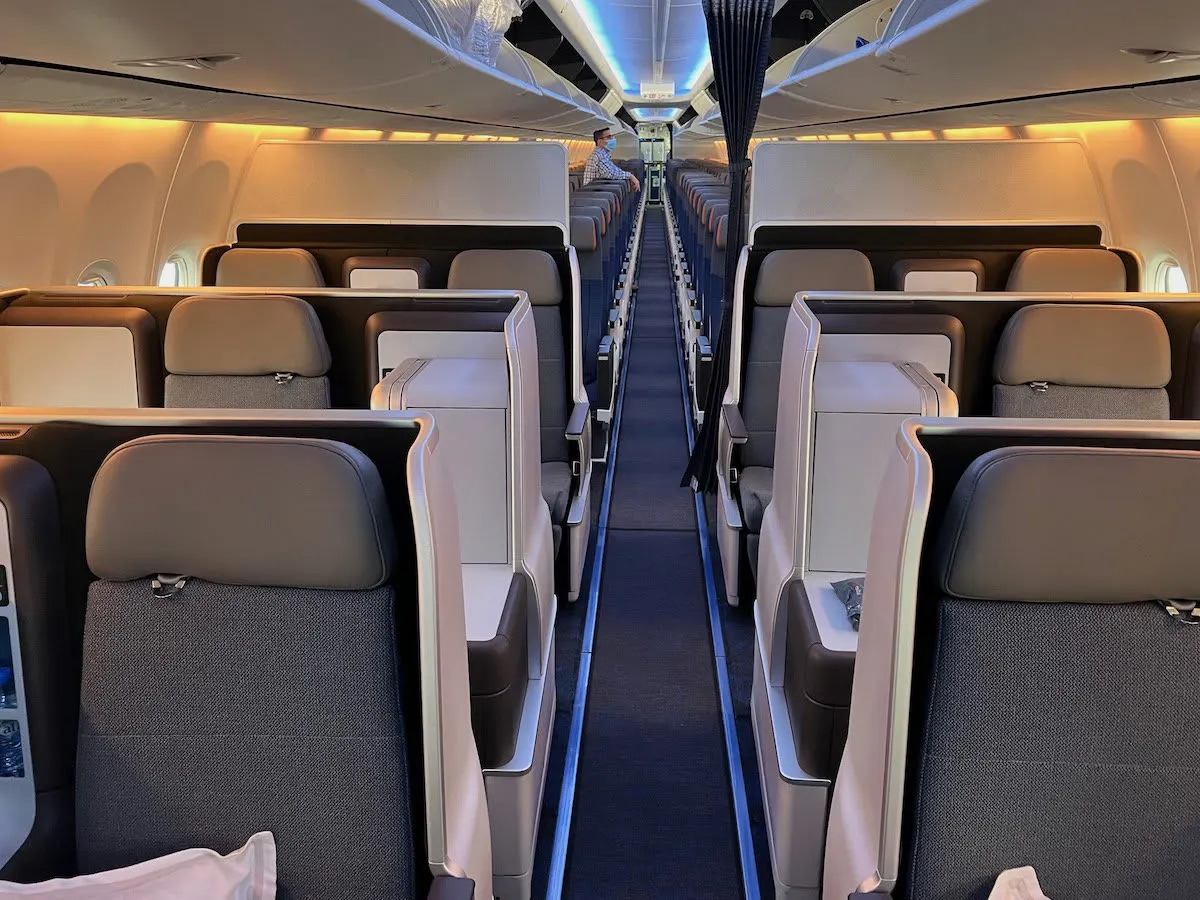
Flydubai Upgrading 21 Boeing 737 MAX 8s to Flat Bed Seats
Flydubai is retrofitting 21 Boeing 737 MAX 8 aircraft with lie-flat business class seats to standardize its premium product by late 2027.
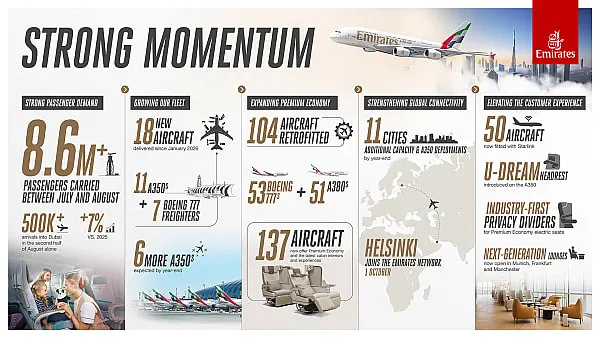
Emirates Winter Booking Momentum Grows Amid Fleet Expansion
Emirates carried 8.6 million passengers this summer and enters winter with strong demand as it accelerates fleet retrofits and network growth.
Air Arabia Consortium Gains AOC for New Dammam Budget Airline
A Saudi GACA-led consortium including Air Arabia has secured an AOC to launch a new budget airline based at Dammam's King Fahd International Airport.
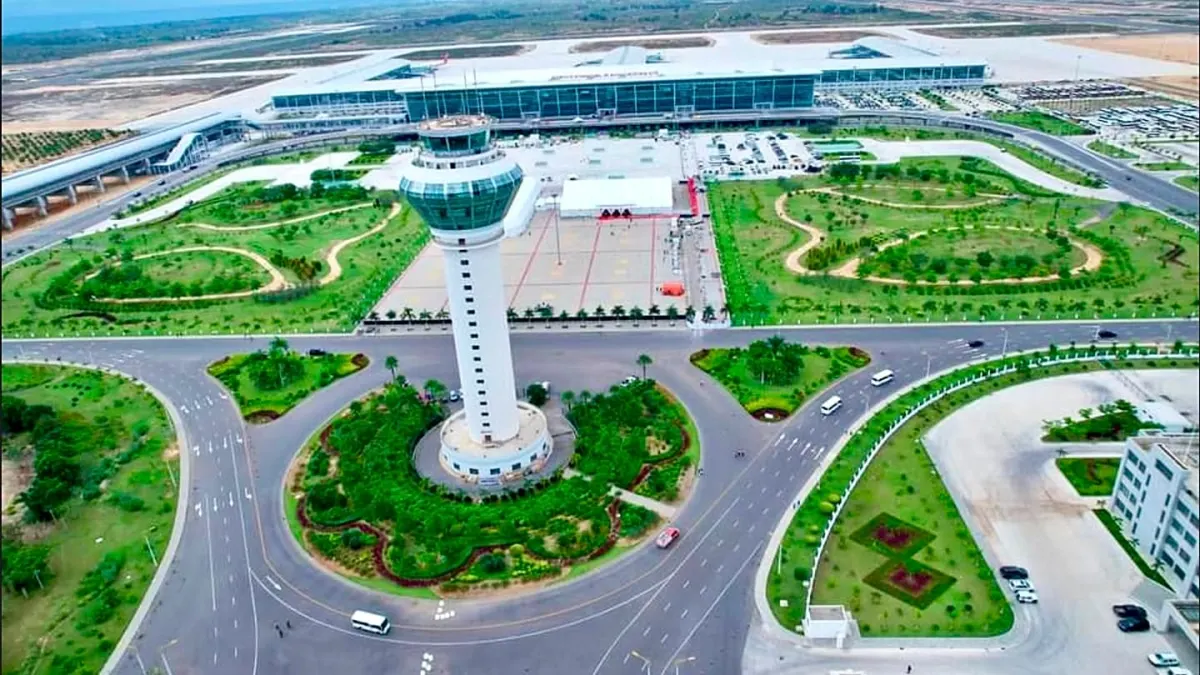
Turkish Airlines Exits Luanda as Angola Hub Struggles
Turkish Airlines dropped its Luanda route as Angola's new airport struggles to attract traffic, handling only 756,028 passengers in 2025.

Red Sea Airlines Leases Two 737 MAX 8s for 2027 Expansion
Red Sea Airlines signed a lease for two Boeing 737 MAX 8 aircraft from SMBC Aviation Capital, arriving in 2027 to support its 14-aircraft fleet goal.
Avelo CEO Warns Airfares May Rise on Jet Fuel Price Spikes
Avelo Airlines CEO Andrew Levy warns that rising fuel costs may force fare increases as global jet fuel prices reach $171.01 per barrel.