QF64 Grounded in Johannesburg Over Nose Gear

Aviation News Editor & Industry AnalystAviation News Editor & Industry Analyst delivering clear coverage for a worldwide audience.
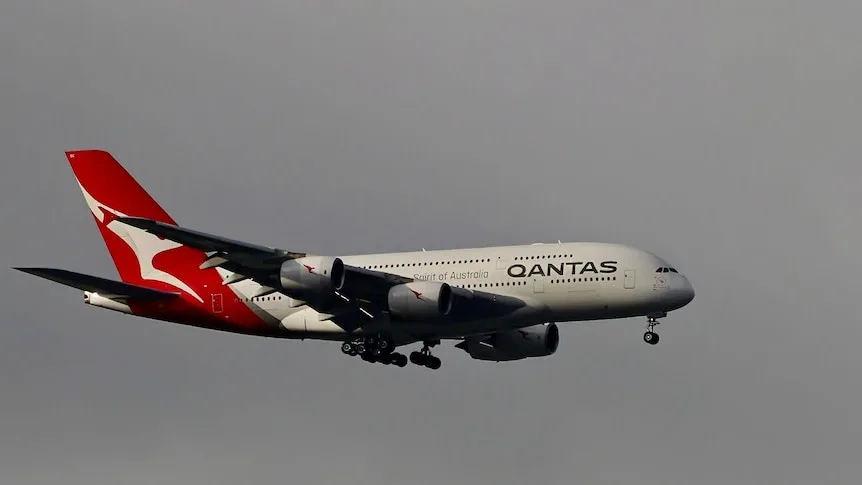
Qantas refunded passengers after a 50-hour delay on flight QF64 from Johannesburg, highlighting gaps in Australian compensation laws.
Key Takeaways
- •Qantas flight QF64 suffered a 50-hour delay in Johannesburg due to nose gear issues.
- •Carrier agreed to refund the affected ticket leg following passenger complaints.
- •EASA previously ordered inspections on 16 A380s for structural wing cracks.
The Qantas QF64 delay in South Africa has intensified scrutiny on airline passenger compensation and the carrier's wide-body fleet reliability. A scheduled flight from OR Tambo International Airport (JNB) in Johannesburg to Sydney was grounded on August 10, 2026, due to A380 mechanical issues involving the nose gear. This incident occurred amid broader regulatory scrutiny regarding EASA A380 wing cracks across the global superjumbo fleet.
The grounding of the Airbus A380 left hundreds of passengers stranded in Johannesburg for nearly 50 hours before a replacement aircraft arrived. Passengers were forced to secure their own accommodation after multiple attempted departures were aborted on August 10 and 11. The operational disruption highlights the ongoing debate over the lack of a mandated consumer protection framework in Australia, contrasting sharply with international standards that protect travelers during extended operational delays.
Nose Gear Failure and Passenger Grounding
According to Qantas engineering communications, the flight returned to the gate on August 10 for engineering support after a defect was identified in the aircraft's nose wheel steering system. While engineers sourced and installed replacement parts from overseas on August 11, further technical work was required to fully resolve the issue. To prevent additional delays, Qantas dispatched a replacement aircraft on August 12, which successfully transported the stranded passengers back to Sydney on August 13.
The carrier initially offered affected travelers either 20,000 frequent flyer points or a $200 travel voucher. However, following public pressure and direct inquiries, Qantas revised its compensation package. The airline subsequently committed to refunding the Johannesburg-to-Sydney leg of the ticket and providing Uber vouchers for passengers' travel home.
For Qantas passengers, the delay resulted in significant out-of-pocket expenses and distress, particularly for families who ran out of essential supplies like formula and diapers. This incident has amplified calls from consumer advocates to reform domestic aviation policies.
The Regulatory Disparity in Passenger Rights
The incident has renewed calls for Australia to adopt a passenger rights model similar to the European Union's framework. Under Regulation (EC) No 261/2004, European airlines must pay passengers up to €600 ($980 AUD) in direct compensation for flights delayed by more than three hours due to mechanical faults, in addition to providing meals and accommodation. Currently, Australia has no such guaranteed statutory compensation scheme, leaving passengers reliant on individual airline policies.
While airlines often argue during policy consultations that mandatory compensation schemes increase operational costs—which are ultimately passed to consumers via higher ticket prices—advocates argue that the current voluntary system creates an unfair financial burden on travelers.
Historical Precedents and Fleet Scrutiny
This operational disruption occurs against a backdrop of heightened regulatory focus on the A380 fleet. In June 2026, the EASA (European Union Aviation Safety Agency) issued EASA Emergency Airworthiness Directive 2026-0119-E, which mandated urgent inspections of wing mid spars on 16 Airbus A380 aircraft after cracks were discovered in a key structural component. While the directive affected one Qantas aircraft and 15 operated by Emirates, there is no technical link between the wing spar inspections and the nose gear steering issue on QF64.
Qantas has previously faced regulatory scrutiny regarding its A380 maintenance. In January 2024, an investigation by the ATSB (Australian Transport Safety Bureau) (Report AO-2024-006) revealed that a 1.25-meter nylon turning tool had been left inside a Qantas A380 engine for 294 flight hours across 34 flights before discovery. Despite these historical events, aviation safety analysts emphasize that the A380 remains statistically one of the safest aircraft in service, undergoing rigorous certification and oversight by EASA, the FAA (Federal Aviation Administration), and Australia's CASA (Civil Aviation Safety Authority).
Maintenance Reliability and the Superjumbo Cost Curve
This development indicates the complex logistics involved in maintaining ultra-large aircraft at outstations. When a complex component like an A380 nose gear assembly fails at a long-haul destination like Johannesburg, the lack of localized spare parts and specialized tooling inevitably extends down-time. Historically, similar long-haul fleet disruptions have forced carriers to choose between costly ferry flights of replacement parts or the dispatch of empty recovery aircraft, both of which severely impact route profitability. As the global A380 fleet continues to age, operators face an escalating maintenance cost curve. This trend is driven by both scheduled structural inspections—such as those mandated for wing spar integrity—and the unscheduled component failures inherent to complex, double-deck airframes.
Pending Reforms to Australian Aviation Rights
The Australian federal government has allocated $40 million to overhaul domestic airline passenger rights. This funding is expected to support the establishment of the Aviation Industry Ombuds Scheme and a formal Charter of Customer Rights, which are expected to be implemented between late 2024 and 2025. This regulatory milestone aims to address the current legislative gap, potentially introducing mandatory compensation guidelines that would align Australia more closely with European consumer protection standards.
Why Regulatory Alignment Matters Here
This incident demonstrates the financial and operational risks that airlines face when long-haul flights suffer mechanical failures at distant outstations. For the broader aviation industry, the persistent contrast between European consumer protections and Australia's voluntary guidelines highlights an ongoing legislative battleground. As regulators move closer to formalizing passenger charters, airlines will need to balance the operational costs of stricter compliance against the reputational damage of uncompensated multi-day delays.
Frequently Asked Questions
- What caused the multi-day Qantas QF64 delay in Johannesburg?
- The delay was caused by a mechanical issue with the Airbus A380's nose wheel steering system, which required engineering support and replacement parts to be sourced from overseas.
- What compensation did Qantas offer to the stranded passengers?
- Qantas initially offered 20,000 frequent flyer points or a $200 travel voucher. Following customer feedback, the airline revised its offer to refund the Johannesburg-to-Sydney portion of the ticket and provide Uber vouchers for transport home.
- Are there mandatory flight delay compensation laws in Australia?
- Currently, Australia has no guaranteed statutory compensation scheme for delayed flights, unlike the European Union, which mandates payments of up to €600 for long delays under Regulation (EC) No 261/2004.
From airline operations to fleet updates, commercial aviation news lives at omniflights.com. Stay informed on aviation incidents, investigations, and best practices in the Safety category at omniflights.com/safety.
Written by Ujjwal Sukhwani
Aviation News Editor & Industry Analyst delivering clear coverage for a worldwide audience. Covers flight operations, safety regulations, and market trends with expert analysis.
Visit ProfileYou Might Also Like
Discover more aviation news based on similar topics
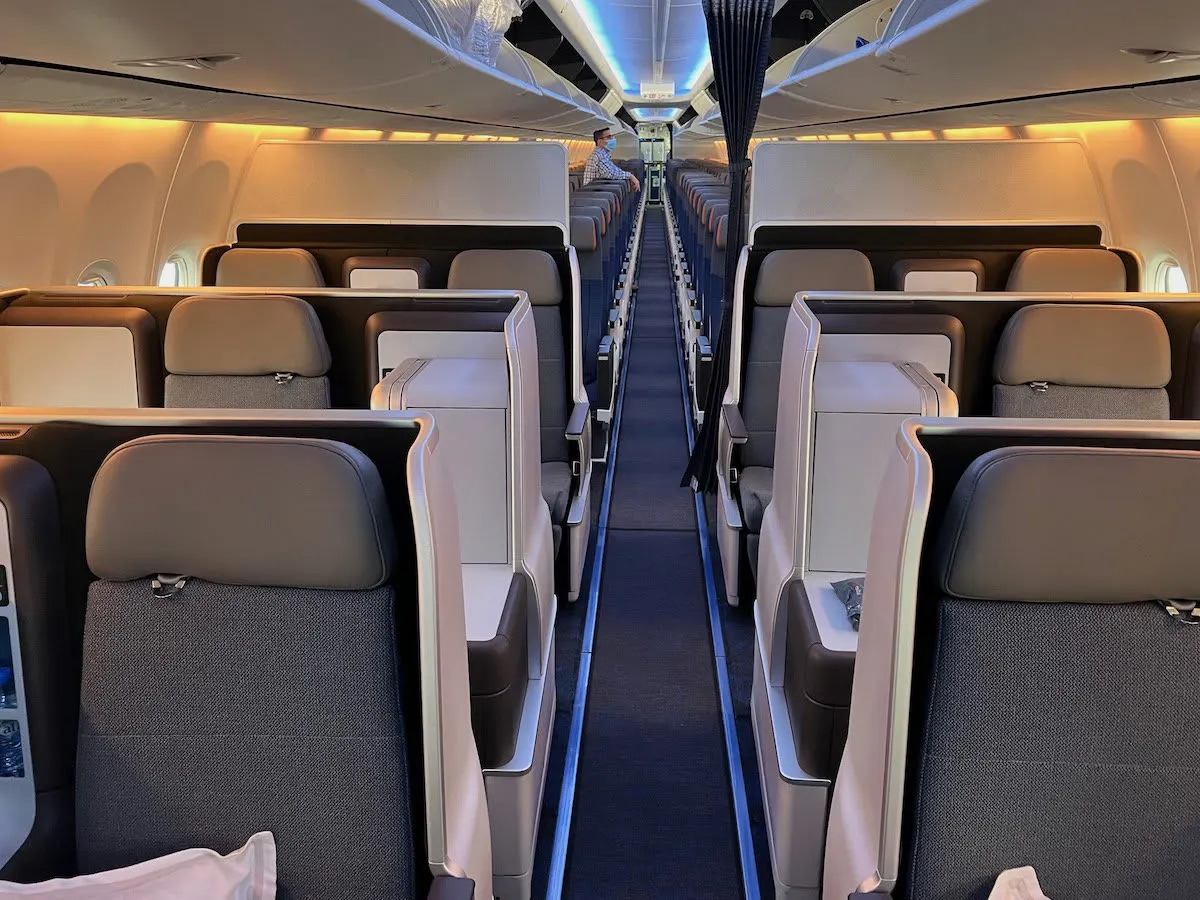
Flydubai Upgrading 21 Boeing 737 MAX 8s to Flat Bed Seats
Flydubai is retrofitting 21 Boeing 737 MAX 8 aircraft with lie-flat business class seats to standardize its premium product by late 2027.
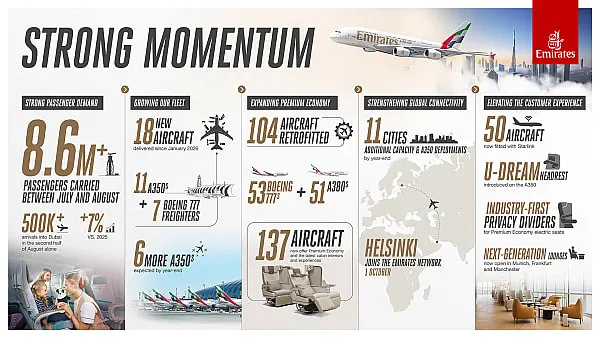
Emirates Winter Booking Momentum Grows Amid Fleet Expansion
Emirates carried 8.6 million passengers this summer and enters winter with strong demand as it accelerates fleet retrofits and network growth.

Air Arabia Consortium Gains AOC for New Dammam Budget Airline
A Saudi GACA-led consortium including Air Arabia has secured an AOC to launch a new budget airline based at Dammam's King Fahd International Airport.
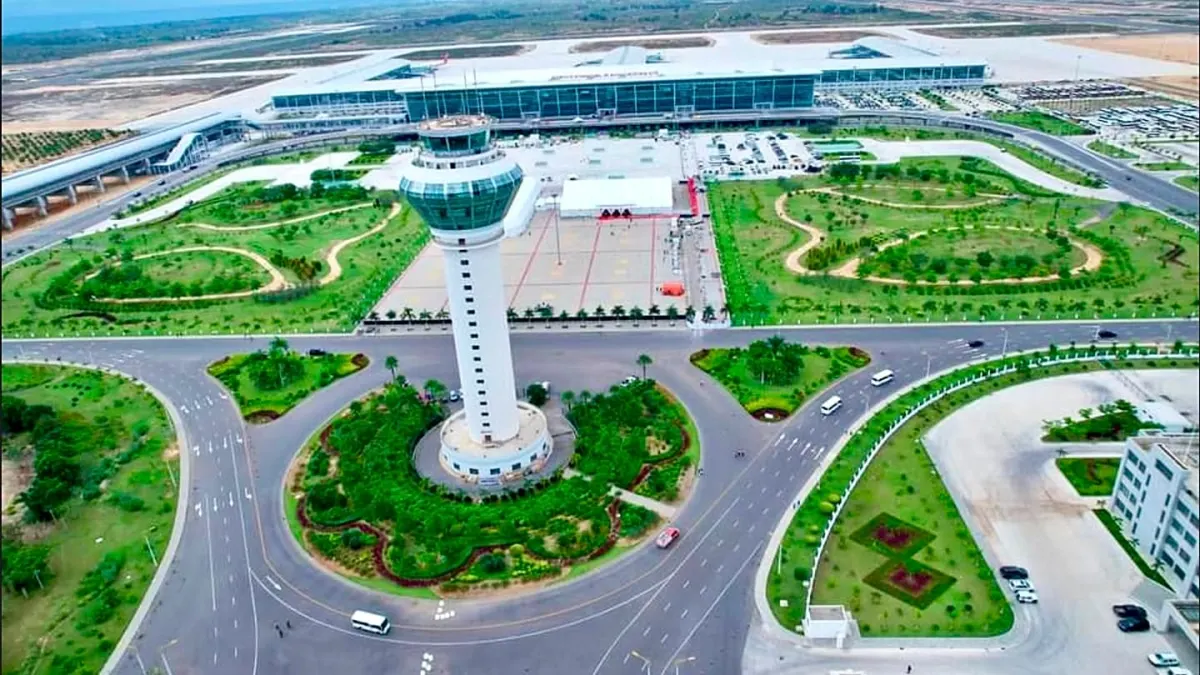
Turkish Airlines Exits Luanda as Angola Hub Struggles
Turkish Airlines dropped its Luanda route as Angola's new airport struggles to attract traffic, handling only 756,028 passengers in 2025.

Red Sea Airlines Leases Two 737 MAX 8s for 2027 Expansion
Red Sea Airlines signed a lease for two Boeing 737 MAX 8 aircraft from SMBC Aviation Capital, arriving in 2027 to support its 14-aircraft fleet goal.
Avelo CEO Warns Airfares May Rise on Jet Fuel Price Spikes
Avelo Airlines CEO Andrew Levy warns that rising fuel costs may force fare increases as global jet fuel prices reach $171.01 per barrel.