American Airlines Reshapes Board to Close Profit Gap

Aviation News Editor & Industry AnalystAviation News Editor & Industry Analyst delivering clear coverage for a worldwide audience.
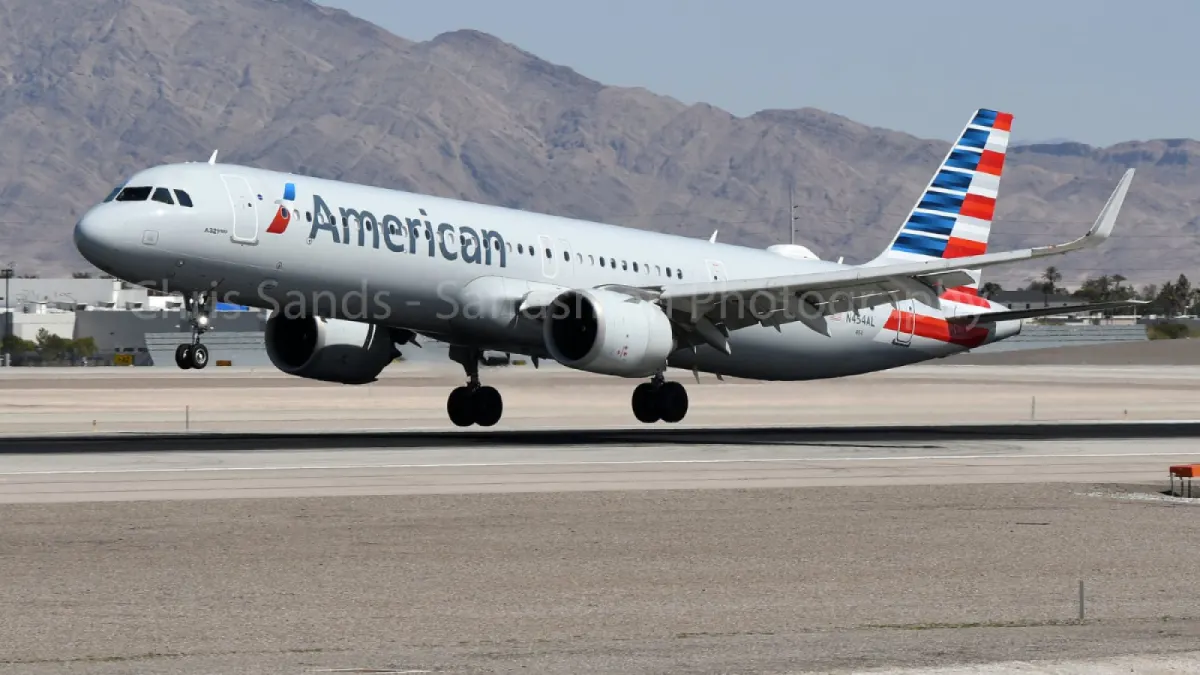
American Airlines launched a major executive overhaul to close a profitability gap after posting a Q2 net income of just $71 million.
Key Takeaways
- •American Airlines overhauls leadership to close its legacy competitor profit gap.
- •Net income for Q2 2026 hit $71 million, trailing Delta's $1.6 billion profit.
- •Former Spirit Airlines executive John Bendoraitis hired for technical operations.
- •Vice-chair Steve Johnson will retire from the carrier at the end of 2026.
American Airlines has initiated a sweeping American Airlines management shake-up to address its lagging financial performance. According to a Robert Isom internal letter dated August 10, 2026, the carrier is restructuring its executive ranks to close a substantial American Airlines profitability gap with its primary legacy competitors. The organizational reset comes as the airline struggles to recover passenger trust, stabilize operations, and elevate financial returns after a prolonged period of underperformance relative to the broader aviation market.
This executive reorganization occurs during what industry analysts characterize as the carrier's most challenging commercial phase since exiting Chapter 11 bankruptcy in the mid-2010s. By reshuffling key roles across communications, customer service, and technical operations, the carrier aims to streamline decision-making and improve service delivery. However, the operational pivot must overcome deep-seated commercial pressures, particularly as competitors capture a larger share of the highly lucrative premium travel market.
The financial impetus for the restructuring is detailed in recent regulatory filings. In the second quarter of 2026, American Airlines Group's Form 8-K filing reported a net income of $71 million. This performance lagged significantly behind United Airlines, which posted a quarterly net profit of $805 million, and Delta Air Lines, which reported a net profit of $1.6 billion in Delta Air Lines' Form 10-Q filing.
To address these disparities, Chief Executive Officer Robert Isom has reallocated central responsibilities. Under the new structure, Caroline Clayton, Senior Vice President of Communications and Chief Marketing Officer, will assume full oversight of corporate communications following the resignation of Chief Communications Officer Ron DeFeo. Additionally, Nate Gatten, Executive Vice President of corporate real estate, government affairs, and American Eagle, is departing the company.
In the carrier's technical division, Senior Vice President of Technical Operations Kevin Brickner is retiring after 30 years of service. To fill this critical operational gap, John Bendoraitis, a former executive at Spirit Airlines, has been hired to lead American Airlines technical operations and maintenance. Furthermore, JC Gulbranson has been appointed to oversee airports, flight planning, in-flight staff, and the integrated operations center. Meanwhile, Heather Garboden will step into an expanded role as Chief Customer Officer, managing reservations, contact centers, service recovery, and onboard services.
In his internal memo, CEO Robert Isom acknowledged the urgency of the transition: "I recognize that there is a meaningful gap between where we are today and where we know American can — and should — be," Isom stated. "To close that gap, we must improve performance where it matters most: delivering a better experience for customers, running a more reliable operation, strengthening engagement with our team members and generating stronger business results."
For American Airlines shareholders, this leadership transition introduces immediate uncertainty as the market monitors whether the new team can execute Isom's turnaround strategy. On the operational front, regional subsidiary American Eagle faces localized disruption as Nate Gatten's departure shifts regional oversight to Chief Operating Officer David Seymour. Frontline labor groups, who have previously expressed dissatisfaction with executive decisions, must also align with the new operational mandates introduced by Bendoraitis and Gulbranson.
While management positions these changes as a strategic realignment, alternative viewpoints exist. The Association of Professional Flight Attendants (APFA) has previously expressed deep skepticism, arguing that the airline's systemic issues stem from the very top of the organization, pointing to a past unanimous no-confidence vote in CEO Robert Isom. Additionally, some industry analysts view the executive changes as minor adjustments that fail to resolve the core commercial and fleet-planning deficiencies driving the carrier's financial lag.
To bridge the revenue disparity, American Airlines is pursuing a multi-pronged turnaround strategy. This includes capital investments in its primary domestic hubs, upgrades to premium cabin facilities, and leveraging its highly profitable long-haul network to Latin America out of Miami International Airport.
Historically, legacy carriers have utilized executive overhauls to navigate severe operational and financial crises. For example, in February 2024, the JetBlue Airways CEO transition saw Joanna Geraghty succeed Robin Hayes to spearhead a strategic turnaround following a blocked merger and mounting financial deficits. That transition illustrates how structural leadership changes are frequently deployed as a primary mechanism to restore investor confidence and reset corporate strategy during periods of prolonged underperformance.
The Structural Drivers of the Profitability Gap
The wide divergence in profitability among legacy carriers highlights a structural shift in the post-pandemic aviation market. While Delta and United successfully capitalized on a surge in international premium demand and robust hub-and-spoke economics, American Airlines remained constrained by its domestic-heavy network and slower premium product rollout. The current leadership reorganization indicates an attempt to pivot away from low-yield domestic capacity toward high-margin premium offerings and international hub optimization. Historically, closing a margin gap of this scale requires years of sustained capital expenditure and fleet reconfiguration. The appointment of an external executive to run technical operations suggests that stabilizing maintenance schedules and reducing aircraft-on-ground times are recognized as immediate prerequisites to improving asset utilization and lowering unit costs.
Key Milestones in the Executive Transition
The transition is scheduled to unfold over the coming months as several high-level departures take effect. The retirement of Steve Johnson, Vice-chair and Chief Strategy Officer, is confirmed for the end of 2026. Following this, the departure of Chief Communications Officer Ron DeFeo is expected to be finalized by March 2027. During this period, the newly structured executive team under Isom must demonstrate immediate operational improvements to satisfy both shareholders and labor unions ahead of the carrier's next quarterly earnings releases.
Why the Margin Recovery Path Matters
This reorganization serves as a critical test of whether American Airlines can successfully restructure its commercial model without entering another period of protracted labor unrest or operational instability. For the broader industry, the outcome will signal whether legacy carriers can successfully close significant margin gaps through internal operational adjustments, or if structural advantages in network design and fleet composition have created permanent competitive disparities.
Frequently Asked Questions
- Why is American Airlines restructuring its executive leadership team?
- The airline is restructuring to close a significant profitability gap with legacy rivals Delta Air Lines and United Airlines, aiming to improve operational reliability and passenger confidence.
- What were American Airlines' financial results for the second quarter of 2026?
- American Airlines reported a net income of $71 million in the second quarter of 2026, which was significantly behind United Airlines' $805 million and Delta Air Lines' $1.6 billion net profits.
- Who is taking over technical operations at American Airlines?
- John Bendoraitis, a former executive at Spirit Airlines, has been hired to take charge of technical operations and maintenance following the retirement of Kevin Brickner.
Stay ahead of the airline industry with commercial aviation news from omniflights.com. Follow aviation sustainability efforts, emissions research, and green initiatives in the Environmental section at omniflights.com/environmental.
Written by Ujjwal Sukhwani
Aviation News Editor & Industry Analyst delivering clear coverage for a worldwide audience. Covers flight operations, safety regulations, and market trends with expert analysis.
Visit ProfileYou Might Also Like
Discover more aviation news based on similar topics
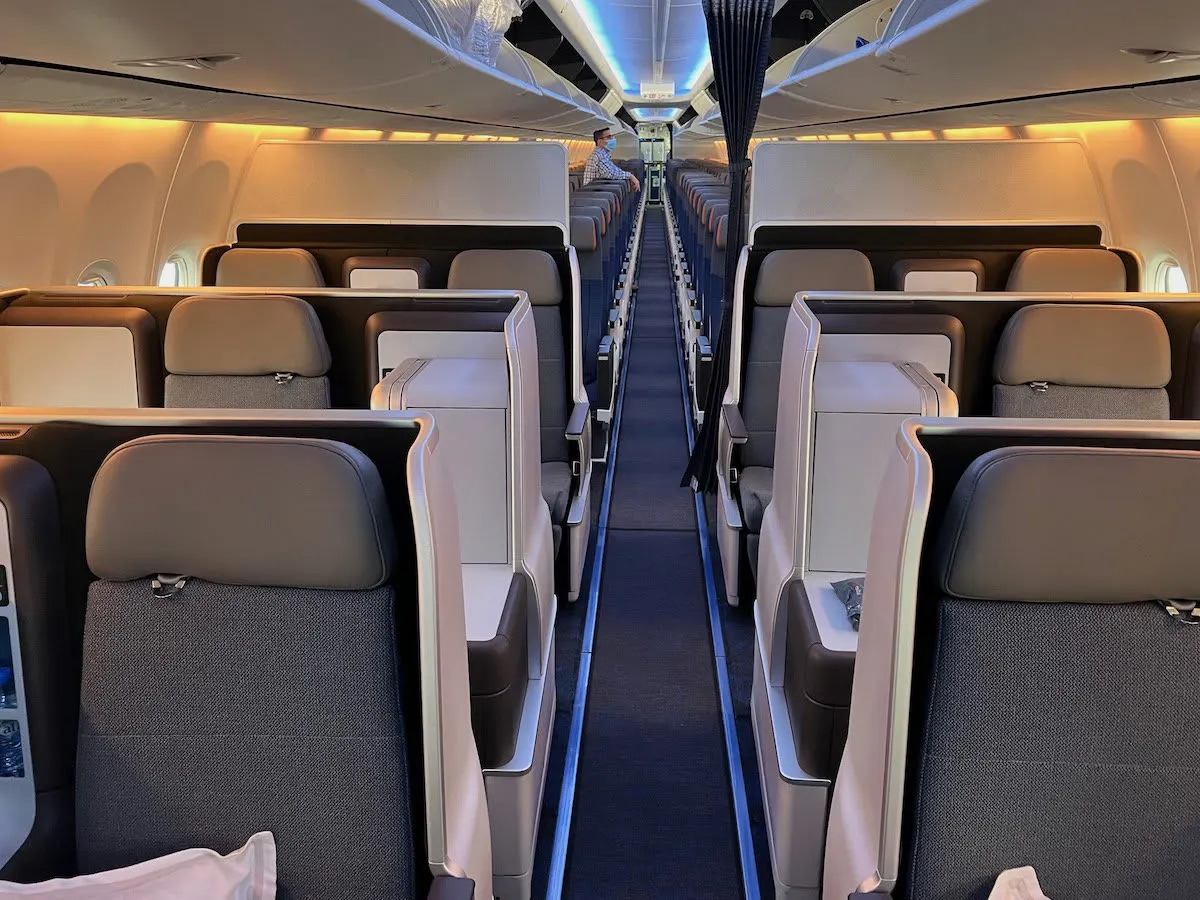
Flydubai Upgrading 21 Boeing 737 MAX 8s to Flat Bed Seats
Flydubai is retrofitting 21 Boeing 737 MAX 8 aircraft with lie-flat business class seats to standardize its premium product by late 2027.
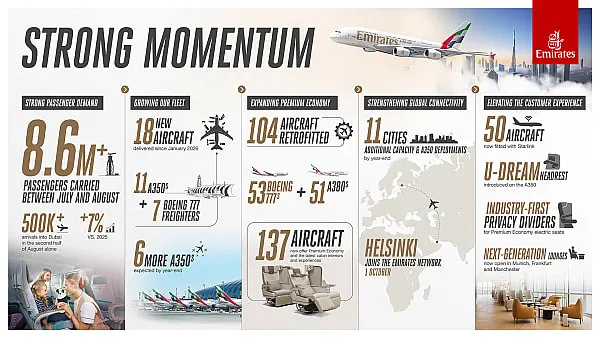
Emirates Winter Booking Momentum Grows Amid Fleet Expansion
Emirates carried 8.6 million passengers this summer and enters winter with strong demand as it accelerates fleet retrofits and network growth.
Air Arabia Consortium Gains AOC for New Dammam Budget Airline
A Saudi GACA-led consortium including Air Arabia has secured an AOC to launch a new budget airline based at Dammam's King Fahd International Airport.
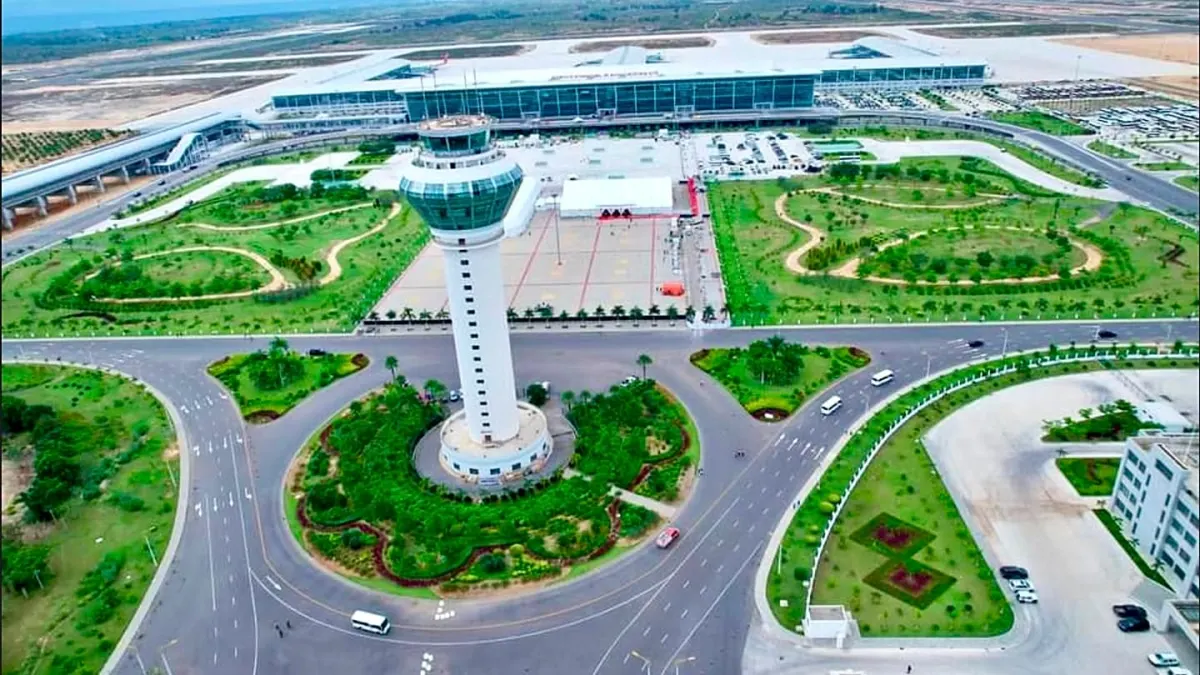
Turkish Airlines Exits Luanda as Angola Hub Struggles
Turkish Airlines dropped its Luanda route as Angola's new airport struggles to attract traffic, handling only 756,028 passengers in 2025.
Red Sea Airlines Leases Two 737 MAX 8s for 2027 Expansion
Red Sea Airlines signed a lease for two Boeing 737 MAX 8 aircraft from SMBC Aviation Capital, arriving in 2027 to support its 14-aircraft fleet goal.
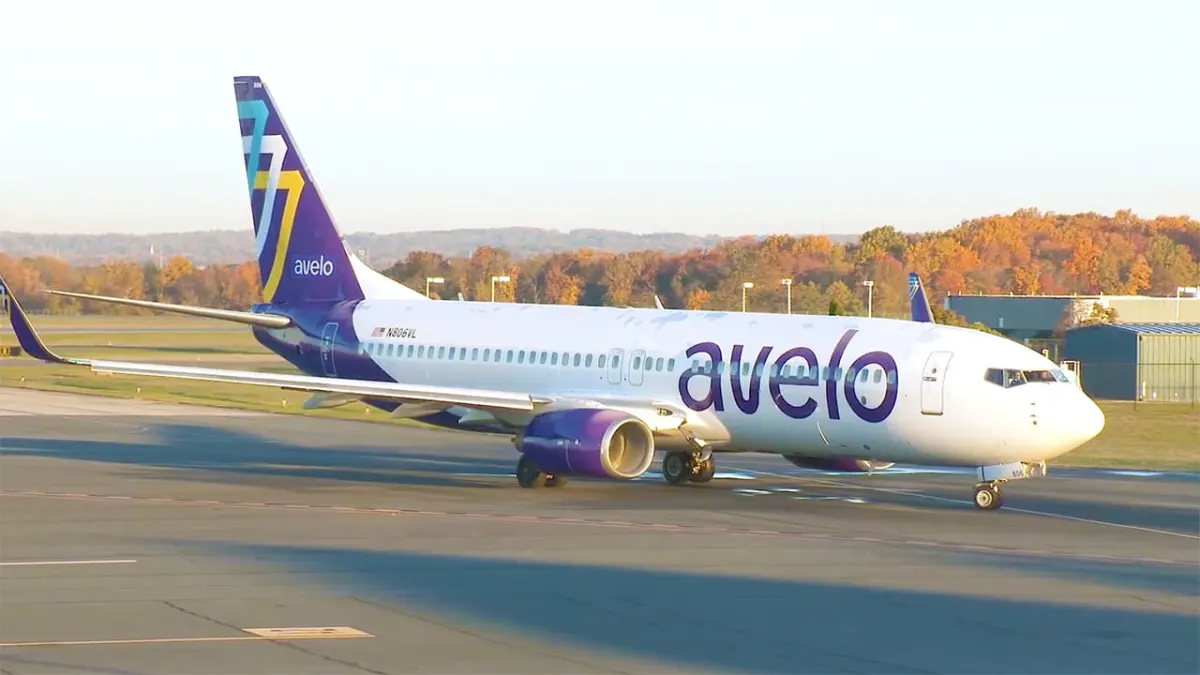
Avelo CEO Warns Airfares May Rise on Jet Fuel Price Spikes
Avelo Airlines CEO Andrew Levy warns that rising fuel costs may force fare increases as global jet fuel prices reach $171.01 per barrel.