Korean Air and Asiana Approve December 17, 2026 Merger

Aviation News Editor & Industry AnalystAviation News Editor & Industry Analyst delivering clear coverage for a worldwide audience.
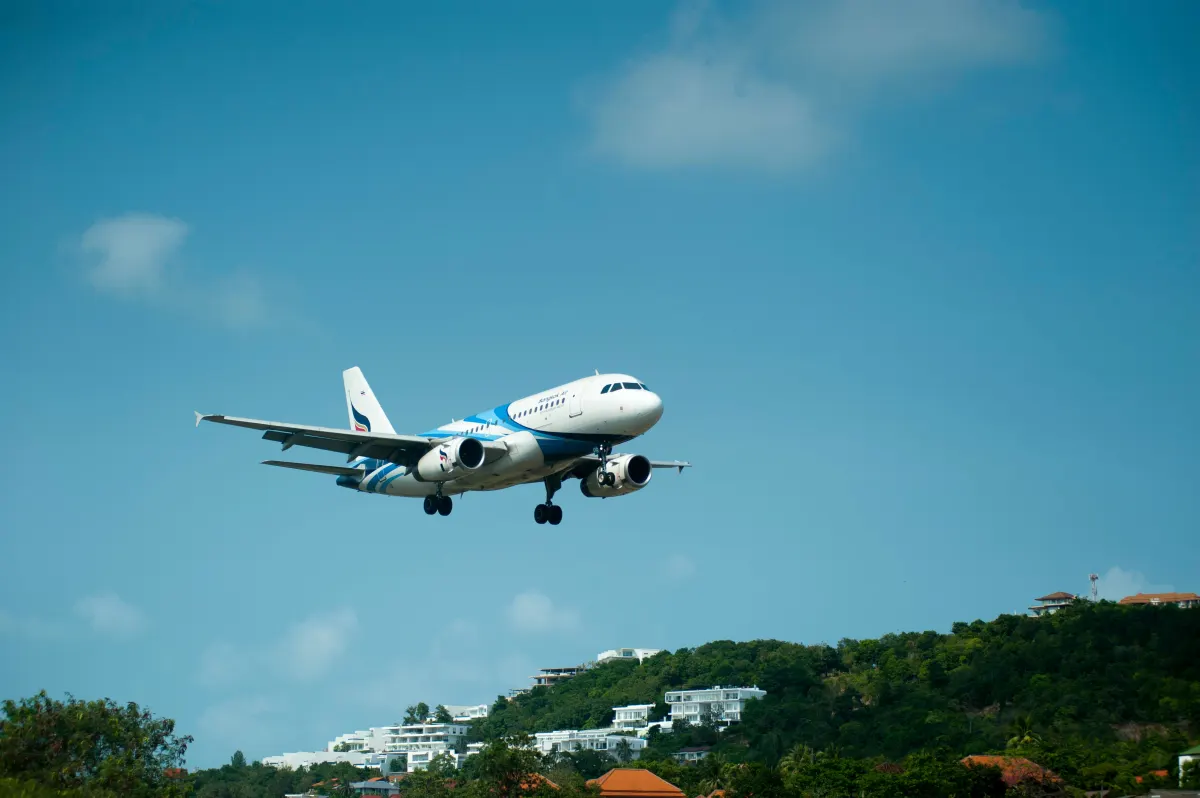
Korean Air and Asiana Airlines ratified their merger agreement, setting the final corporate integration date for December 17, 2026.
Key Takeaways
- •Asiana shareholders approved the merger with a 99.3% majority vote.
- •Korean Air bypassed its shareholder vote via Article 527-3.
- •Asiana Airlines will officially exit Star Alliance on December 16, 2026.
- •Corporate integration will launch the unified mega-carrier on December 17, 2026.
The Korean Air Asiana merger has cleared its final corporate hurdles, establishing a firm timeline for the creation of a South Korea mega-carrier. On August 12, 2026, Korean Air's board of directors and Asiana Airlines' shareholders formally ratified their merger agreement, setting December 17, 2026 as the official date for full corporate integration. This milestone marks the final phase of a multi-year airline industry consolidation process that will reshape the global aviation landscape.
This Asiana Airlines integration represents a fundamental shift in the East Asian aviation market. By absorbing Asiana, Korean Air will eliminate its primary domestic full-service competitor, creating a single dominant national flag carrier. The integration will trigger significant operational changes, including fleet consolidation, route restructuring, and Asiana's exit from the Star Alliance network to align with Korean Air's SkyTeam alliance.
According to official results from the Asiana Airlines Extraordinary General Meeting held on August 12, 2026, shareholders overwhelmingly approved the merger. The resolution passed with 99.3% of voting shares in favor, representing 167,436,677 shares, with an 81.86% shareholder attendance rate. On the same day, Korean Air's board of directors approved the agreement. Rather than holding a separate shareholder vote, Korean Air utilized Article 527-3 of Korea's Commercial Act, which allows a board resolution to ratify a "small-scale merger" when the acquiring company meets specific corporate criteria.
This formal ratification follows Korean Air's initial acquisition of a 63.9% stake in Asiana Airlines, valued at approximately 1.8 trillion KRW, which was finalized in December 2024. That transaction, funded in part through the Korea Development Bank, occurred after the carriers secured conditional antitrust clearances from global regulators, including the European Commission and the U.S. Department of Justice.
To satisfy these regulatory bodies, the airlines had to agree to extensive remedy packages. The European Commission and the U.S. Department of Justice expressed concerns that a combined carrier would hold a monopoly on key transpacific and European routes. Consequently, the carriers agreed to divest Asiana's cargo division—which was sold to Air Incheon—and relinquish valuable passenger slots on competitive international routes to South Korean low-cost carriers, including Air Premia and T'way Air.
During the extraordinary general meeting, Song Bo-young, CEO of Asiana Airlines, emphasized the historic nature of the vote. Song stated that the shareholder approval marks "the first step toward writing a new chapter in South Korea's aviation history as a mega-carrier," adding that employees will unite to ensure a smooth transition and a meaningful conclusion to Asiana's 38-year journey.
Comparing Historical Consolidation Paths
The scale of this integration mirrors the December 2013 merger of American Airlines and US Airways, which created the world's largest airline at the time. That merger resulted in the retirement of the US Airways brand and its exit from the Star Alliance to join Oneworld, a transition that closely prefigures the upcoming Asiana Star Alliance exit.
Alternatively, the May 2004 merger of Air France and KLM Royal Dutch Airlines established the Air France-KLM Group, which maintained separate brands while integrating back-end operations. Korean Air, however, has chosen a path of total brand absorption, opting to phase out the Asiana brand entirely rather than operating a dual-brand strategy.
Operational Mechanics of the Post-Merger Integration
The transition toward a single operating entity requires a complex Post-Merger Integration (PMI) roadmap. Korean Air must secure amendments to its Air Operator Certificate (AOC) from the MOLIT (Ministry of Land, Infrastructure and Transport) to legally integrate Asiana's aircraft, flight crews, and maintenance protocols under a single operating license. This process involves aligning disparate safety management systems, pilot training programs, and maintenance schedules.
Historically, such large-scale airline consolidations occur in waves driven by global economic pressures and the need for network efficiencies. Combining these two fleets will streamline overlapping routes, particularly in the transpacific market, allowing the unified carrier to optimize slot utilization at Seoul's Incheon International Airport. However, the divestment of cargo assets to Air Incheon and passenger slots to mid-tier carriers like Air Premia will permanently alter the competitive landscape of South Korean aviation, fostering a more robust secondary tier of low-cost operators.
Timeline for the Star Alliance Exit and Final Registration
The path to the December 2026 airline merger involves several critical operational milestones:
- December 16, 2026: Asiana Airlines is confirmed to officially exit the Star Alliance network. This exit will terminate all frequent flyer benefits and codeshare agreements associated with the alliance.
- December 17, 2026: The corporate merger registration is expected to be completed. This milestone will launch the fully integrated airline under the Korean Air brand, effectively retiring the Asiana Airlines name after nearly four decades of operation.
During this final window, Korean Air will continue executing its PMI strategy, focusing on IT systems integration, passenger service system migration, and the transfer of frequent flyer accounts.
The Strategic Impact on Global Alliances and Passengers
For the global aviation industry, this merger represents a significant shift in alliance power dynamics within East Asia, as Star Alliance loses a founding regional member while SkyTeam solidifies its dominance in Seoul. Passengers, particularly Asiana Club frequent flyers, face immediate impacts as they transition away from Star Alliance benefits to Korean Air's SkyTeam loyalty structure. Ultimately, the creation of this mega-carrier establishes a highly consolidated South Korean market, balancing regulatory-mandated competition from low-cost carriers against the massive scale of a unified national champion.
Frequently Asked Questions
- When will the Korean Air and Asiana Airlines merger be completed?
- The corporate merger registration is scheduled to be completed on December 17, 2026, which will officially launch the integrated airline and phase out the Asiana Airlines brand.
- What will happen to Asiana Airlines' Star Alliance membership?
- Asiana Airlines is confirmed to officially exit the Star Alliance network on December 16, 2026, ahead of its integration into Korean Air, which is a member of the SkyTeam alliance.
- How did Korean Air approve the merger without a shareholder vote?
- Korean Air ratified the merger agreement via a board of directors resolution under Article 527-3 of South Korea's Commercial Act, which allows small-scale mergers to bypass a separate shareholder vote.
For global airline trends and commercial aviation news, turn to omniflights.com. For airline finances, mergers, and industry strategy, visit the Business category at omniflights.com/business.
Written by Ujjwal Sukhwani
Aviation News Editor & Industry Analyst delivering clear coverage for a worldwide audience. Covers flight operations, safety regulations, and market trends with expert analysis.
Visit ProfileYou Might Also Like
Discover more aviation news based on similar topics
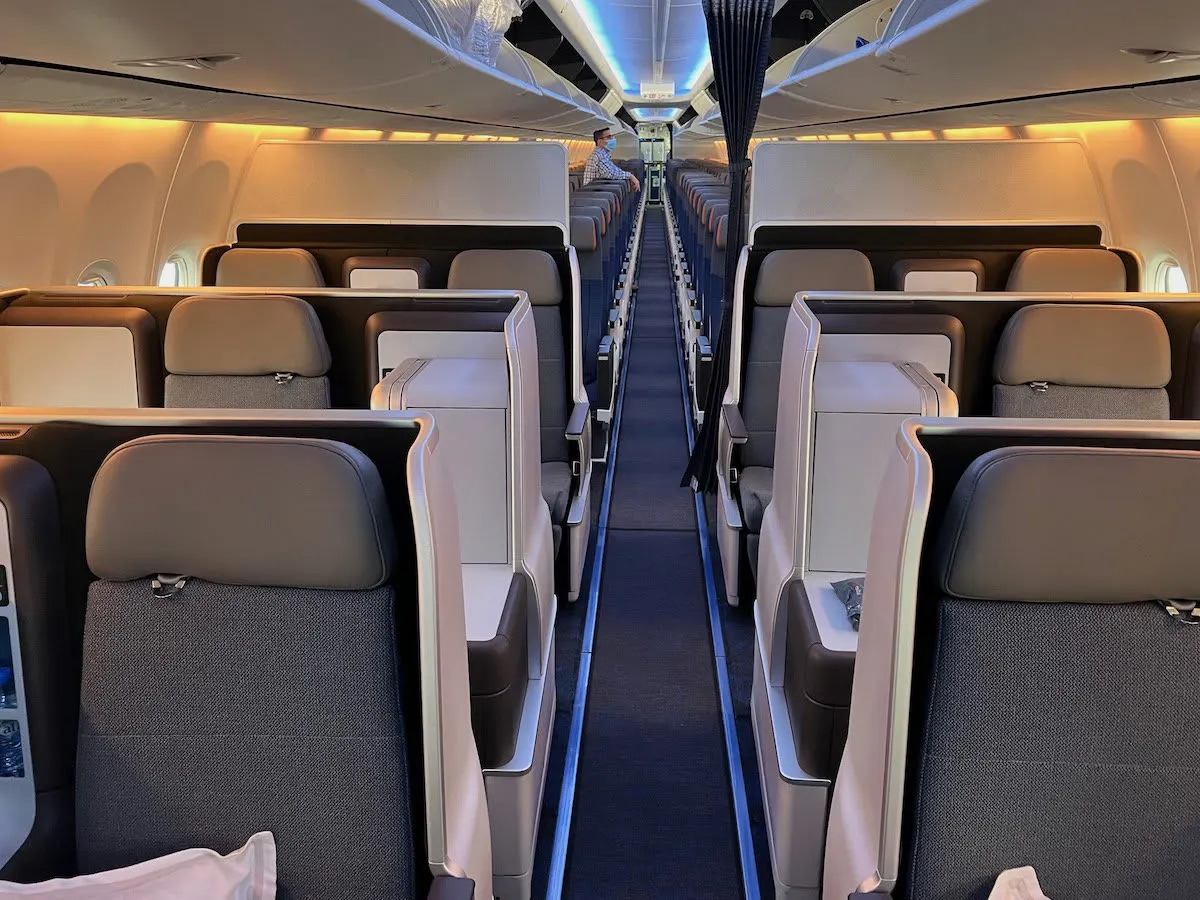
Flydubai Upgrading 21 Boeing 737 MAX 8s to Flat Bed Seats
Flydubai is retrofitting 21 Boeing 737 MAX 8 aircraft with lie-flat business class seats to standardize its premium product by late 2027.
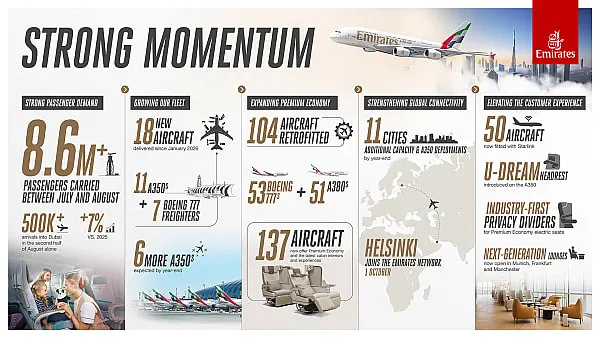
Emirates Winter Booking Momentum Grows Amid Fleet Expansion
Emirates carried 8.6 million passengers this summer and enters winter with strong demand as it accelerates fleet retrofits and network growth.
Air Arabia Consortium Gains AOC for New Dammam Budget Airline
A Saudi GACA-led consortium including Air Arabia has secured an AOC to launch a new budget airline based at Dammam's King Fahd International Airport.
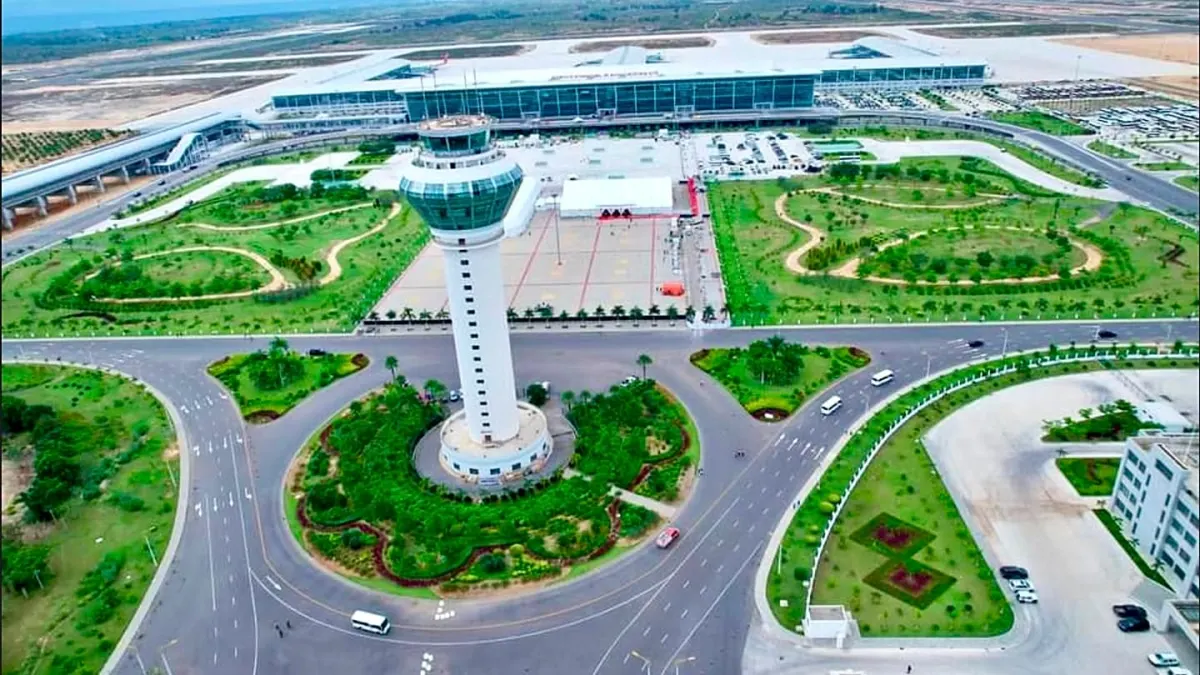
Turkish Airlines Exits Luanda as Angola Hub Struggles
Turkish Airlines dropped its Luanda route as Angola's new airport struggles to attract traffic, handling only 756,028 passengers in 2025.

Red Sea Airlines Leases Two 737 MAX 8s for 2027 Expansion
Red Sea Airlines signed a lease for two Boeing 737 MAX 8 aircraft from SMBC Aviation Capital, arriving in 2027 to support its 14-aircraft fleet goal.
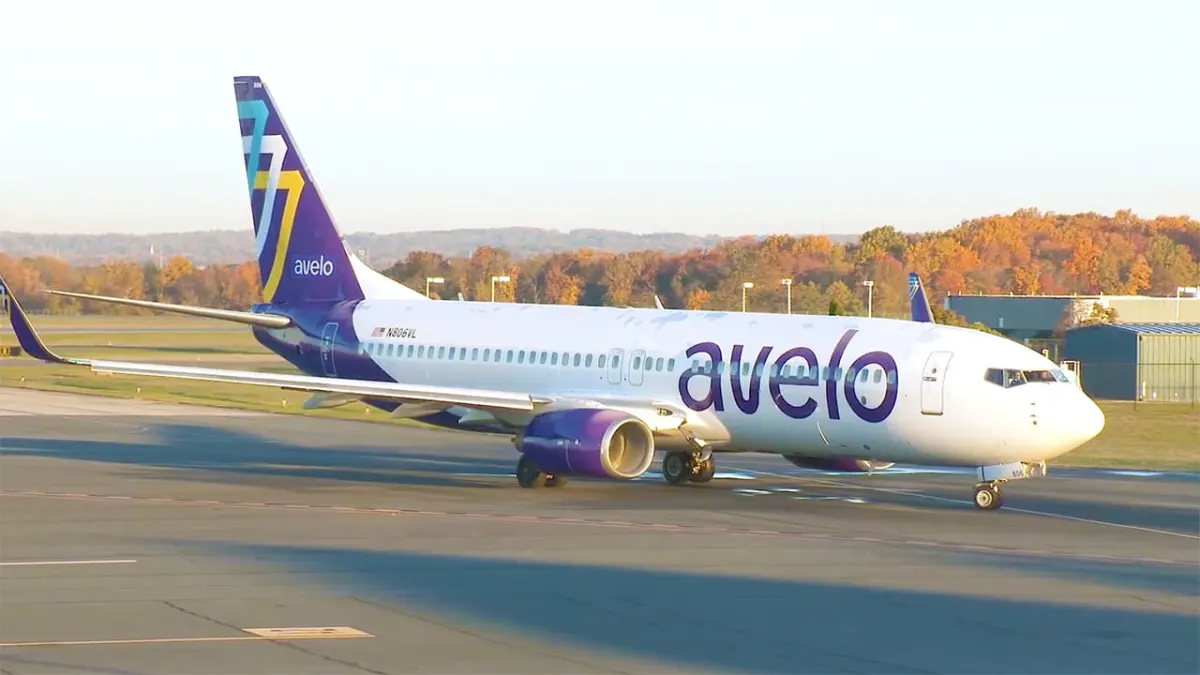
Avelo CEO Warns Airfares May Rise on Jet Fuel Price Spikes
Avelo Airlines CEO Andrew Levy warns that rising fuel costs may force fare increases as global jet fuel prices reach $171.01 per barrel.