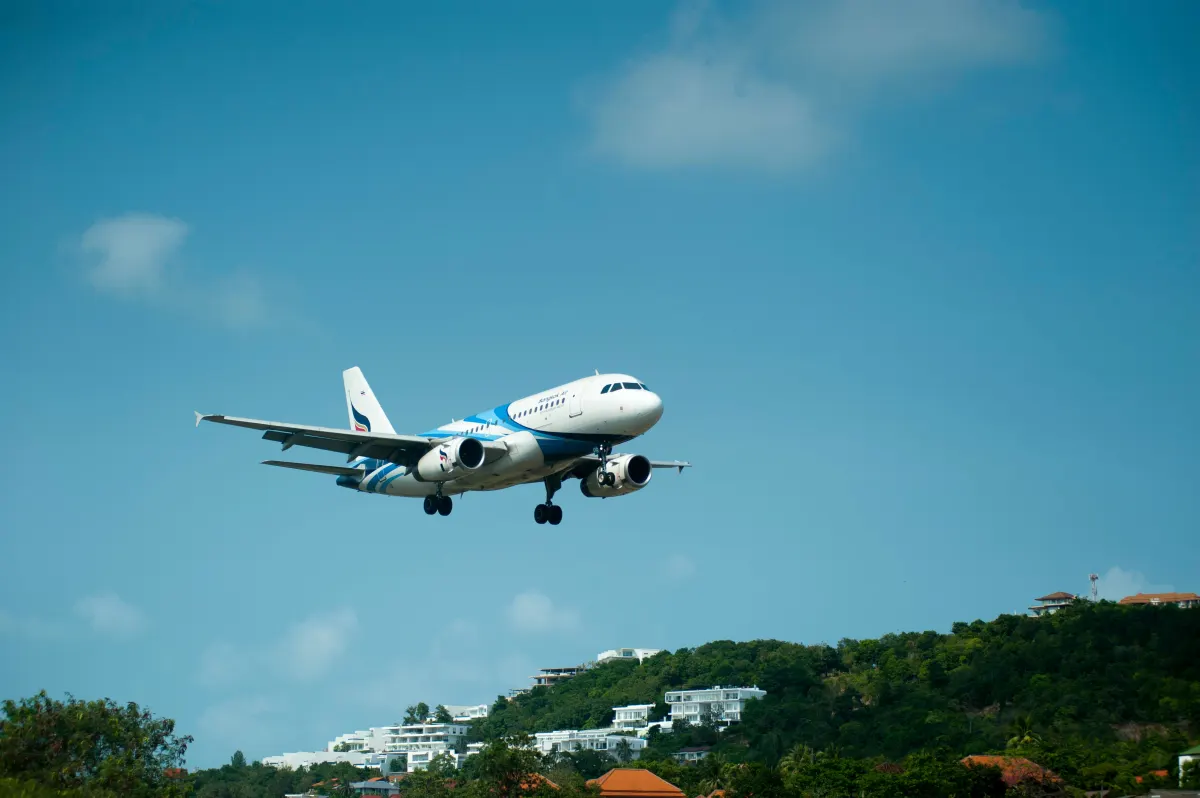
Airbus Targets €13B Profit and €5B Buyback by 2029

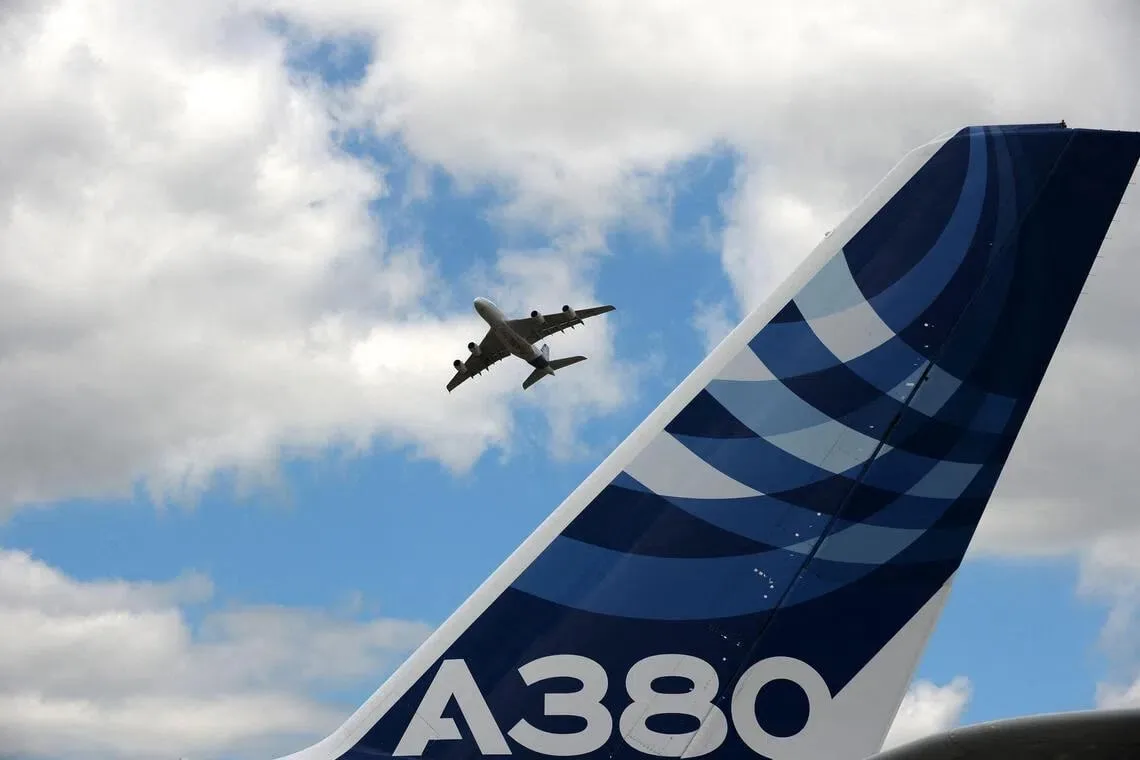
Airbus launched a €5 billion share buyback program and targeted up to €13 billion in core profit by 2029 as supply chain disruptions begin to ease.
Key Takeaways
- •Airbus targets core profit of €12 billion to €13 billion by 2029.
- •Planemaker launches €5 billion share buyback program for investors.
- •H1 2026 commercial aircraft deliveries increased 15% year-on-year.
- •Pratt & Whitney engine groundings decreased 40% from their peak.
Airbus has established an ambitious Airbus profit target 2029 of €12 billion to €13 billion in core adjusted earnings, backed by a newly launched Airbus share buyback program valued at €5 billion. The European planemaker is leveraging a projected recovery in Airbus commercial aircraft deliveries to nearly double its earnings from 2025 levels. This strategic pivot comes as the aerospace sector begins to overcome persistent Pratt & Whitney engine shortages and broader supply chain bottlenecks.
The aggressive mid-term financial targets signal a turning point for the commercial aviation industry, which has spent years grappling with parts shortages, skilled labor deficits, and engine reliability issues. By laying out clear targets through the end of the decade, Airbus is demonstrating confidence that its manufacturing rate increases can be sustained. For global airlines, this ramp-up promises to alleviate severe capacity constraints, though the near-term delivery schedule remains tight as assembly lines compete with maintenance facilities for critical components.
According to the Airbus Investor Update Press Release (July 21, 2026), the targeted Earnings Before Interest and Taxes (EBIT) Adjusted of €12 billion to €13 billion represents a substantial increase from the €7.13 billion generated in fiscal year 2025. This goal also stands well above the company's €7.5 billion adjusted EBIT target for 2026. The planemaker expects its core commercial aviation division to generate approximately €10 billion of the total operating profit by 2029.
To achieve these figures, Airbus is accelerating its production rates. While the company experienced a sluggish start to 2026 due to supply chain friction, Cirium H1 2026 Commercial Aircraft Delivery Data indicates that first-half deliveries rose by 15% year-on-year. Despite this acceleration, Airbus has left its full-year 2026 commercial delivery guidance unchanged at 870 jets, representing a 10% increase over the previous year.
A significant portion of the manufacturer's long-term strategy relies on resolving engine supply issues for its narrow-body programs. Airbus Commercial CEO Lars Wagner noted that protracted engine shortages affecting the Airbus A320 New Engine Option (A320neo) family are expected to resolve by 2028. However, immediate friction remains. Airbus is actively negotiating with Raytheon Technologies Corporation (RTX) subsidiary Pratt & Whitney for increased engine allocations in 2027. This effort has created a "tug of war" between new aircraft assembly lines and maintenance, repair, and overhaul (MRO) facilities, which require the same parts to service grounded in-service fleets.
Conversely, alternative engine supplier CFM International (CFM)—a joint venture between GE Aerospace and Safran Aircraft Engines—is meeting its agreed-upon delivery quantities. On the maintenance front, Pratt & Whitney executives confirmed at an RTX Farnborough Airshow Press Conference (July 21, 2026) that GTF engine-related groundings have decreased by 40% from their historical peak, indicating that MRO bottlenecks are beginning to ease.
The announced financial strategy has divergent impacts across the aviation ecosystem. For Airbus Shareholders and Investors, the €5 billion buyback program and projected profit growth offer immediate financial benefits. Conversely, engine manufacturer Pratt & Whitney faces intense operational pressure to balance new-build deliveries with MRO demands. For airlines operating the A320neo family, the easing of groundings offers gradual relief, though delivery schedules remain vulnerable through 2027.
However, the capital allocation strategy has drawn criticism from alternative perspectives. Environmental Advocacy Groups have argued that the €5 billion allocated for share buybacks would be better directed toward accelerating zero-emission aircraft research or sustainable aviation fuel (SAF) infrastructure. Additionally, Aerospace Labor Unions have expressed concerns, suggesting that Airbus should prioritize factory-floor compensation, hiring, and direct supply chain support to ease the physical strain of the production ramp-up.
Airbus's capital return strategy mirrors historical precedents in the aerospace sector. Between 2013 and 2019, competitor Boeing engaged in aggressive share buybacks, returning billions to shareholders before systemic quality issues and the 737 MAX grounding forced a complete suspension of the program to preserve liquidity. While Airbus enters its buyback program from a position of industrial dominance, the precedent highlights the risk of prioritizing capital returns over liquidity in a highly cyclical and safety-critical industry.
Furthermore, the current narrow-body engine crisis echoes the Airbus A320neo early engine delays of 2016 to 2018, when early technical faults with the Pratt & Whitney Geared Turbofan (GTF) led to dozens of engineless "glider" airframes parked at assembly plants.
To illustrate the competitive landscape Airbus is navigating as it expands its product lines, the following tables outline the technical specifications of its primary wide-body and narrow-body offerings compared to Boeing's competing models.
Airbus A350-1000 vs. Boeing 777-9: Key Specifications
| Metric | Airbus A350-1000 | Boeing 777-9 |
|---|---|---|
| Capacity | ~350-410 seats | ~426 seats |
| Range | 8,700 nm | 7,285 nm |
| Engine | Rolls-Royce Trent XWB-97 | GE9X |
Airbus A320neo vs. Boeing 737 MAX 8: Key Specifications
| Metric | Airbus A320neo | Boeing 737 MAX 8 |
|---|---|---|
| Capacity (2-class) | 150-180 seats | 162-178 seats |
| Range | 3,400 nm | 3,500 nm |
| Engine Options | CFM LEAP-1A / P&W PW1100G | CFM LEAP-1B |
The Production Curve Behind the €13 Billion Target
The projected near-doubling of core earnings by 2029 reflects a structural shift in commercial aerospace, where demand vastly outstrips manufacturing capacity. Historically, aircraft manufacturers have struggled to translate massive order backlogs into immediate profitability due to the steep capital requirements of ramp-ups. However, the current stabilization of global supply chains allows Airbus to leverage its unprecedented backlog visibility. By targeting a commercial operating profit of €10 billion, Airbus is betting that industrial efficiency and economies of scale on the A320neo and Airbus A350 XWB (Extra Wide Body) lines will outpace inflationary pressures. This development indicates that the industry is transitioning from a defensive, post-pandemic recovery phase to an offensive capital-generation cycle, though the strategy remains highly dependent on engine manufacturers meeting their recovery timelines.
Tracking the A320neo Engine Recovery Timeline
The execution of Airbus's medium-term financial plan depends on several critical operational milestones over the next three years:
- Late 2026 to 2027: Airbus is expected to make a formal decision on launching stretched, longer-range versions of both the A220 and A350 platforms.
- Early 2027: The manufacturer will release its full-year 2026 financial results, which will confirm whether the target of 870 commercial deliveries was achieved.
- 2027: Airbus faces its tightest engine supply bottleneck as it pushes Pratt & Whitney for higher GTF deliveries to feed its expanding assembly lines.
- 2028: Engine supply shortages for the A320neo family are expected to be fully resolved, according to projections from Airbus Commercial CEO Lars Wagner.
Why the Mid-Term Outlook Matters for Lessors and Carriers
This development signals that Airbus is cementing its market leadership while shifting focus from crisis management to shareholder returns. For airlines and lessors, the planemaker's aggressive targets offer reassurance of long-term delivery stability, yet the ongoing engine bottleneck means fleet planning will remain highly volatile through 2027. Ultimately, the successful execution of this plan will determine whether the aerospace supply chain can permanently transition past its post-pandemic constraints.
Frequently Asked Questions
- What are Airbus's financial targets for 2029?
- Airbus is targeting an adjusted Earnings Before Interest and Taxes of €12 billion to €13 billion by 2029, with its core commercial aircraft business expected to generate approximately €10 billion of that total.
- How large is the Airbus share buyback program launched in 2026?
- Airbus has launched a €5 billion share buyback program, signaling strong confidence in its mid-term earnings growth and cash generation as supply chain bottlenecks begin to ease.
- When will the Airbus A320neo engine shortages be resolved?
- Airbus expects the protracted engine supply shortages affecting the Airbus A320 New Engine Option family to be fully resolved by 2028, though near-term supply friction will persist through 2027.
For global airline trends and commercial aviation news, turn to omniflights.com. Discover how innovation is shaping aviation through aircraft systems, avionics, and digital tools at omniflights.com/technology.

Written by Shashank Shukla
Co-Founder & CTO leading the engineering and AI systems behind Omni Flights. Covers aviation technology, flight safety, aircraft manufacturing, and emerging aerospace developments.
Visit ProfileYou Might Also Like

Lockheed Martin Proposes 10-Year F-35 Production Framework
FAA Certifies Boeing 737 MAX 10 for Service

FAA Grants BETA Market Survey Rights for ALIA A250 eVTOL

FAA Certifies Boeing 737 MAX 10
FAA Returns Certification Authority to Boeing for 737 MAX