Airbus, Boeing Face Narrowbody Delivery Pauses in 2026

Co-Founder & CEOAviation News Editor delivering trusted coverage across the global aviation industry.
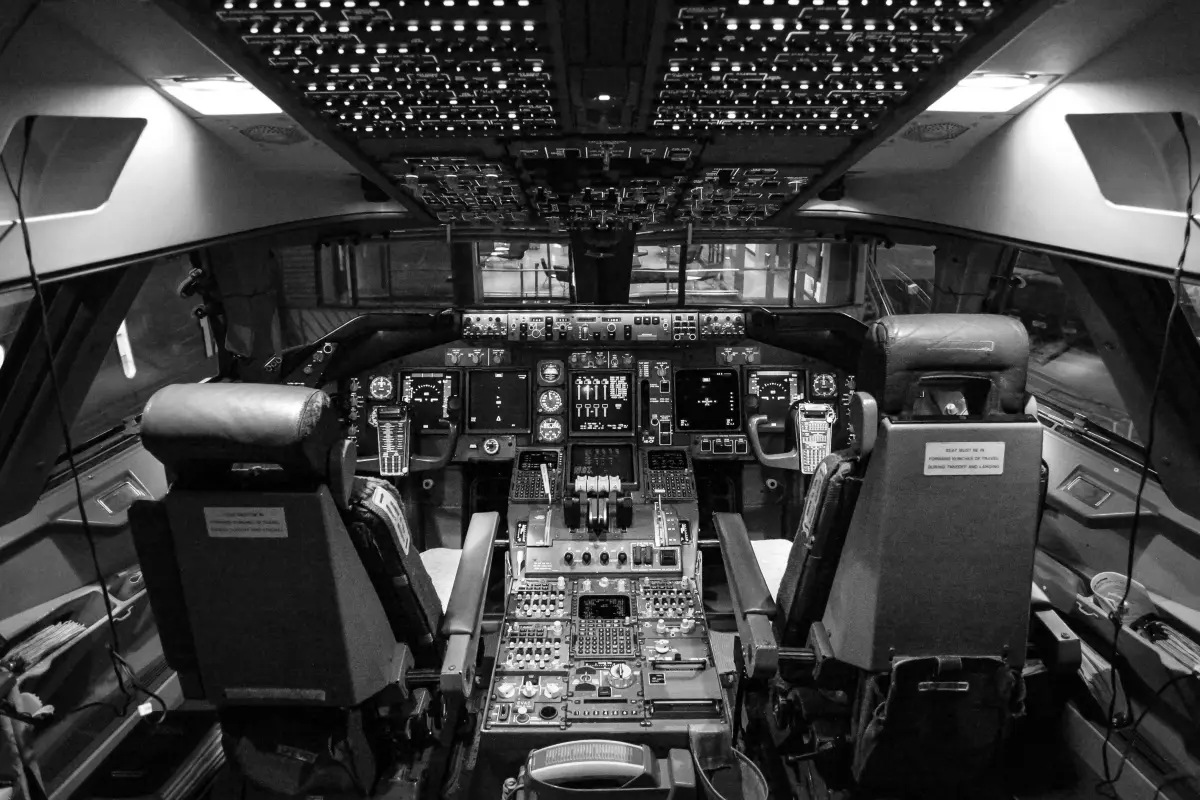
Airbus and Boeing face significant production delays in early 2026 due to quality control issues with the A320neo fuselage and 737 MAX wiring.
Key Takeaways
- •Face production delays for 737 MAX and A320neo due to separate quality issues.
- •Reduced 2025 delivery target by 30 aircraft due to fuselage panel defects.
- •Temporarily halted some 737 MAX deliveries to resolve an electrical wiring issue.
- •Built up aircraft inventory as production rates outpaced delivery capabilities.
Separate quality control issues at both Airbus and Boeing are disrupting narrowbody aircraft production in early 2026, leading to delivery pauses and a growing inventory of undelivered jets. Airbus is addressing fuselage panel defects on its A320neo family, while Boeing recently resolved a wiring issue on its 737 MAX, highlighting persistent pressures on the commercial aviation supply chain.
The confluence of manufacturing defects at the industry's two largest original equipment manufacturers (OEMs) underscores the challenges of ramping up production while maintaining stringent quality standards. For airline customers, these delays introduce uncertainty into fleet planning and capacity growth ahead of the critical summer 2026 travel season. The trend of production outpacing deliveries is now evident at both companies, as aircraft complete final assembly but are held back for rework and inspections.
Airbus A320neo Fuselage Challenges
Airbus is contending with out-of-spec fuselage panels supplied by Sofitec Aero for its A320neo (Airbus A320 New Engine Option) program. According to an Airbus customer presentation, the issue involves thickness deviations in the panels, affecting a total of 628 A320-family aircraft at various stages of production and in active service. This has forced the manufacturer to conduct extensive inspections to ensure compliance with structural integrity requirements mandated by the EASA (European Union Aviation Safety Agency).
The supply chain disruption prompted a downward revision of the company's output goals. An Airbus regulatory filing from December 2025 confirmed that its commercial aircraft delivery target for 2025 was lowered from 820 to 790 aircraft. In a public statement, Airbus CEO Guillaume Faury acknowledged the defects, noting the company was actively assessing the full impact on its production and delivery flows. The effect was visible in early 2026, with an Airbus report showing only 19 commercial aircraft were delivered in January.
Boeing 737 MAX Wiring Issue
Concurrently, Boeing experienced a short-lived delivery pause for some 737 MAX aircraft in March 2026. The issue stemmed from scratched electrical wiring discovered on jets at its Renton facility, reportedly caused by a machining error. The problem required immediate rework to ensure all wiring met the type design specifications set by the FAA (Federal Aviation Administration).
Katie Ringgold, Boeing's 737 program vice president and general manager, confirmed the temporary halt. "We paused ticketing and deliveries as we work through this issue… It will take several days to resolve," she stated. Despite the pause, Boeing's Q1 2026 production updates indicate that the overall build rate was maintained at approximately 42 aircraft per month. According to its January 2026 Orders & Deliveries Report, Boeing delivered 46 commercial aircraft, including 37 737 MAX jets, more than double Airbus's output for the same period.
A Pattern of Production Challenges
The current issues are reminiscent of several recent high-profile manufacturing flaws. In April 2021, a Boeing 737 MAX electrical grounding directive from the FAA affected over 100 jets, requiring rework to fix an electrical bonding issue. Similarly, the Boeing 787 Dreamliner program was impacted by fuselage shimming flaws that paused deliveries from 2020 to 2022, resulting in a massive inventory buildup. For Airbus, the most analogous recent event was the Pratt & Whitney GTF engine recall in 2023-2024, a major supply chain defect that grounded hundreds of A320neo aircraft for accelerated inspections.
Technical Analysis
These concurrent disruptions at Airbus and Boeing signal a systemic vulnerability within the aerospace supply chain as it strains to meet post-pandemic demand. While the specific defects—fuselage panel thickness versus electrical wiring scratches—are unrelated, they both point to lapses in quality control originating from suppliers or internal manufacturing processes. The historical precedents, from the 787 shimming issue to the GTF engine contamination, show that such problems can have long-tail consequences, including costly rework, revised delivery schedules, and significant financial writedowns. The data suggests a recurring pattern where the pressure to increase production rates exposes latent weaknesses in manufacturing conformity. This trend forces OEMs into a reactive cycle of inspection and rework, ultimately constraining the flow of new aircraft to airlines and keeping lease rates for existing assets high.
What Comes Next
Both manufacturers will provide further details on the operational and financial impact of these disruptions in their upcoming quarterly reports. According to company schedules, the Q1 2026 Commercial Aircraft Deliveries Report for both Airbus and Boeing is confirmed for release in April 2026. This will be followed by Boeing's Q1 2026 Earnings Call, scheduled for late April 2026, where executives are expected to address the 737 MAX wiring issue and its effect on the delivery outlook.
Why This Matters
For the aviation industry, these production stumbles highlight the fragility of the global supply chain and the immense difficulty of scaling aircraft manufacturing without compromising quality. The delays directly impact airline growth strategies and could lead to constrained capacity and higher airfares. Ultimately, the events underscore that even as demand for new, fuel-efficient aircraft soars, the ability of the duopoly to deliver on its promises remains a critical and uncertain variable.
Access up-to-date commercial aviation news and airline industry developments via omniflights.com. Track policy changes, airspace rules, and global aviation governance in the Regulatory category at omniflights.com/regulatory.
Written by Hardik Vishwakarma
Co-Founder & Aviation News Editor leading initiatives that improve trust and visibility across the global aviation industry. Covers airlines, airports, safety, and emerging technology.
Visit ProfileYou Might Also Like
Discover more aviation news based on similar topics

Boeing 777X Testing Spills Into 2027 Amid Certification Hurdles
Boeing expects some 777X testing to extend into 2027, though the manufacturer maintains its target for the first delivery of the aircraft that year.

Airbus A350F Completes Ground Tests Before Maiden Flight
Airbus has finished initial ground tests for the A350F, with the freighter set for a late 2026 maiden flight and a 2027 entry into service.
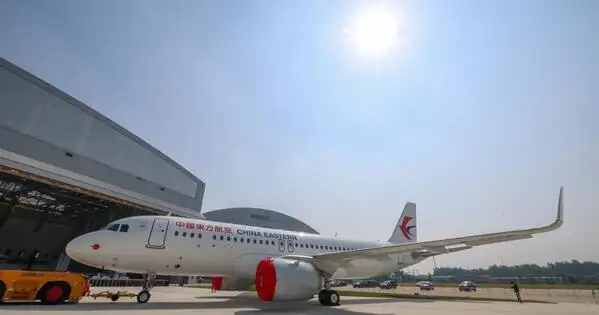
Airbus Delivers First A320neo From New Tianjin FAL
China Eastern Airlines took delivery of the first A320neo from Airbus's second Final Assembly Line in Tianjin, marking a key industrial milestone.

Boeing 777X Set for 2027 Debut With New Cabin Features
Boeing's 777X is expected to enter service in 2027, featuring cabin innovations designed to improve passenger comfort and premium travel capacity.
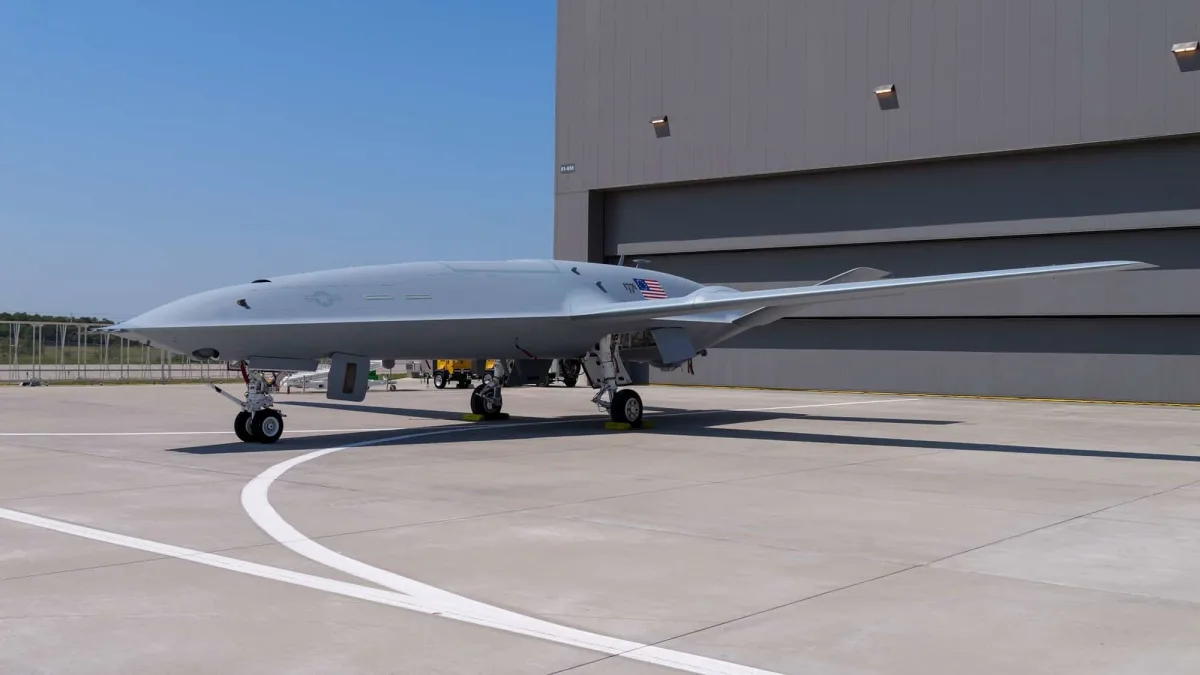
Boeing Awarded $562M Contract for MQ-25 Stingray Production
The U.S. Navy awarded Boeing a $562 million contract for the first three MQ-25 Stingray unmanned aerial refueling tankers, with deliveries expected in...

Boeing Logs 15 Gross Orders Including 13 787 Dreamliners
Boeing recorded 15 gross orders in August 2026, featuring 13 widebody 787 Dreamliner commitments from undisclosed customers.