Airbus, Boeing Expand US Final Assembly Lines to Meet Surging Demand

Co-Founder & CEOAviation News Editor delivering trusted coverage across the global aviation industry.
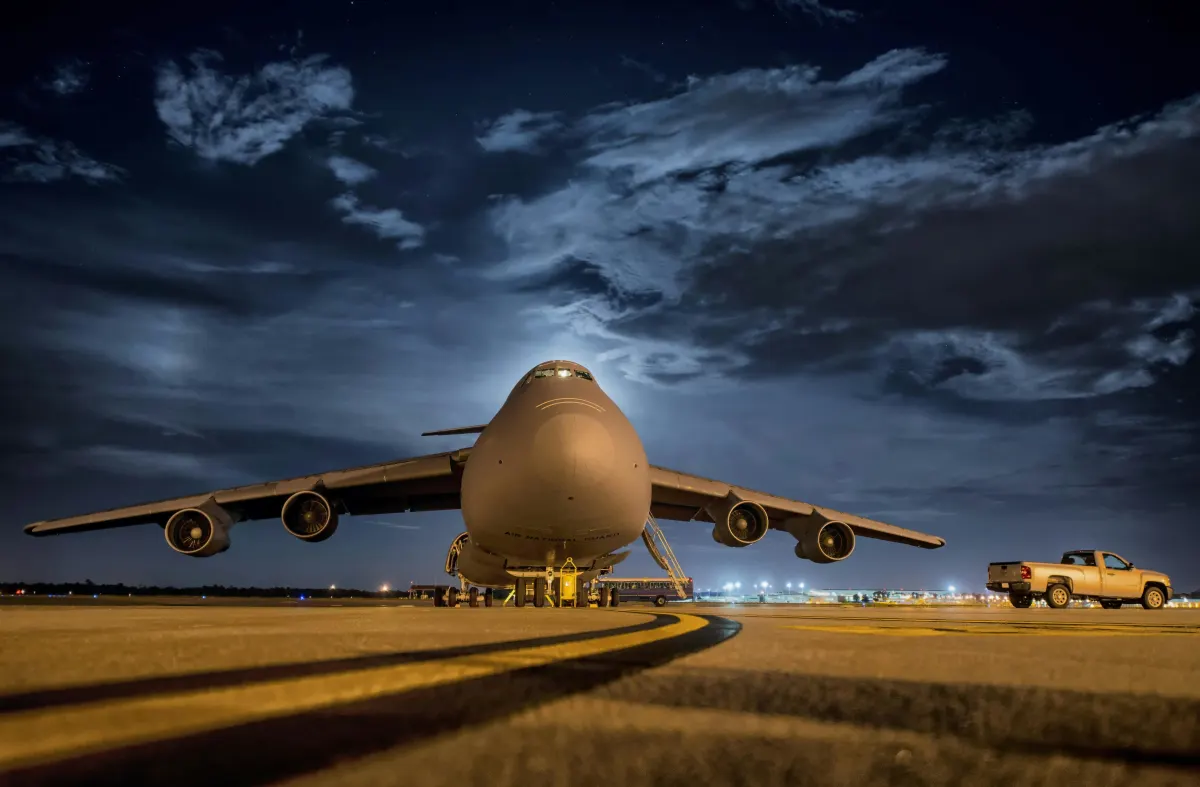
Airbus and Boeing are expanding their respective U.S. final assembly lines to increase A320 and 787 production rates amid record aircraft demand.
Key Takeaways
- •Targets A320 global production rate of 75 per month by 2027, supported by a new Mobile FAL.
- •Invests over $1 billion in its Charleston facility to increase 787 production to 10 per month by 2026.
- •Creates approximately 2,000 new direct manufacturing jobs across facilities in Alabama and South Carolina.
- •Addresses massive aircraft backlogs for the A320 and 787 families amid persistent supply chain challenges.
Airbus and Boeing are significantly expanding their U.S. manufacturing footprints to meet unprecedented global demand for new aircraft. In Mobile, Alabama, Airbus has inaugurated its second A320 Final Assembly Line (FAL), while Boeing is investing over $1 billion to expand its 787 Dreamliner facility in North Charleston, South Carolina. These parallel expansions underscore a strategic push to increase production rates for their most popular aircraft families, though both face considerable supply chain headwinds.
The investments are critical for the manufacturers to work through substantial order backlogs and achieve ambitious production targets. For Airbus, the second Mobile line is a key component in its plan to reach a global monthly production rate of 75 A320 Family aircraft by 2027. For Boeing, the expansion at its Boeing South Carolina (BSC) site is designed to increase 787 production to 10 aircraft per month by 2026, addressing a backlog of nearly 1,000 Dreamliners. The moves also represent a broader industry trend of onshoring and localizing production to build resilience in supply chains and be closer to major North American customers.
Airbus Doubles Down in Mobile
Airbus officially inaugurated its second A320 FAL in Mobile in October 2025, a move that adds 350,000 square feet to its Alabama facility. According to an official Airbus press release, this expansion doubles the company's U.S. A320 production capacity. The project is also creating approximately 1,000 new jobs, significantly boosting the local economy.
Christian Scherer, CEO of Airbus Commercial Aircraft, stated that the second line is a crucial step toward the company's global production goals. The Mobile site, first opened in September 2015, has become a cornerstone of Airbus's U.S. industrial strategy, allowing it to compete more directly with Boeing on its home turf.
Boeing Bolsters Charleston Facility
In November 2025, Boeing broke ground on a massive expansion of its North Charleston facility, the exclusive final assembly site for the 787 Dreamliner. The $1 billion investment will fund a second 1.2 million-square-foot final assembly building. This expansion is projected to create another 1,000 jobs and is essential for Boeing to meet the strong, long-term demand for its widebody aircraft.
Stephanie Pope, President and CEO of Boeing Commercial Airplanes, highlighted the investment's role in preparing for future demand. With a backlog of nearly 1,000 airplanes and over 2,250 total orders, the 787 program's health is directly tied to the Charleston facility's ability to scale production efficiently. The site became the sole 787 FAL in March 2021 after Boeing consolidated production from Everett, Washington, making this expansion a critical strategic imperative.
Industry and Supply Chain Impact
The simultaneous ramp-ups place immense pressure on an already strained aerospace supply chain. Both Airbus and Boeing have acknowledged challenges with sourcing components, particularly engines and cabin interiors, which could threaten their production targets. The creation of a combined 2,000 direct manufacturing jobs in Alabama and South Carolina provides a significant economic stimulus, but suppliers must also scale their operations and workforce to feed the expanded assembly lines.
Airlines awaiting new aircraft are the primary beneficiaries, as increased production should help accelerate deliveries and fleet modernization plans. However, any delays in the supply chain could further extend already long wait times. Both facilities operate under strict FAA (Federal Aviation Administration) Production Certificate oversight, which adds another layer of scrutiny as production rates increase.
Technical Analysis
These expansions signal a pivotal shift in aerospace manufacturing strategy, emphasizing localized production as a hedge against geopolitical instability and logistical bottlenecks. By doubling down on U.S. final assembly, both Airbus and Boeing are attempting to de-risk their global operations. The move follows the precedent set by Airbus's initial 2015 Mobile investment, which proved a U.S. footprint could be successful. Boeing's 2021 consolidation of 787 production to Charleston now appears as the precursor to this larger capital commitment, solidifying South Carolina's role as the center of its widebody strategy.
However, this onshoring trend faces a significant test from the fragile global supply chain. While final assembly capacity is increasing, the entire production system's throughput is dictated by its weakest link. As noted by industry analysts, persistent shortages in engines and other key components may prevent both manufacturers from fully realizing their ambitious rate targets on schedule. The success of these multi-billion-dollar investments will ultimately depend as much on their suppliers' ability to deliver as on their own assembly line efficiency.
What Comes Next
The industry will be closely watching several key milestones over the next few years. Boeing's Charleston facility is expected to reach its increased production rate of 10 787 Dreamliners per month during 2026. Following that, Airbus is targeting a global A320 Family production rate of 75 aircraft per month by 2027, with the newly expanded Mobile facility playing a vital role in achieving that goal. Both timelines are contingent on the stabilization of the global aerospace supply chain.
Why This Matters
The parallel expansions by Airbus and Boeing in the Southern U.S. represent a critical phase in the post-pandemic recovery of commercial aviation manufacturing. They reflect immense confidence in long-term demand but also expose the profound vulnerabilities within the global supply chain. The success or failure of these ramp-ups will directly influence airline fleet strategies, regional economies, and the competitive balance between the duopoly for the next decade.
Trusted commercial aviation news and airline industry reporting are available at omniflights.com. Track policy changes, airspace rules, and global aviation governance in the Regulatory category at omniflights.com/regulatory.
Written by Hardik Vishwakarma
Co-Founder & Aviation News Editor leading initiatives that improve trust and visibility across the global aviation industry. Covers airlines, airports, safety, and emerging technology.
Visit ProfileYou Might Also Like
Discover more aviation news based on similar topics

Boeing 777X Testing Spills Into 2027 Amid Certification Hurdles
Boeing expects some 777X testing to extend into 2027, though the manufacturer maintains its target for the first delivery of the aircraft that year.

Airbus A350F Completes Ground Tests Before Maiden Flight
Airbus has finished initial ground tests for the A350F, with the freighter set for a late 2026 maiden flight and a 2027 entry into service.
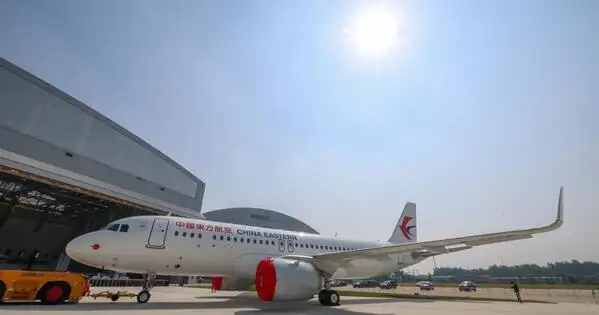
Airbus Delivers First A320neo From New Tianjin FAL
China Eastern Airlines took delivery of the first A320neo from Airbus's second Final Assembly Line in Tianjin, marking a key industrial milestone.
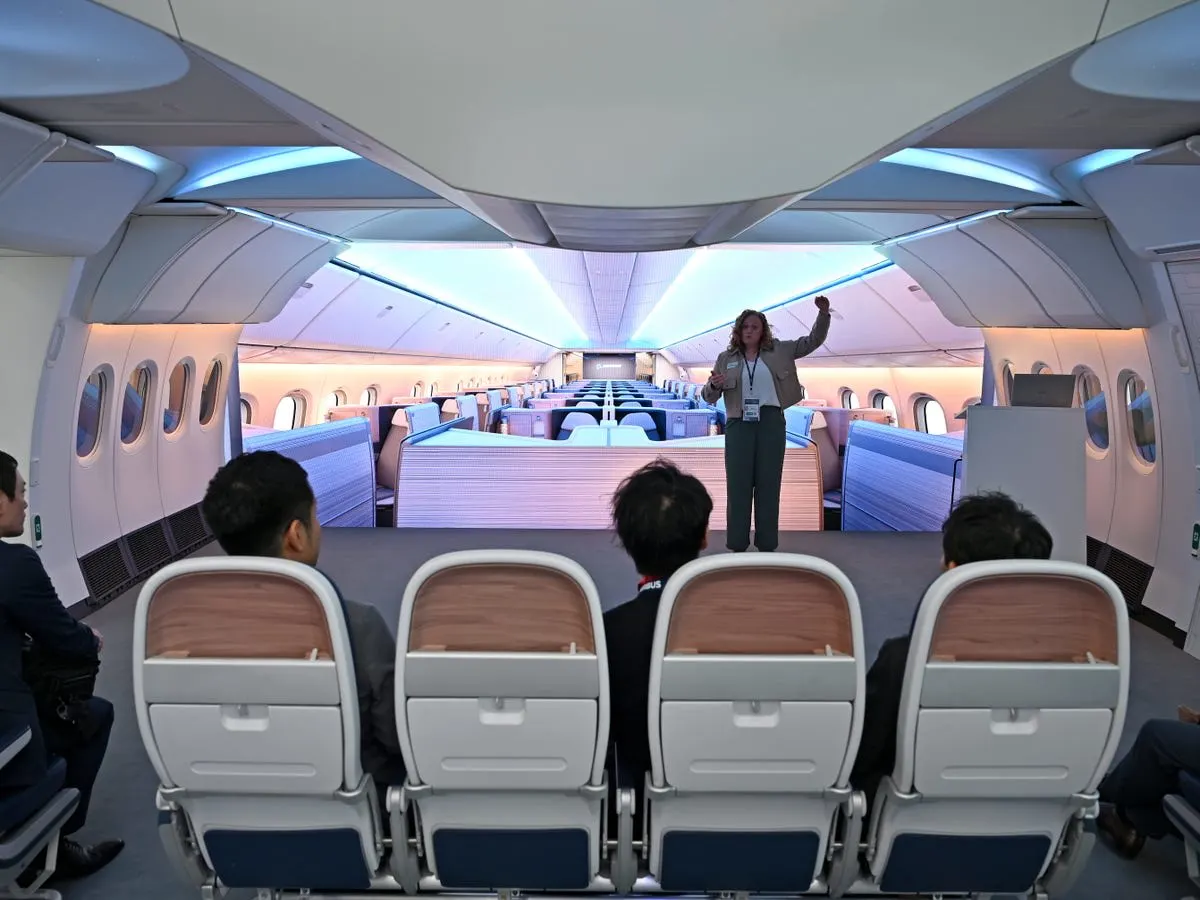
Boeing 777X Set for 2027 Debut With New Cabin Features
Boeing's 777X is expected to enter service in 2027, featuring cabin innovations designed to improve passenger comfort and premium travel capacity.
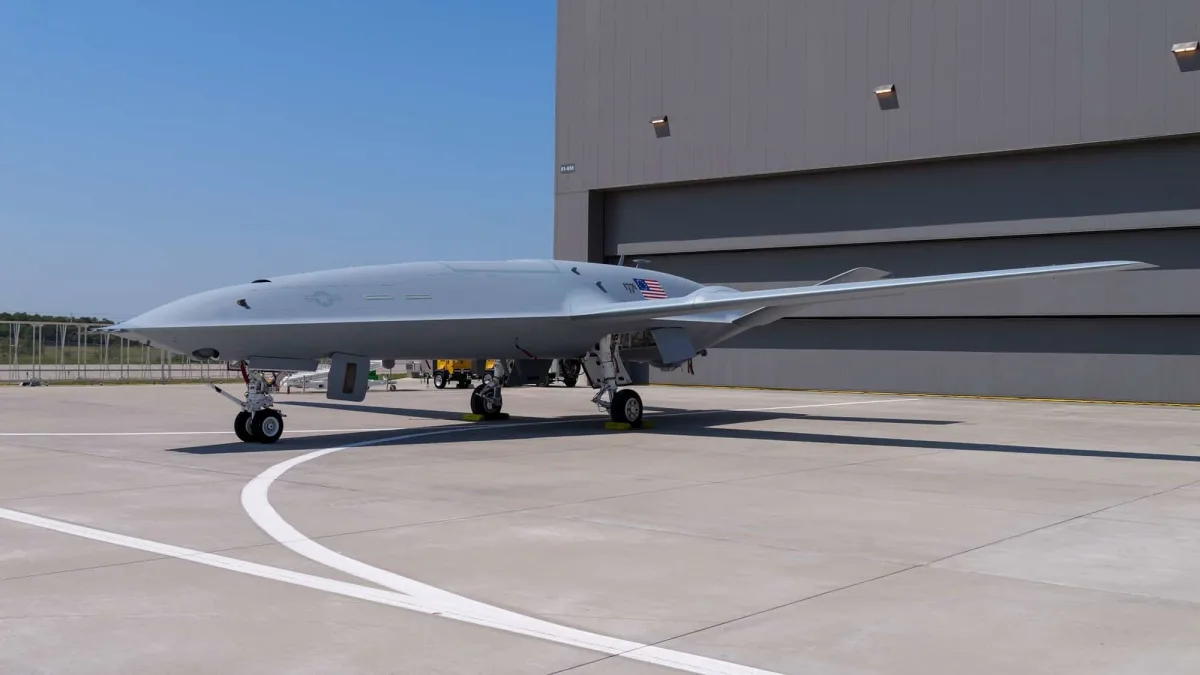
Boeing Awarded $562M Contract for MQ-25 Stingray Production
The U.S. Navy awarded Boeing a $562 million contract for the first three MQ-25 Stingray unmanned aerial refueling tankers, with deliveries expected in...

Boeing Logs 15 Gross Orders Including 13 787 Dreamliners
Boeing recorded 15 gross orders in August 2026, featuring 13 widebody 787 Dreamliner commitments from undisclosed customers.