Airbus and Singapore Certify A330 MRTT Automatic Refueling System

Co-Founder & CEOAviation News Editor delivering trusted coverage across the global aviation industry.
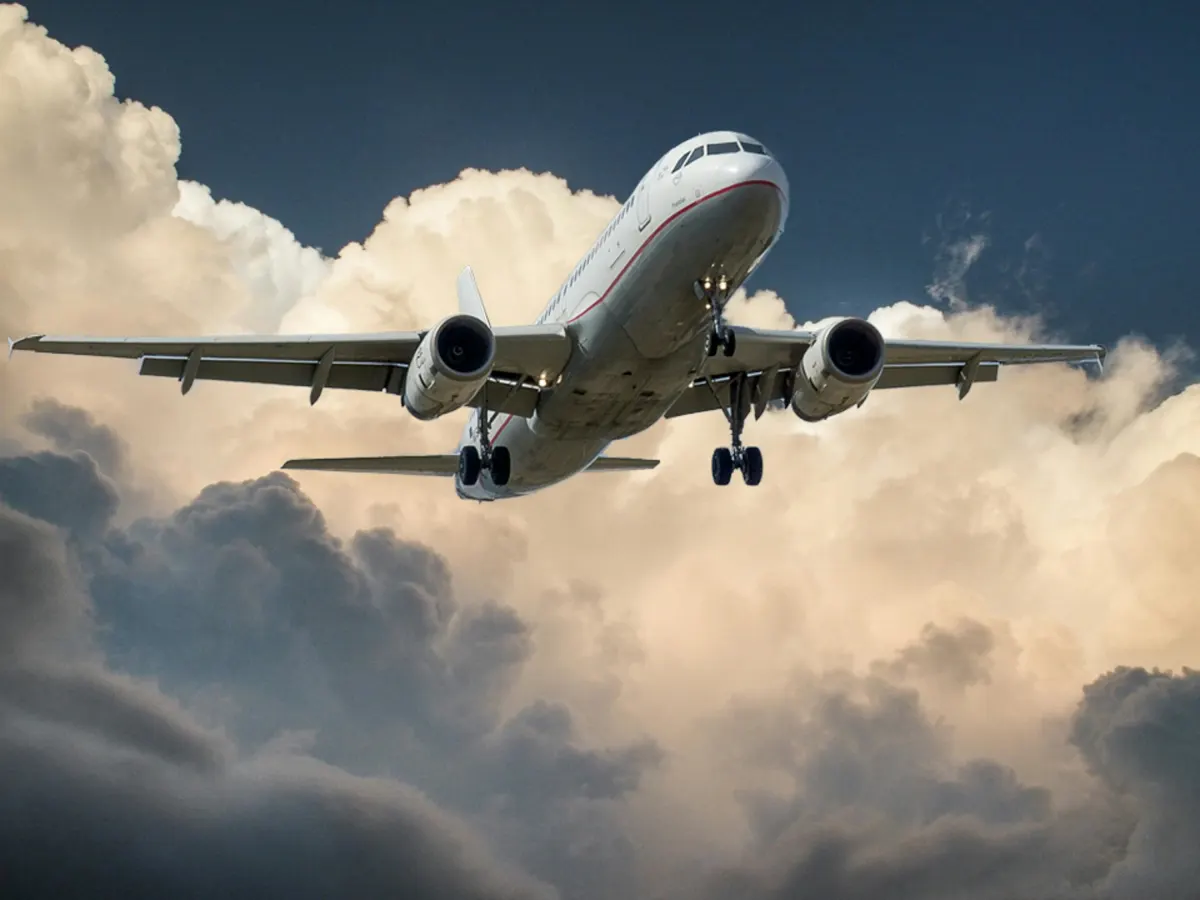
Airbus and Singapore's RSAF have certified the A3R automatic refueling system for the A330 MRTT, creating a significant technological lead over Boeing.
Key Takeaways
- •Achieves world's first full certification for an Automatic Air-to-Air Refuelling (A3R) system.
- •Enhances safety and reduces operator workload for the A330 MRTT tanker, especially at night.
- •Establishes a significant technological lead over the competing Boeing KC-46 Pegasus tanker.
- •Validated through a rigorous flight test campaign involving over 500 contacts with the RSAF.
Airbus, in partnership with the Singapore government, has achieved the world's first full certification for its Automatic Air-to-Air Refuelling (A3R) system on the A330 Multi Role Tanker Transport (MRTT) aircraft. The certification, granted by Spain's Instituto Nacional de Técnica Aeroespacial (INTA), clears the advanced system for operational use in both day and night conditions, establishing a new global benchmark for tanker automation.
The development marks a critical milestone in military aviation, creating a distinct technological advantage for Airbus over its primary competitor, Boeing. The certification of the A3R system solidifies the A330 MRTT's position as a market leader by addressing key operational challenges, including reducing aircrew workload and enhancing safety during complex refueling missions. This capability stands in contrast to the ongoing development and vision system challenges affecting Boeing's KC-46 Pegasus tanker program.
Certification and Development
The full certification of the A3R system is the culmination of a collaborative effort between Airbus and Singapore's Defence Science and Technology Agency (DSTA), with the Republic of Singapore Air Force (RSAF) serving as the launch partner. According to Airbus, the flight test campaign involved over 500 successful contacts, with more than 150 automatic contacts performed in demanding night conditions. This rigorous testing process validated the system's reliability and performance under a wide range of operational scenarios.
Mike Schoellhorn, CEO of Airbus Defence and Space, stated that the certification demonstrates the value of long-term partnerships and praised Singapore for its role in adopting next-generation aerospace technologies. Similarly, Ng Chad-son, Chief Executive of DSTA, highlighted the system's benefits, noting that it enhances safety and reduces crew workload by enabling fully automated refueling operations.
The A3R system functions without the need for additional equipment on the receiver aircraft, relying on advanced computer vision and sensor-based technologies integrated into the A330 MRTT. This allows the boom operator to simply monitor the process while the system autonomously manages the connection with the receiving aircraft.
Industry Impact and Competitive Landscape
This achievement directly impacts key stakeholders in the defense and aerospace sector. For the RSAF's 112 Squadron, it provides a significant operational advantage, making it the first air force globally to field a fully certified autonomous refueling capability. This enhances mission effectiveness and reduces the cognitive load on aircrews.
For Boeing Defense, Space & Security, the certification intensifies competitive pressure. The company's KC-46 Pegasus program has faced persistent challenges with its Remote Vision System (RVS), which required a costly redesign (RVS 2.0) costing over $1 billion due to lighting and image distortion issues. Airbus's successful certification of a fully automated system highlights this technological gap and could influence future international tanker competitions.
A330 MRTT vs. Boeing KC-46 Pegasus
The A3R system adds another differentiator to the A330 MRTT, which already holds advantages in key performance metrics. While Boeing markets the KC-46 on its combat survivability and smaller operational footprint, the Airbus platform leads in fuel capacity and range.
| Metric | Airbus A330 MRTT | Boeing KC-46 Pegasus |
|---|---|---|
| Maximum Fuel Capacity | 245,000 lbs | 212,299 lbs |
| Maximum Range | 7,500 nm | 6,385 nm |
| Wingspan | 198 ft | 157 ft 4 in |
Technical Analysis
The certification of the A3R system is a clear indicator of the accelerating trend toward autonomous operations in military aviation. This development moves beyond simple automation to deploy a sophisticated, vision-based system that can perform critical tasks in complex environments without human intervention. The successful deployment contrasts sharply with the historical precedent set by the KC-46's RVS issues, which underscored the immense technical difficulty of modernizing boom operations. By overcoming these challenges, Airbus has not only delivered a new capability but has also demonstrated a mastery of the underlying computer vision and control system technologies. This success will likely force competitors to re-evaluate and accelerate their own autonomous refueling development programs to remain competitive in the next generation of aerial tankers.
What Comes Next
With the A3R system now certified for operational use, the focus will shift to fleet-wide implementation and potential upgrades for existing and future customers. The technology is expected to be a cornerstone of future A330 MRTT offerings. Looking ahead, Airbus and its partners are preparing for the delivery of the first A330 MRTT+ variant, a version with enhanced capabilities, which is confirmed for delivery to the Royal Thai Air Force in 2029.
Why This Matters
This certification represents more than an incremental improvement; it establishes a new global standard for safety and efficiency in aerial refueling. The move positions Airbus with a significant competitive advantage in the multi-billion-dollar military tanker market. For air forces worldwide, it signals a shift toward greater automation, promising to reduce human error and enhance operational capabilities in increasingly complex missions.
From airline operations to fleet updates, commercial aviation news lives at omniflights.com. For reporting on UAP sightings, investigations, and aviation-related encounters, see the UAPs section at omniflights.com/uaps.
Written by Hardik Vishwakarma
Co-Founder & Aviation News Editor leading initiatives that improve trust and visibility across the global aviation industry. Covers airlines, airports, safety, and emerging technology.
Visit ProfileYou Might Also Like
Discover more aviation news based on similar topics
Autonomous Fixed-Wing Aircraft Development Gains Momentum
Start-ups are advancing autonomous fixed-wing aircraft for agricultural and cargo tasks, aiming to prove safety before pursuing passenger operations.
Boeing 787-9 Completes Short Inlet Tests in Montana
Boeing completed 52 hours of flight tests on a 787-9 with an experimental 30% shorter engine inlet to evaluate noise and fuel efficiency.
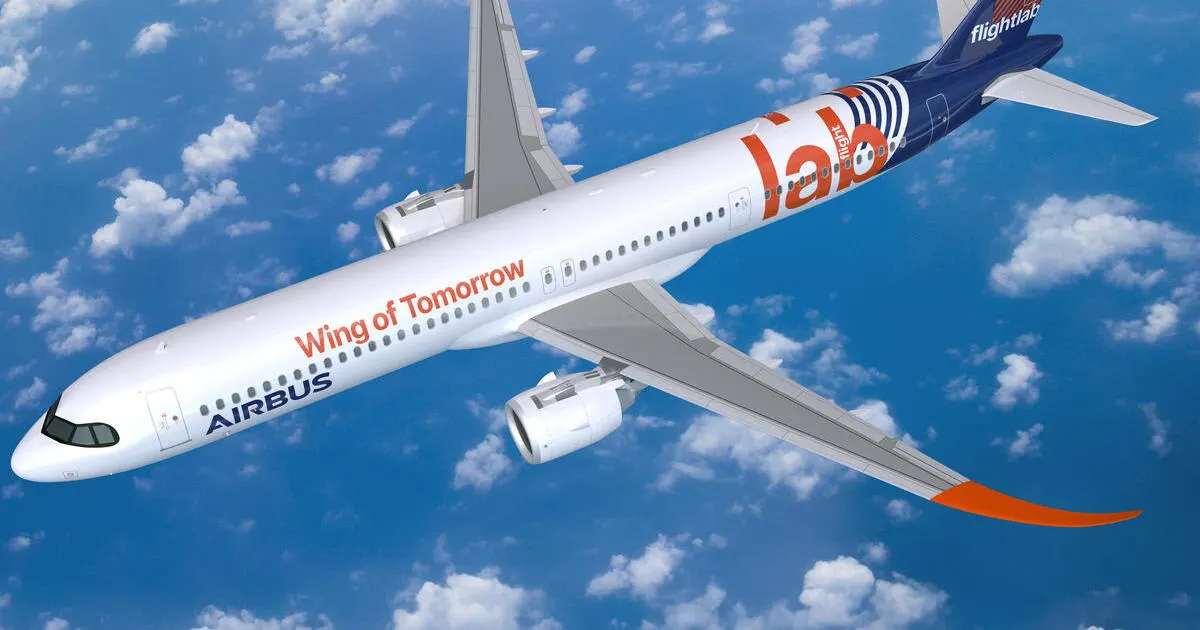
Airbus A321neo to Test Folding Wings of Tomorrow Project
Airbus launched a three-year flight-test campaign using an A321neo to evaluate folding wings that extend up to five meters.
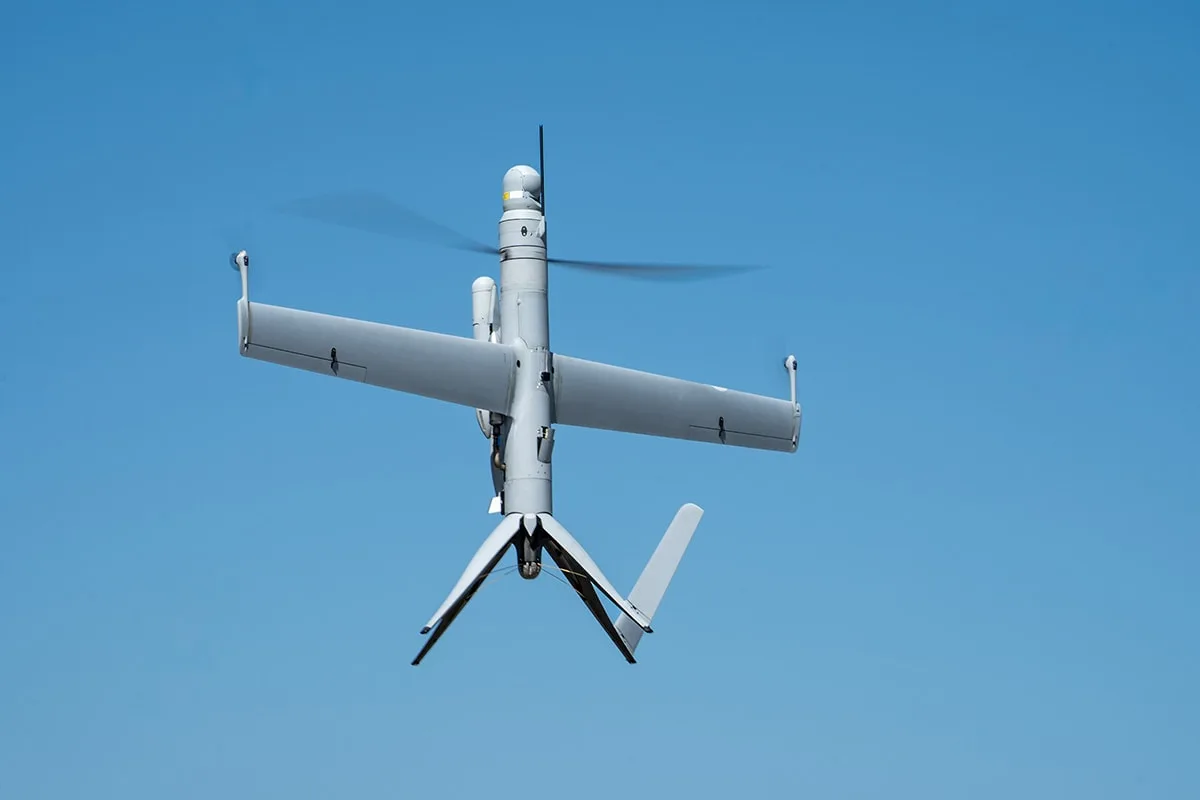
Voyageur Orders Canada's First Airbus U030 Flexrotor
Voyageur Aviation ordered Canada's first Airbus U030 Flexrotor, a 25 kg tactical drone, to expand its maritime and Arctic surveillance capabilities.
LATAM Selects SES Multi-Orbit Wi-Fi for 60+ New Jets
LATAM Airlines signed a multi-year deal with SES to equip more than 60 incoming Airbus and Embraer aircraft with multi-orbit satellite Wi-Fi.
Lufthansa 787-9 Tests Tech to Cut Fuel and Noise
Boeing, Lufthansa, and Rolls-Royce partnered to test emissions-reducing technologies on a 787-9, targeting a 20% fuel efficiency improvement.