Airbus and Boeing H1 Deliveries Near 2018 Record

Co-Founder & CTOCo-Founder & CTO driving the technology and data systems behind Omni Flights.
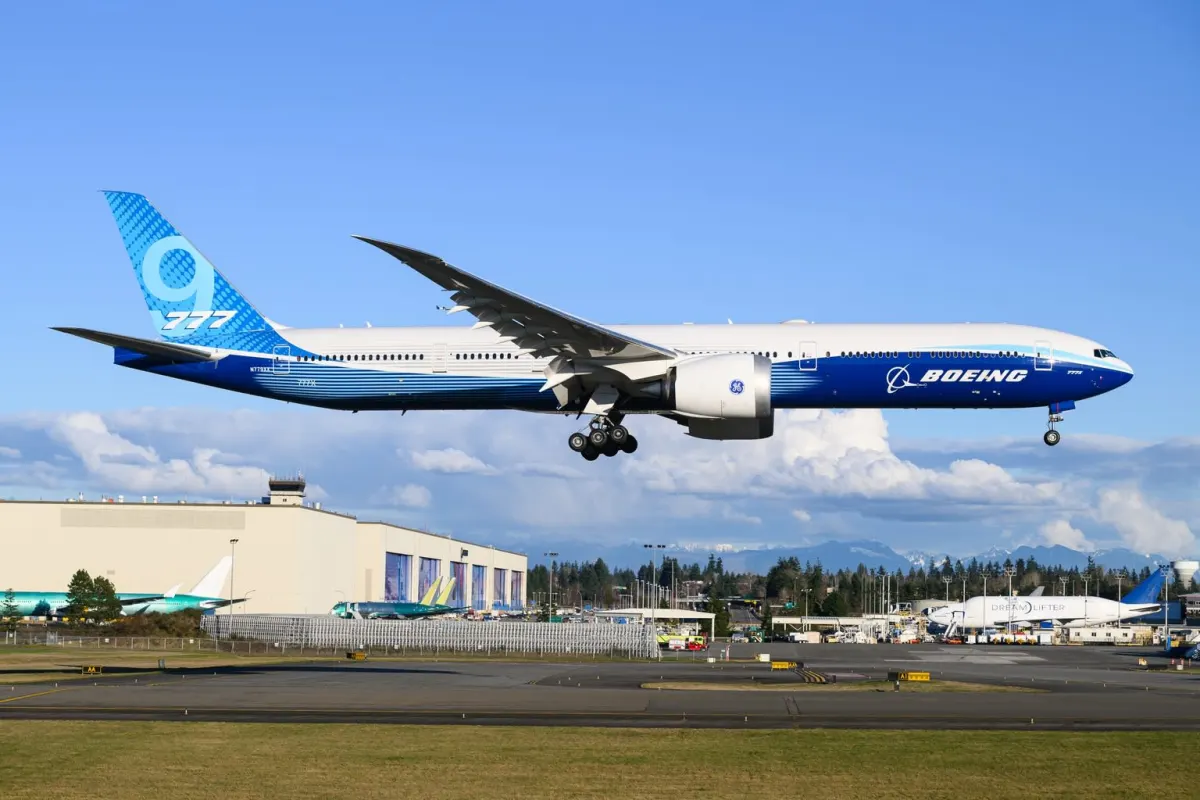
Airbus and Boeing delivered nearly 650 aircraft in H1 2026, bringing combined output to within 5% of the historic 2018 record.
Key Takeaways
- •Airbus delivered 351 commercial aircraft in the first half of 2026.
- •Boeing delivered 314 commercial aircraft, trailing Airbus by 37 jets.
- •Combined deliveries reached nearly 650 jets, just 5% below the 2018 record.
- •Airbus secured 821 net orders compared to Boeing's 408 net orders.
The global commercial aviation recovery is accelerating as manufacturers report a significant surge in aircraft deliveries 2026 for the first half of the year. Combined shipments from the industry's two largest original equipment manufacturers (OEMs) reached nearly 650 aircraft in the first half of 2026, representing a major step toward pre-pandemic operational levels. This combined volume places the industry just 5% below the historic peak delivery levels established in 2018. The shift in Airbus vs Boeing market share remains a key focal point as both manufacturers scale up production to meet unprecedented airline demand.
Supply Chain Pressures and Fleet Modernization
This acceleration in output directly impacts global airline operations and fleet planning. For carriers struggling with capacity constraints, the arrival of delayed single-aisle and widebody jets provides critical relief. However, the rapid ramp-up continues to test the limits of the global aerospace supply chain, forcing suppliers to balance aggressive production targets against persistent material and labor shortages.
According to the Airbus H1 2026 results, the European manufacturer delivered 351 commercial aircraft during the first six months of the year. This represents a 15% increase compared to the same period in 2025. Airbus also secured 821 net commercial aircraft orders during this timeframe, solidifying its leading position in the global market.
In comparison, Boeing's Q2 deliveries announcement confirmed that the US-based manufacturer delivered 314 commercial aircraft in the first half of 2026. While Boeing continues to trail Airbus by 37 aircraft in total deliveries, its H1 performance demonstrates a steady recovery in production stability. Boeing also booked 408 net commercial aircraft orders during the first half of the year, highlighting sustained customer demand despite recent industrial challenges.
The performance of both manufacturers has drawn commentary from leadership. "Our good H1 results mainly reflect the higher level of commercial aircraft deliveries and strong performance in Defence and Space, against the backdrop of a complex and fast-changing environment," said Guillaume Faury, Chief Executive Officer of Airbus. "We are ramping up across all businesses to meet the growing demand for our civil and military solutions."
Stakeholder and Investor Implications
The delivery recovery has uneven implications across the aviation sector. For aerospace Tier 1 and Tier 2 suppliers, the ramp-up generates high revenue potential but places severe operational pressure on component manufacturing, particularly for critical engine and fuselage parts. Global airlines experience medium-severity impacts, gaining faster access to modern, fuel-efficient fleets to capitalize on high travel demand. For aerospace investors, the rising delivery rates signal improved free cash flow and revenue realization for both The Boeing Company (BA) and Airbus SE (EADSF) as their massive order backlogs begin to convert into recognized revenue.
However, the recovery is not without its critics. Analysts at aviation analytics firms, including Cirium, point out that despite these positive delivery numbers, systemic supply chain bottlenecks and persistent engine shortages continue to cap the industry's total output. These constraints suggest that while the recovery is underway, the manufacturers are still operating below their true theoretical capacity.
Historical Delivery Trends and Precedents
The current recovery trajectory shares similarities with the industry's response to the post-2008 financial crisis. Between 2010 and 2012, both Airbus and Boeing underwent a multi-year recovery period characterized by production bottlenecks before successfully returning to peak delivery volumes. This historical precedent underscores the highly cyclical nature of commercial aerospace manufacturing and the typical multi-year lag required to normalize supply chains after a major global disruption.
The current recovery is heavily concentrated in the narrowbody sector, driven by intense global demand for the Airbus A321neo and the Boeing 737 MAX. Widebody deliveries, by contrast, have remained relatively stable but have not experienced the same explosive growth.
Narrowbody Production and the Supply Chain Bottleneck
The H1 2026 delivery data indicates a structural shift in how the aerospace supply chain is responding to post-pandemic demand. Historically, a 15% year-over-year delivery increase at Airbus would signal a complete easing of industrial friction. However, the current environment is defined by a dual-speed recovery: final assembly lines are accelerating, but Tier 2 and Tier 3 component suppliers remain highly constrained by raw material lead times and specialized labor shortages. This mismatch suggests that while the immediate delivery bottleneck is easing at the OEM level, the underlying supply chain remains fragile. The narrowbody market's reliance on single-source engine suppliers further concentrates risk, meaning any localized industrial disruption could quickly stall the broader delivery momentum observed in early 2026.
Delivery Targets and Year-End Milestones
Looking ahead to the remainder of 2026, several key industrial milestones will determine whether the industry can sustain this upward trajectory.
- Airbus Full-Year Delivery Target: Airbus SE is expected to target approximately 870 aircraft deliveries by the end of Q4 2026, subject to supply chain stability.
- Boeing Full-Year Delivery Totals: The Boeing Company is confirmed to announce its full-year 2026 delivery totals in January 2027, which will provide a definitive measure of its manufacturing stabilization efforts.
Why Delivery Acceleration Matters to Investors
For the broader aviation industry, the closing gap to 2018 delivery levels indicates that the worst of the post-pandemic capacity crisis is ending. For airlines, more predictable delivery schedules mean stabilized fleet planning and lower reliance on expensive short-term wet leases. For investors, the steady conversion of multi-billion-dollar backlogs into cash-generating deliveries provides a clearer path to balance sheet deleveraging for both major OEMs.
Frequently Asked Questions
- How many aircraft did Airbus and Boeing deliver in the first half of 2026?
- Airbus delivered 351 commercial aircraft, while Boeing delivered 314 commercial aircraft, bringing their combined total to nearly 650 deliveries.
- Which manufacturer led in net aircraft orders during H1 2026?
- Airbus led with 821 net commercial aircraft orders, compared to Boeing's 408 net orders during the same period.
- How close are 2026 aircraft deliveries to pre-pandemic records?
- Combined deliveries for Airbus and Boeing in the first half of 2026 were nearly 650 aircraft, which is just 5% below the industry's record set in 2018.
Visit omniflights.com for the latest commercial aviation news and airline industry updates. Discover how innovation is shaping aviation through aircraft systems, avionics, and digital tools at omniflights.com/technology.
Written by Shashank Shukla
Co-Founder & CTO leading the engineering and AI systems behind Omni Flights. Covers aviation technology, flight safety, aircraft manufacturing, and emerging aerospace developments.
Visit ProfileYou Might Also Like
Discover more aviation news based on similar topics

Boeing 777X Testing Spills Into 2027 Amid Certification Hurdles
Boeing expects some 777X testing to extend into 2027, though the manufacturer maintains its target for the first delivery of the aircraft that year.

Airbus A350F Completes Ground Tests Before Maiden Flight
Airbus has finished initial ground tests for the A350F, with the freighter set for a late 2026 maiden flight and a 2027 entry into service.
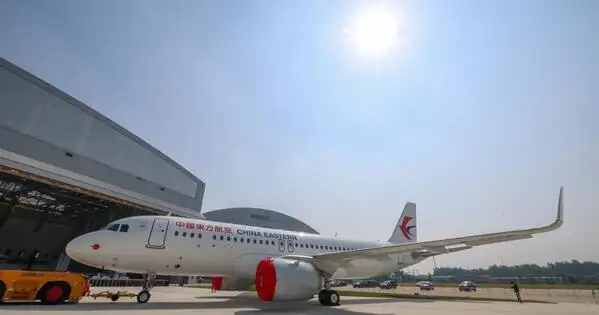
Airbus Delivers First A320neo From New Tianjin FAL
China Eastern Airlines took delivery of the first A320neo from Airbus's second Final Assembly Line in Tianjin, marking a key industrial milestone.
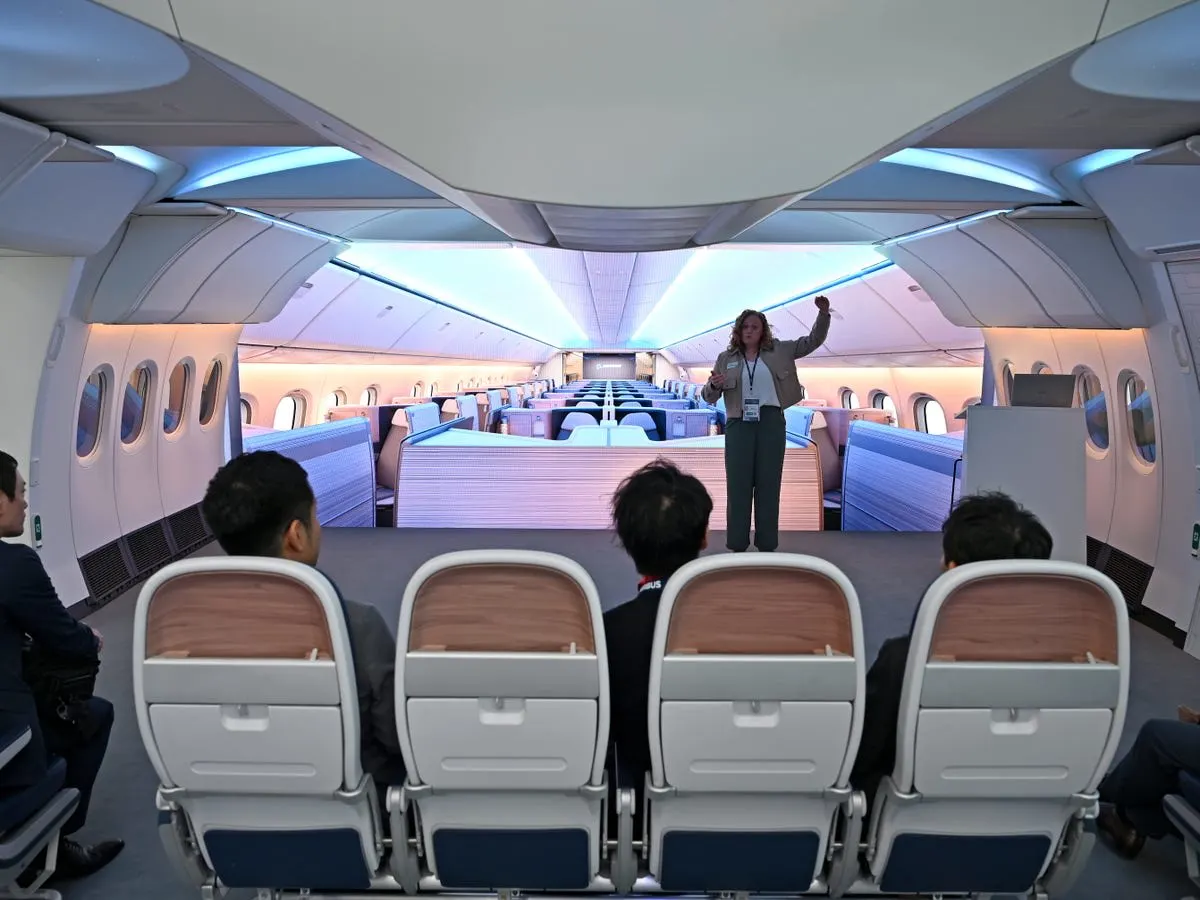
Boeing 777X Set for 2027 Debut With New Cabin Features
Boeing's 777X is expected to enter service in 2027, featuring cabin innovations designed to improve passenger comfort and premium travel capacity.
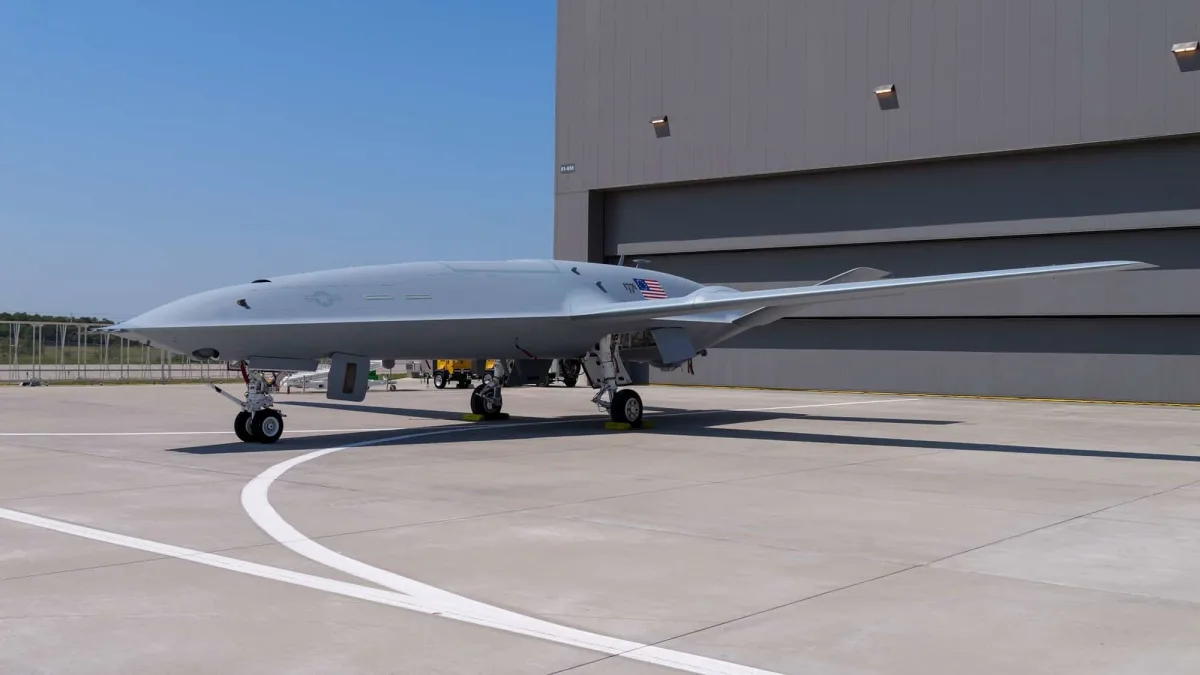
Boeing Awarded $562M Contract for MQ-25 Stingray Production
The U.S. Navy awarded Boeing a $562 million contract for the first three MQ-25 Stingray unmanned aerial refueling tankers, with deliveries expected in...

Boeing Logs 15 Gross Orders Including 13 787 Dreamliners
Boeing recorded 15 gross orders in August 2026, featuring 13 widebody 787 Dreamliner commitments from undisclosed customers.