Airbus Delivers First A320neo From New Tianjin FAL

Co-Founder & CTOCo-Founder & CTO driving the technology and data systems behind Omni Flights.
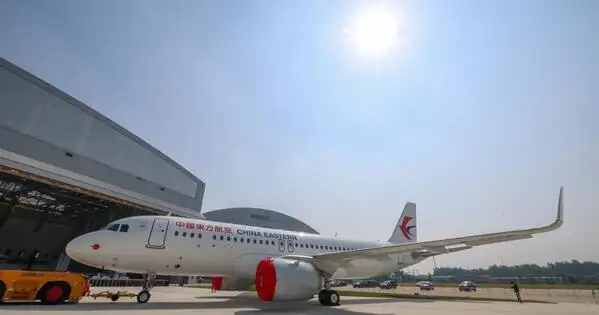
China Eastern Airlines took delivery of the first A320neo from Airbus's second Final Assembly Line in Tianjin, marking a key industrial milestone.
Key Takeaways
- •China Eastern Airlines received the first A320neo from the new Tianjin FAL.
- •Airbus targets a global production rate of 75 A320 family aircraft by 2027.
- •China's 20-year demand for new passenger aircraft is forecast at 8,830 units.
- •Airbus market share in China has grown from 20% in 2008 to over 50% today.
Airbus Expands Industrial Footprint in China
Airbus has delivered the first aircraft assembled at its second Final Assembly Line (FAL) for the A320 family in Tianjin, China. The A320neo aircraft was handed over to China Eastern Airlines, which currently operates the largest Airbus fleet in the Chinese mainland. This delivery underscores the Airbus Tianjin FAL as a cornerstone of the manufacturer's global industrial strategy, providing the necessary capacity to meet robust regional demand.
The Strategic Importance of Localized Production
The commissioning of this second assembly line is a critical facilitator for the company's global Airbus production rate trajectory, which aims for 75 aircraft per month by 2027, according to the Airbus 2024 guidance update. By localizing production in key growth markets, Airbus is streamlining its delivery logistics and strengthening its regional economic ties. The second facility was officially put into operation last October, as confirmed by the Airbus second Tianjin FAL press release.
Market Share and Long-Term Cooperation
China remains the largest single-country market for Airbus civil aircraft. The manufacturer's fleet share in China has expanded from approximately 20 percent in 2008 to more than 50 percent today. Since the inauguration of the first Tianjin FAL in 2008—the company's first such facility outside Europe—it has assembled and delivered over 800 A320 family aircraft. Chinese airlines now operate over 2,300 Airbus aircraft, with about one-third of that fleet assembled locally in Tianjin.
According to the Airbus Global Market Forecast 2026-2045, the demand for new passenger aircraft in China is expected to reach 8,830 units over the next two decades. This figure accounts for more than 20 percent of the estimated global total of 42,060 units, highlighting the sustained growth of the Asia-Pacific aviation market.
Supply Chain and Production Challenges
While the expansion of the Tianjin FAL provides critical flexibility, the broader industry faces significant headwinds. Aerospace supply chain analysts and tier-one suppliers have noted that aggressive production ramp-ups to 75 aircraft per month place immense strain on component and engine manufacturers. These partners often face labor and material shortages that complicate the delivery of finished aircraft, necessitating close coordination to maintain the current production trajectory.
Future Milestones for the Chinese Market
Airbus and its Chinese partners are focused on several key milestones over the coming years. By 2027, the company expects to achieve its global production target of 75 A320 family aircraft per month. Furthermore, the 20-year forecast indicates a steady requirement for nearly 9,000 new aircraft to serve the Chinese market, a goal that relies on the deep-rooted industrial cooperation and technology transfer established over the last four decades.
Why This Matters for the Global Aviation Industry
This delivery signals a shift in how major OEMs manage their global industrial footprint to mitigate supply chain risks and capitalize on regional growth. For competitors such as Boeing, the deep industrial integration Airbus has achieved in China—now covering more than 50 percent of the market share—presents a formidable challenge. The evolution of the Tianjin facility from a single assembly line to a multi-line hub demonstrates a successful model for scaling production while maintaining a strong local presence in the world's most populous air-travel market.
Frequently Asked Questions
- What is the production target for the Airbus A320 family by 2027?
- Airbus aims to reach a global production rate of 75 A320 family aircraft per month by 2027 to meet strong market demand.
- How many aircraft is China forecast to need over the next 20 years?
- According to the Airbus Global Market Forecast 2026-2045, China's demand for new passenger aircraft is expected to reach 8,830 units over the next two decades.
From airline operations to fleet updates, commercial aviation news lives at omniflights.com. Discover how innovation is shaping aviation through aircraft systems, avionics, and digital tools at omniflights.com/technology.
Written by Shashank Shukla
Co-Founder & CTO leading the engineering and AI systems behind Omni Flights. Covers aviation technology, flight safety, aircraft manufacturing, and emerging aerospace developments.
Visit ProfileYou Might Also Like
Discover more aviation news based on similar topics
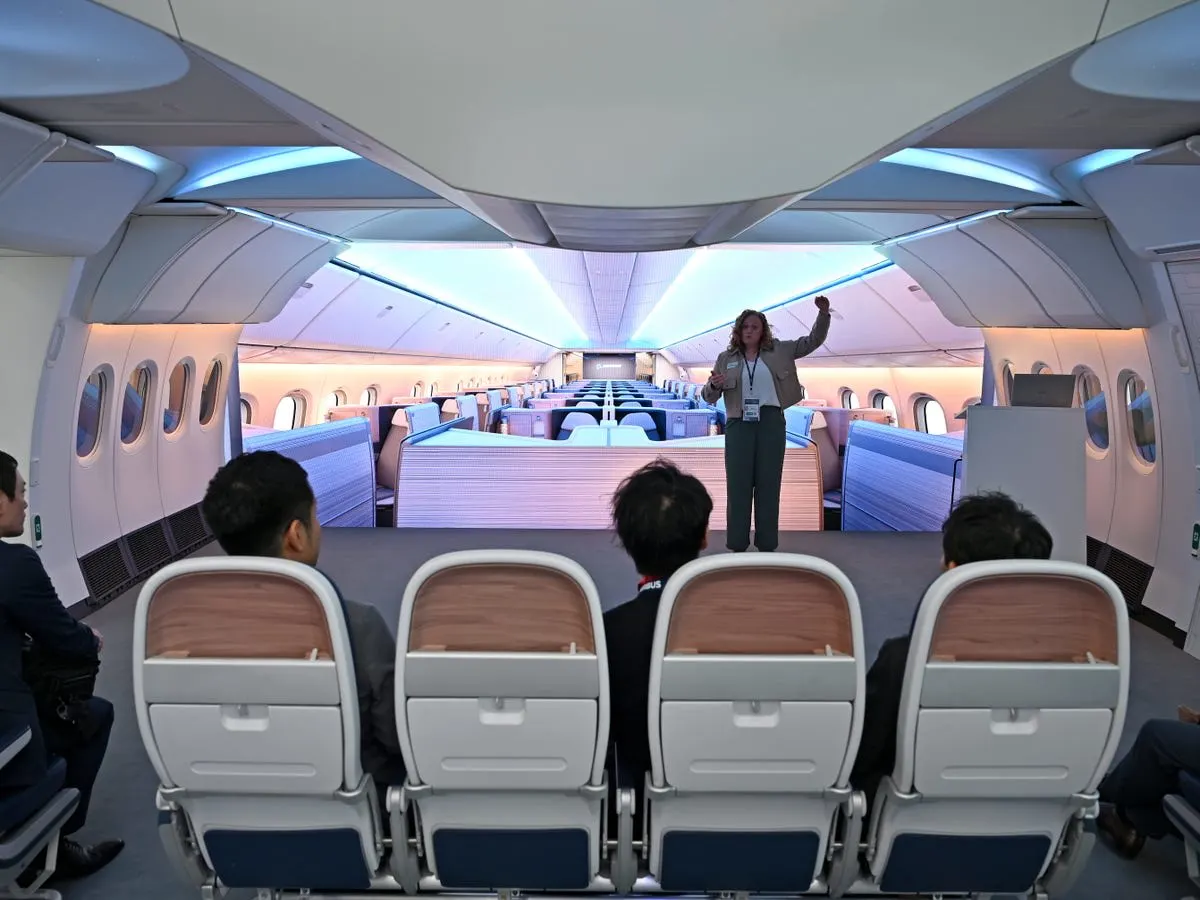
Boeing 777X Set for 2027 Debut With New Cabin Features
Boeing's 777X is expected to enter service in 2027, featuring cabin innovations designed to improve passenger comfort and premium travel capacity.
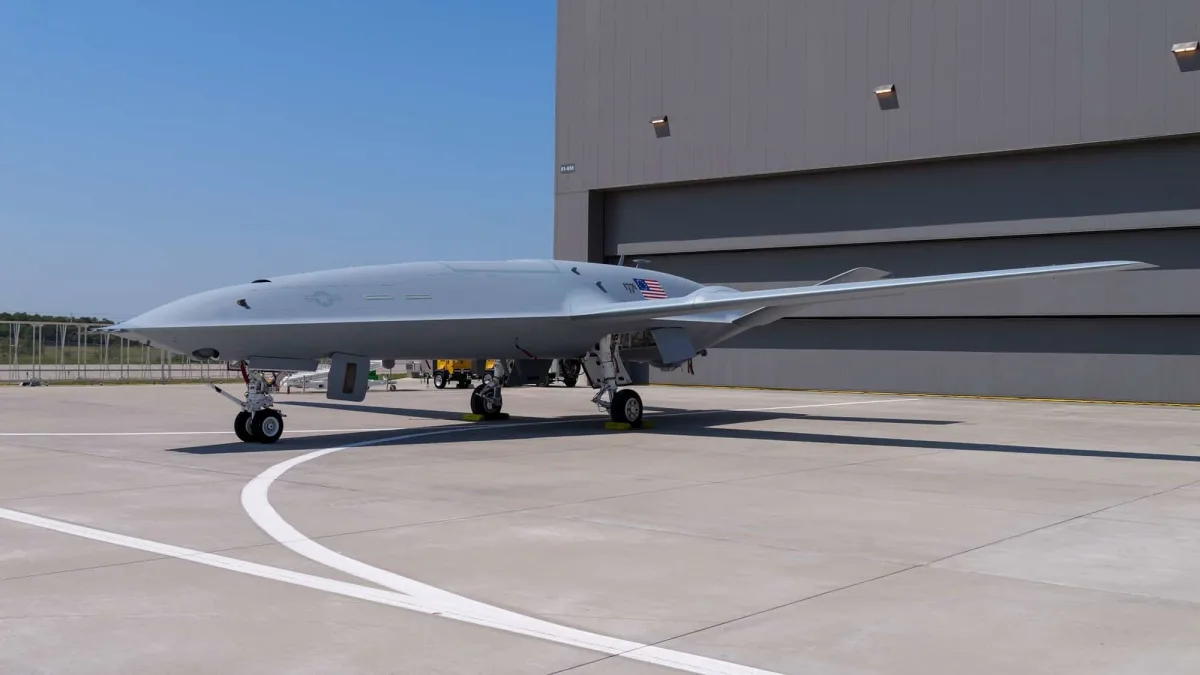
Boeing Awarded $562M Contract for MQ-25 Stingray Production
The U.S. Navy awarded Boeing a $562 million contract for the first three MQ-25 Stingray unmanned aerial refueling tankers, with deliveries expected in...

Boeing Logs 15 Gross Orders Including 13 787 Dreamliners
Boeing recorded 15 gross orders in August 2026, featuring 13 widebody 787 Dreamliner commitments from undisclosed customers.

Hermeus Gets FAA Approval for Mach 1+ Drone Test Flights
The FAA authorized Hermeus to conduct six supersonic test flights of its Quarterhorse Mk 2.2 drone at White Sands through August 2027.
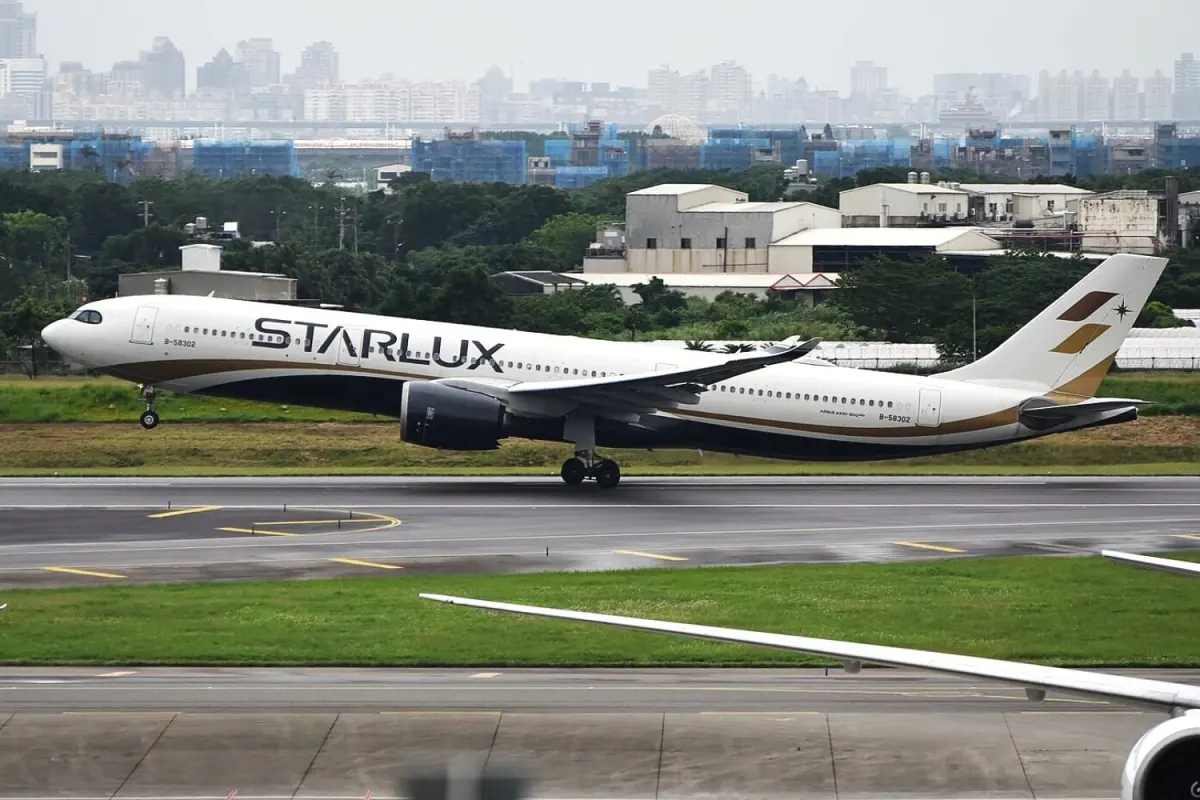
Airbus Deliveries Slow to 57, Putting 870 Target at Risk
Airbus delivered 57 aircraft in August 2026, requiring a surge to 99 monthly deliveries to meet its full-year target of 870.
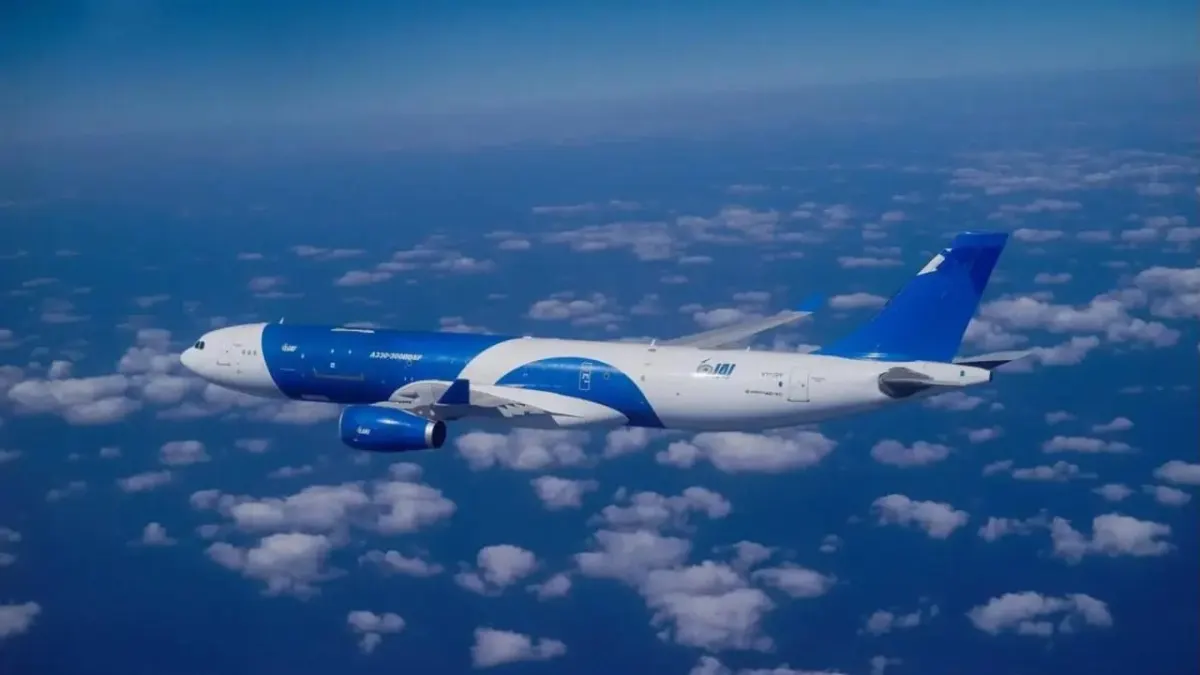
IAI Completes First Flight of A330-300BDSF Cargo Conversion
Israel Aerospace Industries successfully completed the first flight of its A330-300BDSF, an Airbus widebody converted for cargo operations.